
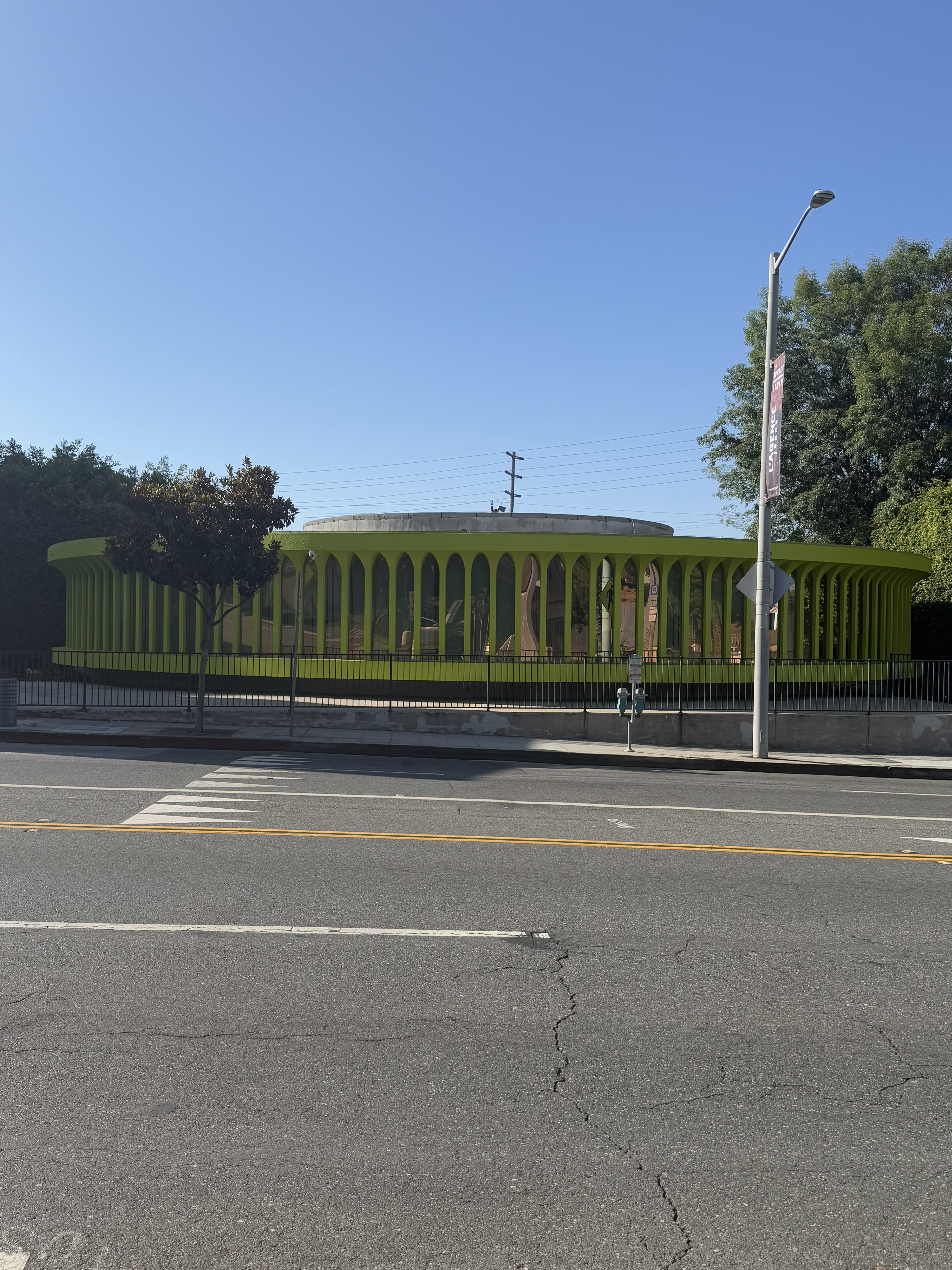
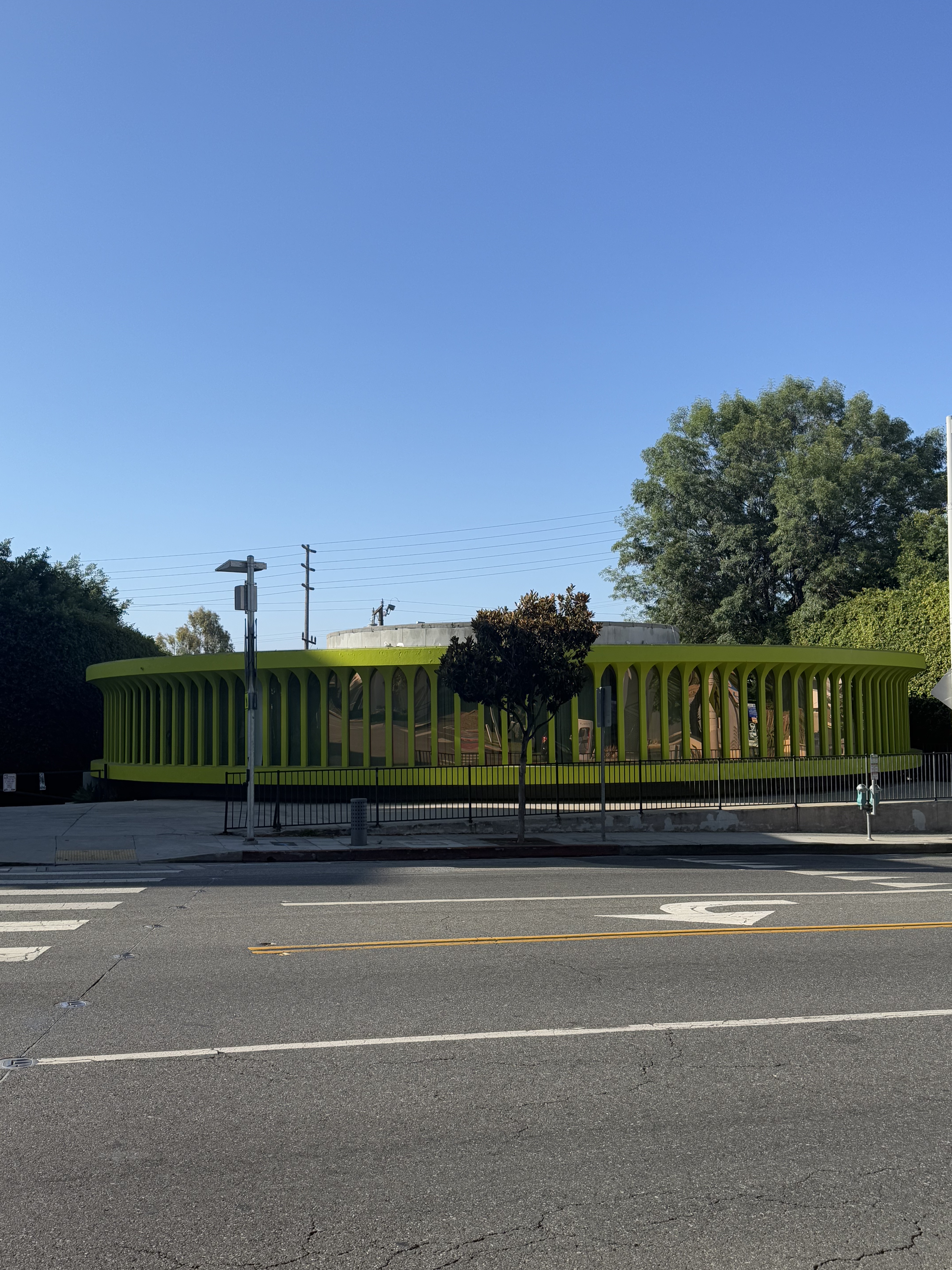
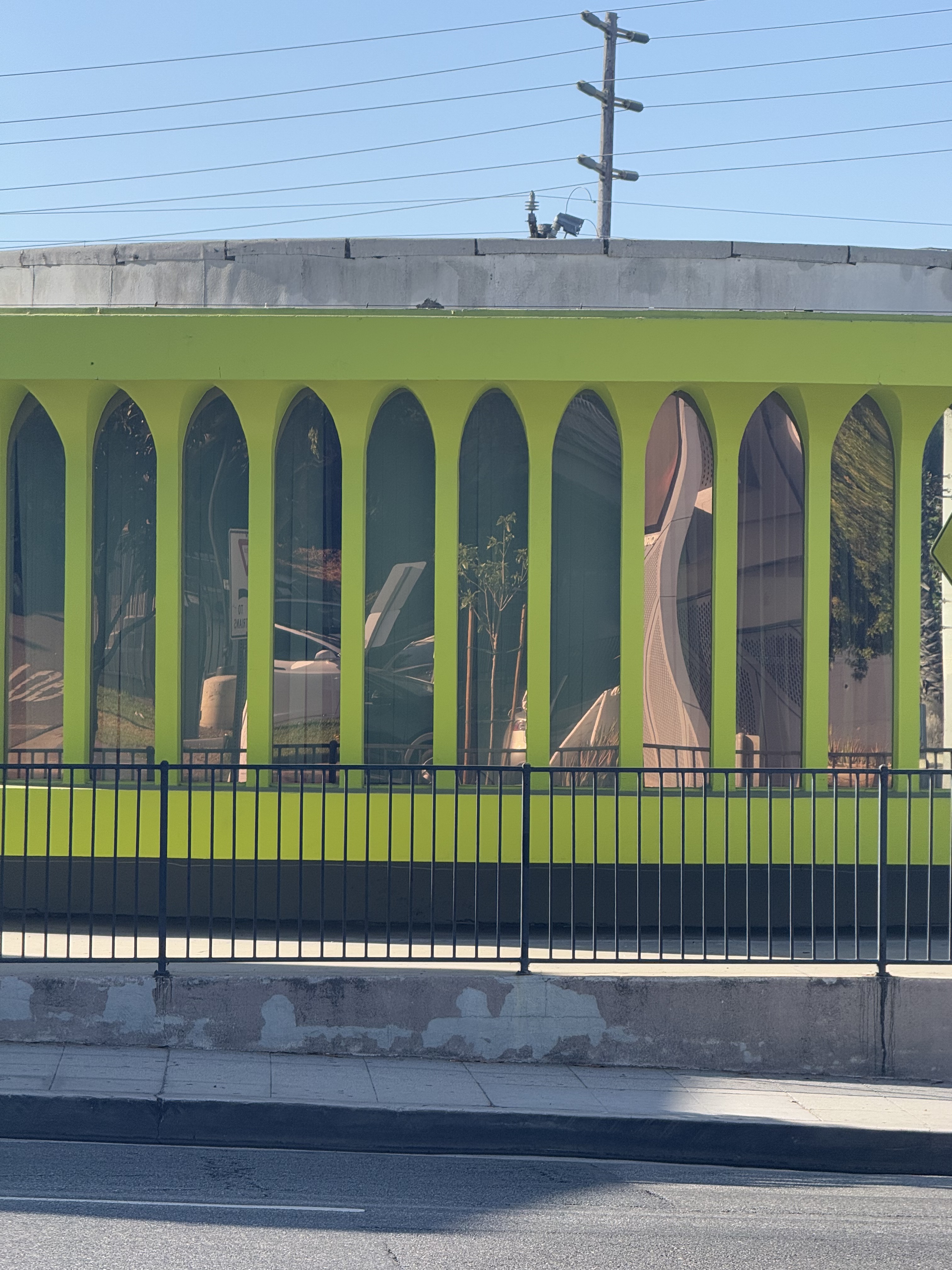
Oscar Ribeiro de Almeida Niemeyer Soares Filho was a Brazilian architect who became one of the most influential figures in modern architecture. Born in Rio de Janeiro to a family of mixed Portuguese and German heritage, Niemeyer lived a bohemian youth before graduating from the National School of Fine Arts in 1934. He began his career working unpaid in Lúcio Costa's studio, where he gained crucial experience on the Ministry of Education and Health building and worked closely with Le Corbusier. His breakthrough came with the Pampulha architectural complex (1940-1943), commissioned by future president Juscelino Kubitschek. Niemeyer's most famous achievement was designing the civic buildings for Brazil's new capital, Brasília (1956-1960), including the National Congress, Cathedral, and presidential palaces. His leftist politics and Communist Party membership led to exile in Paris from 1965-1985 during Brazil's military dictatorship, where he continued practicing internationally. Returning to Brazil in 1985, he worked until his death at age 104, designing approximately 600 projects over a 78-year career.
Niemeyer's architecture was fundamentally shaped by his rejection of rigid modernist orthodoxy in favor of sensual, flowing forms inspired by Brazil's natural landscape. He famously stated: 'I am not attracted to straight angles or to the straight line, hard and inflexible, created by man. I am attracted to free-flowing, sensual curves. The curves that I find in the mountains of my country, in the sinuousness of its rivers, in the waves of the ocean, and on the body of the beloved woman.' While influenced by Le Corbusier, Niemeyer pioneered the creative use of reinforced concrete to achieve unprecedented sculptural forms, particularly parabolic arches and hyperboloid structures. His approach evolved from early experimentalism through a period of formal simplification (his 'Depoimento' phase in the 1950s) to emphasize pure structural expression. He believed that 'when form creates beauty, it has in beauty itself its justification,' prioritizing aesthetic impact while integrating Brazilian materials, tropical gardens by Roberto Burle Marx, and local artistic traditions like azulejos tilework.
AWARDS
Lenin Peace Prize (1963)
Pritzker Architecture Prize (1988)
Prince of Asturias Awards (1989)
RIBA Royal Gold Medal (1998)
Praemium Imperiale (2004)
Honorary membership of the American Institute of Architects (1963)
NOTABLE WORKS
Keys to New York City from Mayor Fiorello La Guardia (1939)
Strick House (1963-1964), Santa Monica – Santa Monica Landmark #58, Mills Act property