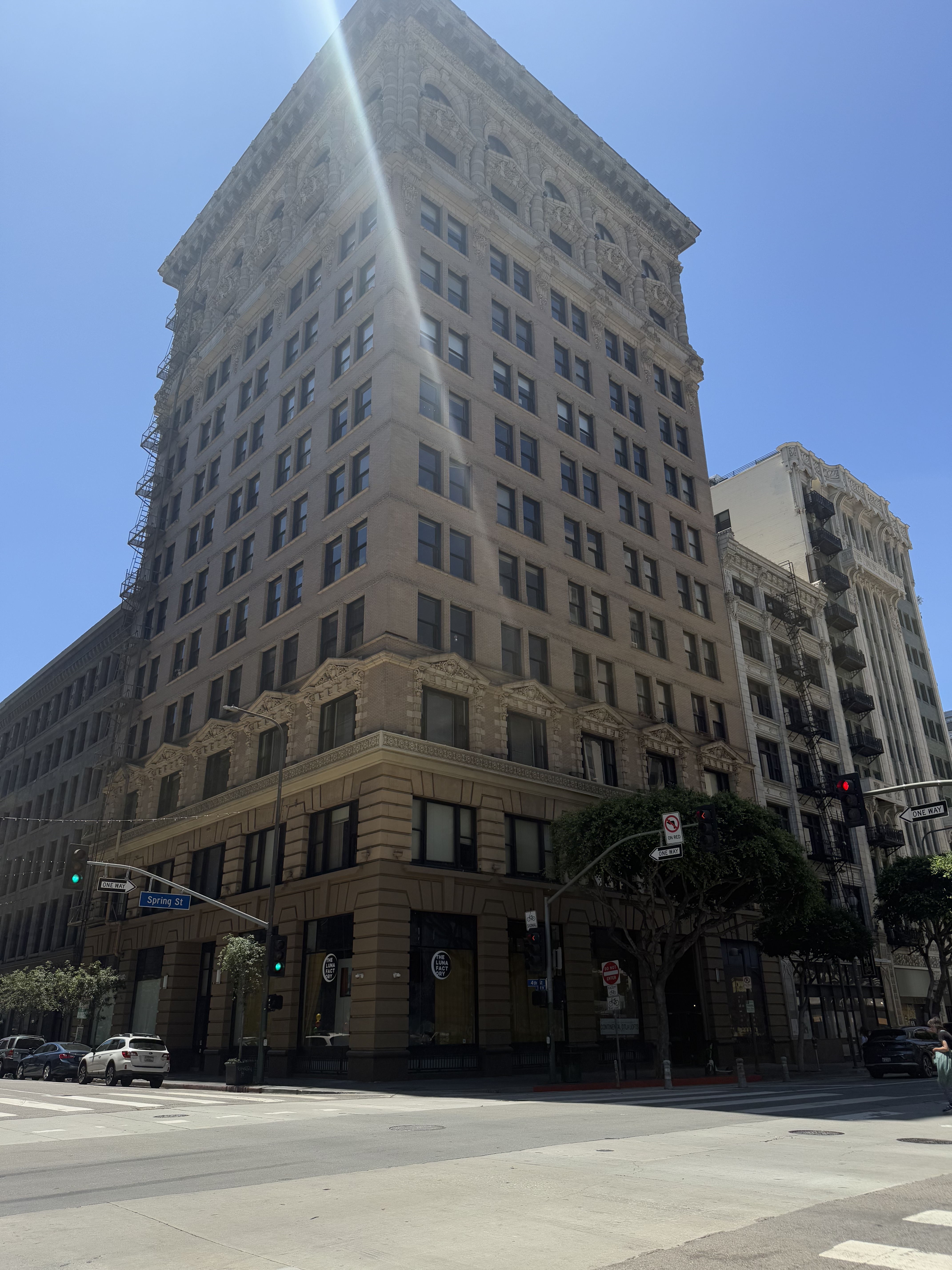
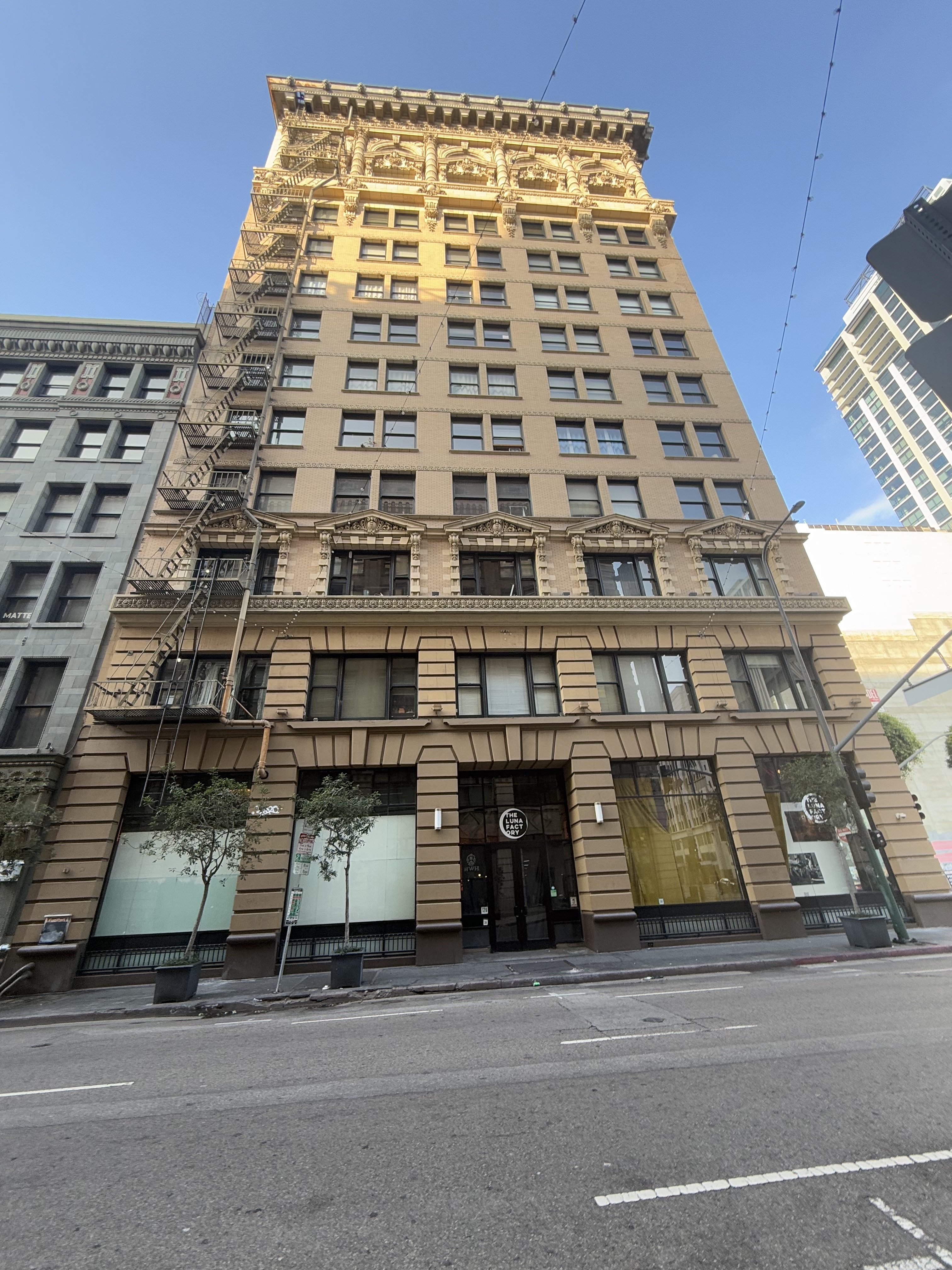
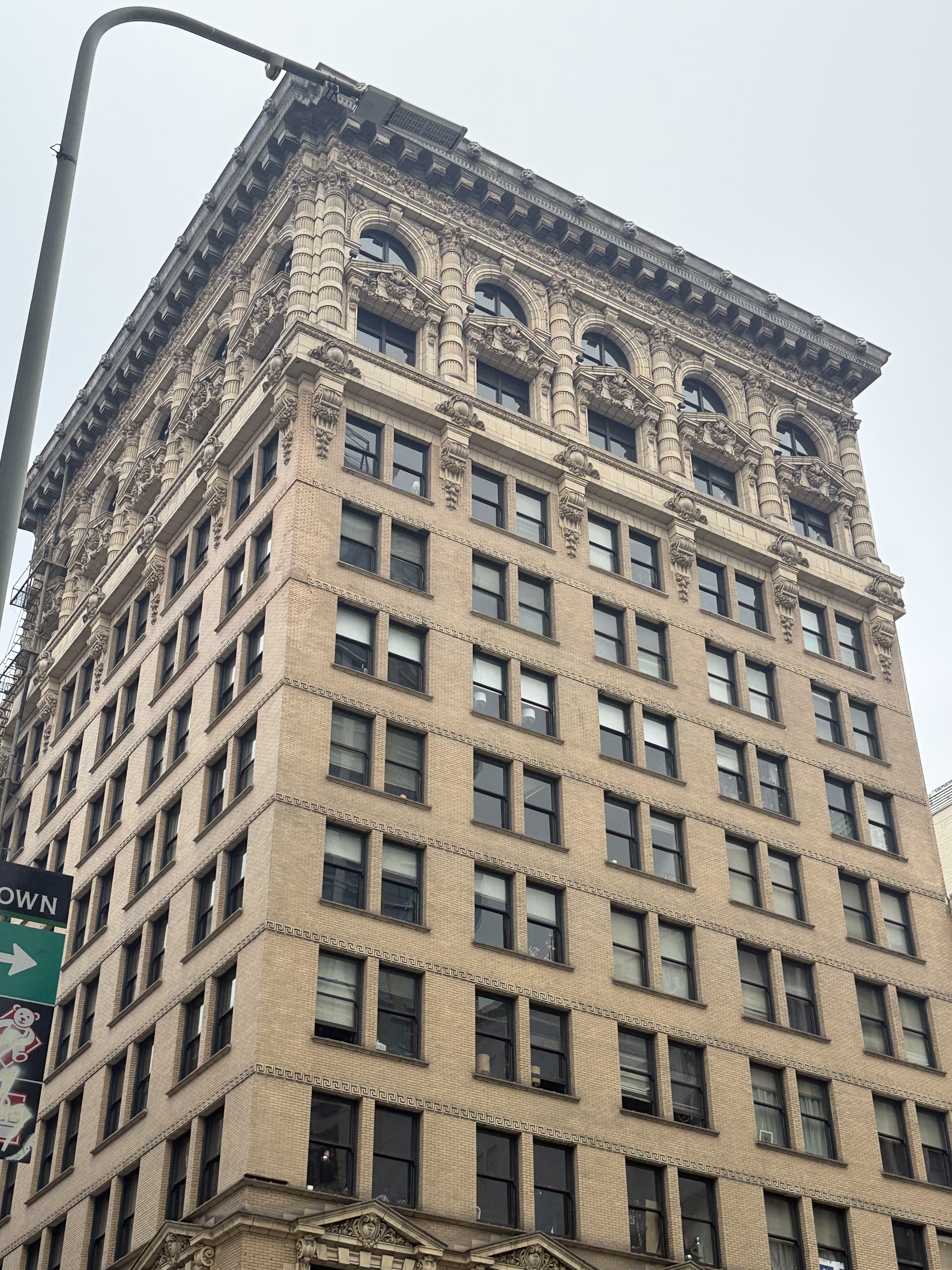
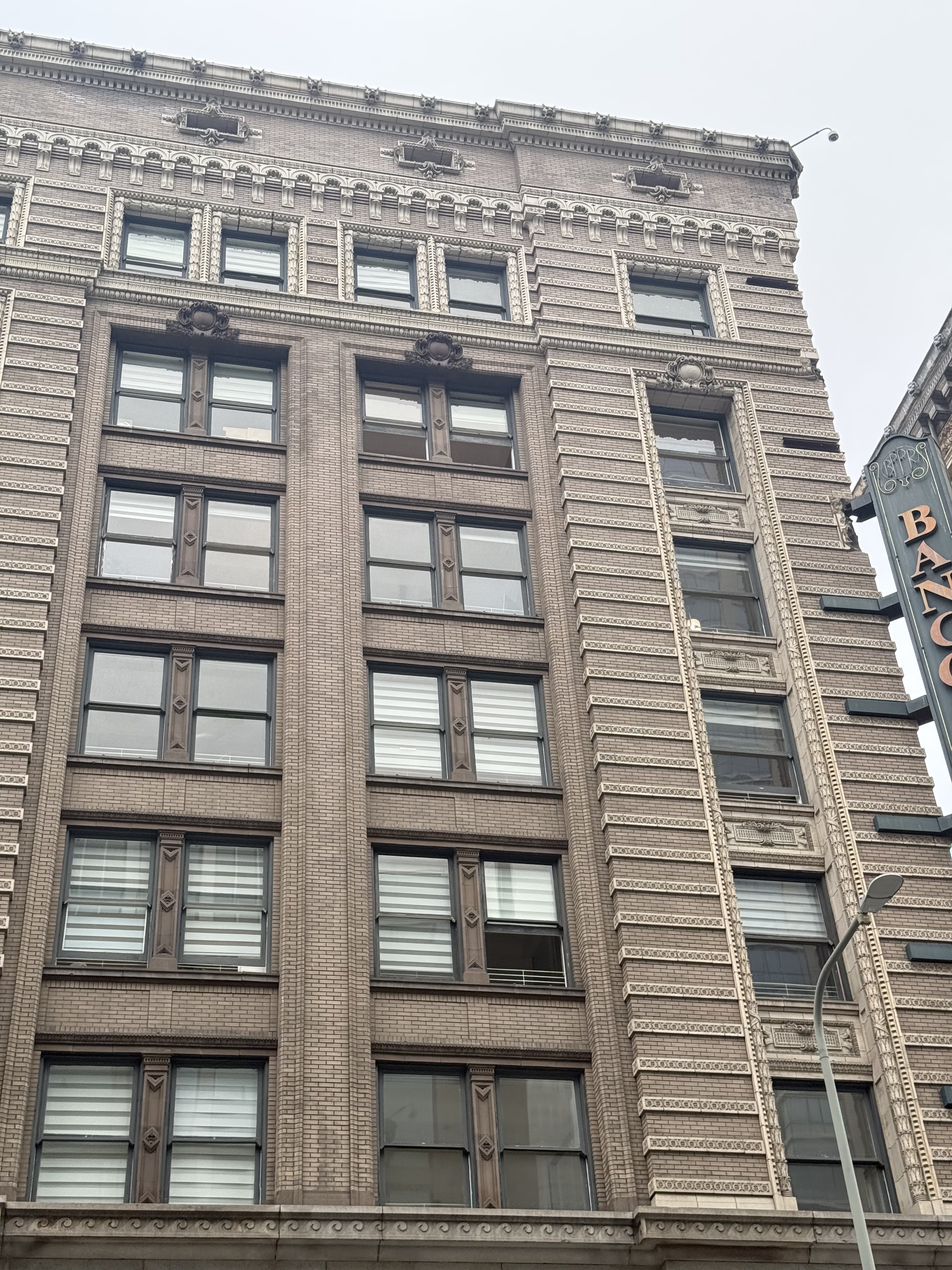
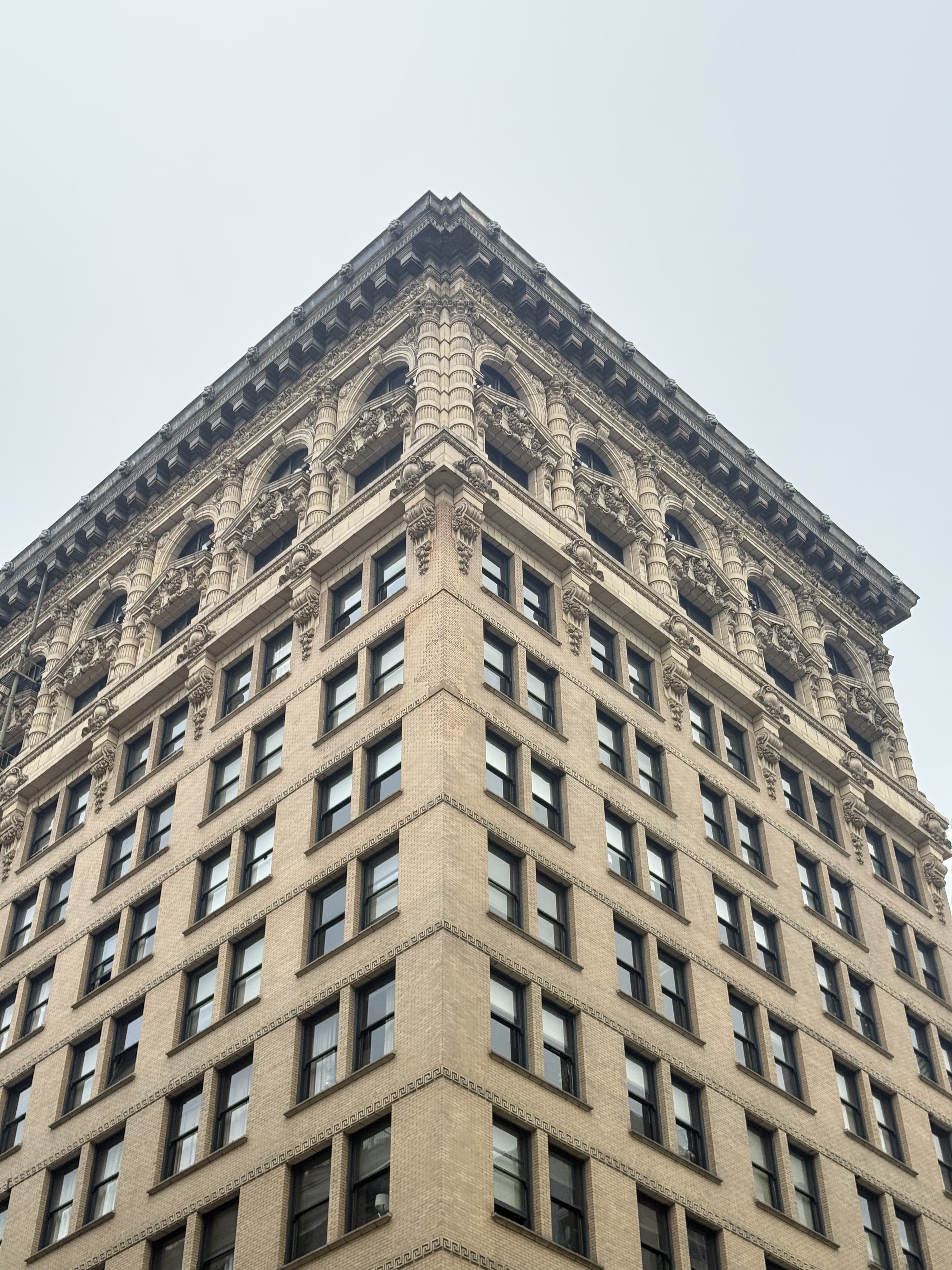
Rising from downtown Los Angeles between 1903 and 1904, the Continental Building was conceived as a speculative office tower for the city's rapidly expanding commercial district. Originally known as the Braly Block, this steel-frame structure represented the convergence of modern construction technology, elevator systems, and the booster-era confidence that was reshaping Los Angeles from a regional town into a true metropolis. The building served the professional and commercial tenants of a growing city, housing the lawyers, businessmen, and entrepreneurs who were driving the urban transformation of early 20th-century Los Angeles.
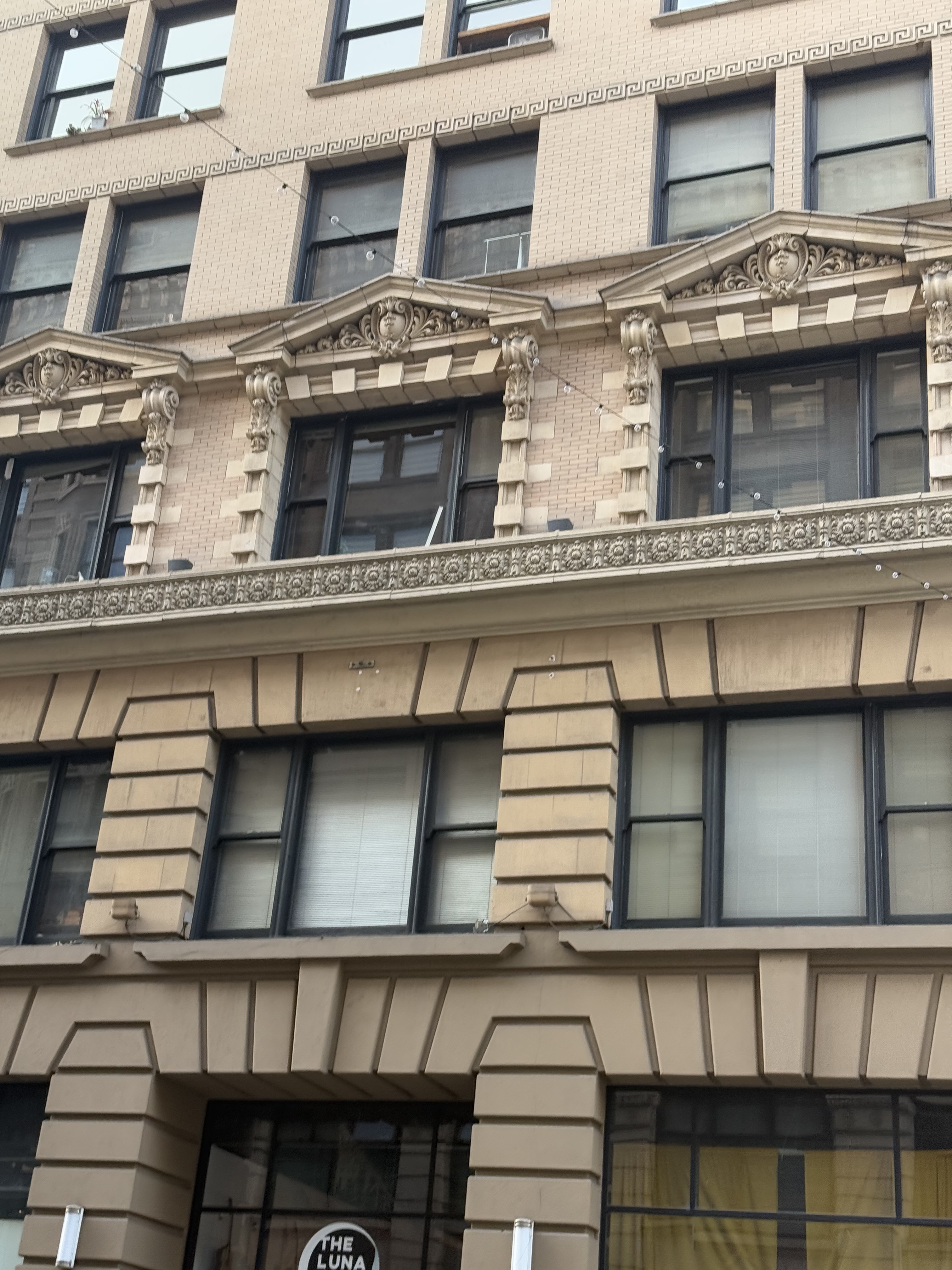
John Parkinson's design employed steel-frame construction clad in confident commercial classicism, creating a vertical composition that announced downtown's architectural ambitions. The tower's façade displays the characteristic rhythm of a modern office building, with large windows arranged in regular bays to maximize natural light for the commercial spaces within. The building's classical detailing and proportioned elevations reflect the period's preference for dignified commercial architecture, while its structural system represented the cutting-edge technology that made such heights feasible in earthquake-prone Southern California.