
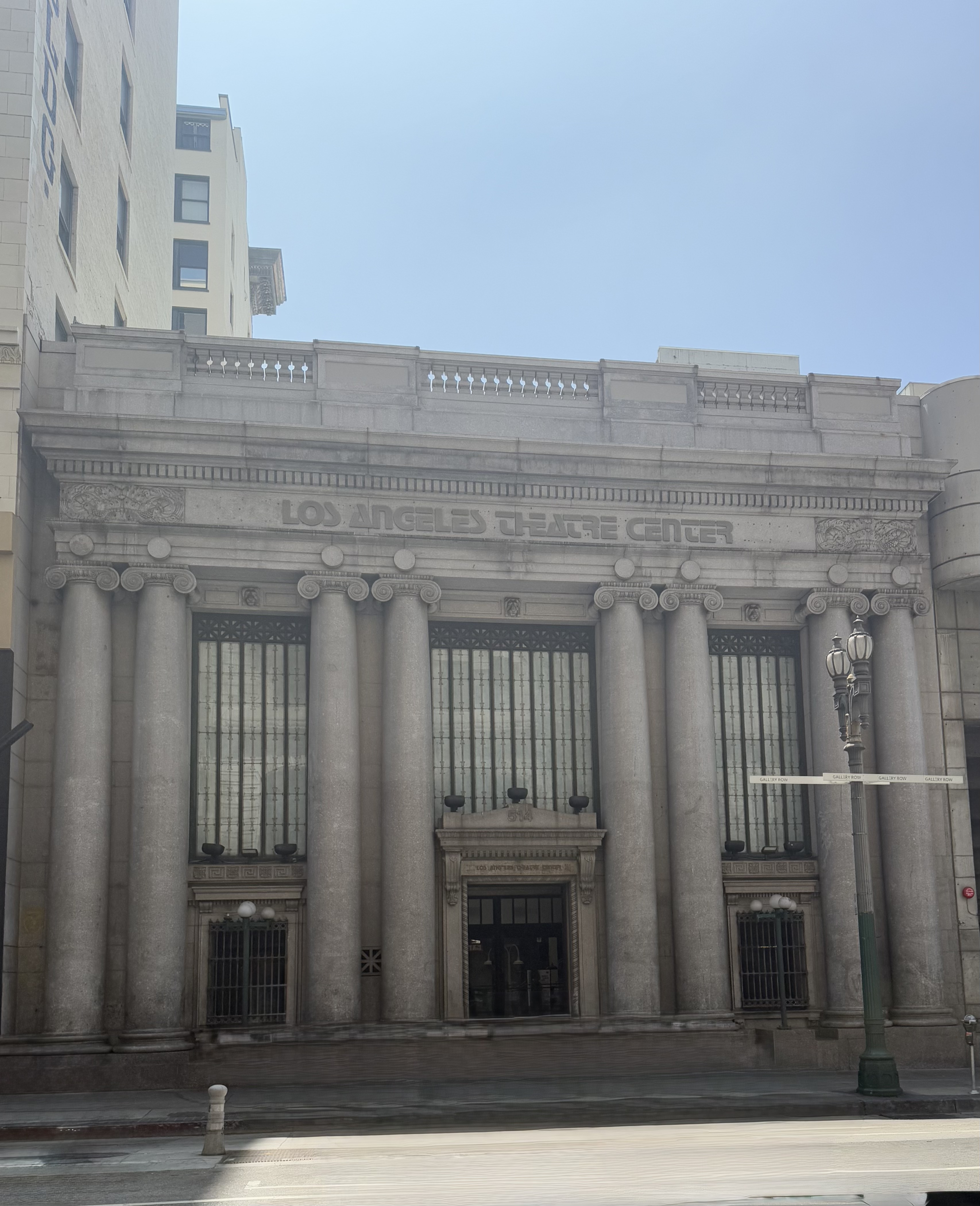
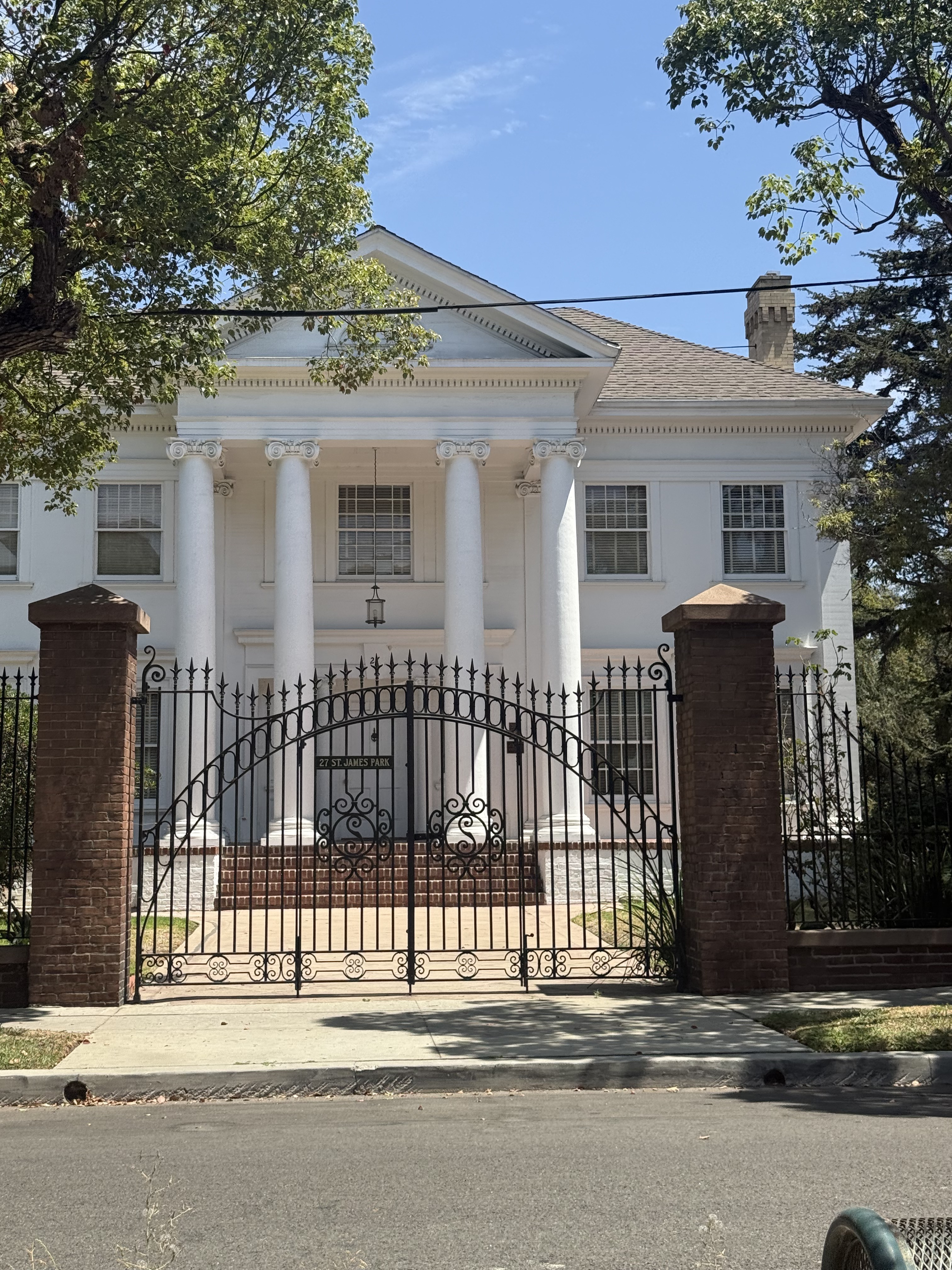
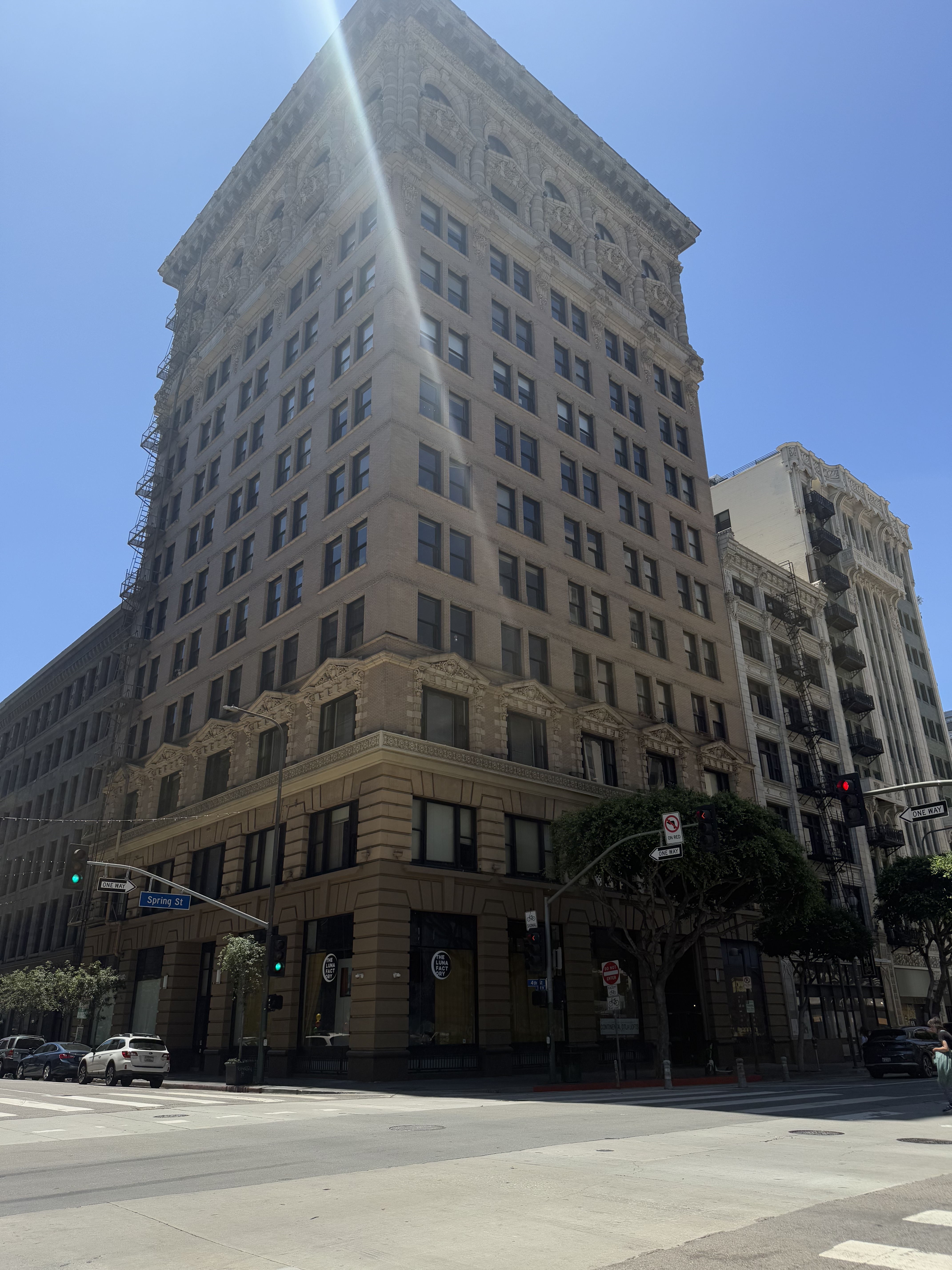
John Parkinson was a British-born architect who became one of Los Angeles' most influential builders. Born in Scorton, Lancashire, England, he apprenticed with architect Jonas J. Bradshaw in Bolton before immigrating to North America at age 21. After working in various trades across Canada and the US, he established his first architectural practice in Seattle in 1889, where he became the Seattle Schools Architect and designed important buildings including the Interurban Building.
Following the economic Panic of 1893, Parkinson relocated to Los Angeles in 1894, where he would spend the remainder of his career shaping the city's skyline. In 1920, his son Donald B. Parkinson (1895-1945) joined the firm, creating the partnership 'Parkinson & Parkinson' that would design many of LA's most iconic landmarks.
AWARDS
Won design competition for B.F. Day School, Seattle (1891)
Work included in architecture event at 1932 Summer Olympics art competition
NOTABLE WORKS
Bernard House and Barn (1901) – NRHP, LAHCM
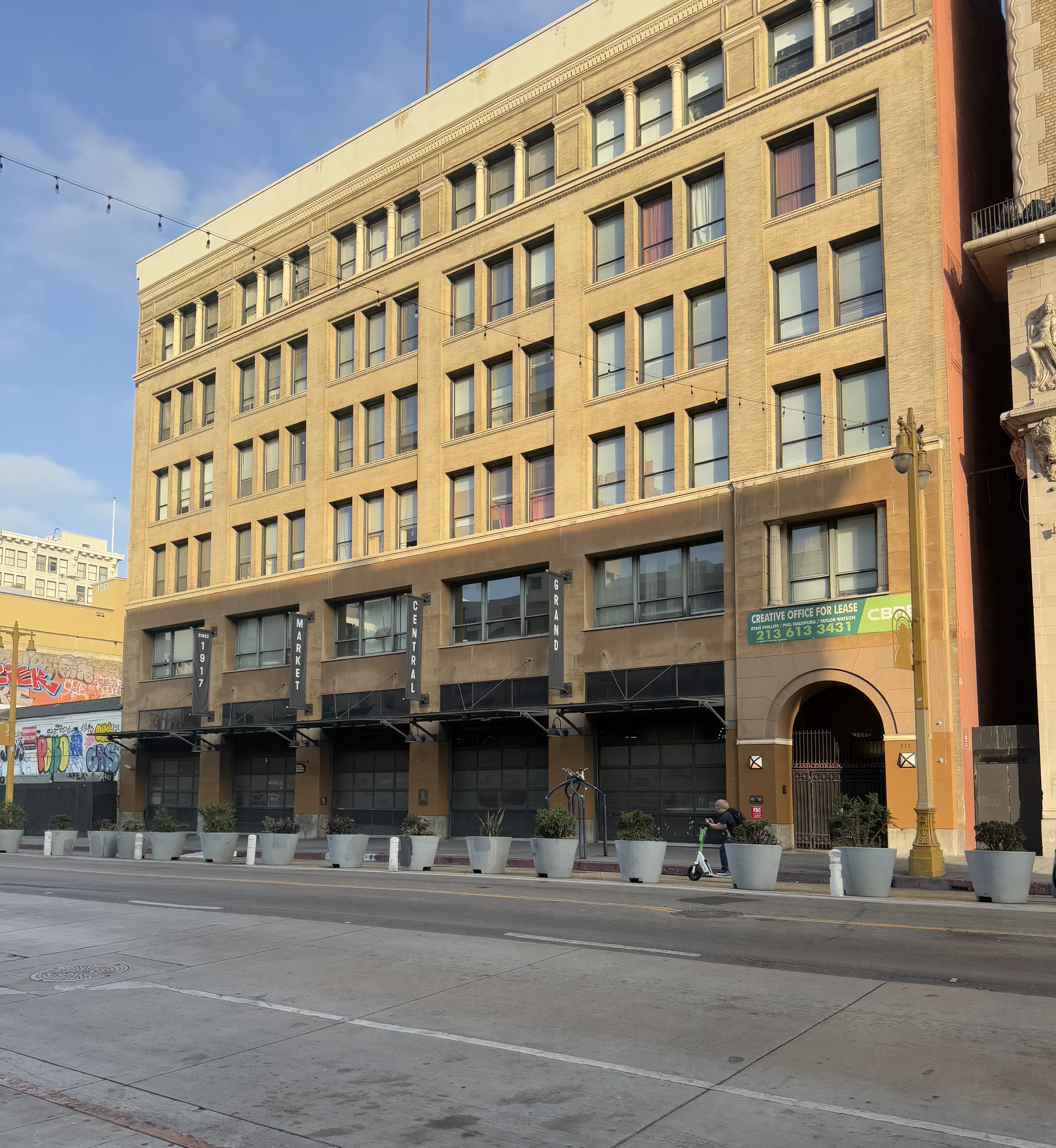
Homer Laughlin Building/ Grand Central Market (1896), Los Angeles – LAHCM #1183
Los Angeles Athletic Club (1912), Los Angeles – LAHCM
Los Angeles Memorial Coliseum (1923, expanded 1930-31), Exposition Park, Los Angeles – NHL, NRHP
Title Insurance and Trust Building (1928), Los Angeles – NRHP, LAHCM
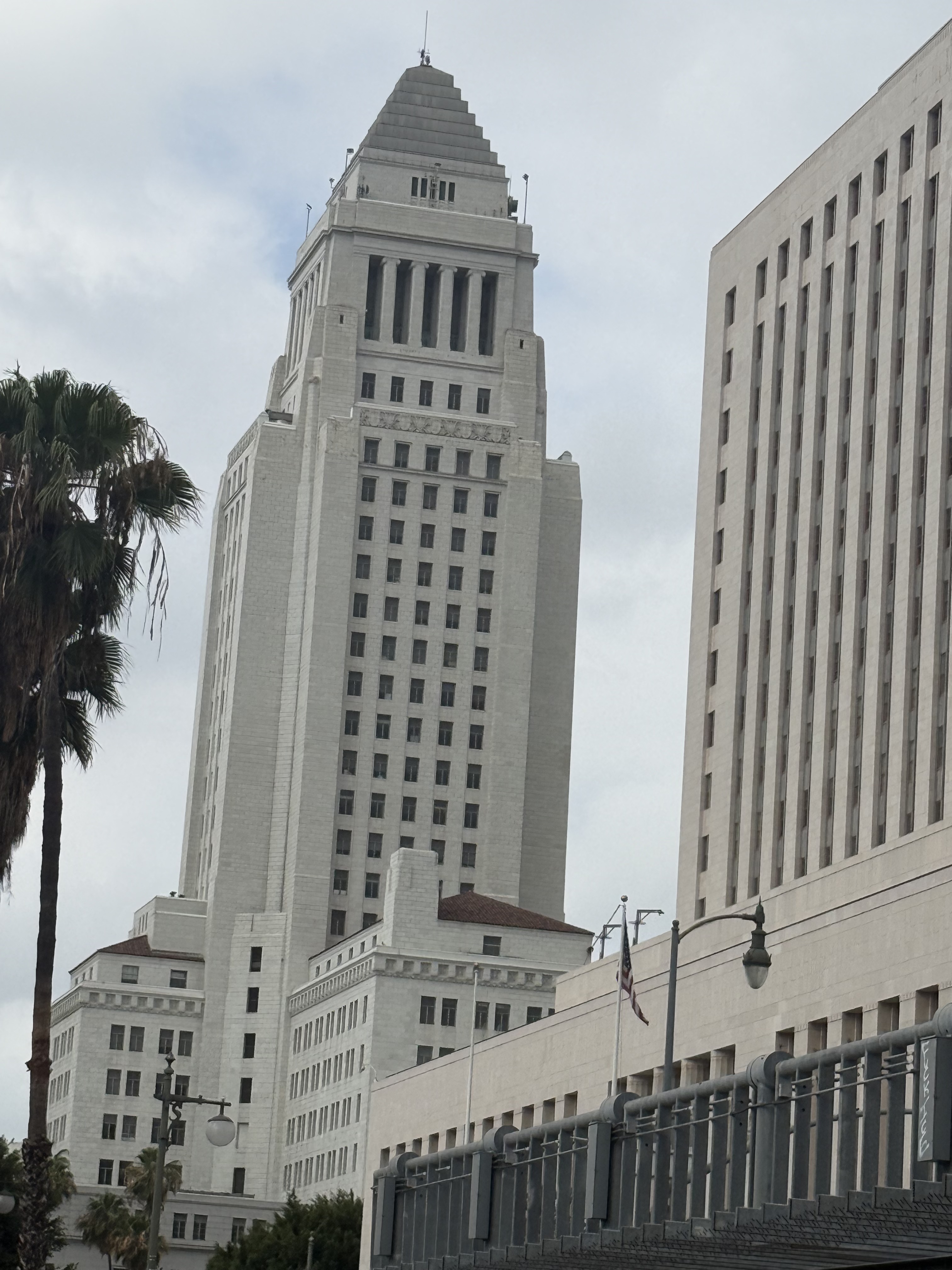
Los Angeles City Hall (1928), Los Angeles – NRHP, LAHCM
Bullocks Wilshire (1929), Los Angeles – NRHP, LAHCM #56
Los Angeles Union Station (1939), Los Angeles – NRHP, LAHCM #101
LEGACY
President, Southern California Chapter of American Institute of Architects (1904-1905)
Appointed Seattle Schools Architect and Superintendent (1891)
First architect to design Los Angeles' first Class "A" fireproof building (Homer Laughlin, 1896)
First skyscraper in Los Angeles (Braly Block, 1904)