
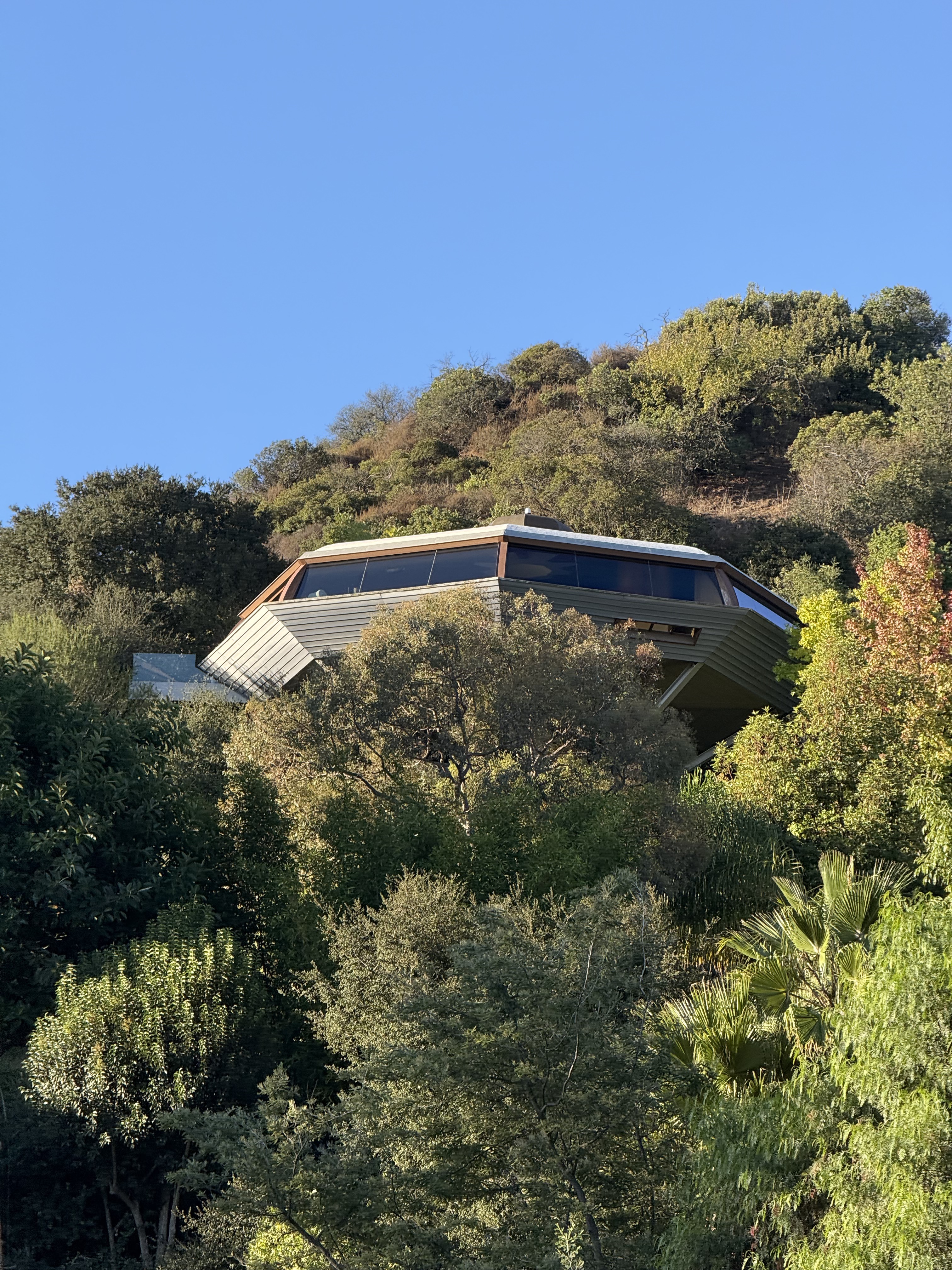
John Edward Lautner, AIA was an American architect born in Marquette, Michigan, to a culturally rich family—his father was a philosophy professor and his mother an interior designer and painter. After studying Liberal Arts at Northern State Teachers College, Lautner joined Taliesin Fellowship in 1933, where he worked as an apprentice until 1938. Rather than focusing on drafting, he preferred hands-on work as “carpenter, plumber, farmer, cook, and dishwasher,” believing this was the real way to learn architecture. He moved to Los Angeles in 1938 to establish his independent practice, initially collaborating with Frank Lloyd Wright on several Los Angeles projects. Lautner was married three times—first to Mary Faustina Roberts (1934–1947), then to Elizabeth Gilman (1948–1978), and finally to Francesca (1982). He obtained his architectural license in 1952 and worked primarily on residential projects in Southern California until his death in 1994.
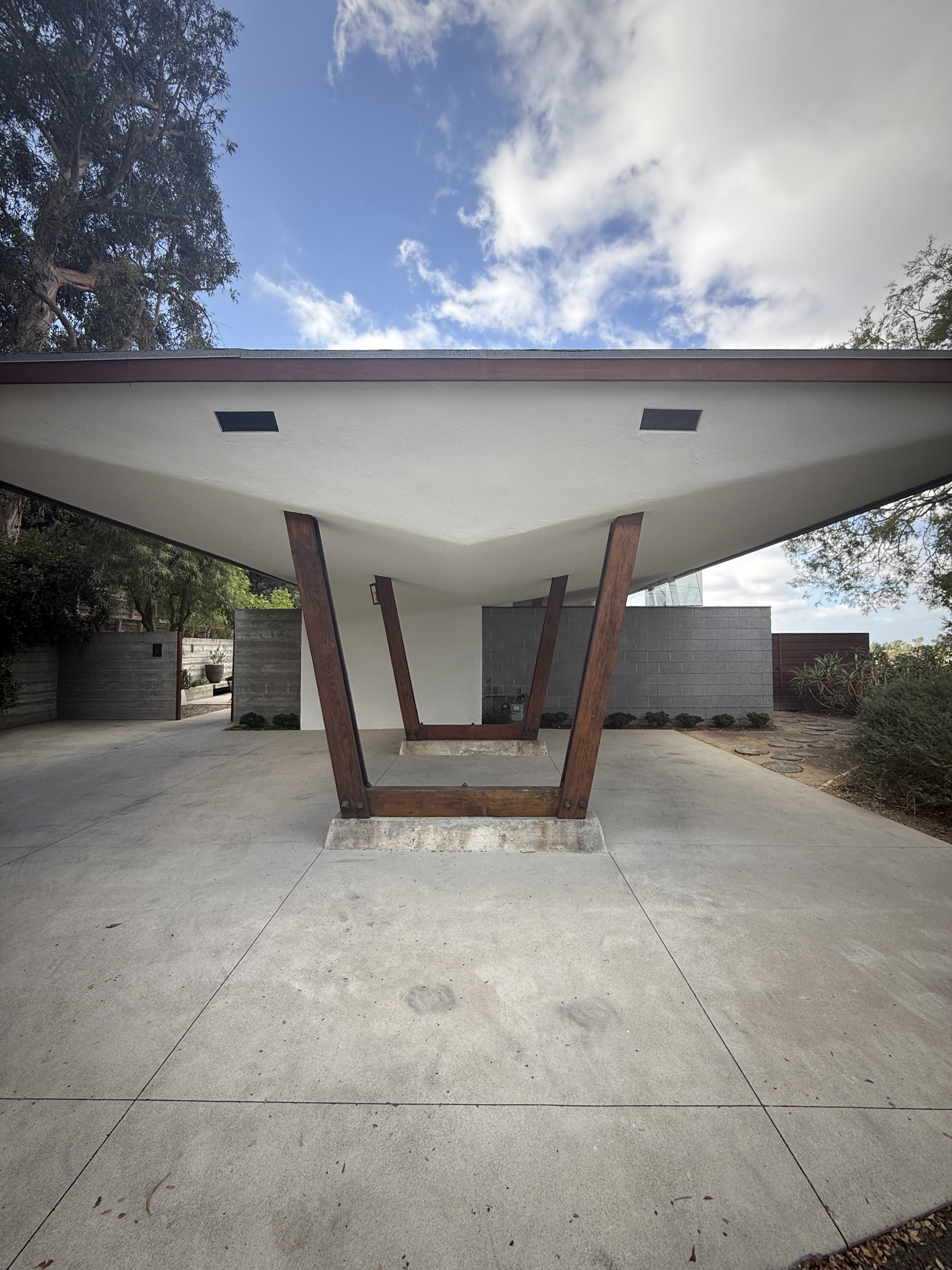
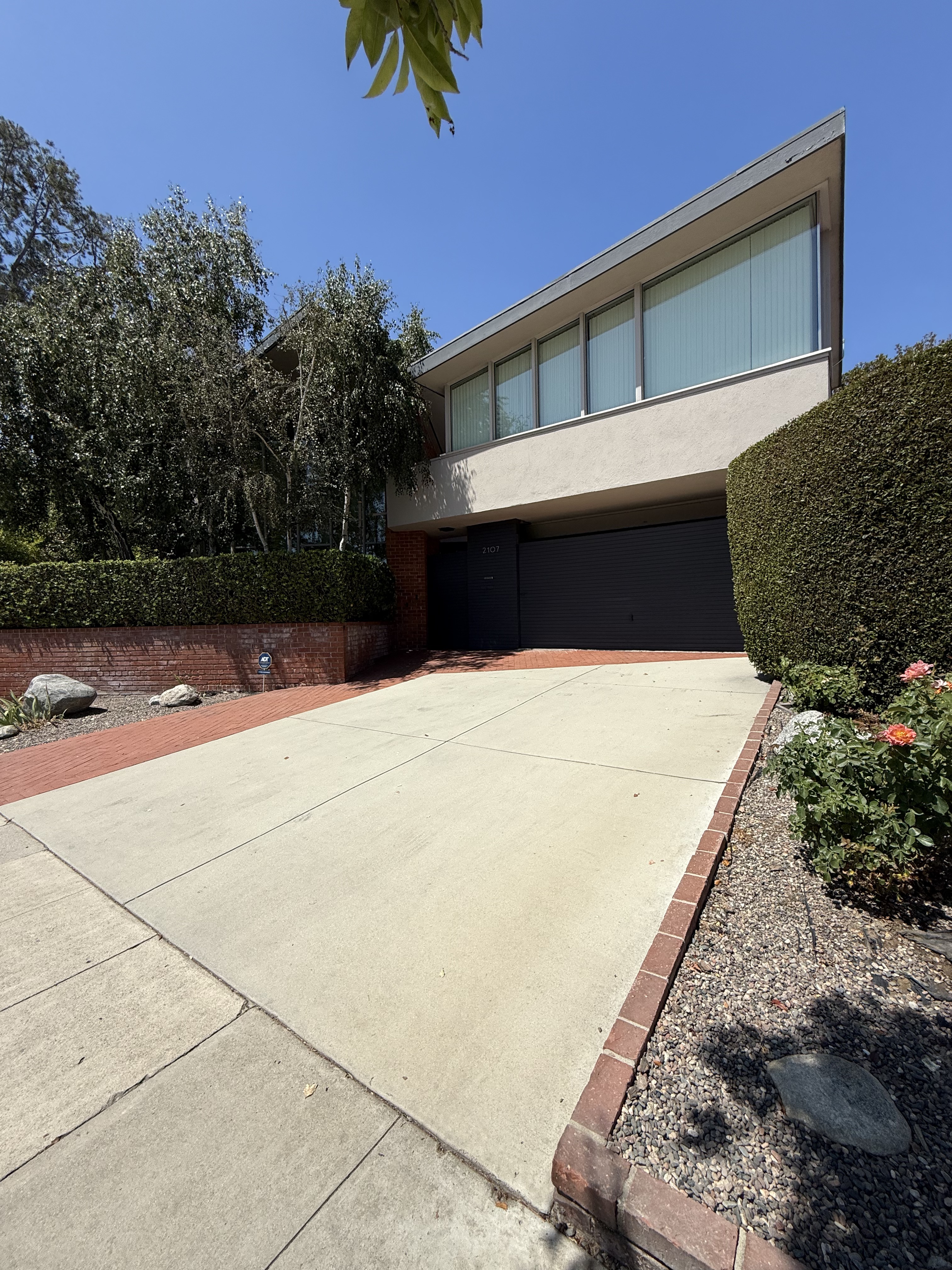
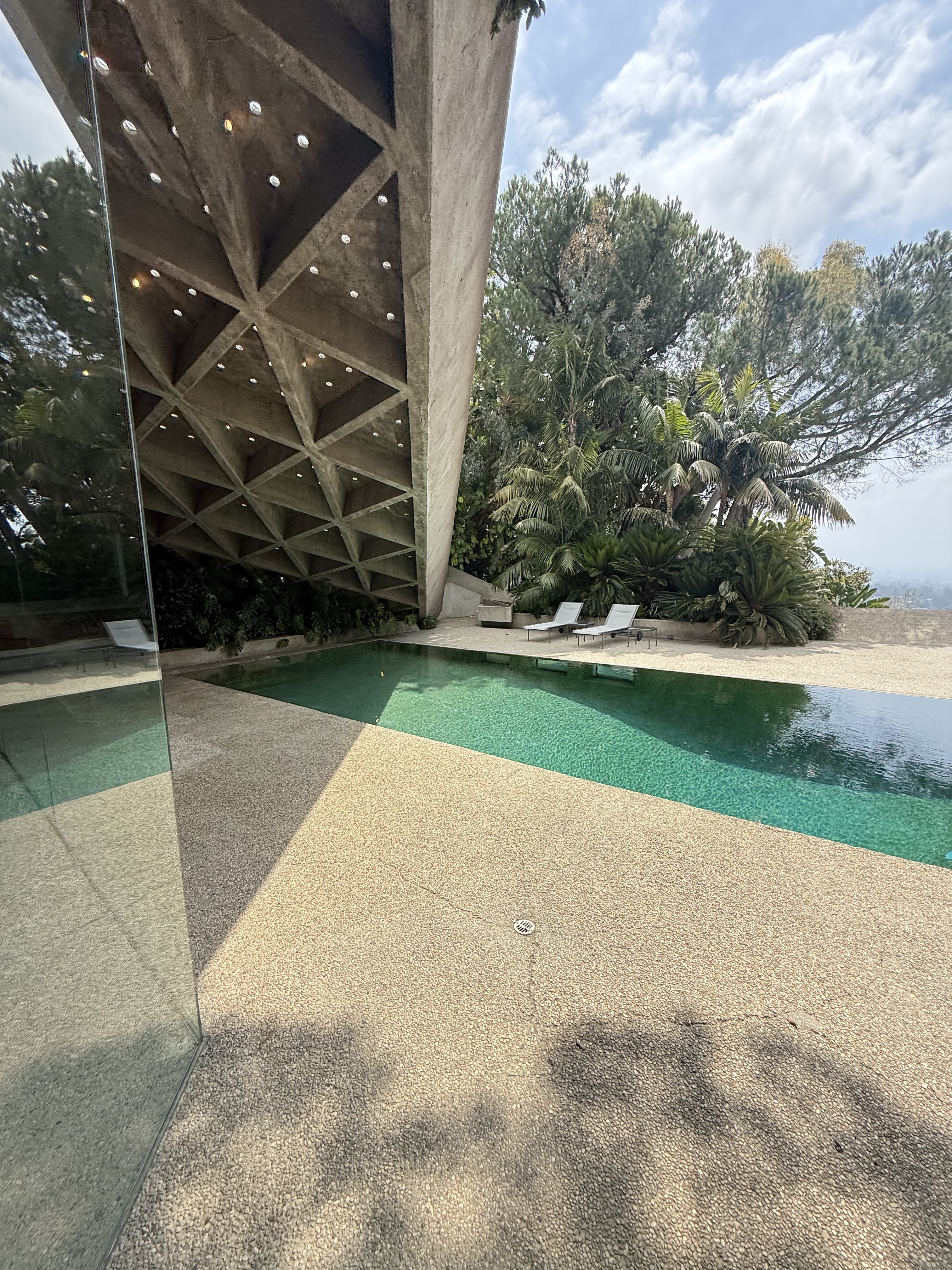
Lautner’s architectural philosophy was deeply rooted in Wright’s principles of organic architecture, emphasizing the idea of a “total concept” rather than an assembly of stylistic gestures. His work focused on the relationship between humans, space, and nature, with particular sensitivity to site, landscape, and the integration of water and terrain. He consciously developed his own distinctive style, avoiding direct imitation of Wright while maintaining core principles. Though not formally part of the Googie movement, Lautner helped shape its futuristic spirit through his 1949 design for Googie's Coffee Shop, whose dramatic cantilever, expressive structure, and bold signage became a catalyst for what critics later termed Googie architecture. That same sense of motion and optimism carried into his residential work, where soaring rooflines, exposed structure, and expansive glass transformed houses into dynamic, site-responsive environments.
AWARDS
Fellow of the American Institute of Architects (FAIA) for Excellence of Design (1970)
Gold Medal from Los Angeles AIA Chapter for lifetime achievement (1993)
Los Angeles Conservancy Award (posthumously for Chemosphere restoration)
NOTABLE WORKS
Lautner House (1940), Silver Lake – NRHP
Carling House (1947-1948), Hollywood Hills – NRHP
Schaffer House (1949), Glendale – NRHP
Harvey House (1950), Hollywood Hills – NRHP
Harpel Residence (1956), Hollywood Hills – NRHP, LAHCM #896
Pearlman Cabin (1957), Idyllwild, CA – NRHP
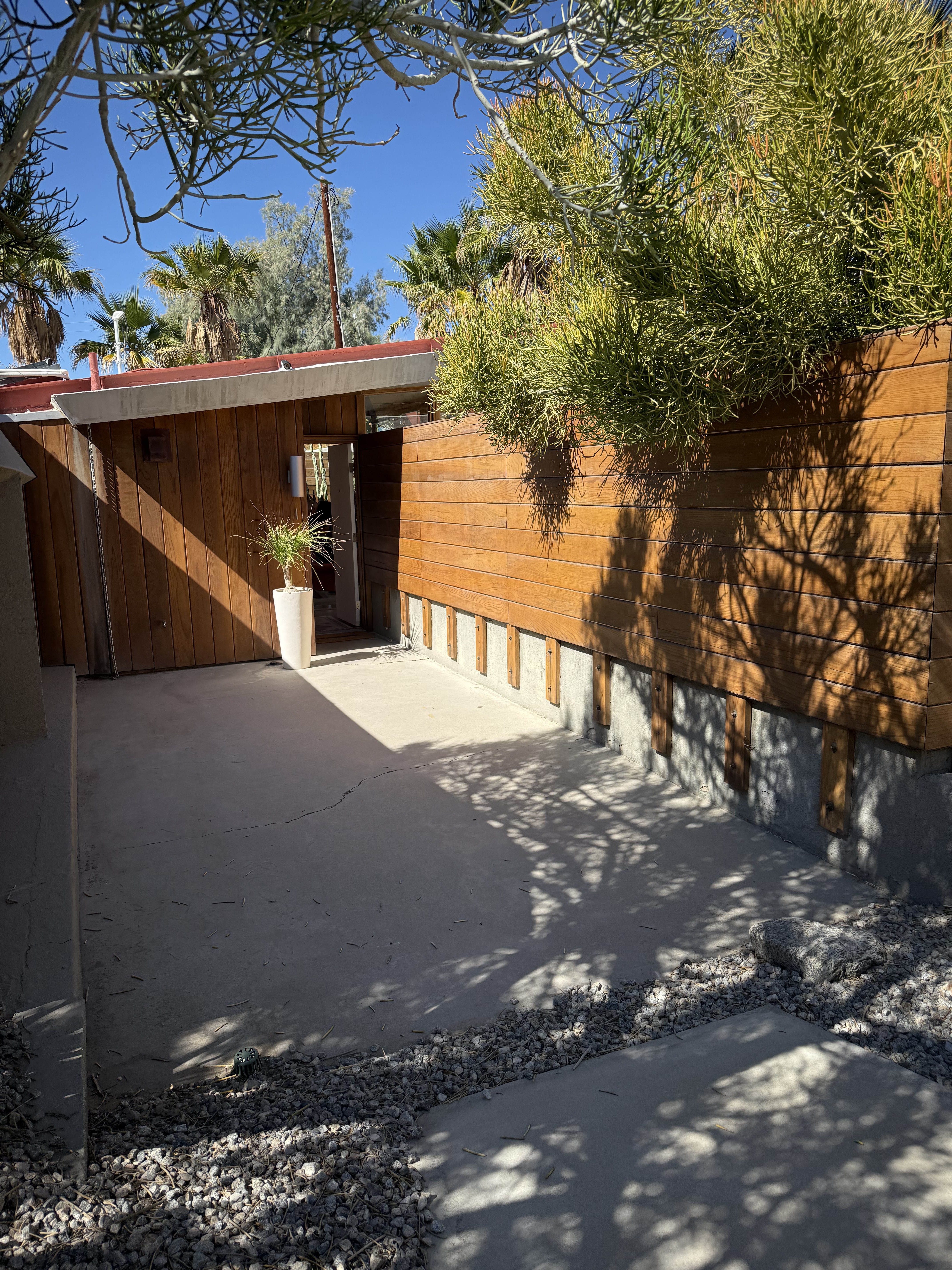
Elrod House (1968), Palm Springs – NRHP
Walstrom House (1969), Beverly Glen – NRHP
Stevens House (1968), Malibu – NRHP
Mauer House (1947), Los Angeles – LAHCM
Sheats Apartments (1948), Los Angeles – LAHCM, World Heritage Site
Salkin House (1948), Echo Park – LAHCM #1111
Midtown School (1960), Los Feliz – LAHCM #553
Chemosphere/ Malin House (1960), Los Angeles – LAHCM
Residence (1961), Hollywood Hills – LAHCM #852
Garcia "Rainbow" House (1962), Los Angeles – LAHCM #785
Harpel House, Hollwodd Hills – LAHCM #1080
LEGACY
Appointed Olympic Architect for 1984 Summer Olympic Games in Los Angeles