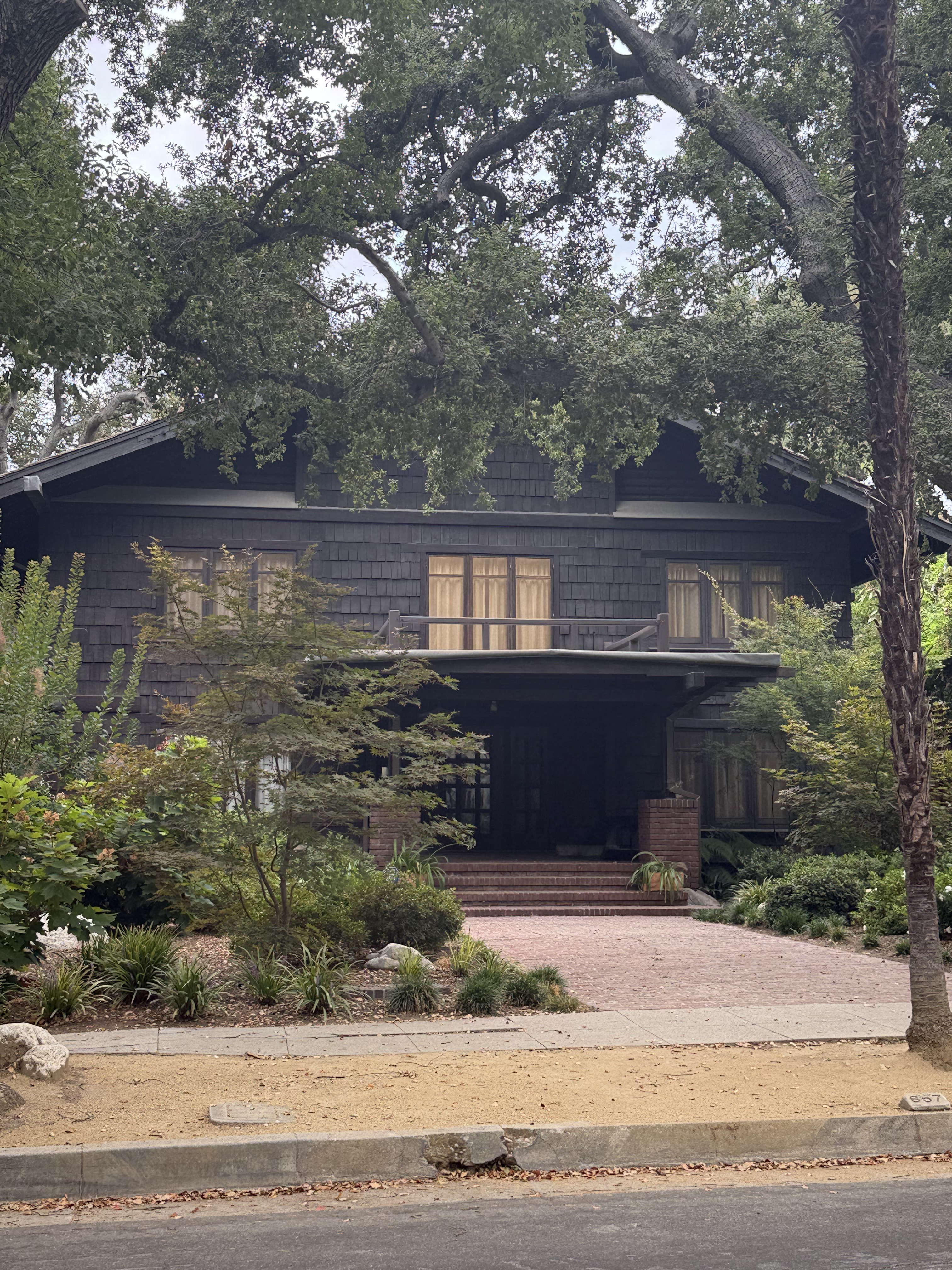
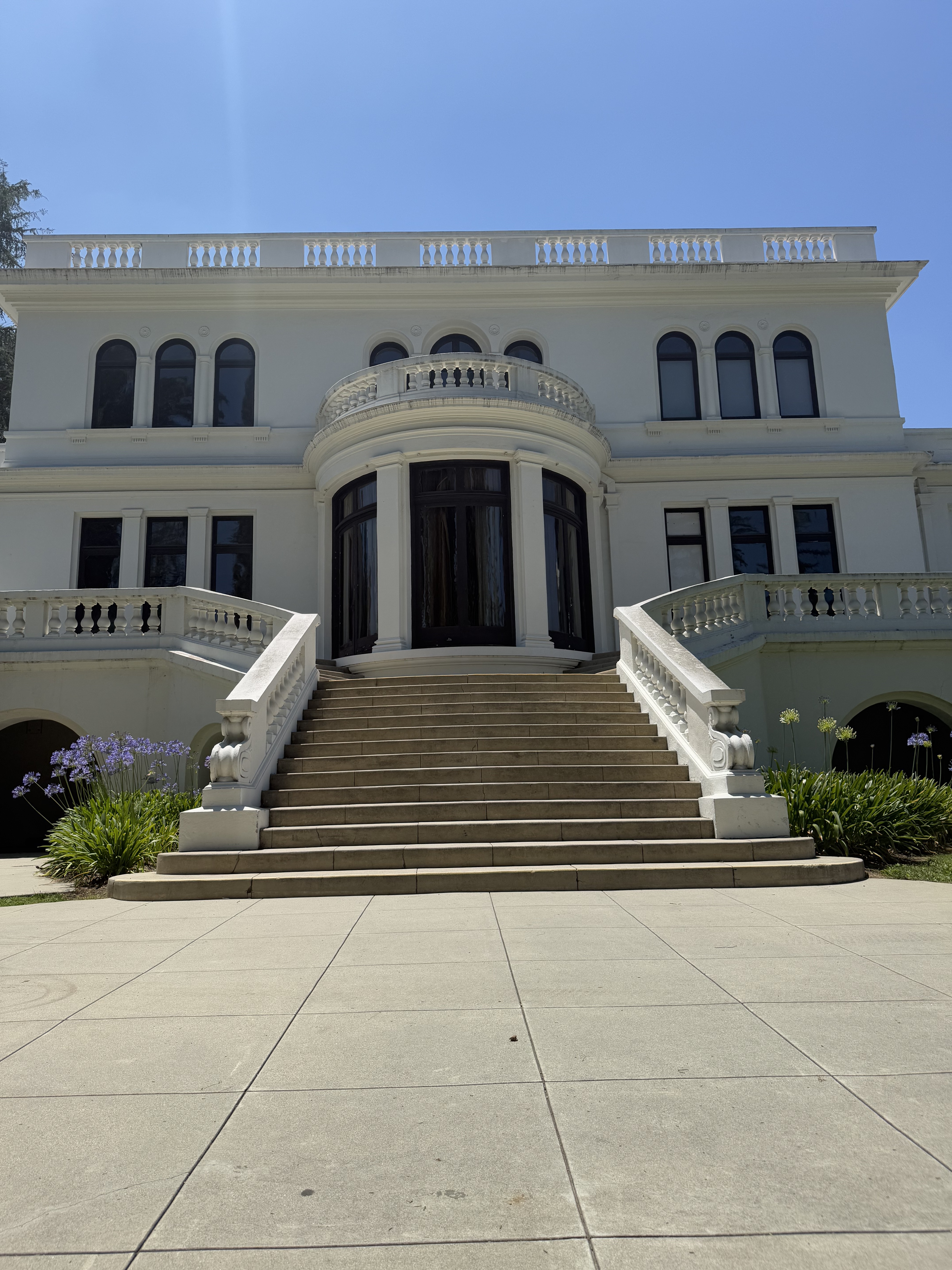
Commissioned by Dr. Adalbert Fényes, a Hungarian physician and entomologist, and his wife Eva Scott Muse Fényes, a prolific watercolor artist, this Beaux Arts mansion rose on the north end of Orange Grove Boulevard's famed Millionaire's Row in 1907. Architect Robert D. Farquhar designed the residence in 1905, incorporating the foundation of an 1885 home destroyed by fire and creating a 10,162-square-foot villa that would serve as both family residence and cultural salon for Pasadena's elite. The Fényes family, who had met in Cairo and married in Budapest before settling in Pasadena in 1897, completed the home for $20,325 and immediately established it as a gathering place for prominent artists, writers, musicians, and scientists. The estate's grandeur and strategic location made it a natural choice for early Hollywood productions, hosting film sets for Douglas Fairbanks and D.W. Griffith.
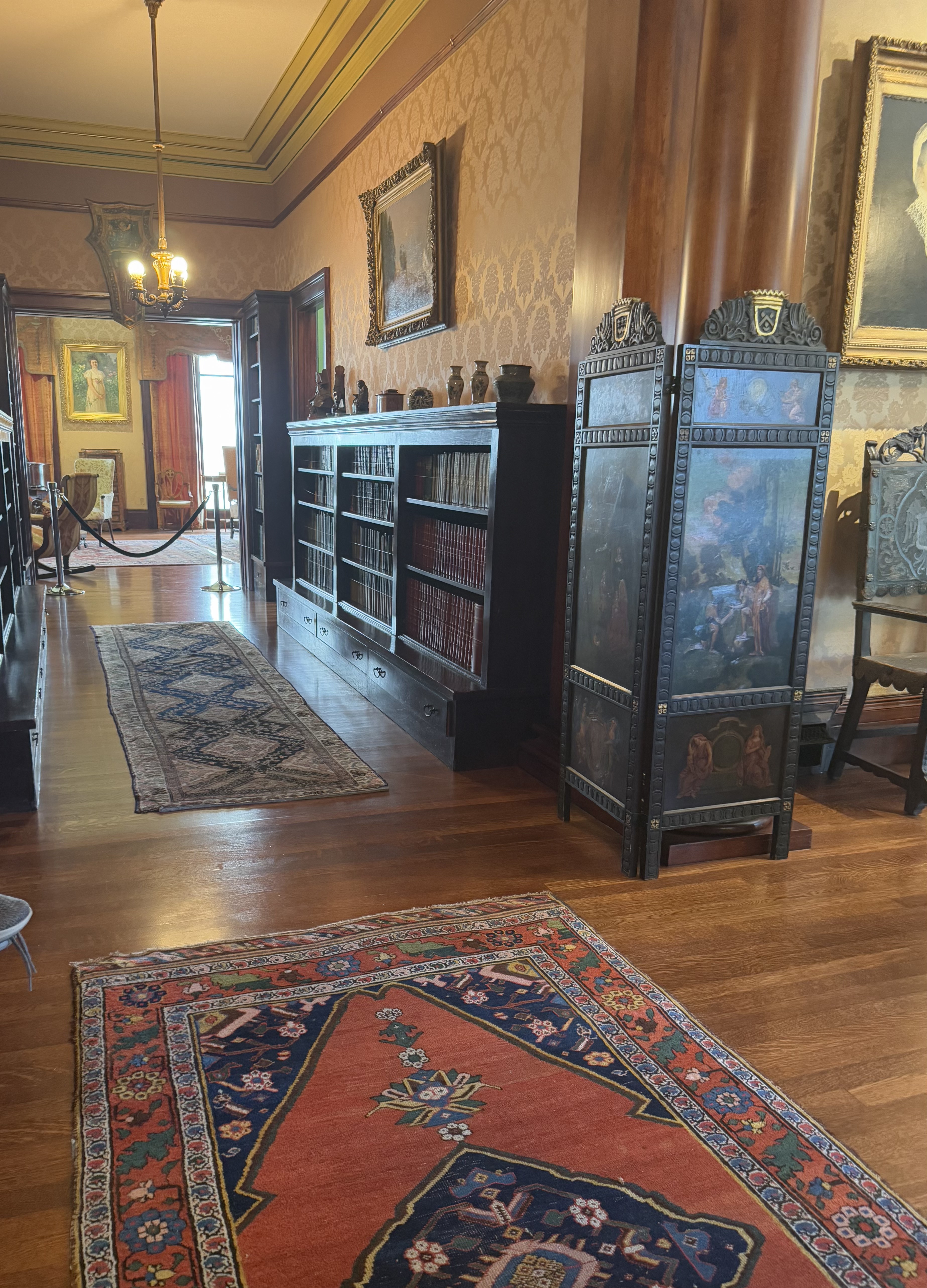
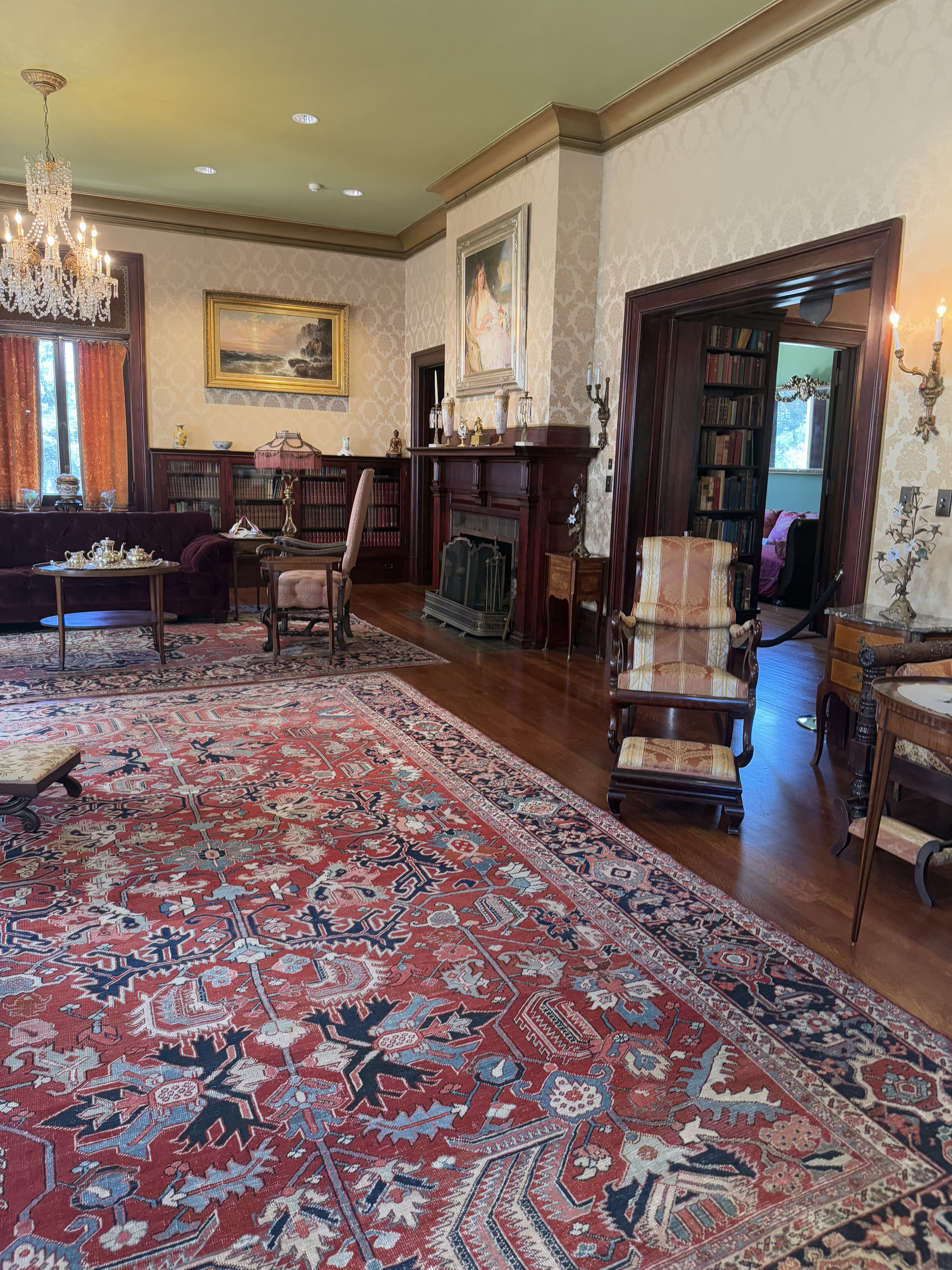
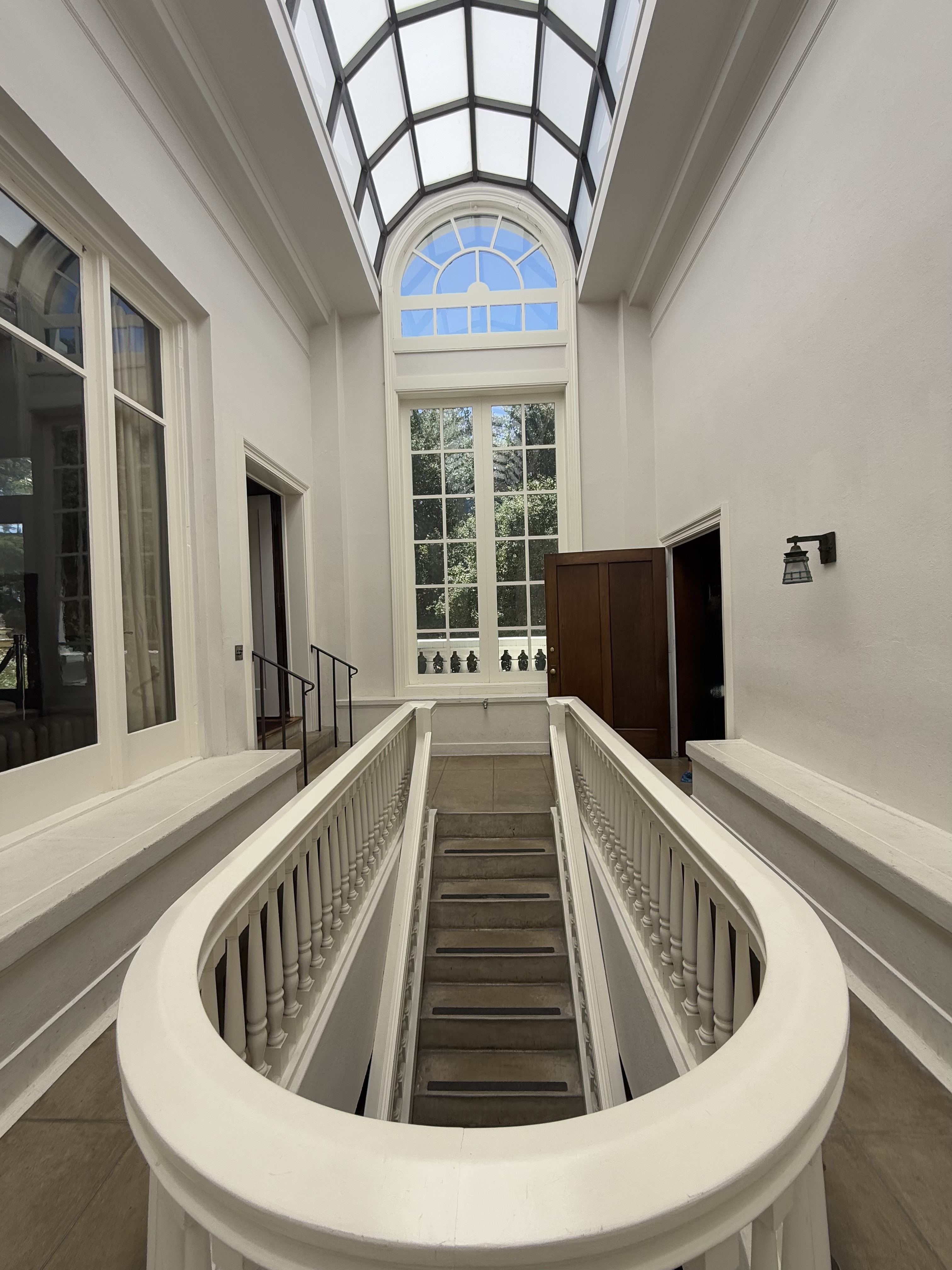
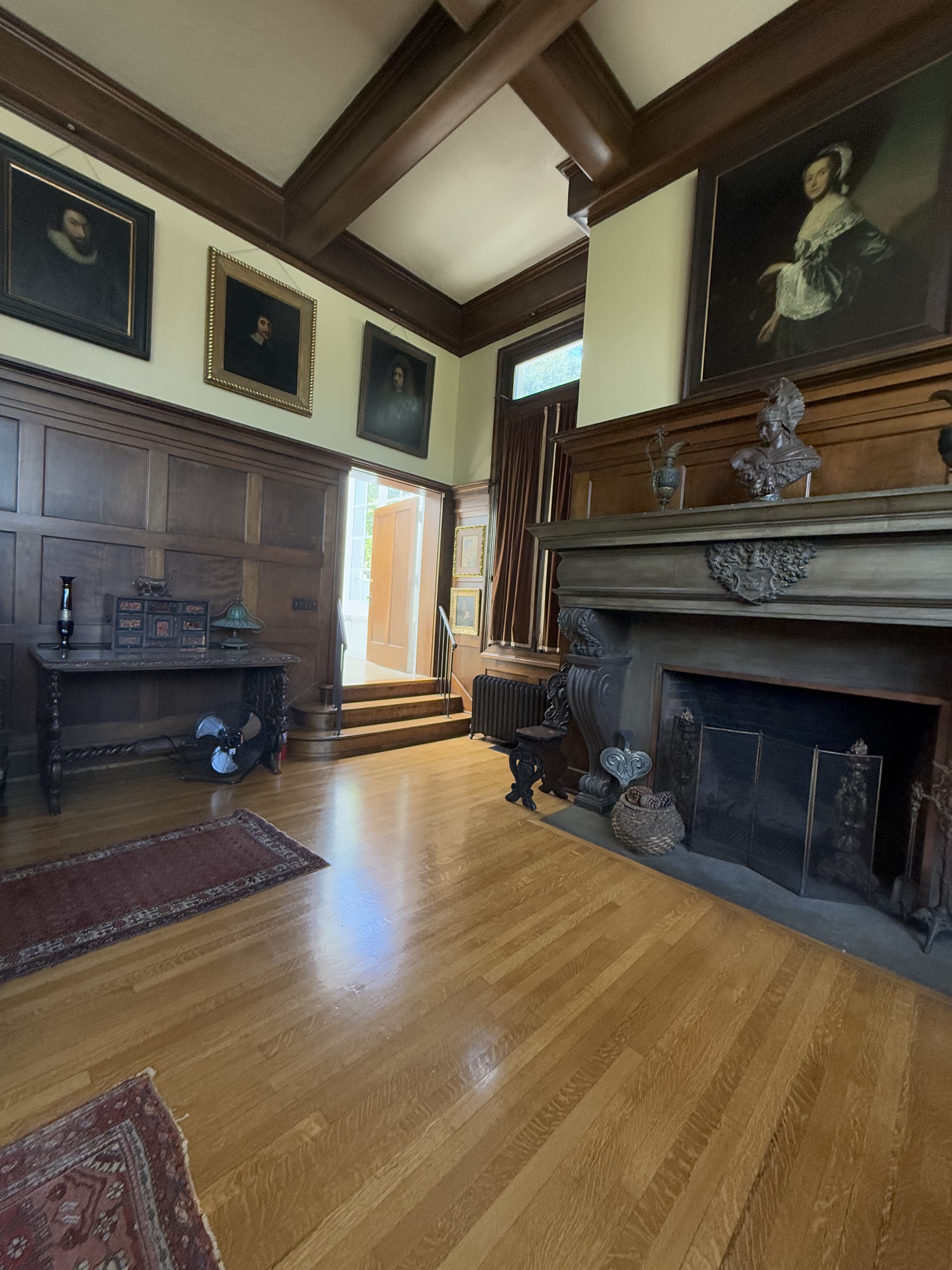
The three-story residence presents a flat-roofed main block with a central section flanked by two-story wings, its wood frame and stucco exterior detailed in the classical vocabulary of Beaux Arts architecture. Eighteen rooms include a grand foyer, drawing room, formal dining room, butler's pantry, upstairs sitting room, six bedrooms, and five and one-half bathrooms, their interiors largely unchanged from their original early 1900s condition with Oriental rugs, antique furnishings, and decorative objects intact. Sylvanus Marston designed a 1911 two-story concrete addition containing a laboratory, study, and barrel-vaulted solarium that expanded the home's scientific and artistic functions. The two-acre campus includes the 1915 Curtin House by Marston & Van Pelt and a Swiss chalet-style building originally constructed as a garage in 1910, later remodeled by Frederick Roehrig to house the Finnish Folk Art Museum.