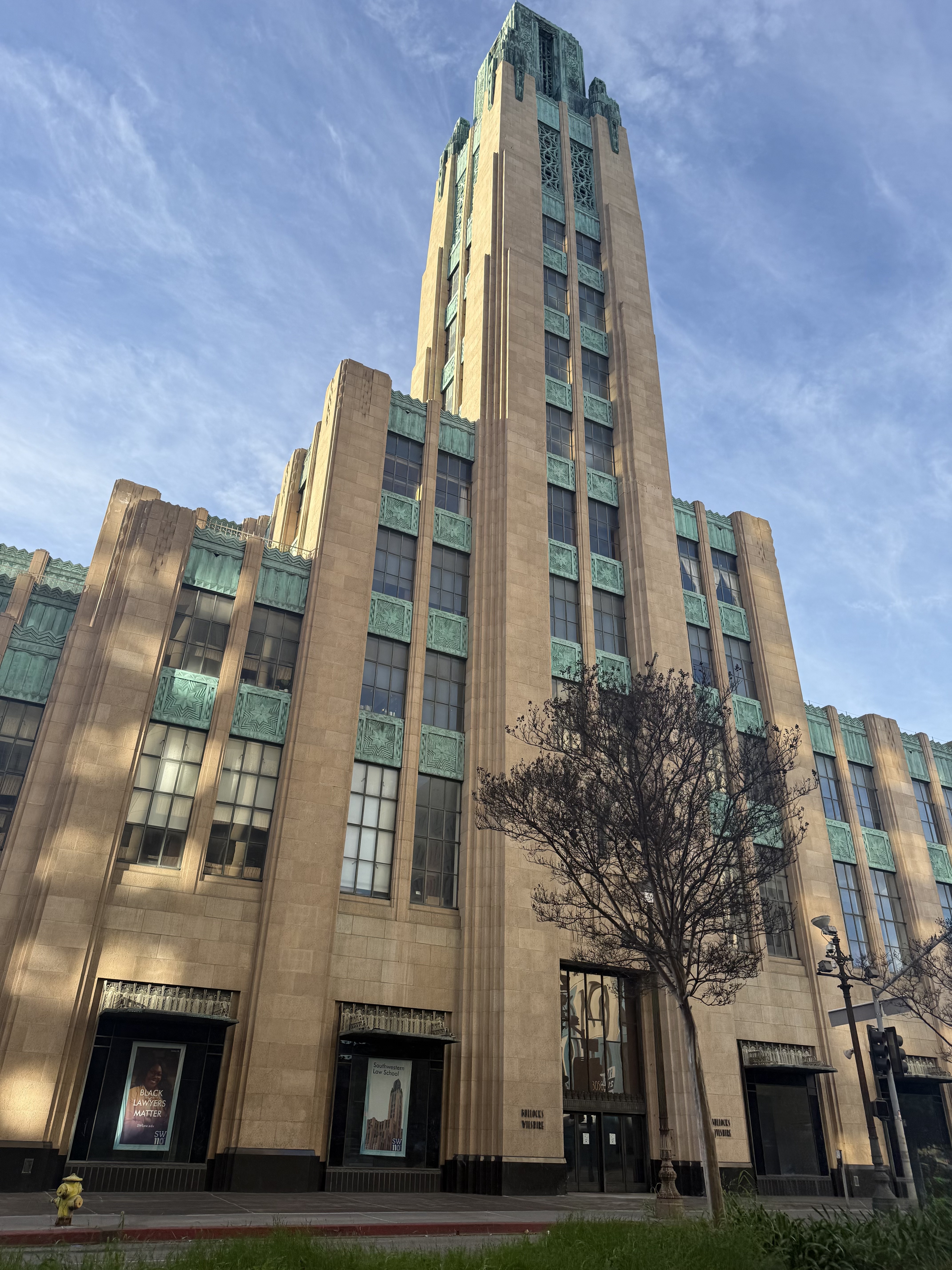
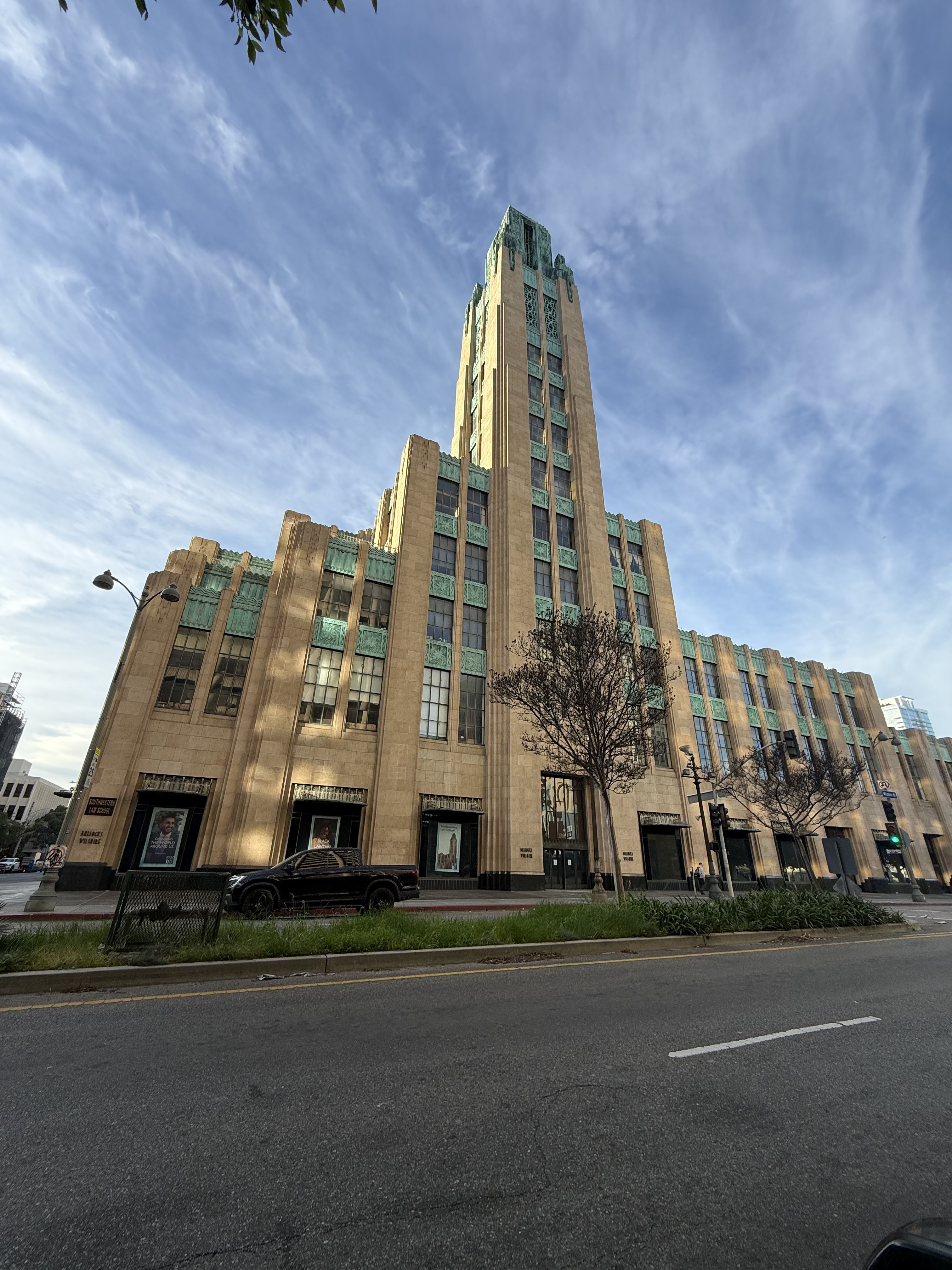
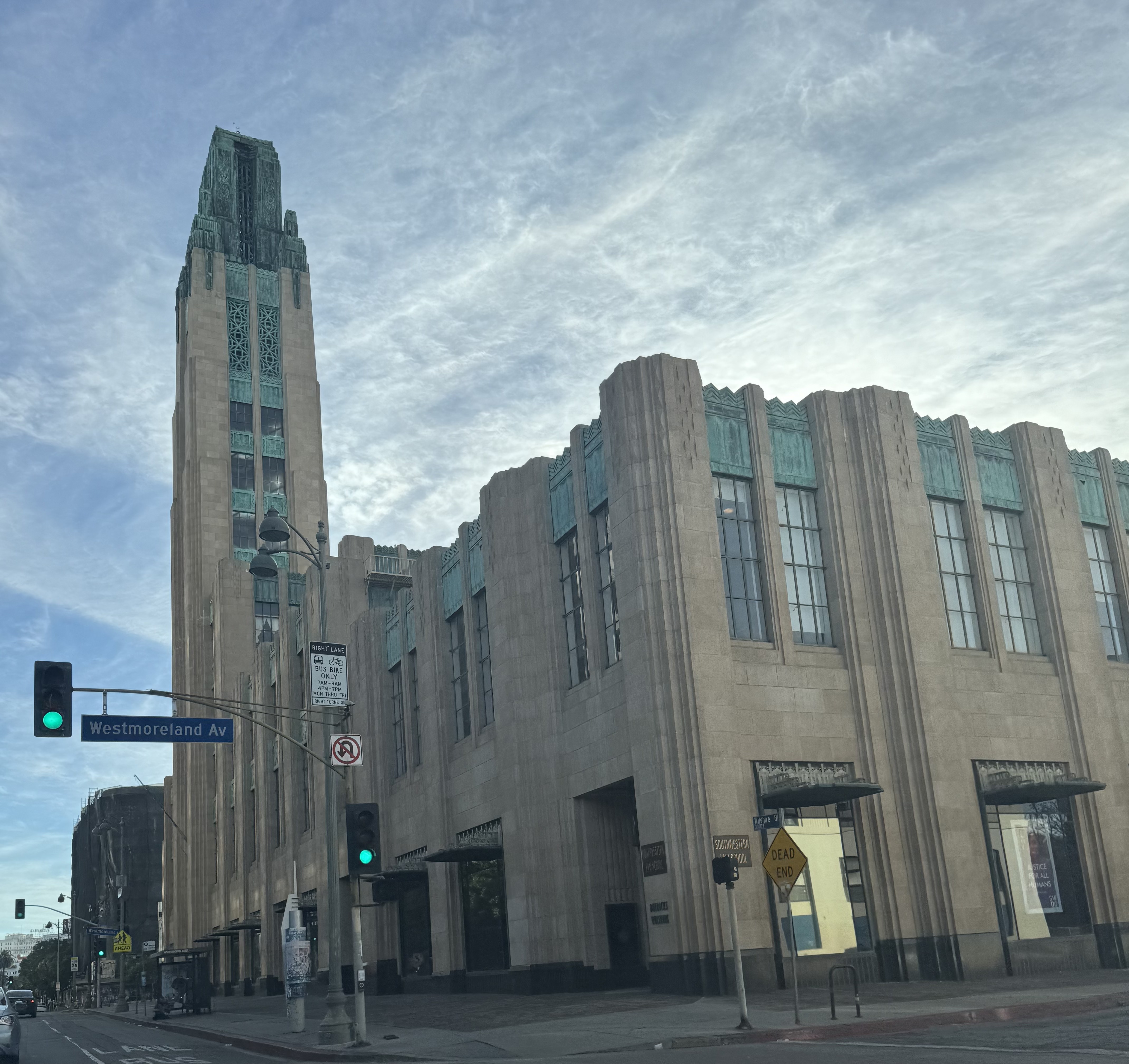
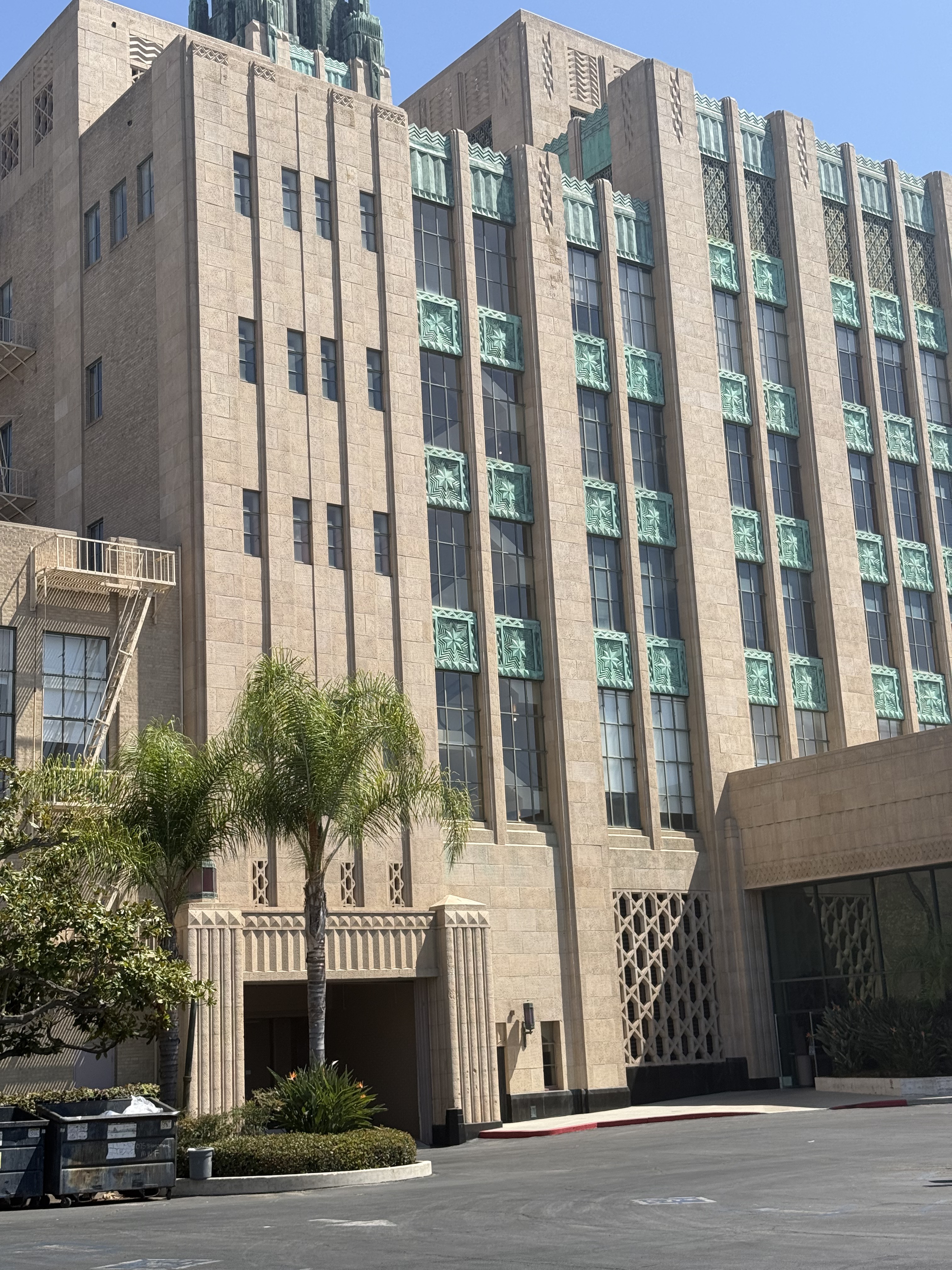
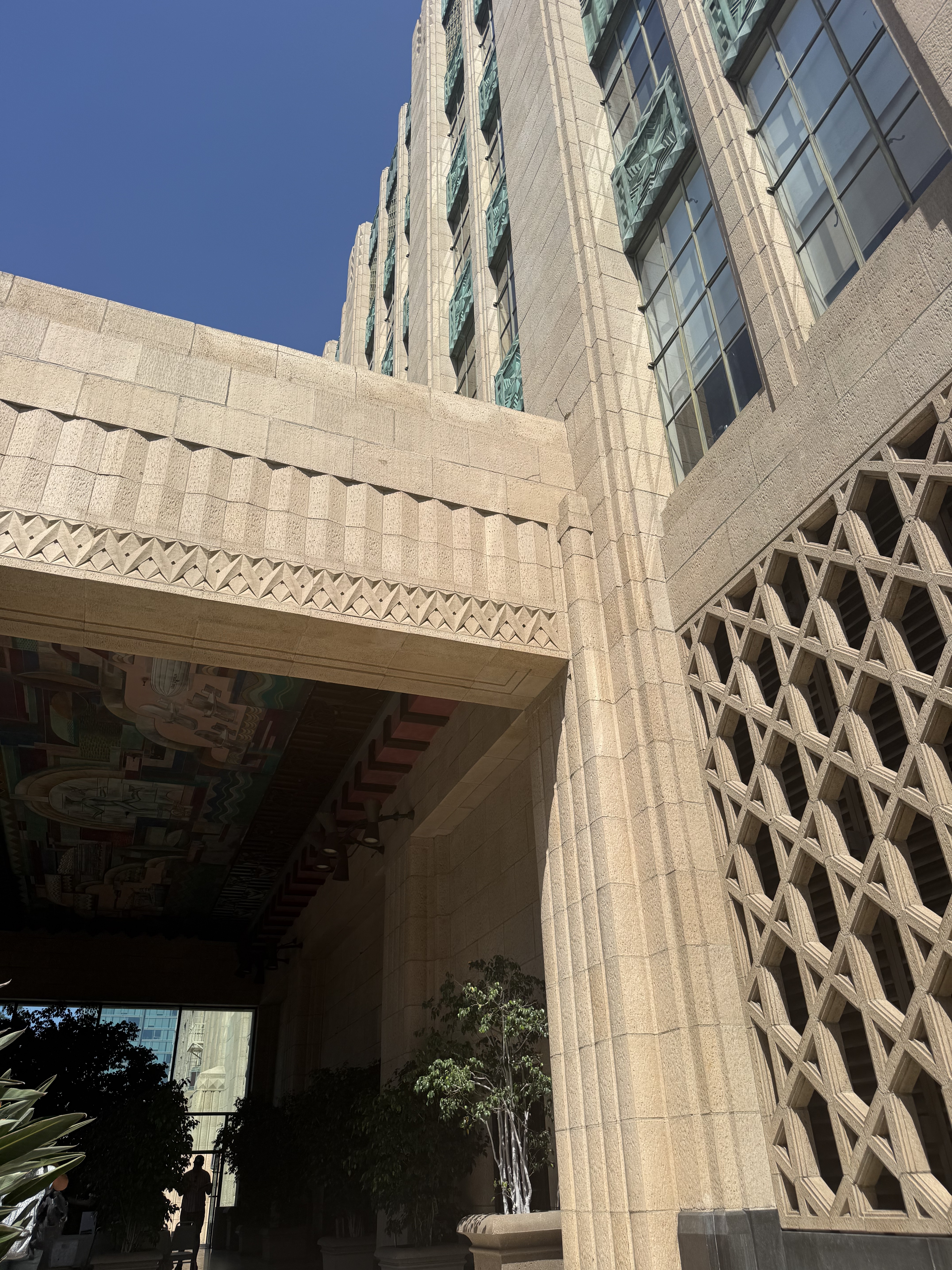
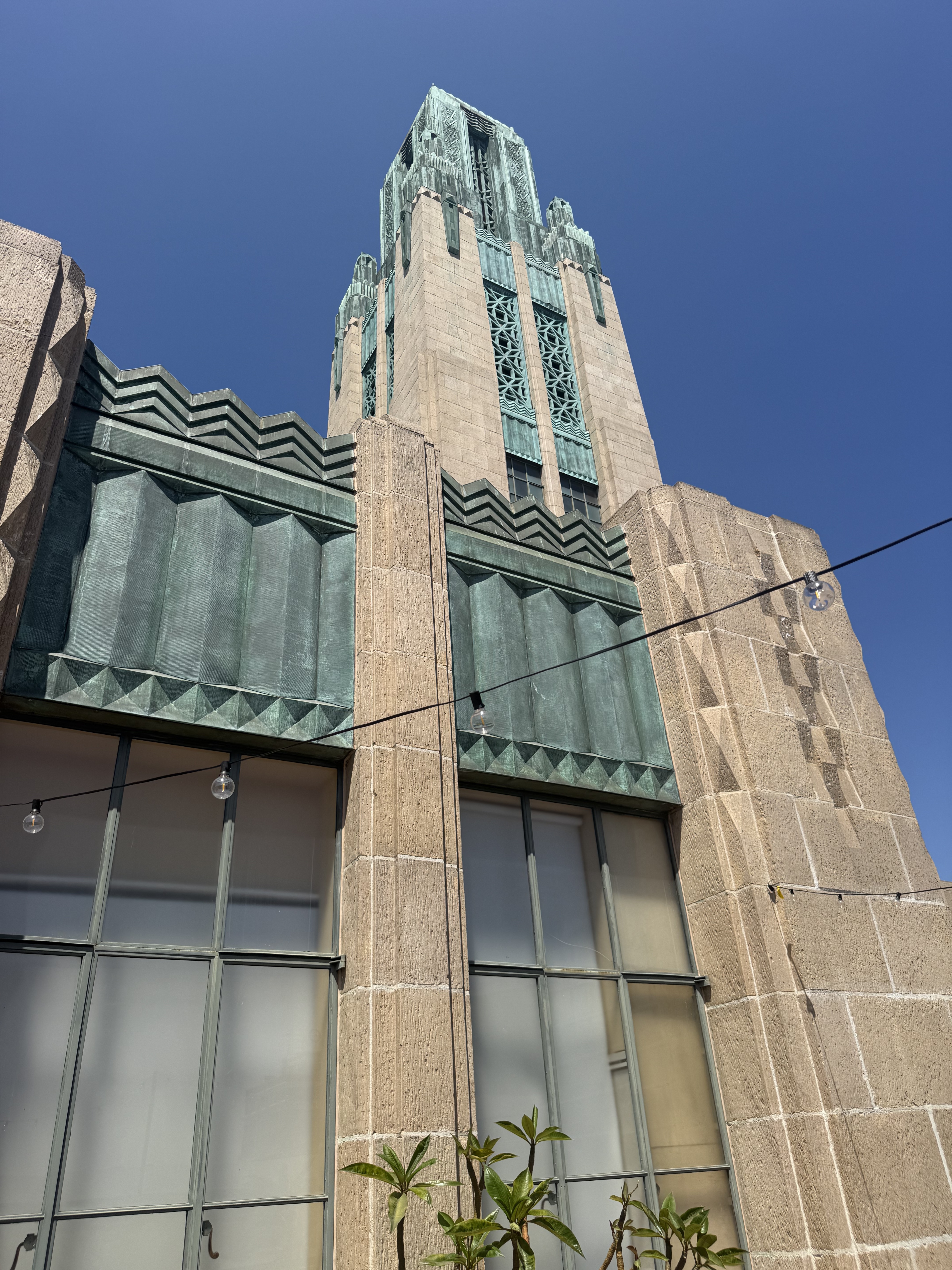
Bullocks Wilshire rose in 1929 as the westward flagship for the luxury department store chain, commissioned by John G. Bullock and P.G. Winnett to capture affluent shoppers migrating from downtown Los Angeles. John and Donald Parkinson designed the building to function as a retail machine for the automobile age, abandoning traditional pedestrian-oriented storefronts in favor of valet service and rear-door convenience. The store's location on Wilshire Boulevard dramatized the emergence of this corridor as Los Angeles's modern commercial axis, marking a pivotal shift in the city's retail geography.
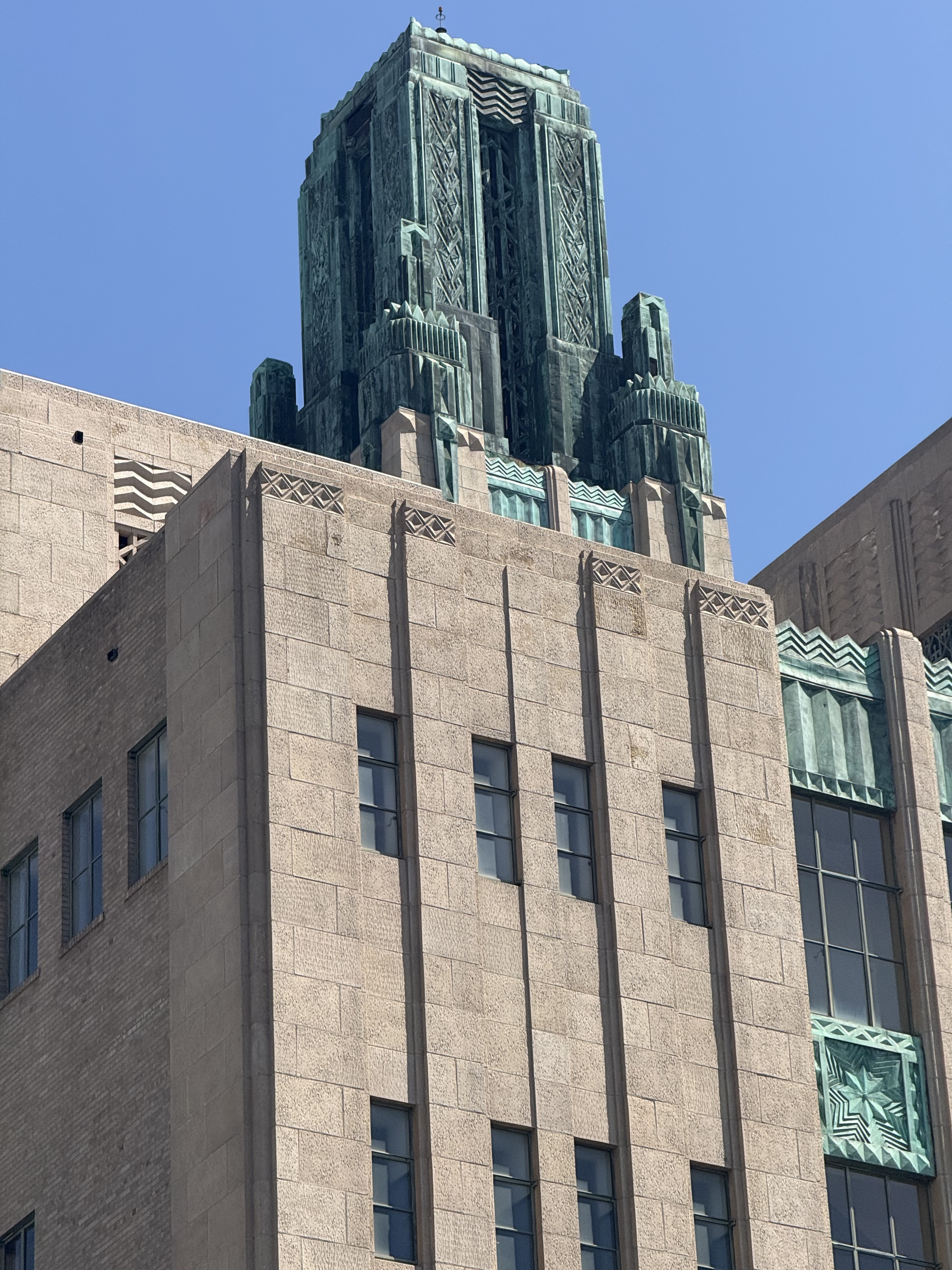
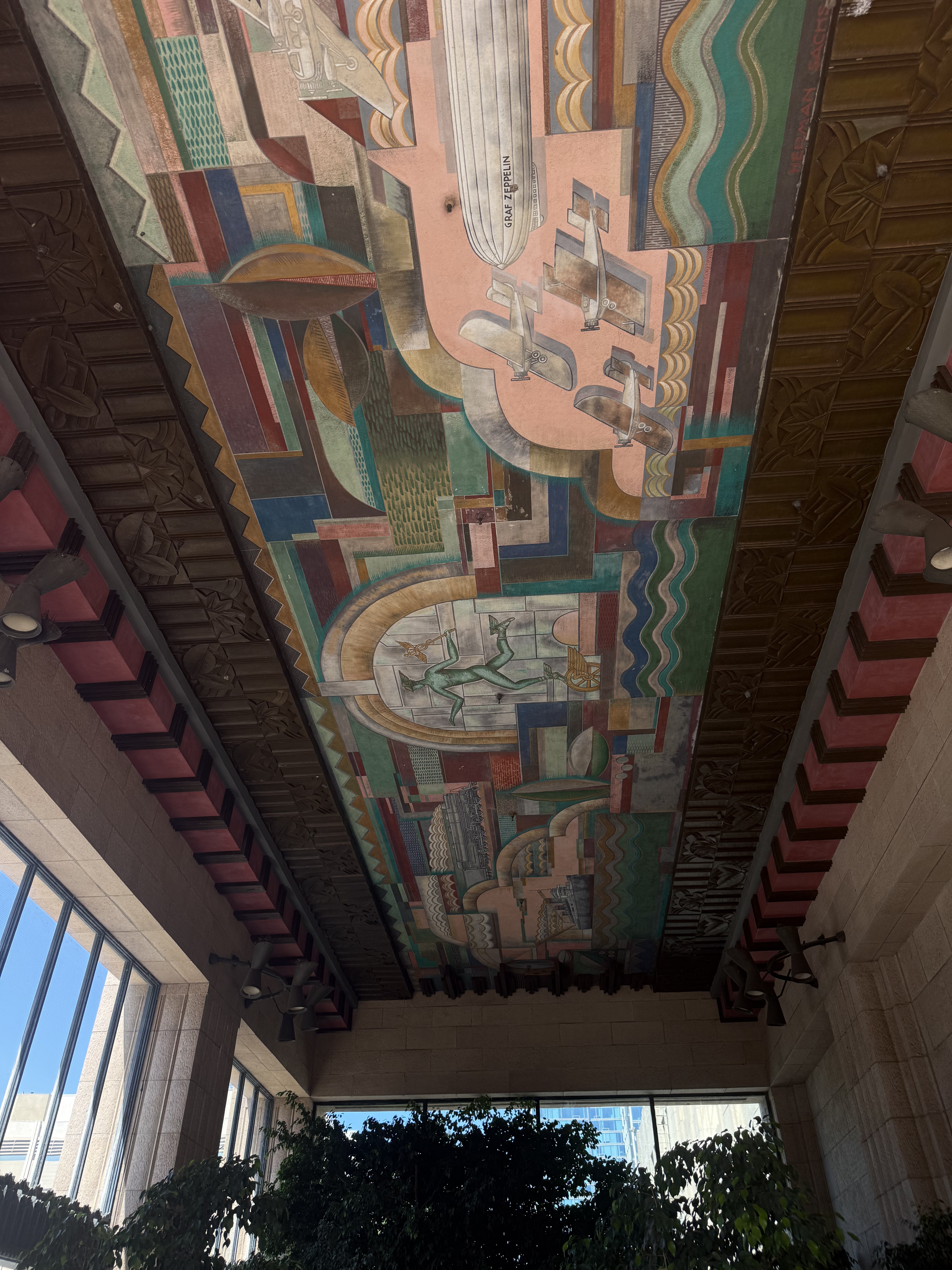
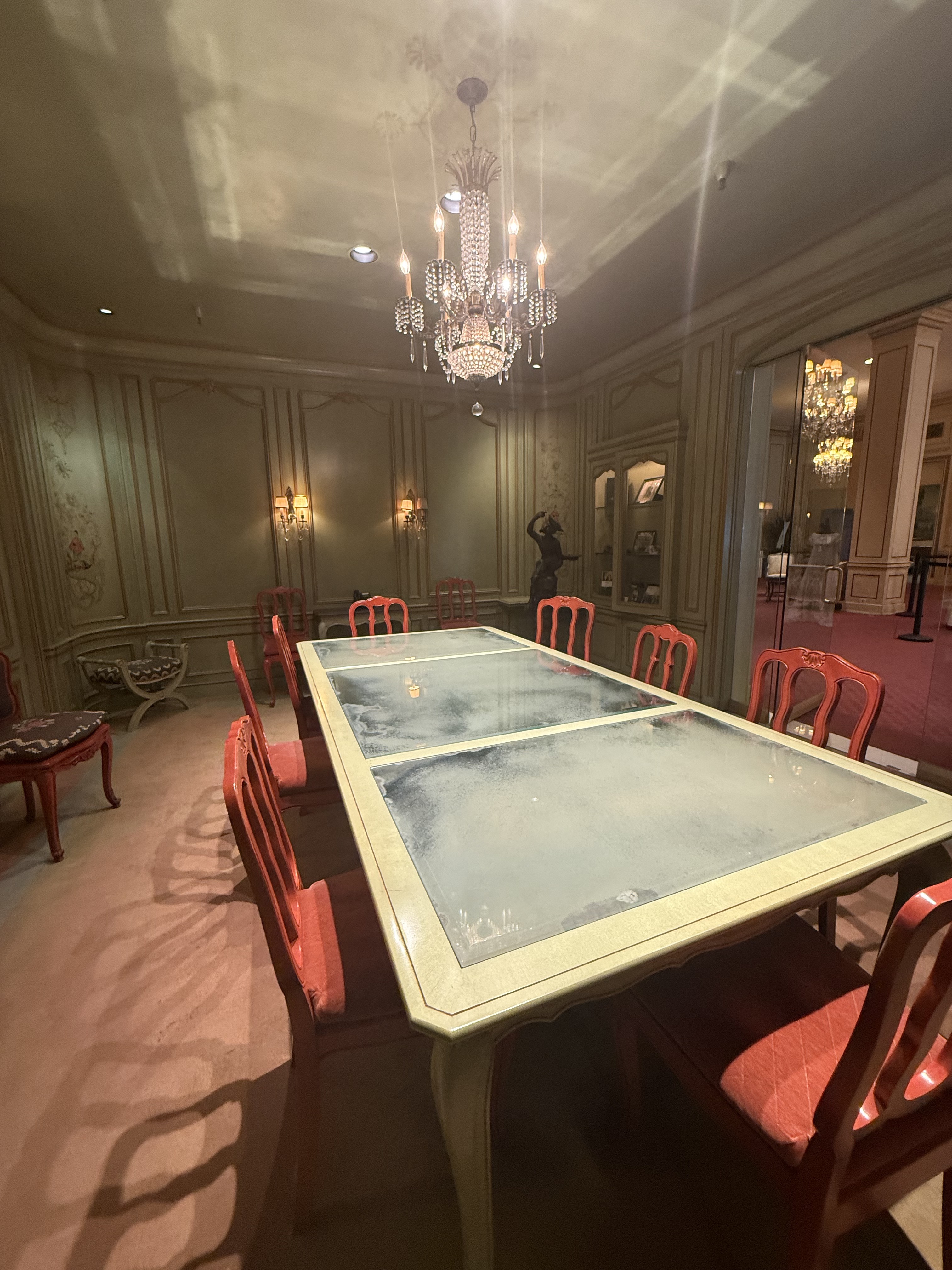
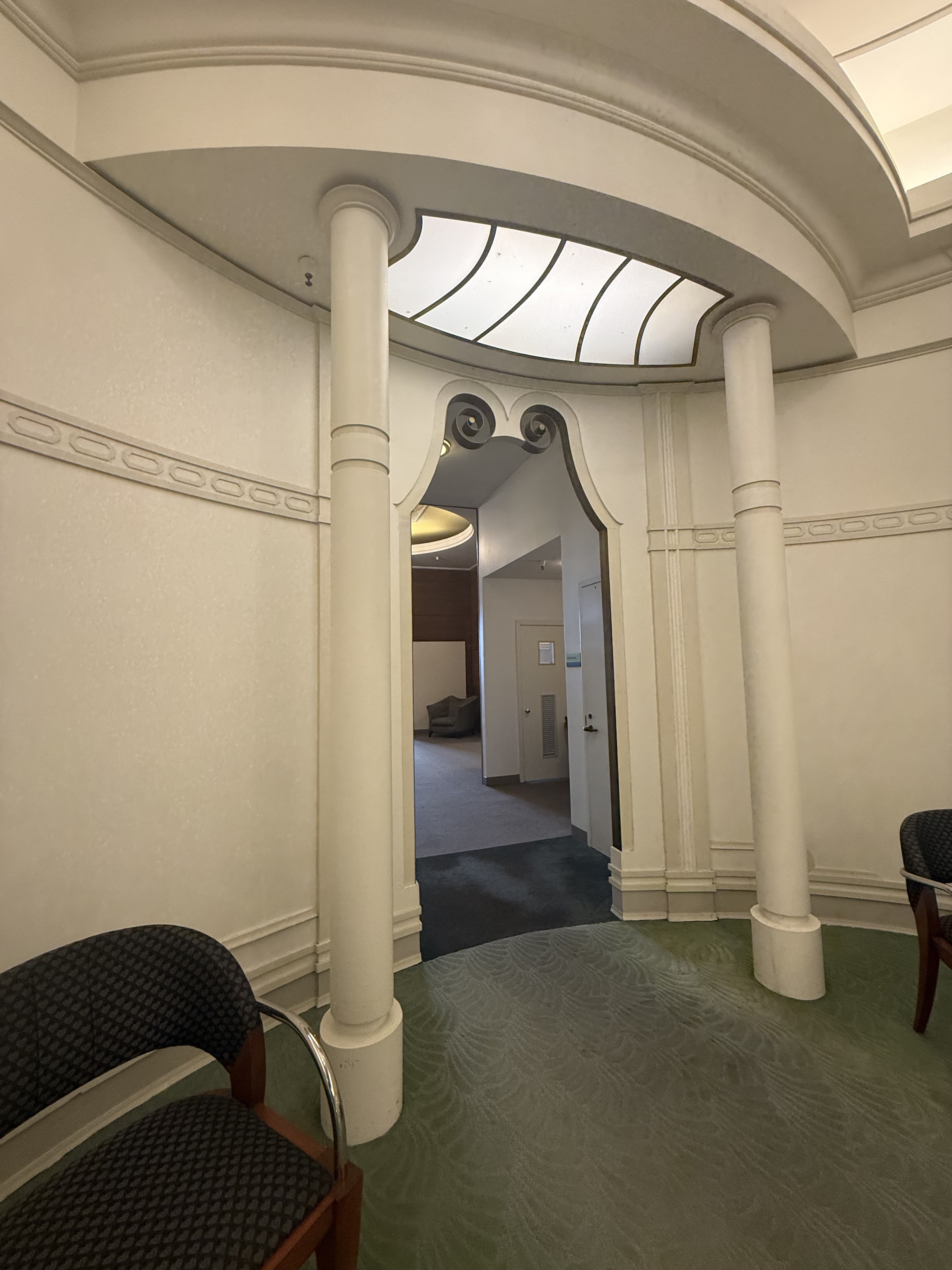
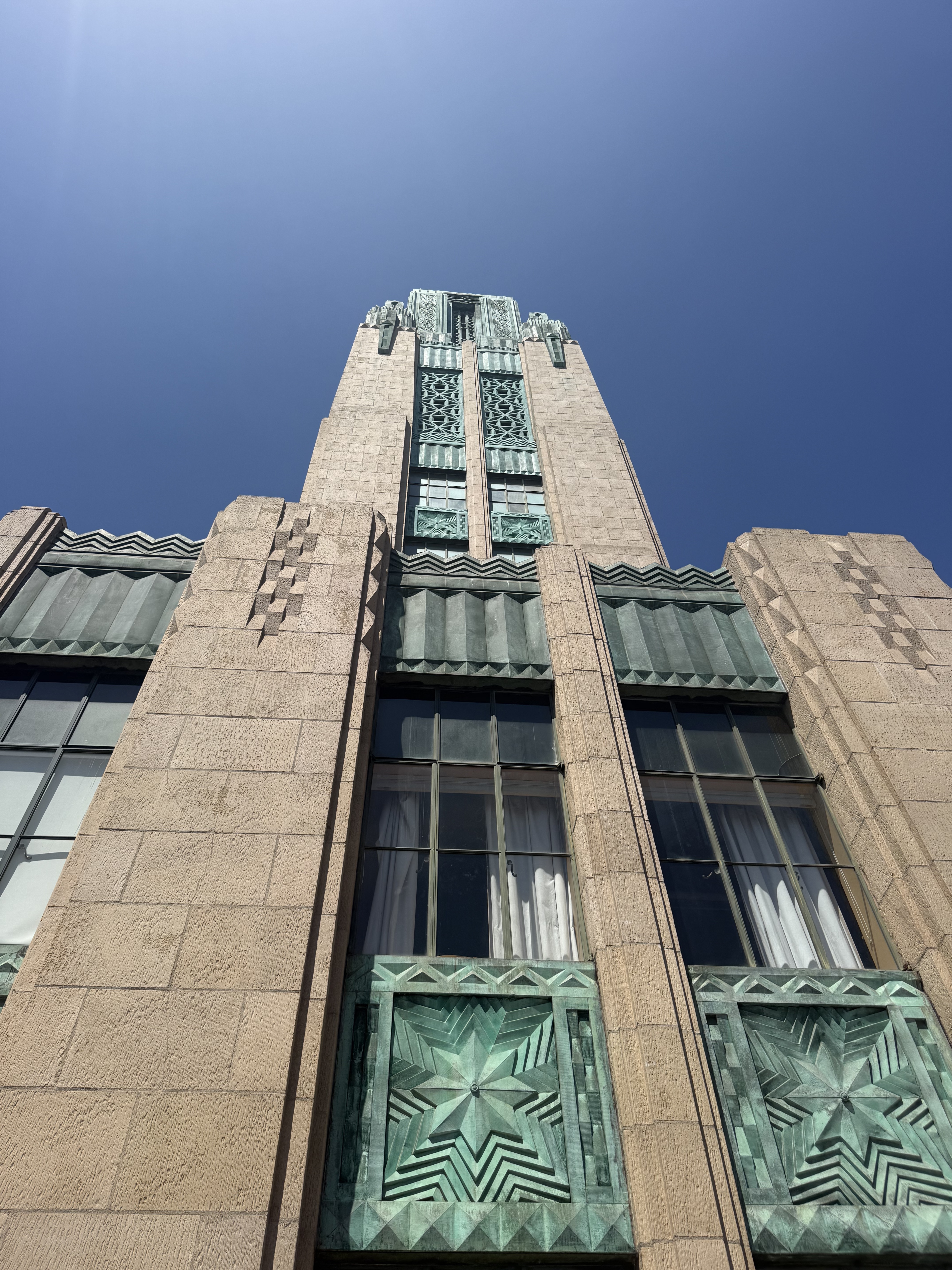
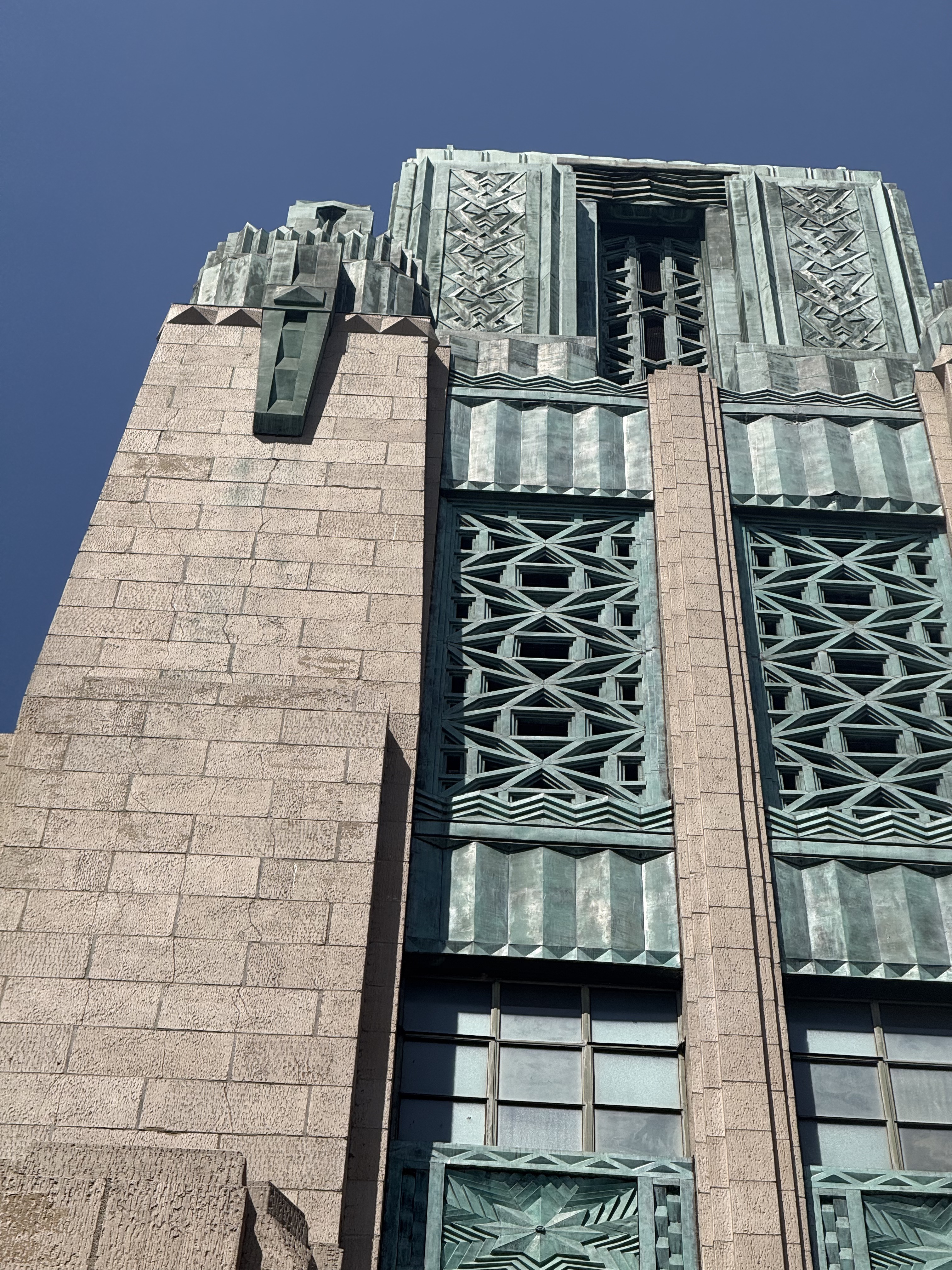
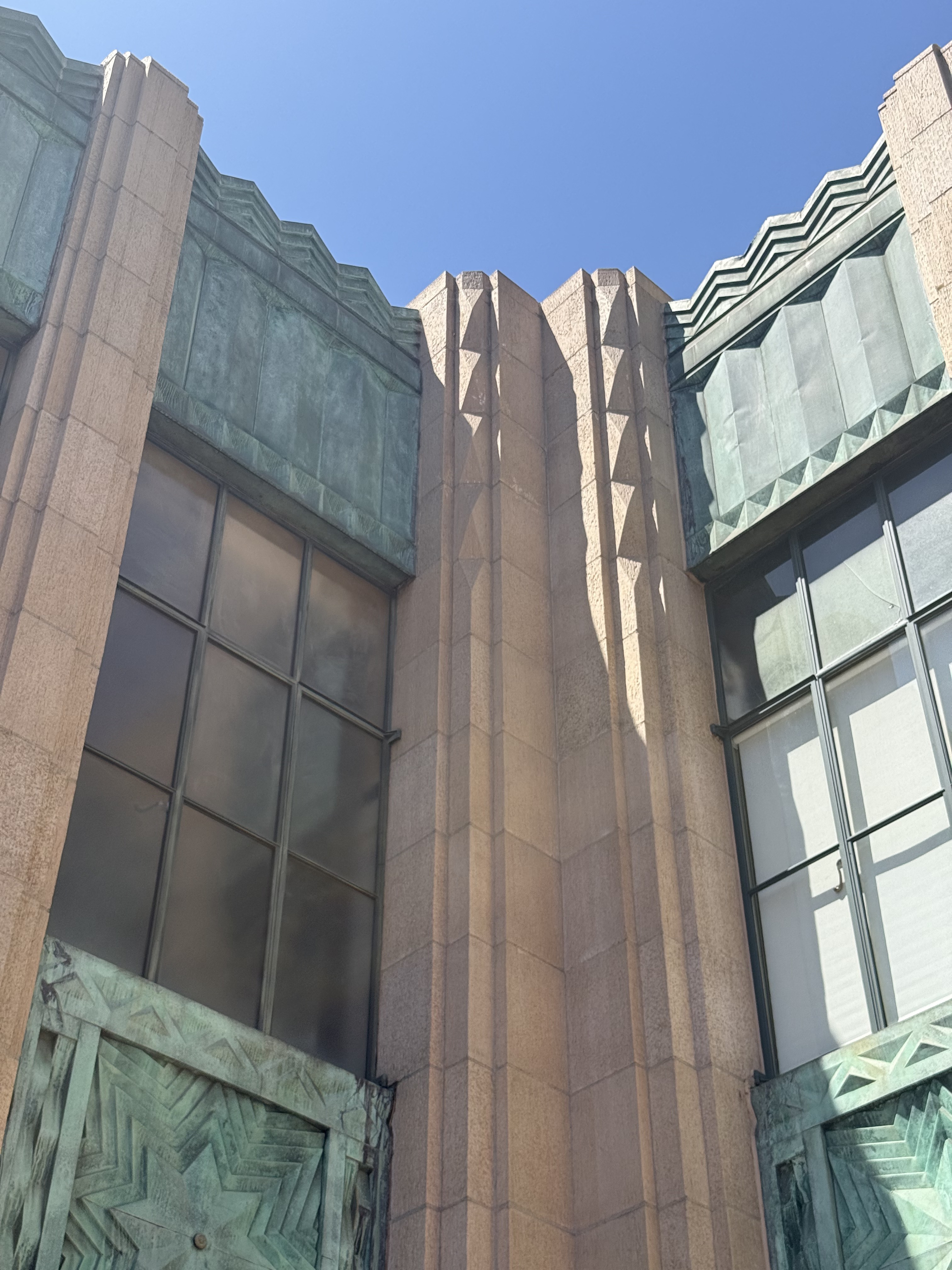
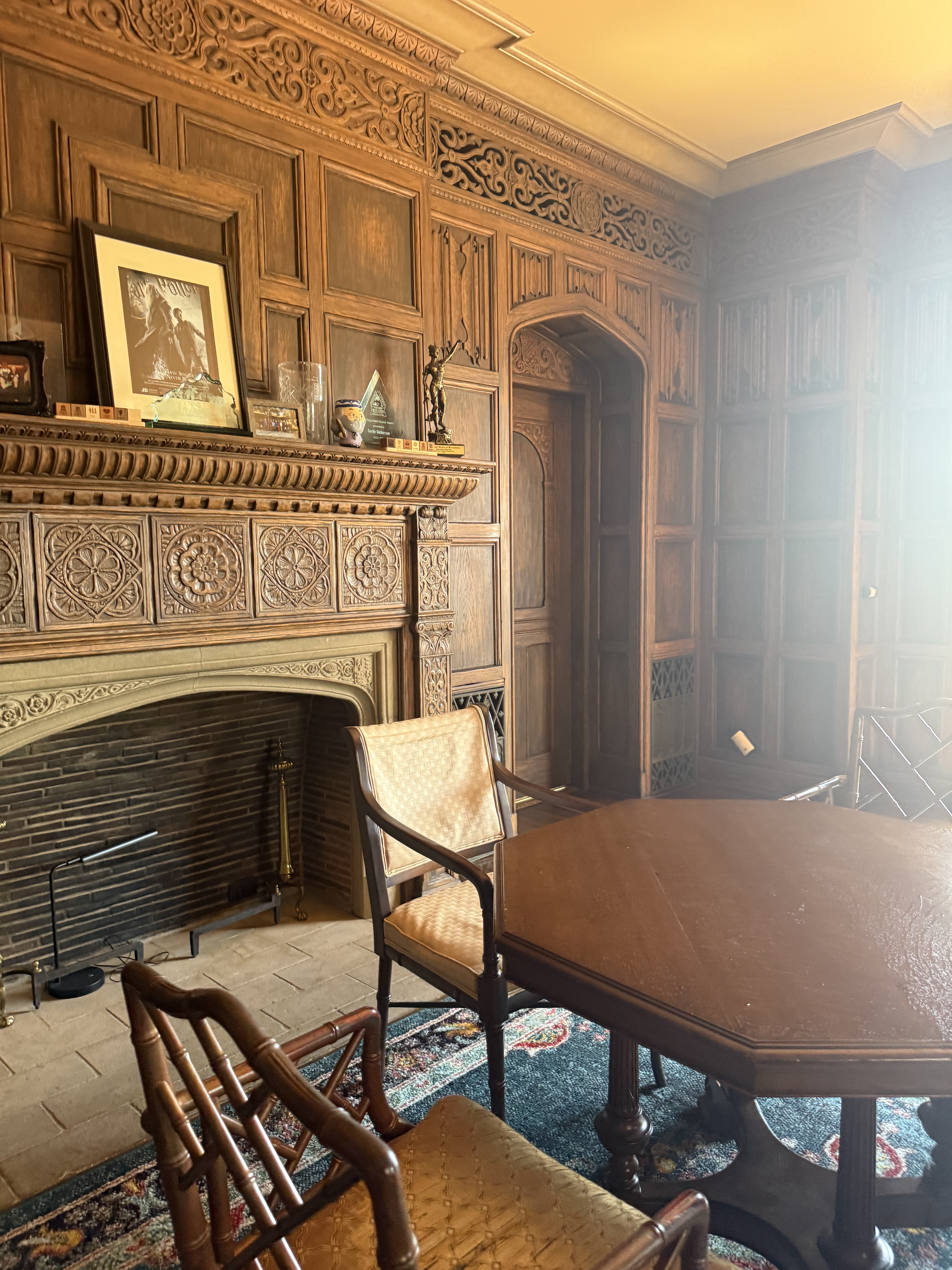
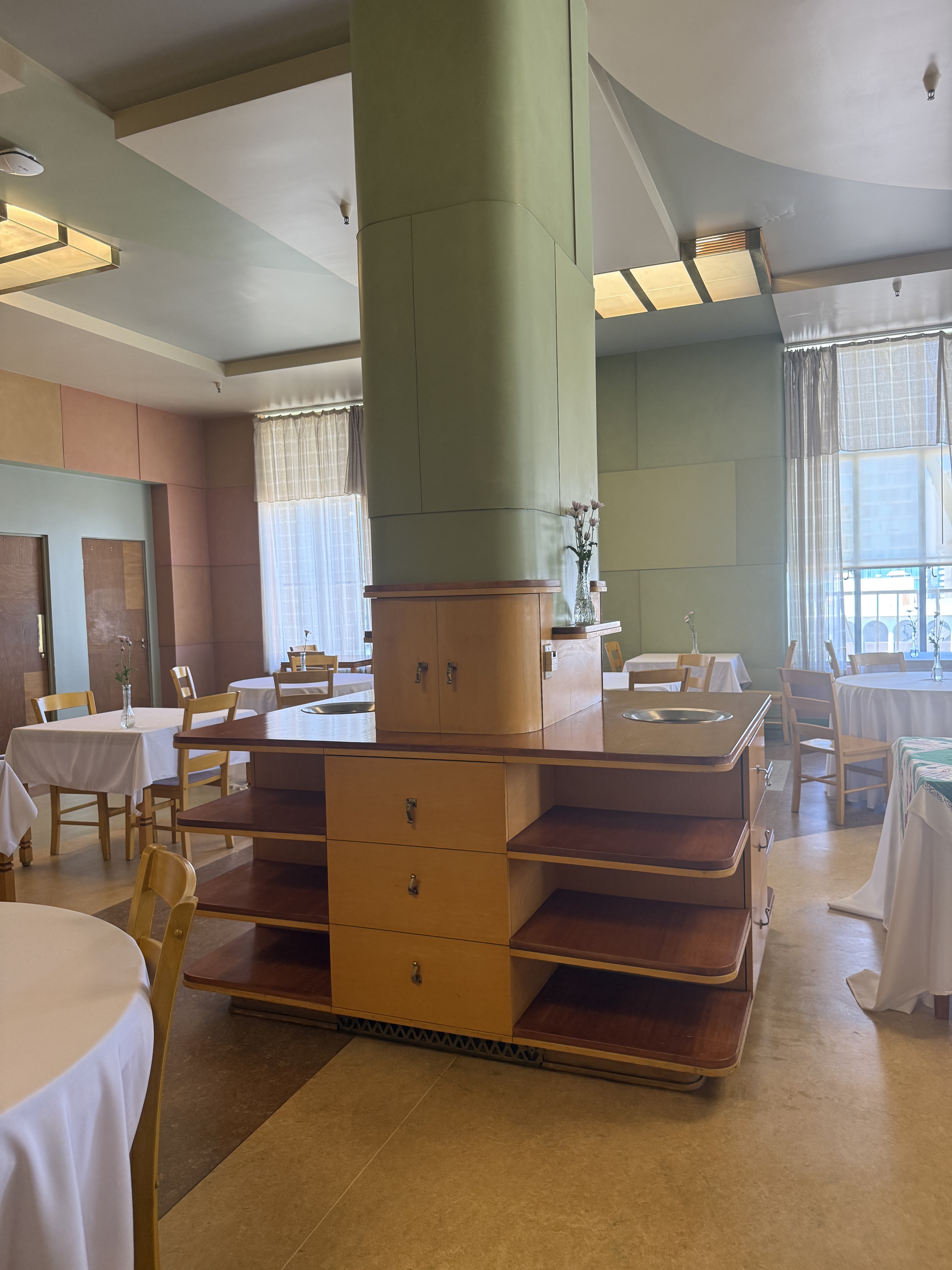
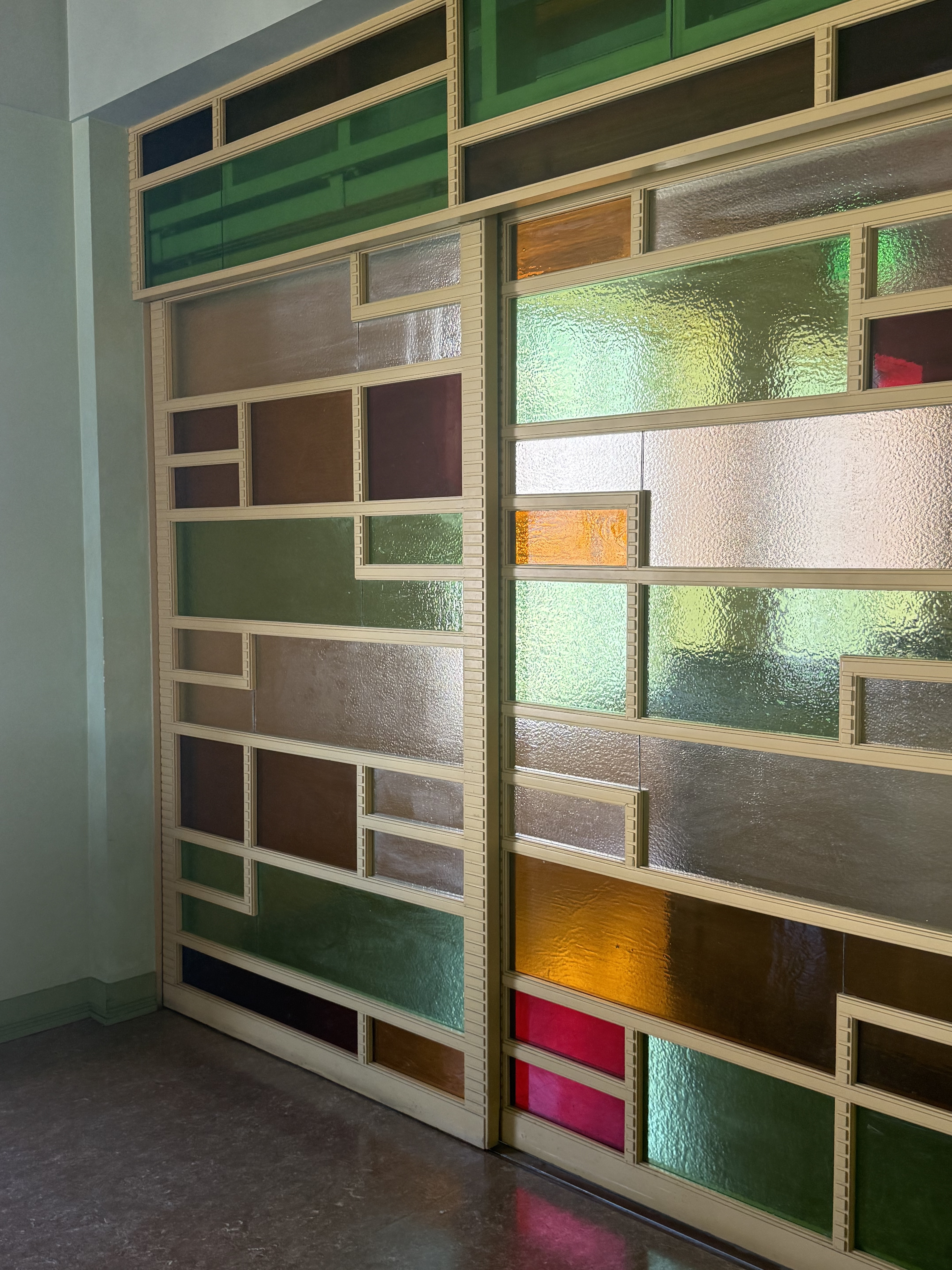
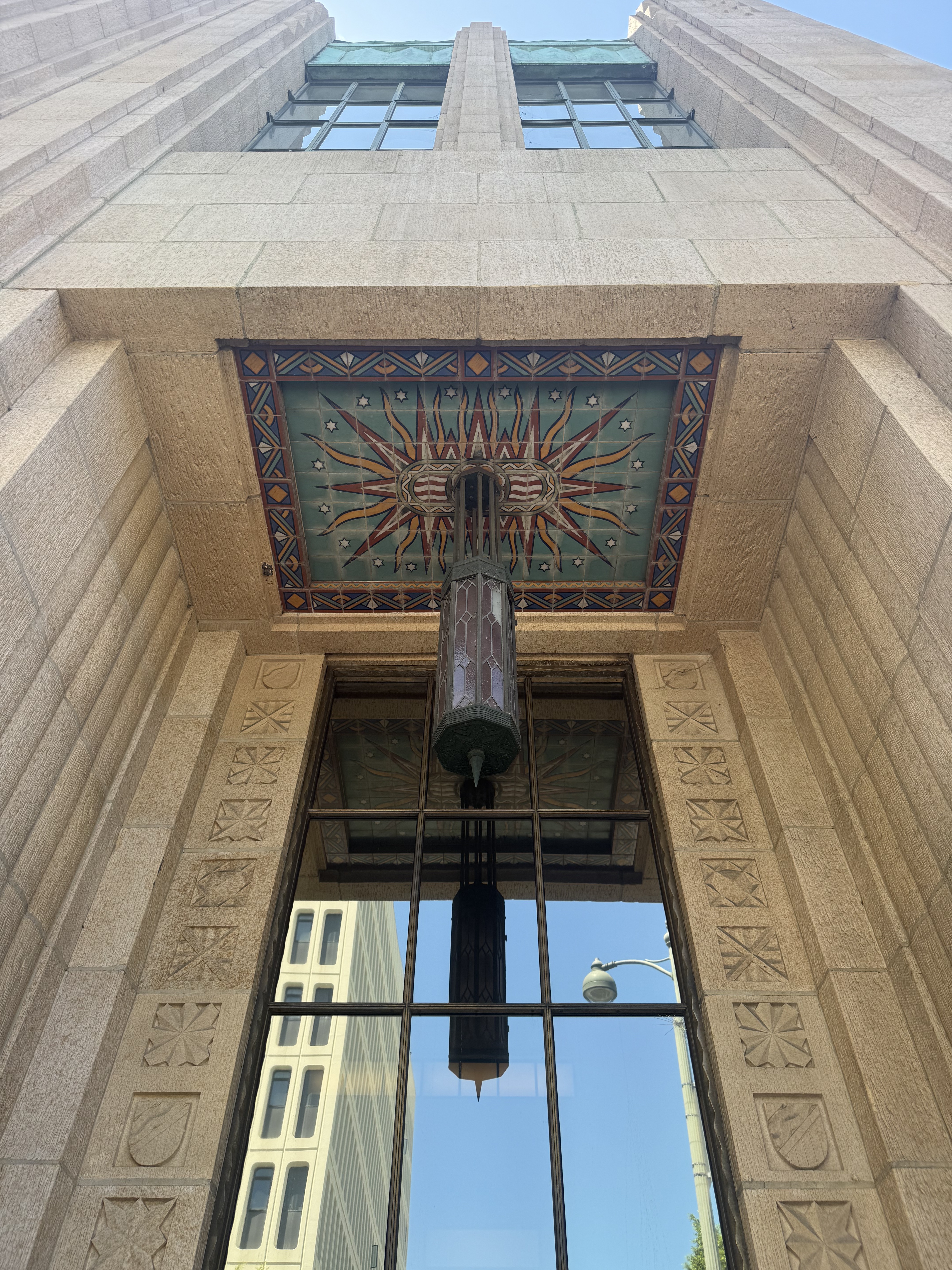
The building presents one of Los Angeles's most sophisticated examples of Art Deco commercial architecture, with a slender tower serving as a beacon visible from miles away. Terra cotta cladding, intricate metalwork, and zigzag ornament create a total environment calibrated for elite consumption, while rich woods and custom fixtures define the interior spaces. The plan privileges stylish vertical circulation over horizontal browsing, with specialized departments and interiors designed by women creating an unusually refined social geography. Materials and details throughout produce a cohesive aesthetic that epitomizes Hollywood-era glamour without relying on theatrical excess.