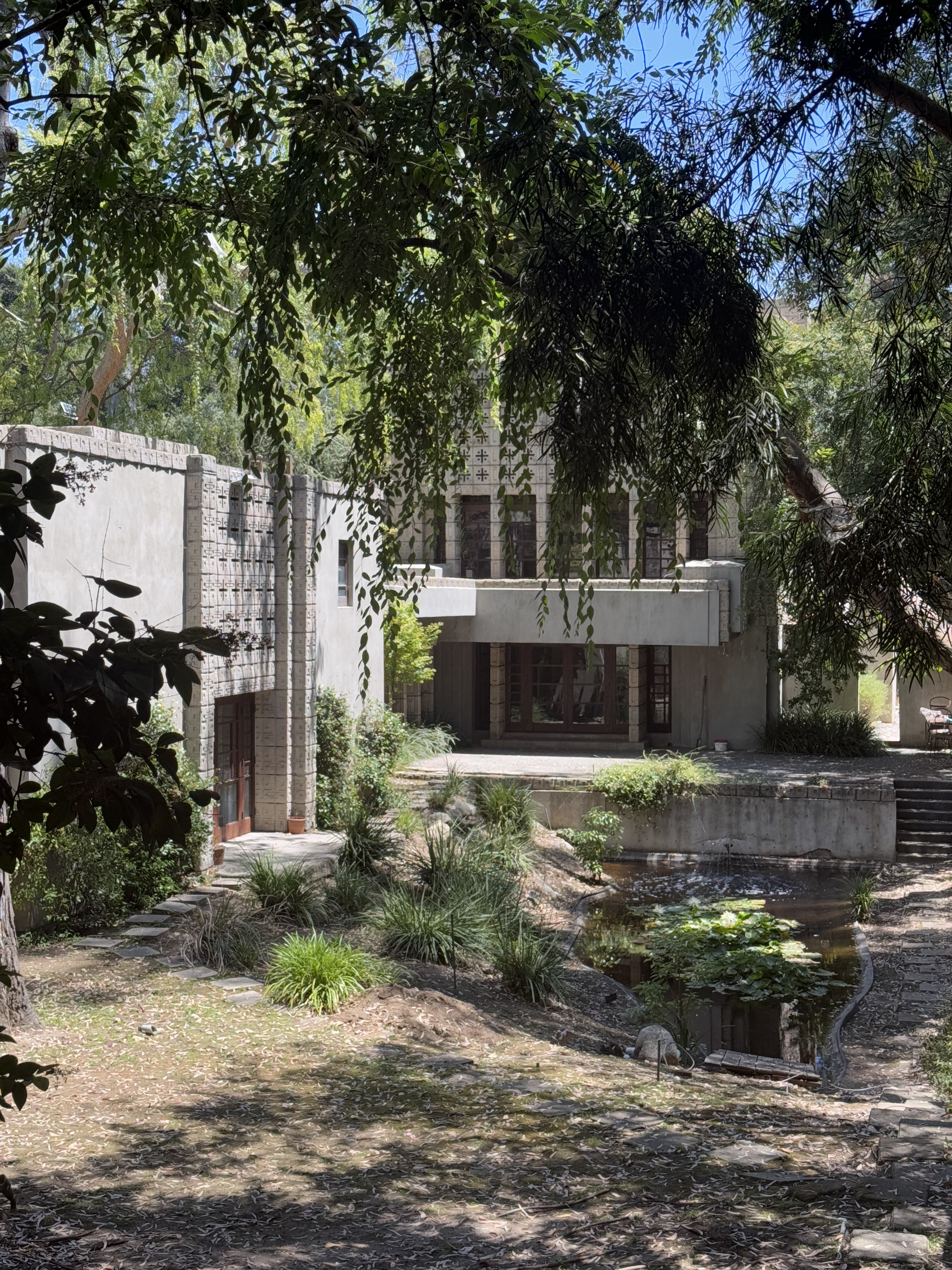
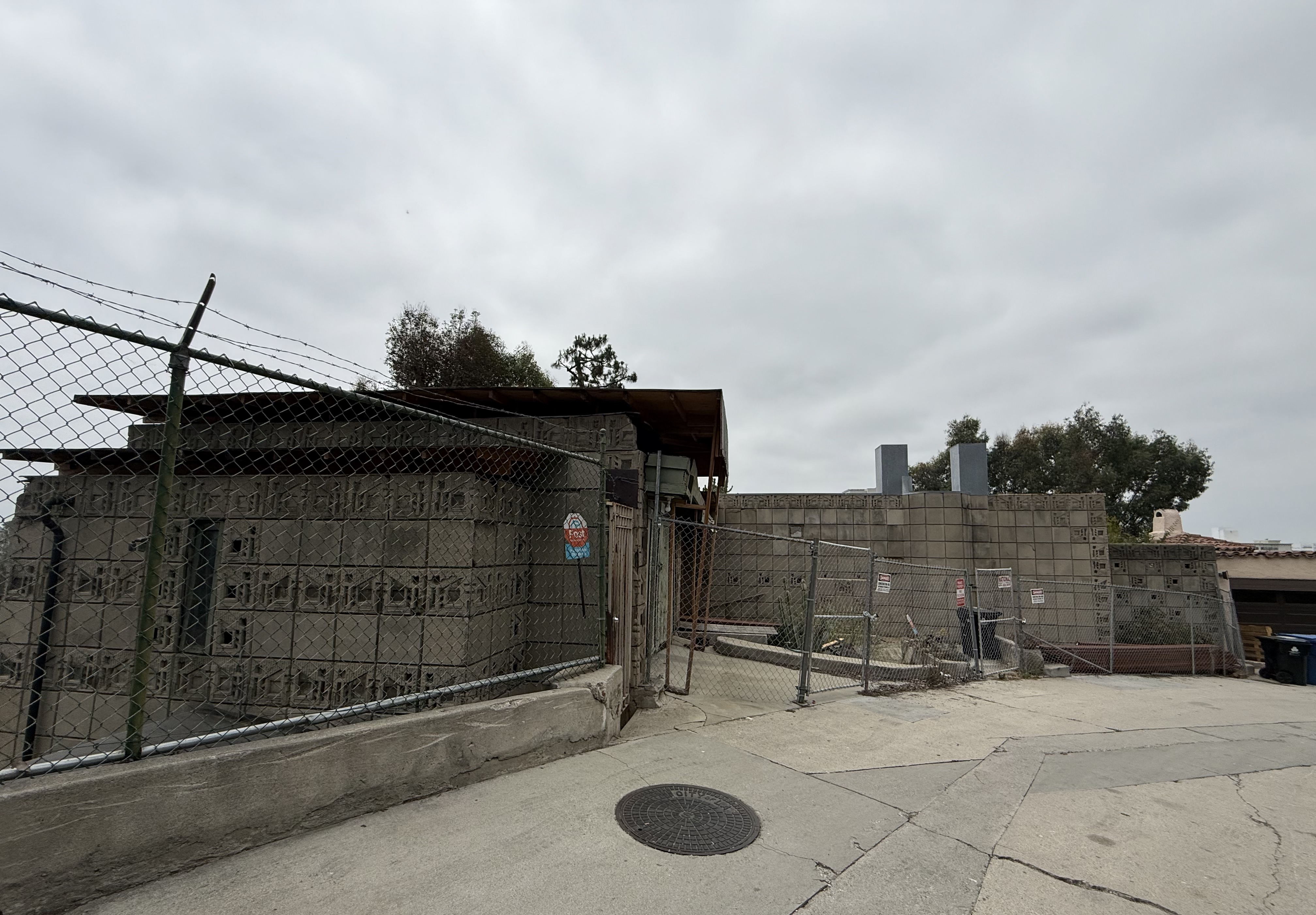
Commissioned by Samuel Freeman, a jewelry salesman, and Harriet Freeman, a teacher, in the mid-1920s, this compact residence represents the smallest and most intellectually concentrated of Wright's four Los Angeles textile-block houses. The Freemans were among Wright's least wealthy clients but most culturally ambitious, seeking a modern domestic environment that could serve as a salon for avant-garde artists and thinkers. The house emerged during the boom-era development of the Hollywood Hills, when experimental architecture found patronage among left-leaning intellectuals challenging conventional domestic culture.
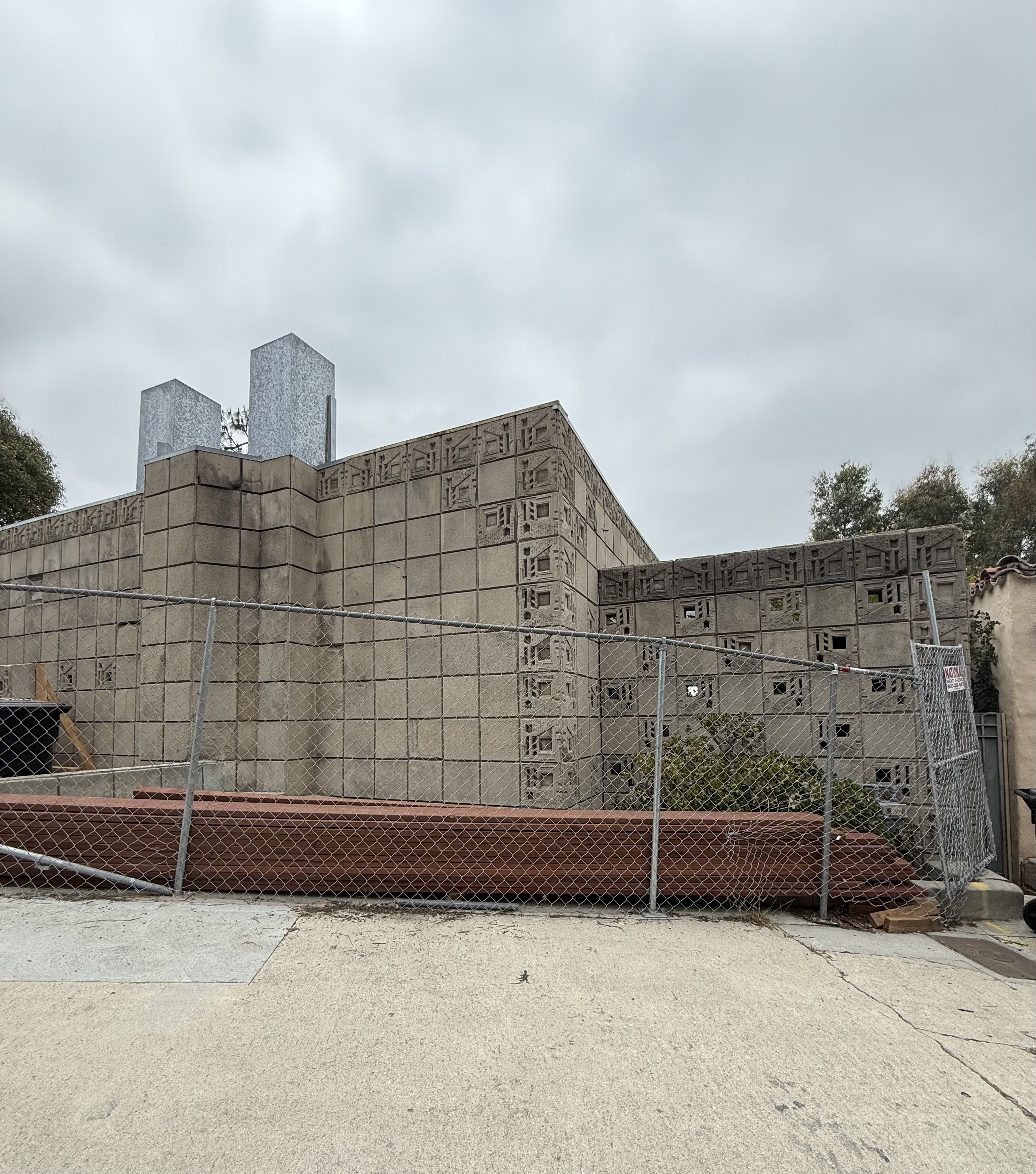
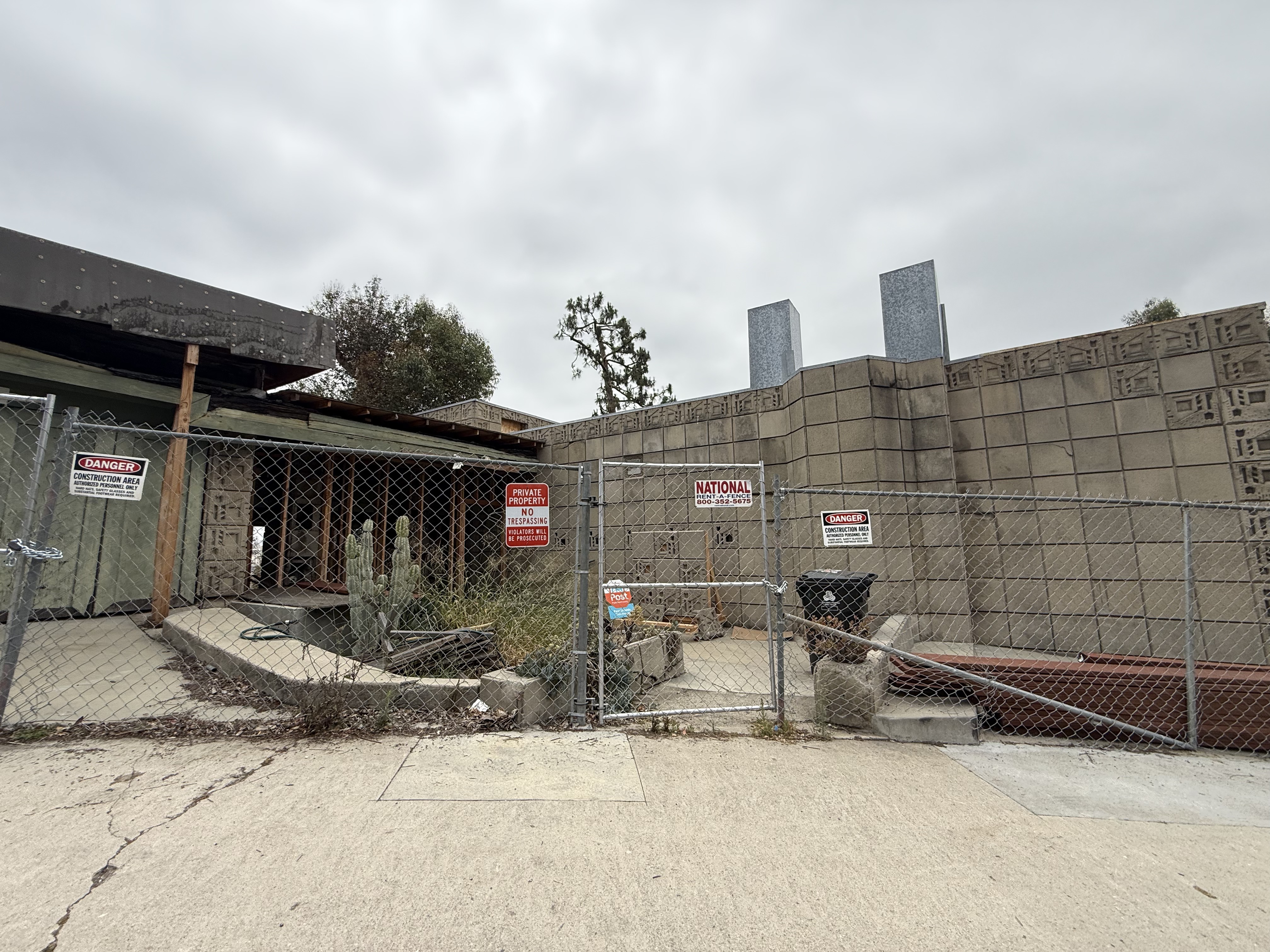
The residence employs roughly 12,000 patterned concrete blocks that function simultaneously as structure and ornament, with light moving across the relief surfaces animating the facade throughout the day. Wright's inverted hillside plan maximizes the compact footprint through terraced levels and mitered windows that frame canyon views while maintaining privacy. The textile-block system, though intended as a democratic building method using humble materials, proved costly and technically challenging in execution. The modular concrete blocks create geometric patterns that shift from structural necessity to decorative expression, embodying Wright's vision of an indigenous California architecture.