
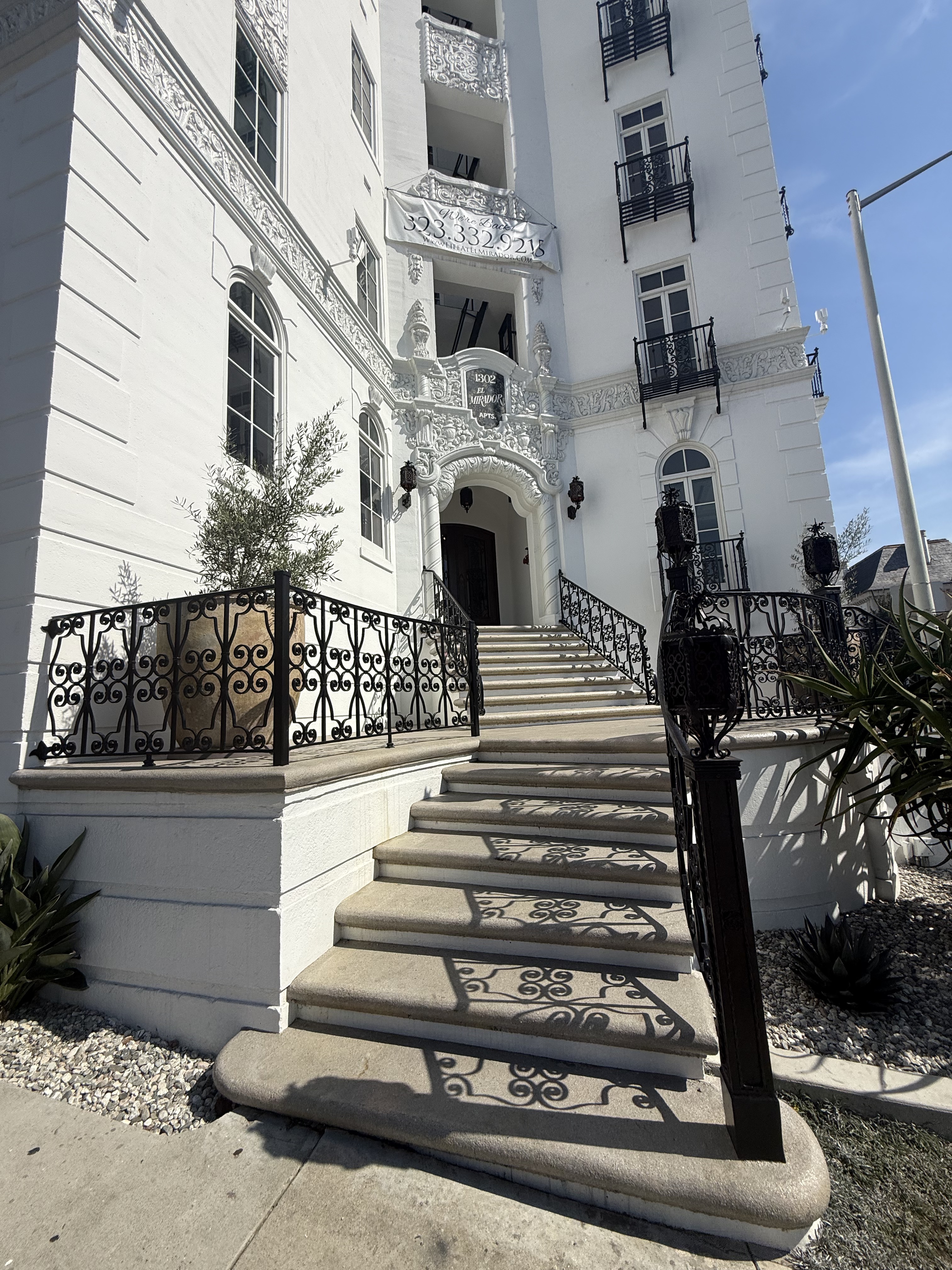
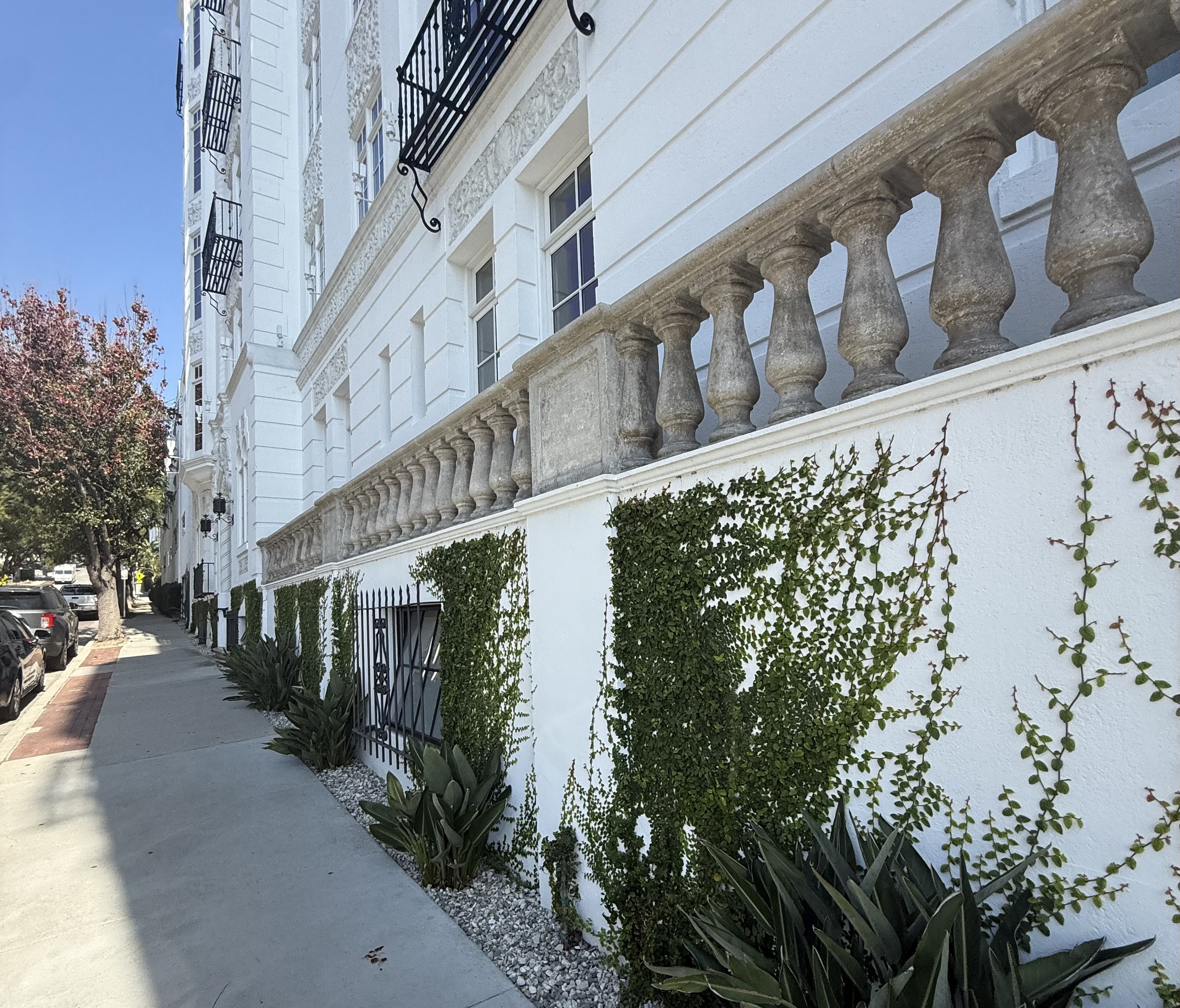
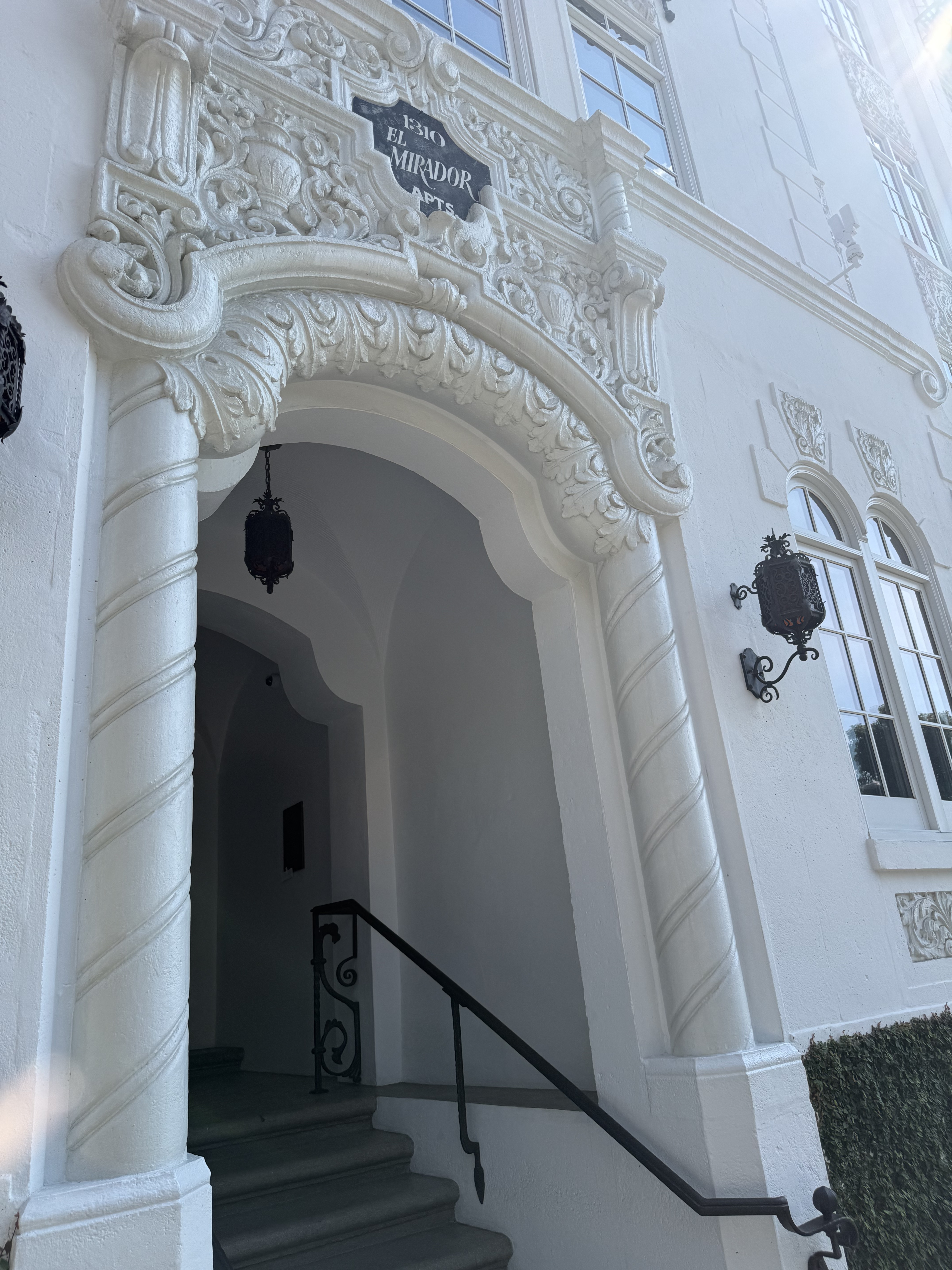
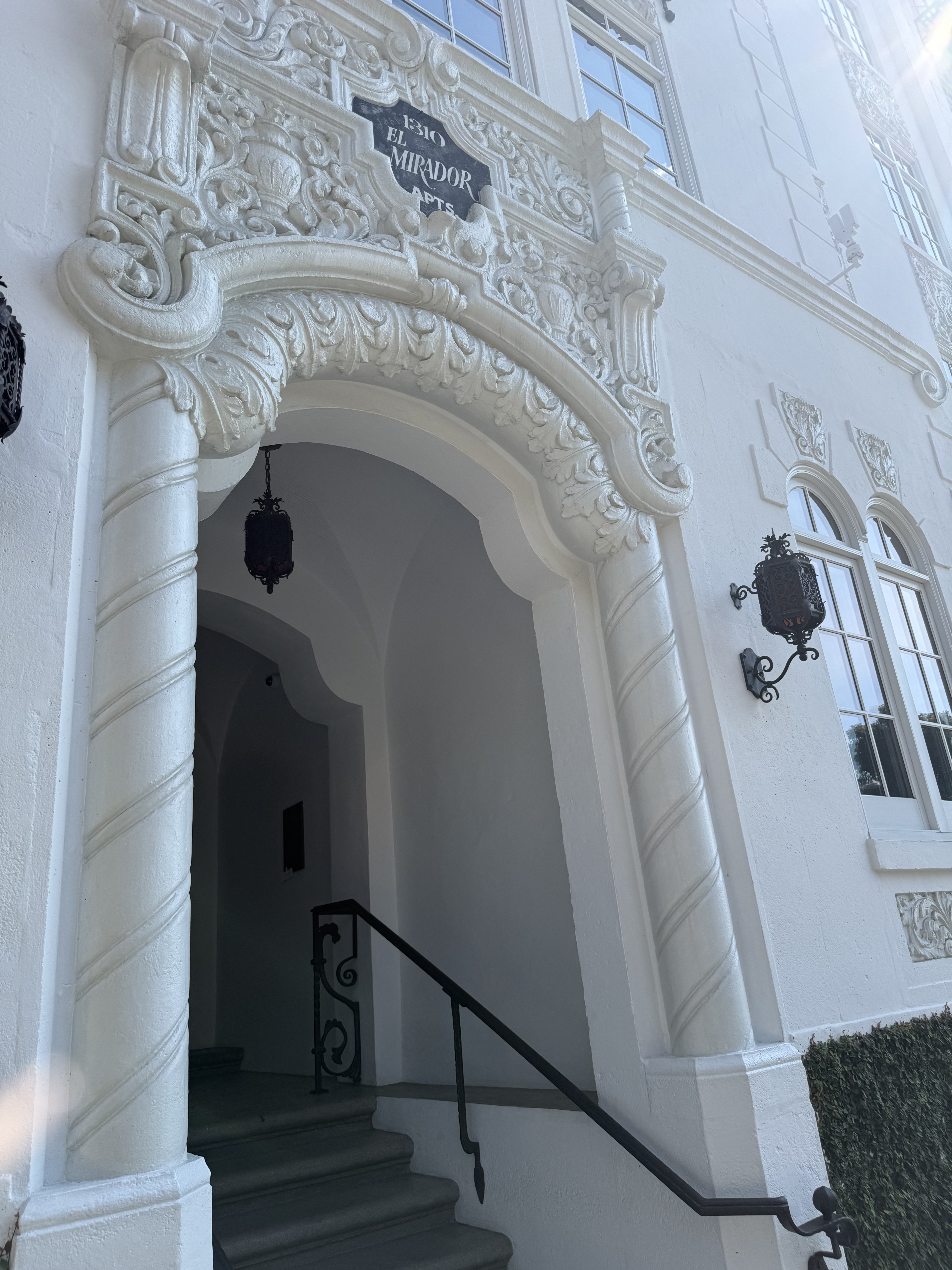
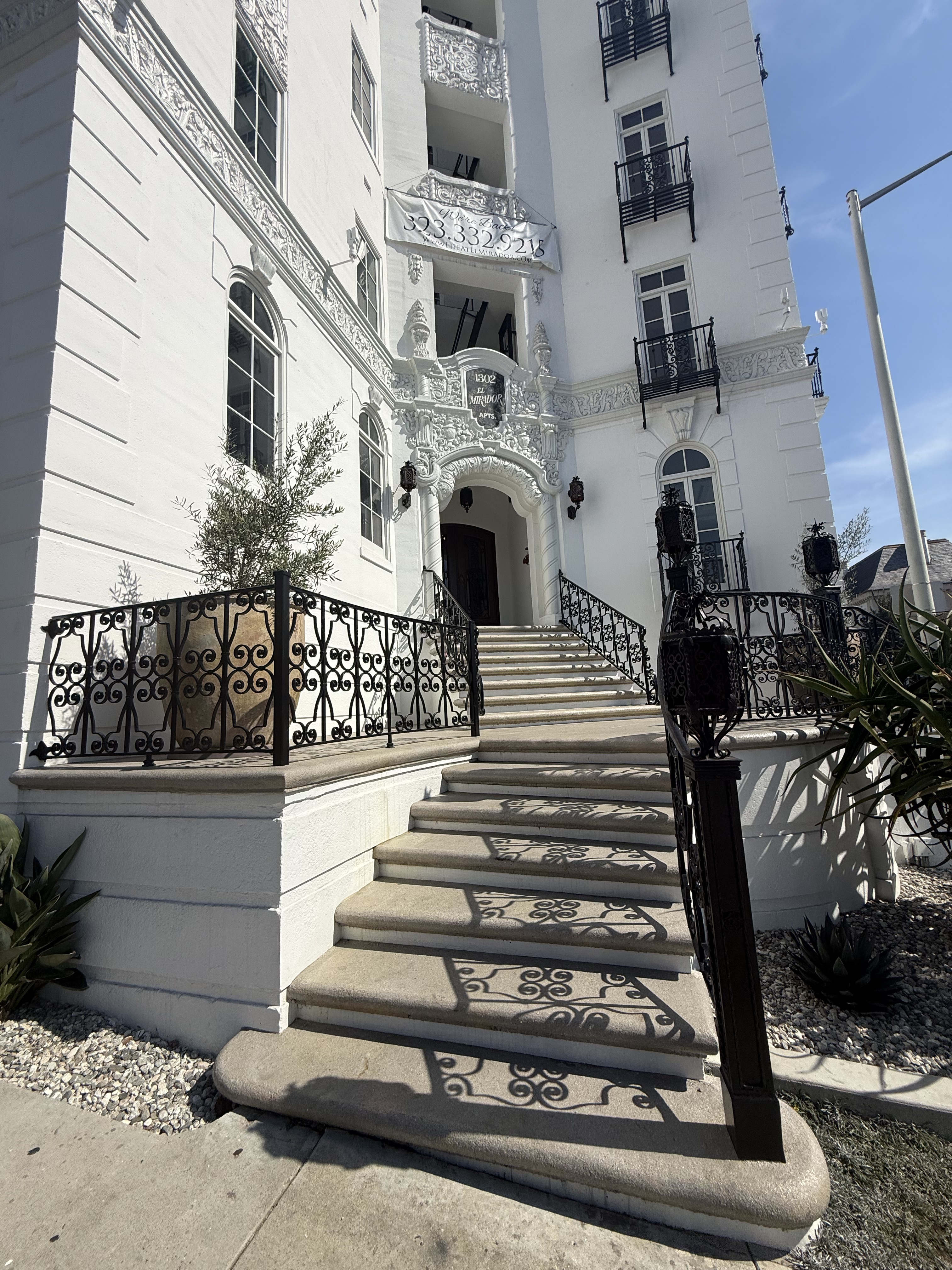
Churrigueresque is a highly ornate Spanish Baroque architectural style that emerged in late 17th century Spain, named for architect José Benito de Churriguera and his family who developed this ultra-decorative approach. This "Ultra Baroque" or "Wedding Cake Architecture" represents the pinnacle of decorative excess with its "more is more" philosophy of unrestrained ornamentation. Emerging during the height of Spanish Baroque period, Churrigueresque celebrated divine and civic power through unprecedented decorative abundance. The style spread to Spanish colonies in Latin America where it reached even greater heights, particularly in Mexico where indigenous craftsmen added their own interpretations. Its revival in early 1910s-1920s California, particularly through Bertram Goodhue's 1915 Panama-California Exposition buildings, helped establish the Spanish Colonial Revival movement in American architecture. Churrigueresque was primarily applied to church façades and altarpieces, civic buildings, theater entrances, and during revival periods, residential entryways and commercial building façades.
ELEMENTS
- Extreme ornamental detailing with dense, sculptural decoration covering surfaces
- Striking contrasts between ornate elements and plain wall surfaces
- Elaborate decoration concentrated around main façades and entrance doorways
- Spiraling Solomonic columns and inverted conical Estipite columns
- Integration of architectural and sculptural elements creating chiaroscuro light and shadow effects