
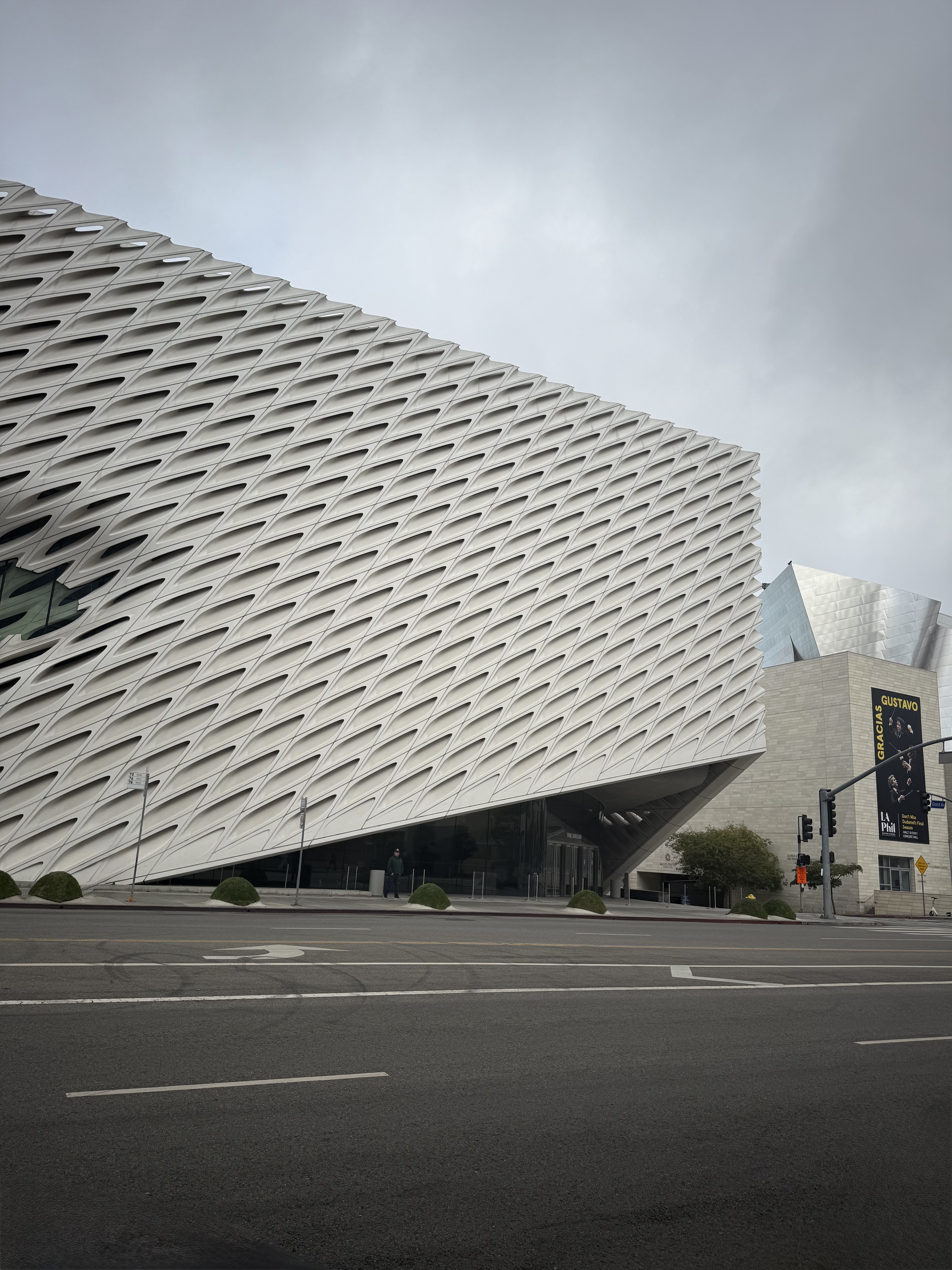
Contemporary architecture represents the diverse architectural landscape of the 21st century, characterized by no single dominant style but rather a pluralistic approach that embraces multiple philosophies and techniques. This movement reflects our globalized, technologically advanced era, encompassing several sub-movements including parametricism, sustainable/green architecture, high-tech architecture, and deconstructivism. Emerging in 2000 and continuing to the present, Contemporary architecture reflects our era's concerns about sustainability, technology integration, and cultural expression. This represents a departure from modernism's rigid geometric forms toward a more flexible, globally-minded approach. The movement embraces computational design tools enabling organic forms impossible in previous eras, alongside renewed emphasis on environmental performance. Contemporary architecture spans all building types, from iconic cultural institutions and museums that serve as sculptural landmarks to innovative residential projects and towering skyscrapers.
ELEMENTS
- Dramatic asymmetric facades with dynamic, non-linear compositions
- Cantilevered sections that defy traditional structural logic
- Twisting forms or buildings that break into crystal-like facets
- Glass and aluminum screens wrapping concrete structures
- Surfaces designed to shimmer or change color throughout the day
- Computer-aided design precision enabling complex three-dimensional forms
- Sculptural building forms
- Integration of sustainable features like green walls and solar panels