
French Gothic architecture emerged in France around 1140 with the rebuilding of the Basilica of Saint-Denis under Abbot Suger and dominated until the mid-16th century, representing one of history's most influential architectural movements. This revolutionary style transformed medieval building through innovative structural solutions that prioritized height, light, and spiritual transcendence. Developed during the height of medieval French power and Christian influence, Gothic architecture reflected both technological innovation and spiritual aspiration. Cathedrals functioned as "books for the poor" with sculptural programs illustrating biblical stories for largely illiterate populations. The style coincided with the growth of towns, increased trade, and the rise of cathedral schools, representing a period when architecture served as the primary medium for artistic and technological expression.
ELEMENTS
- Rib vault system with stone ribs carrying structural loads outward to supporting columns
- Flying buttresses—external stone arches transferring roof weight outside the building
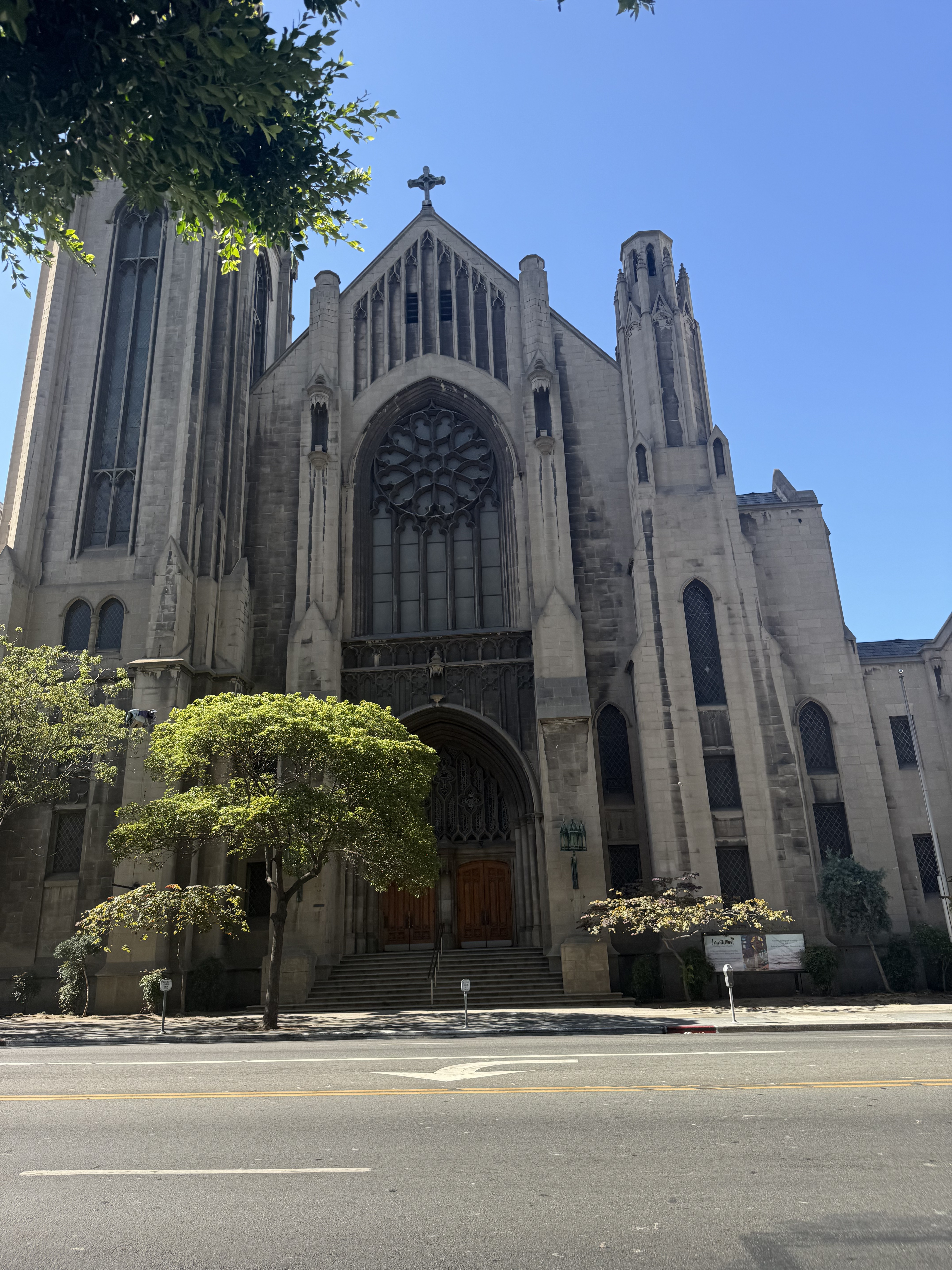
- Pointed arches creating soaring vertical emphasis
- Massive stained glass windows including spectacular rose windows up to 30 ft in diameter
- Triple portals with elaborate sculptural programs depicting biblical scenes
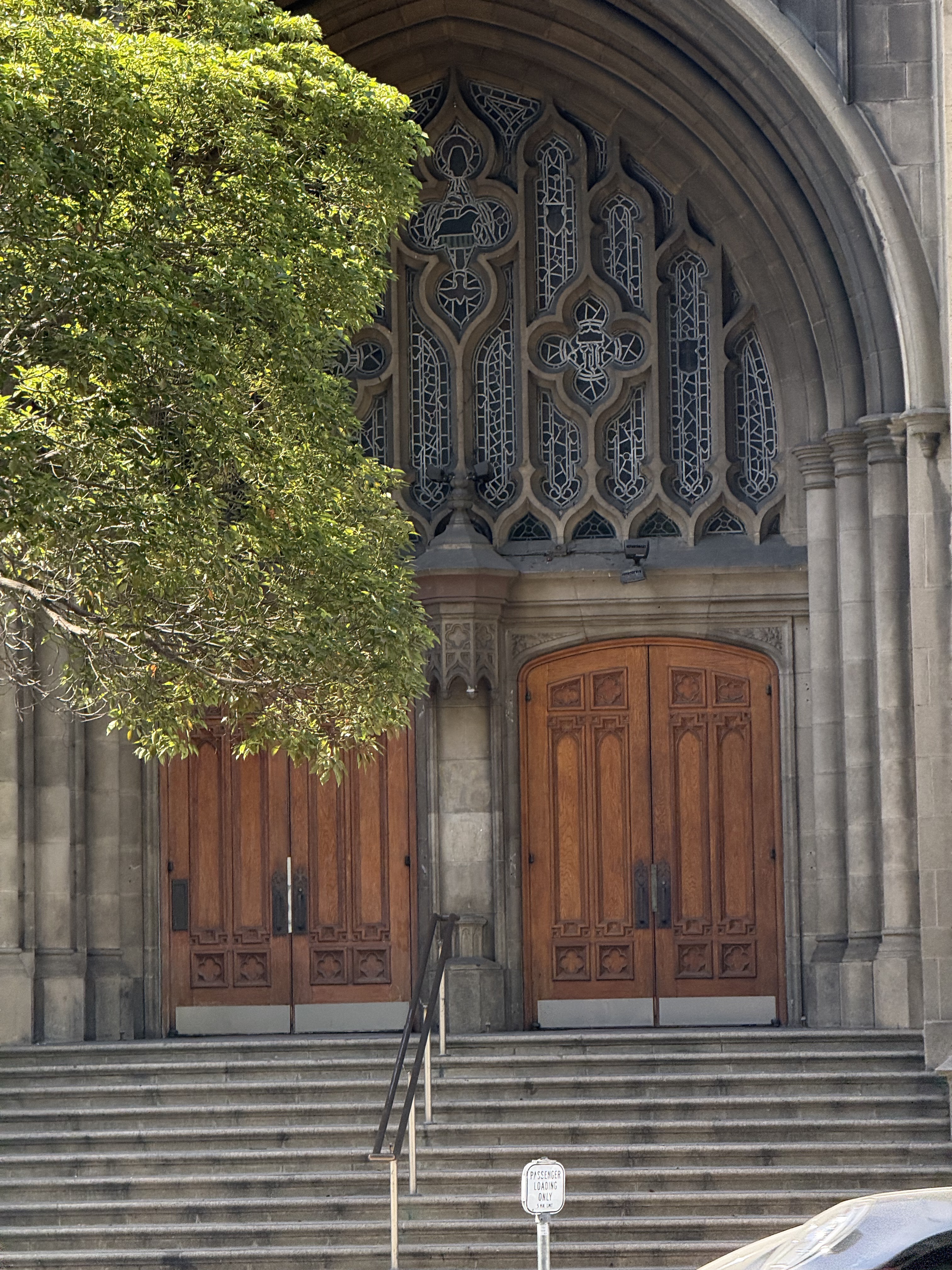
- Stone tracery in geometric patterns (early) evolving to flame-like patterns (late)
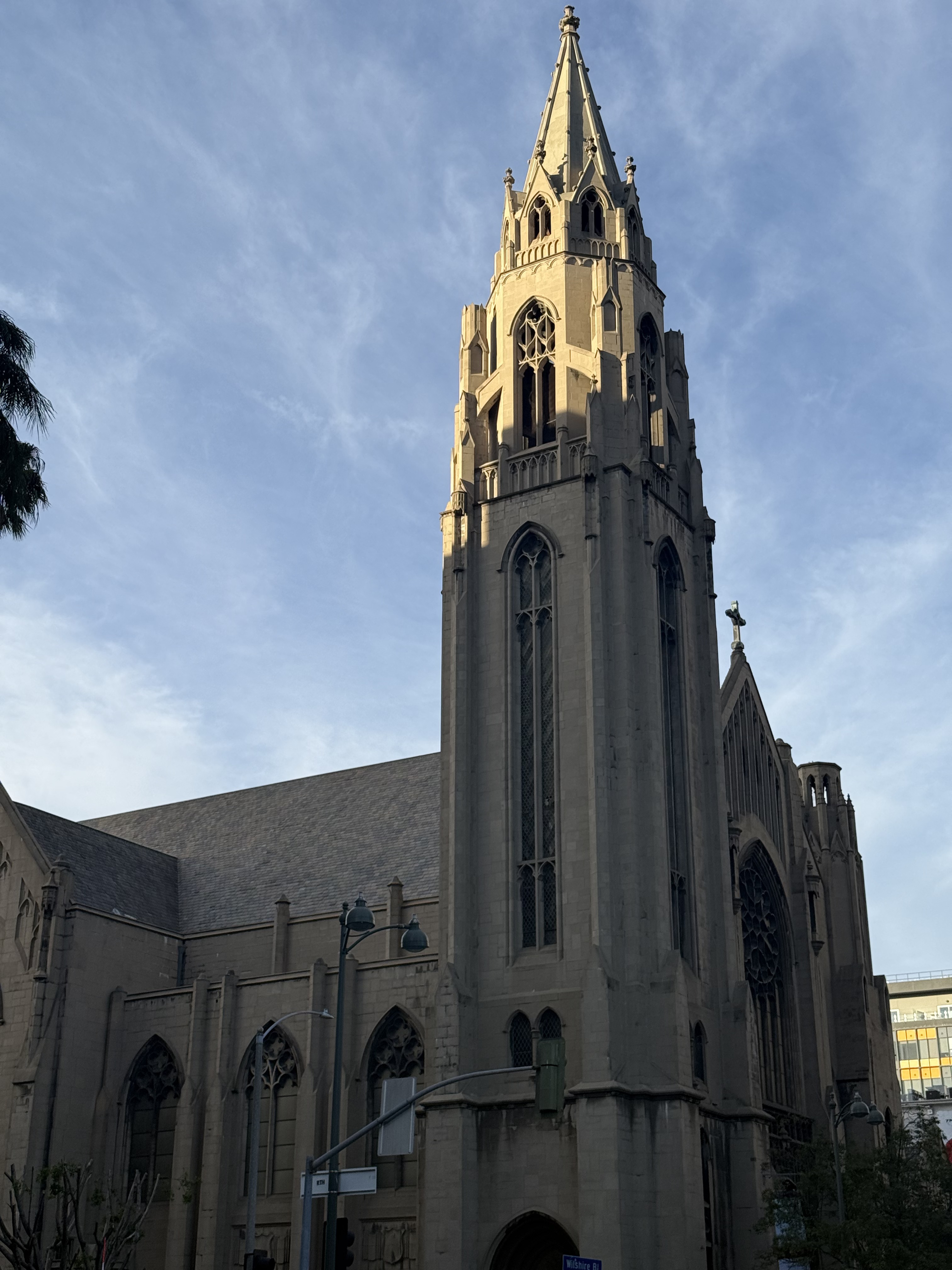
- Towering spires and pinnacles reaching skyward
- Gargoyles and chimeras serving both decorative and practical water spout functions