
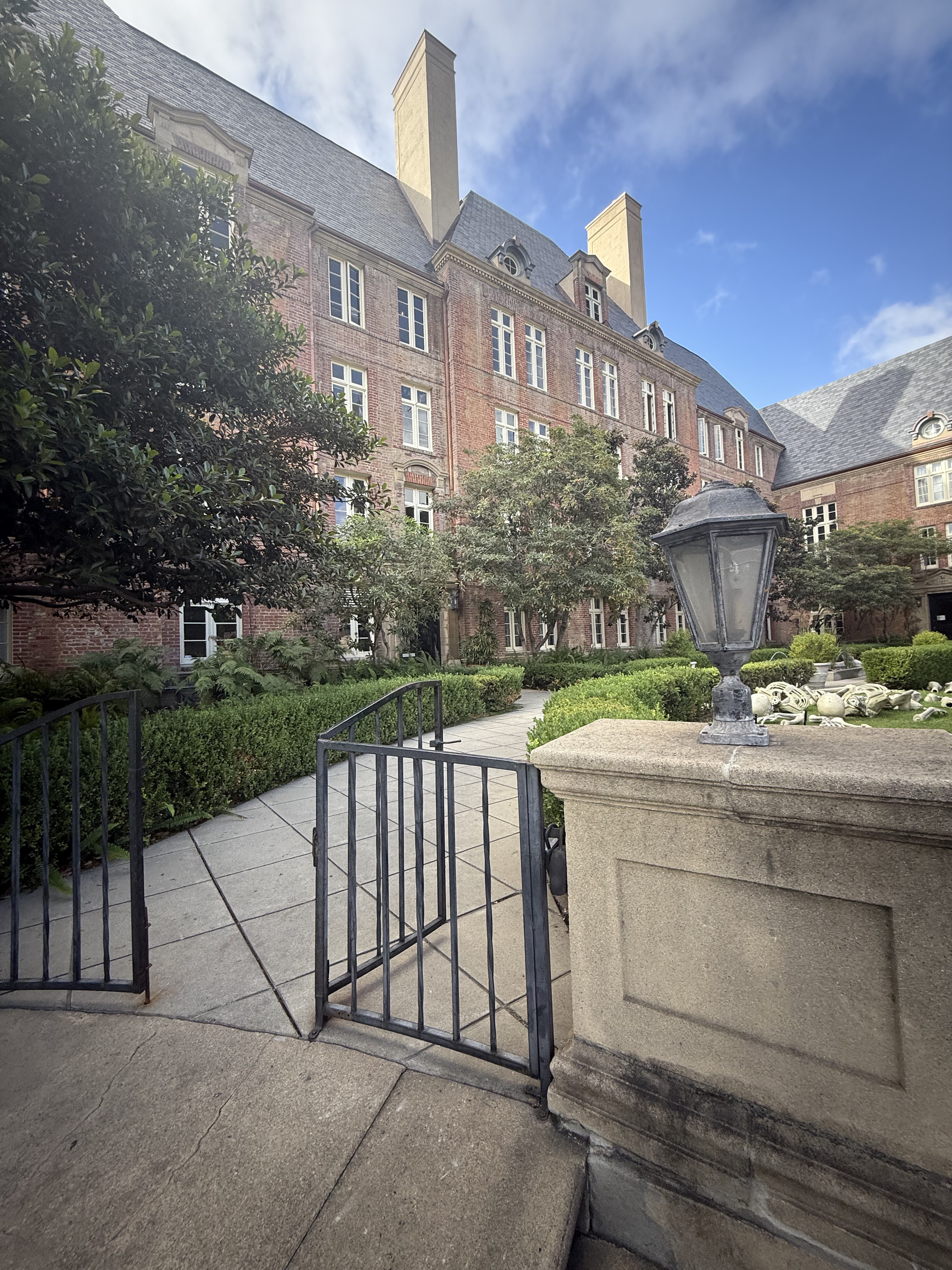
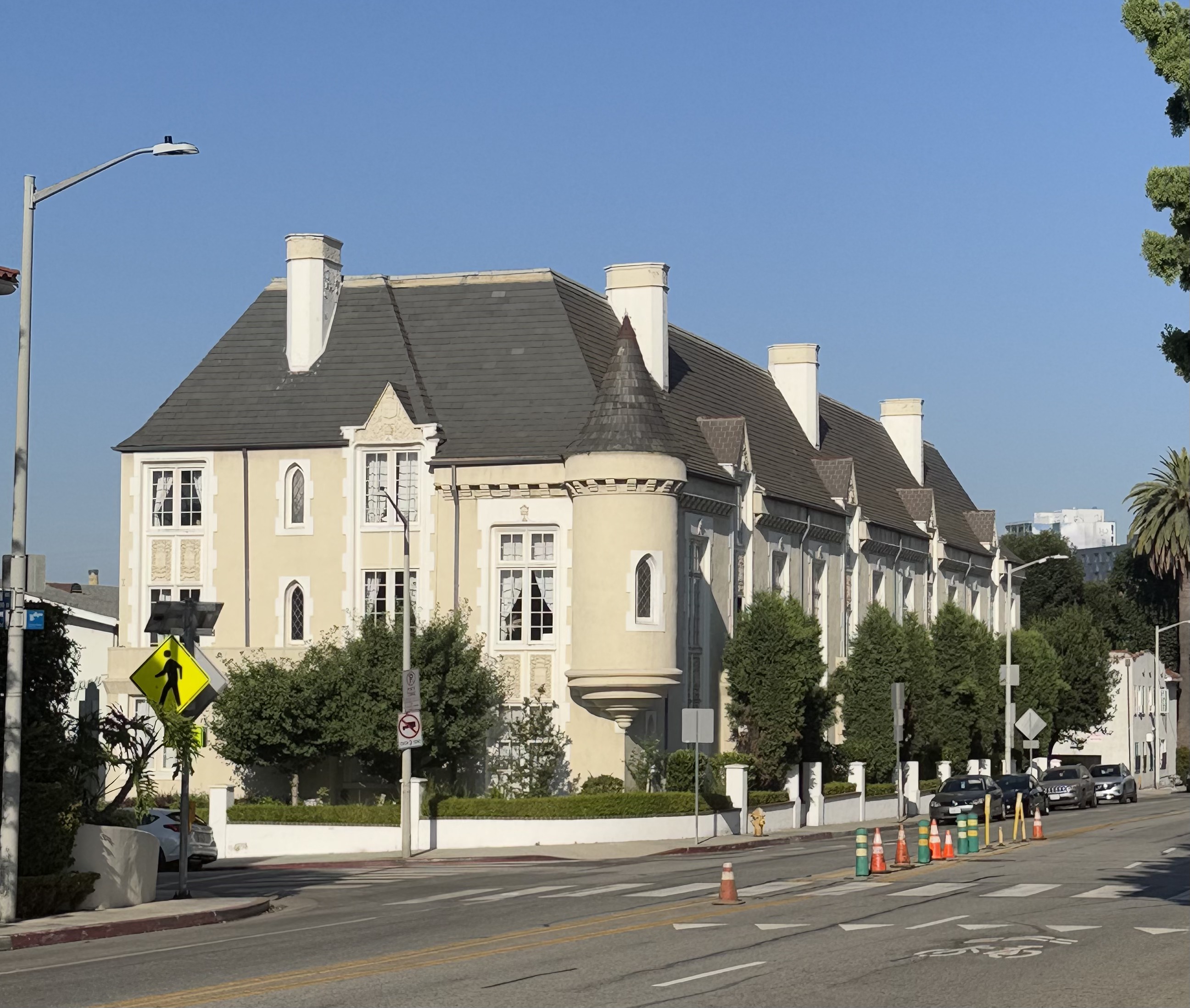
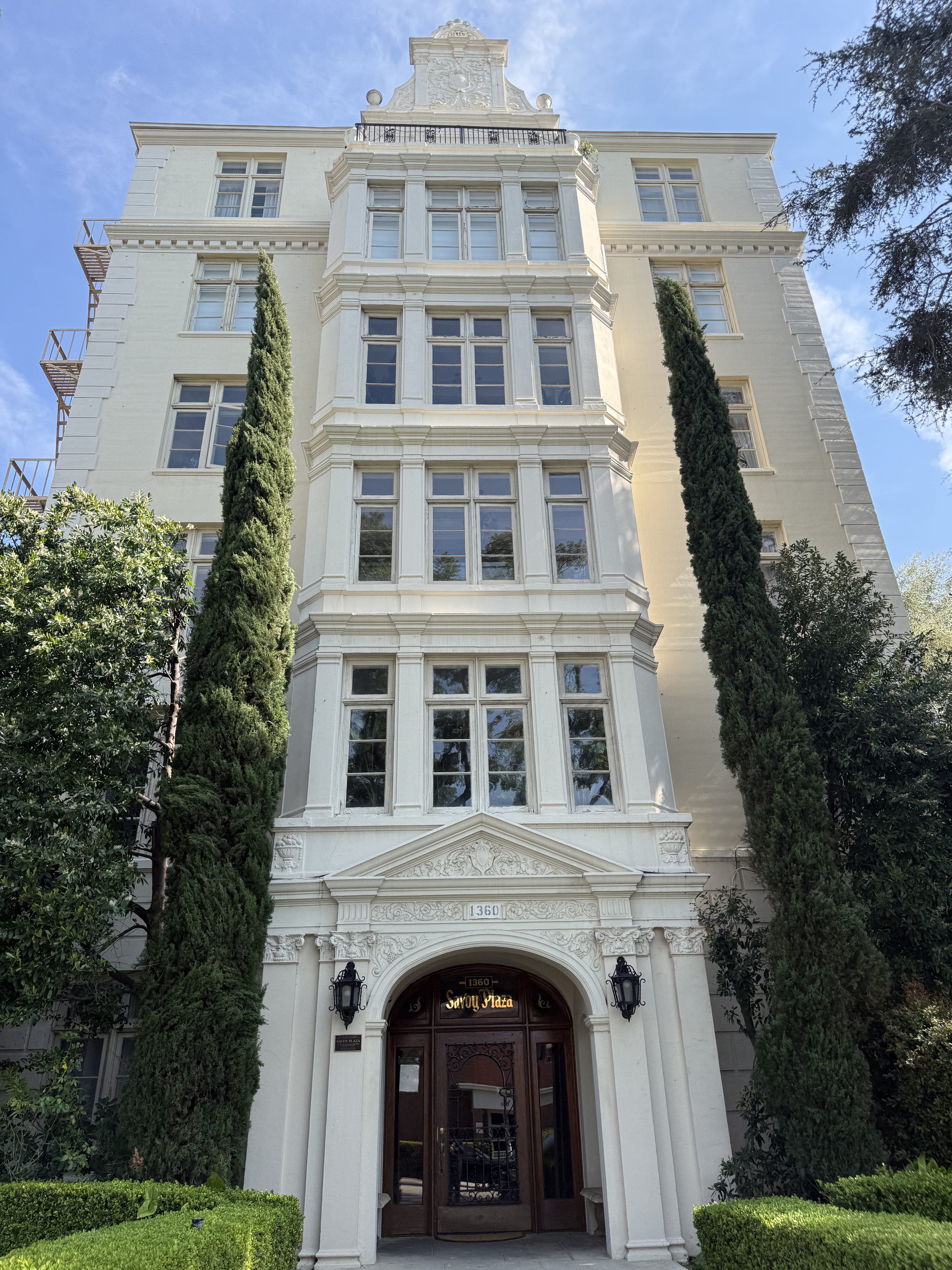
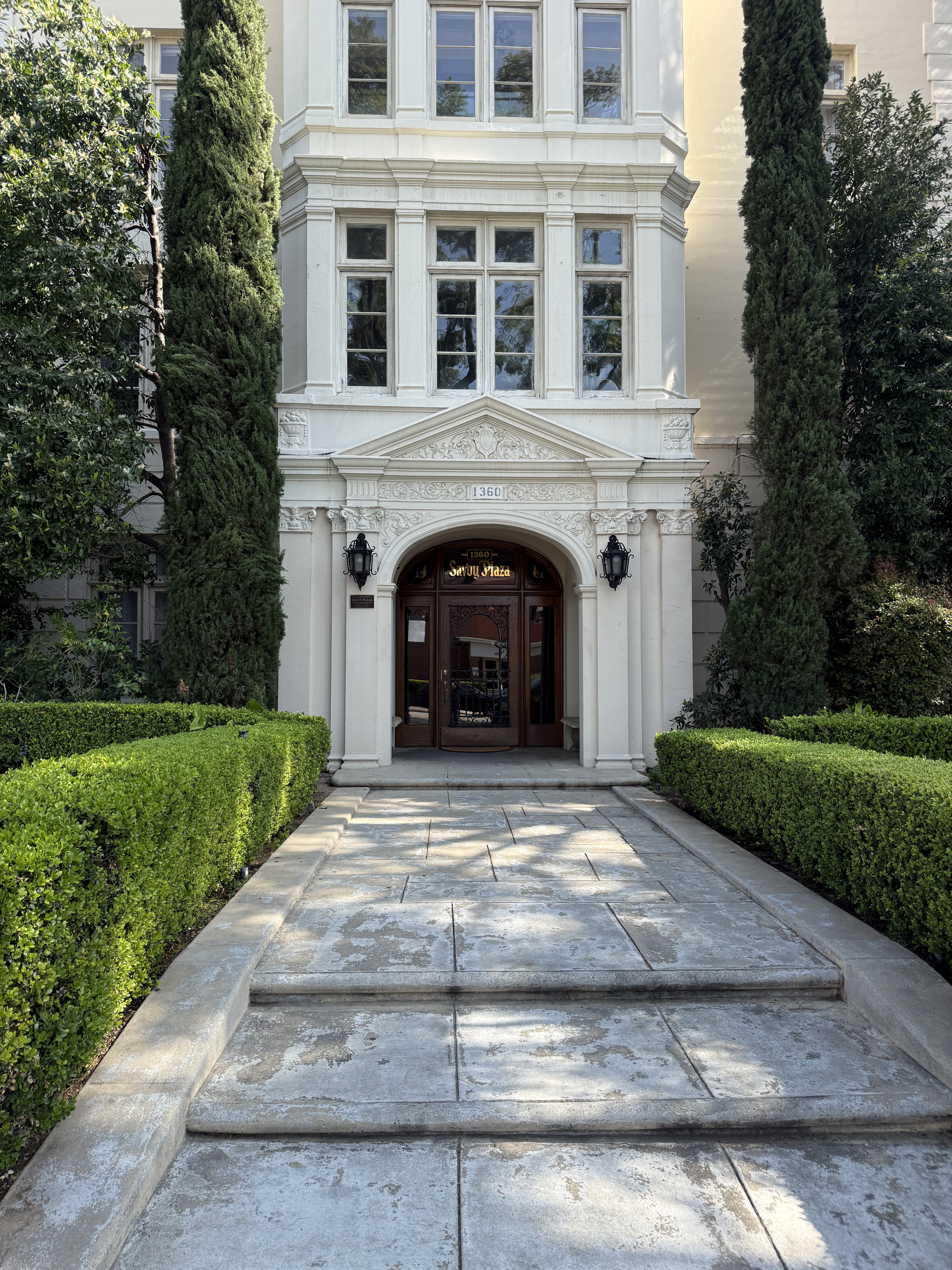
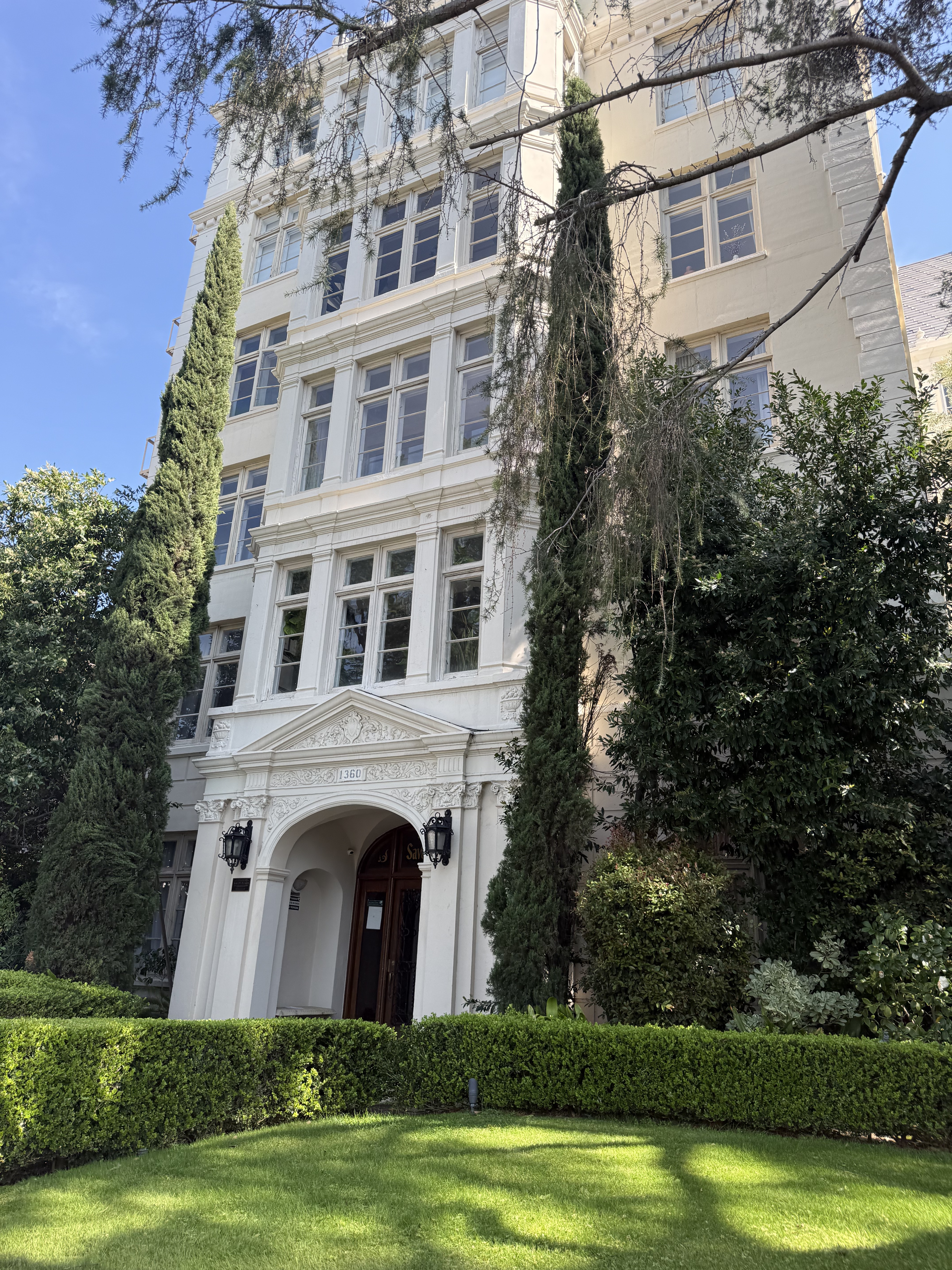
French Revival architecture emerged in the mid-19th century as architects drew inspiration from the French Renaissance period when Italian Renaissance ideas merged with traditional French Gothic elements during the Italian Wars of the early 16th century. This architectural movement represented 19th-century romanticism and nostalgia for perceived golden ages. Architects freely adapted and combined elements from different periods of French architecture, creating buildings that captured the spirit rather than exact replication of historical models. The style embodied the wealth and cultural aspirations of America's Gilded Age elite who had toured Europe and sought to transplant Continental sophistication. French Revival drew more broadly from French Renaissance architecture. The style was popular for public buildings, luxury hotels, and urban mansions, particularly along prestigious avenues in major cities.
ELEMENTS
- Steeply pitched roofs with elaborate dormers and ornate finials
- Mansard roofs with dual-pitched design maximizing interior space
- Tall rectangular windows grouped in vertical bands with classical architraves
- Grand entrances featuring pediments and entablatures
- Rusticated stone quoins providing structural emphasis at corners
- Tall chimneys with decorative details
- Classical columns and pilasters
- Story-by-story ornamentation approach rather than unified classical composition