
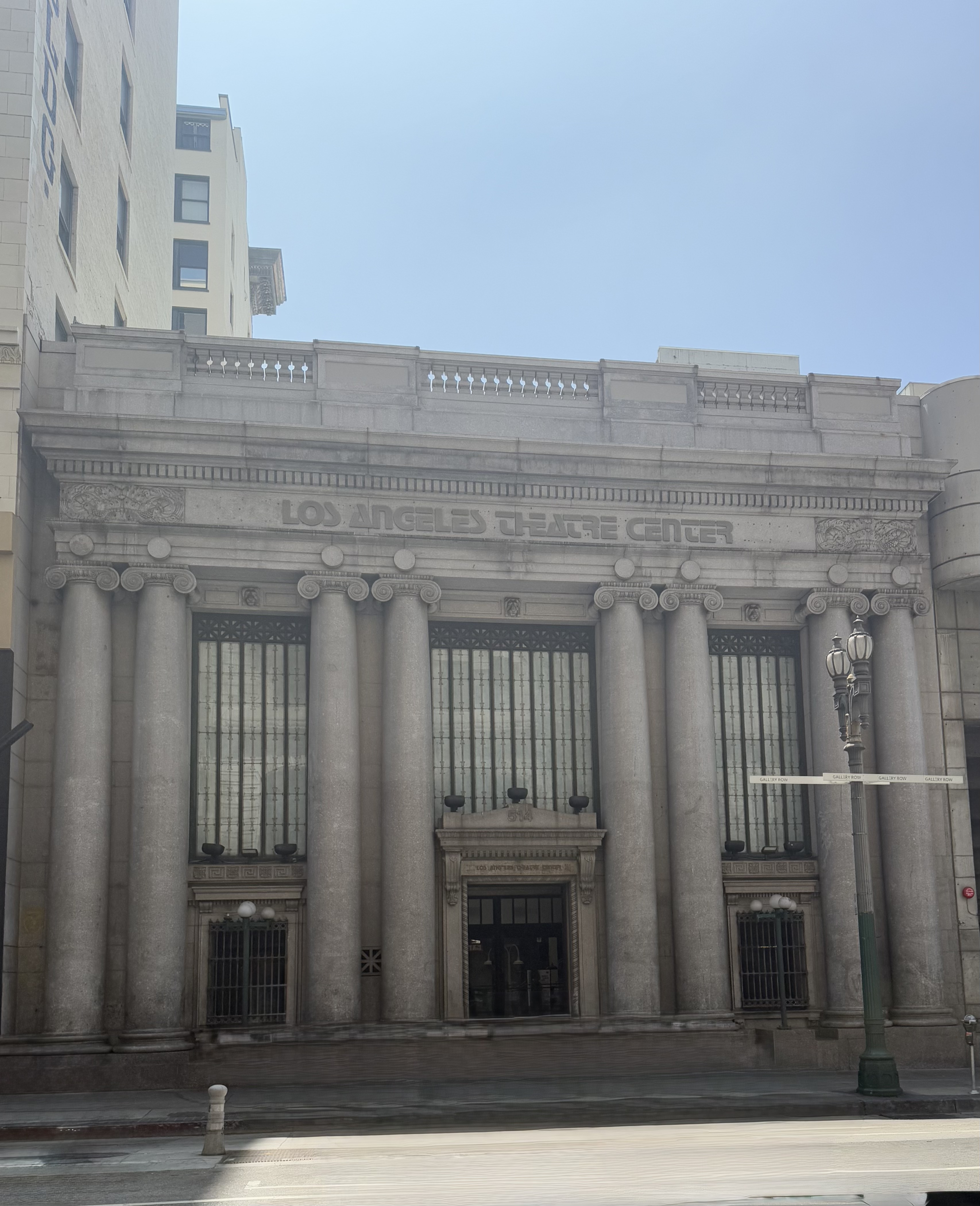
Greek Revival architecture emerged in the mid-18th century and flourished from the late 18th to mid-19th centuries, representing the final phase of Neoclassical architecture. This style revived ancient Greek architectural forms, particularly the Greek temple, and became a powerful symbol of democracy, nationalism, and cultural sophistication across Europe and North America. The movement gained momentum from the Greek War of Independence (1821-1829) which generated philhellenic sentiment, alongside archaeological publications like "The Antiquities of Athens" (1762) providing measured drawings. Newly independent America particularly embraced Greek Revival as architectural expression of democratic ideals, rejecting British Georgian architecture's monarchical associations. The style peaked during the 1830s-1840s but declined after the Civil War as Gothic Revival gained favor and the discovery that Greeks had painted their temples challenged the pure white aesthetic. The style dominated institutional architecture including government buildings, banks, universities, and civic structures. Public buildings particularly embraced the temple-front approach, while residential structures often featured Greek columns and pediments on front porches or entrances.
ELEMENTS
- Thick, fluted Doric (unadorned with flutted shaft) columns that extend directly to the floor without distinct bases
- Bold triangular pediments crowning porticos or main entrances
- Complex horizontal entablature (decorative band) elements above columns
- Impressive temple-style façades, even when other building faces are more utilitarian
- Low-pitched gabled roofs with heavy emphasis on horizontal lines
- Rectangular windows arranged in symmetrical patterns
- Simple, geometric forms emphasizing structural clarity over ornamentation