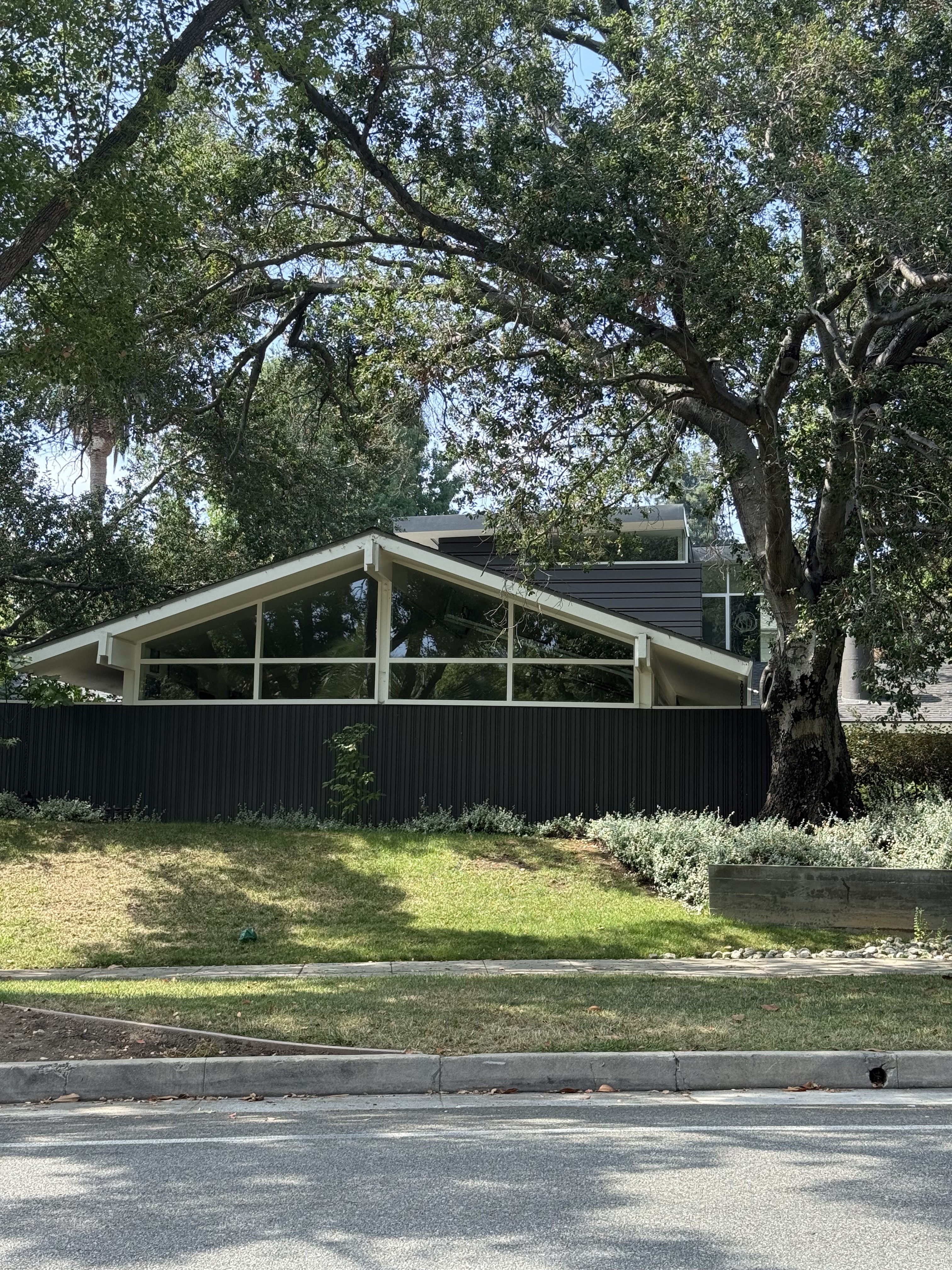
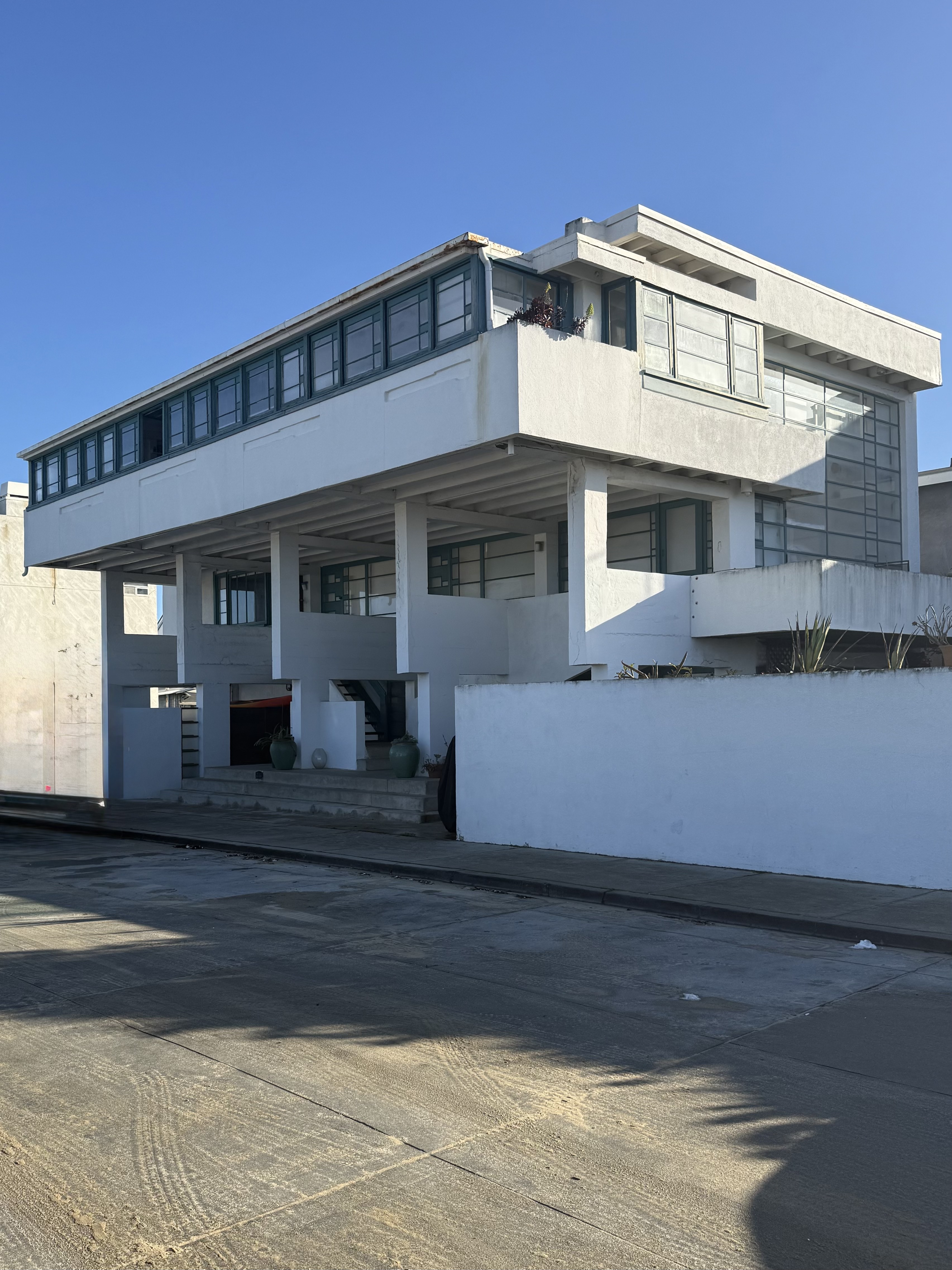
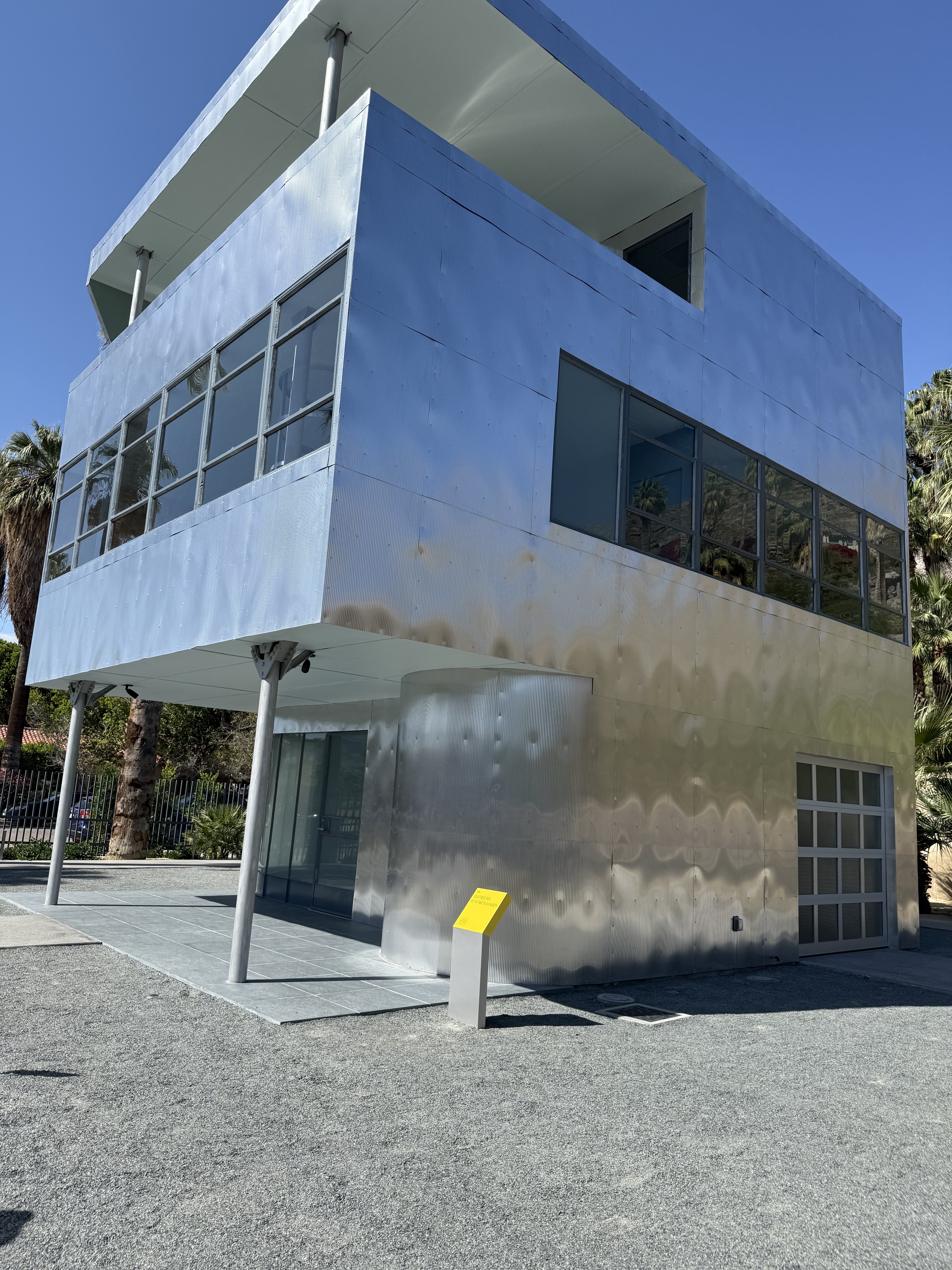


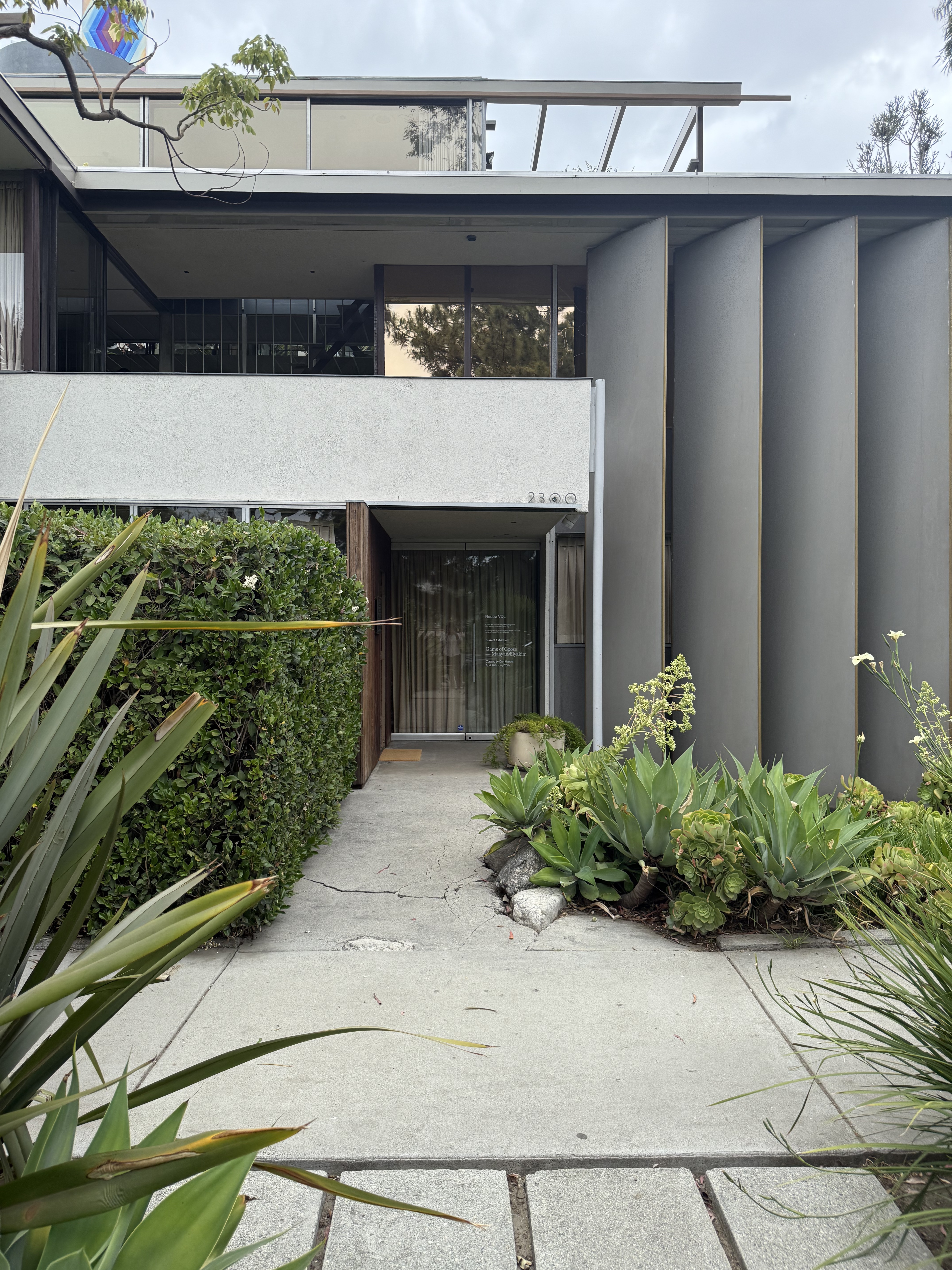
The International Style emerged in 1920s Western Europe and dominated modern architecture until the 1970s, fundamentally transforming urban skylines worldwide with its revolutionary approach to building design. The style follows three key principles: architecture as volume, regularity in facade design, and complete rejection of applied ornamentation. The movement embraced the philosophy that "form follows function" and Le Corbusier's concept of buildings as "machines for living." Rooted in modernist ideals of progress, democracy, and industrial efficiency, the International Style rejected historical references and regional traditions in favor of universal design solutions. The Bauhaus school played a crucial role in developing and disseminating these design principles globally, before Nazi closure forced emigration spreading principles to America and Britain.
ELEMENTS
- Clean, geometric forms with rectilinear shapes
- Flat roofs with no decorative elements
- Extensive glass curtain walls creating transparent facades
- Horizontal ribbon windows arranged in grid patterns
- Steel frame construction with concrete elements
- Open floor plans that blur interior-exterior boundaries
- Modular, repetitive elements throughout the structure
- Emphasis on horizontal rather than vertical lines
- Monochromatic color schemes, typically white, black, or gray