Italian Renaissance architecture represents a conscious revival of classical Greek and Roman principles, marking a dramatic departure from Gothic style. This revolutionary movement began in Florence around 1420 with Filippo Brunelleschi's designs and quickly spread throughout Italy and Europe, emphasizing symmetry, proportion, and geometry based on mathematical relationships. The movement embodied Renaissance humanist ideals placing human reason and classical learning at center of intellectual life. Renaissance architecture flourished under wealthy patronage from families like the Medici, the Catholic Church, and civic institutions. Architects like Brunelleschi, Leon Battista Alberti, and Andrea Palladio developed theoretical principles through treatises, establishing architecture as intellectual discipline requiring mathematical and humanistic education. This architectural revolution embodied Renaissance humanist ideals while establishing foundations that influenced Western architecture for centuries.
ELEMENTS
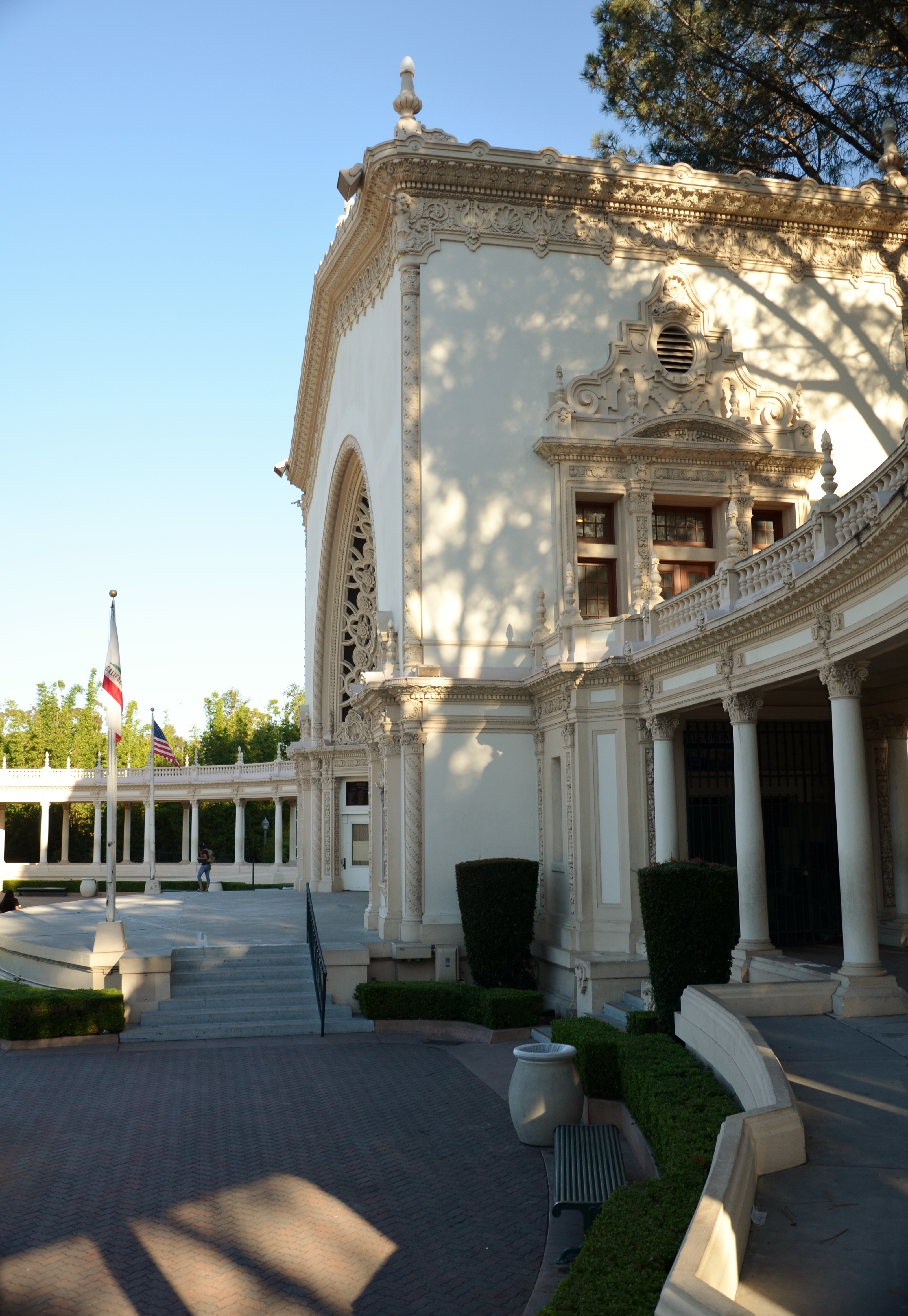
- Classical orders: Tuscan, Doric, Ionic, Corinthian, and Composite columns and pilasters used structurally or decoratively
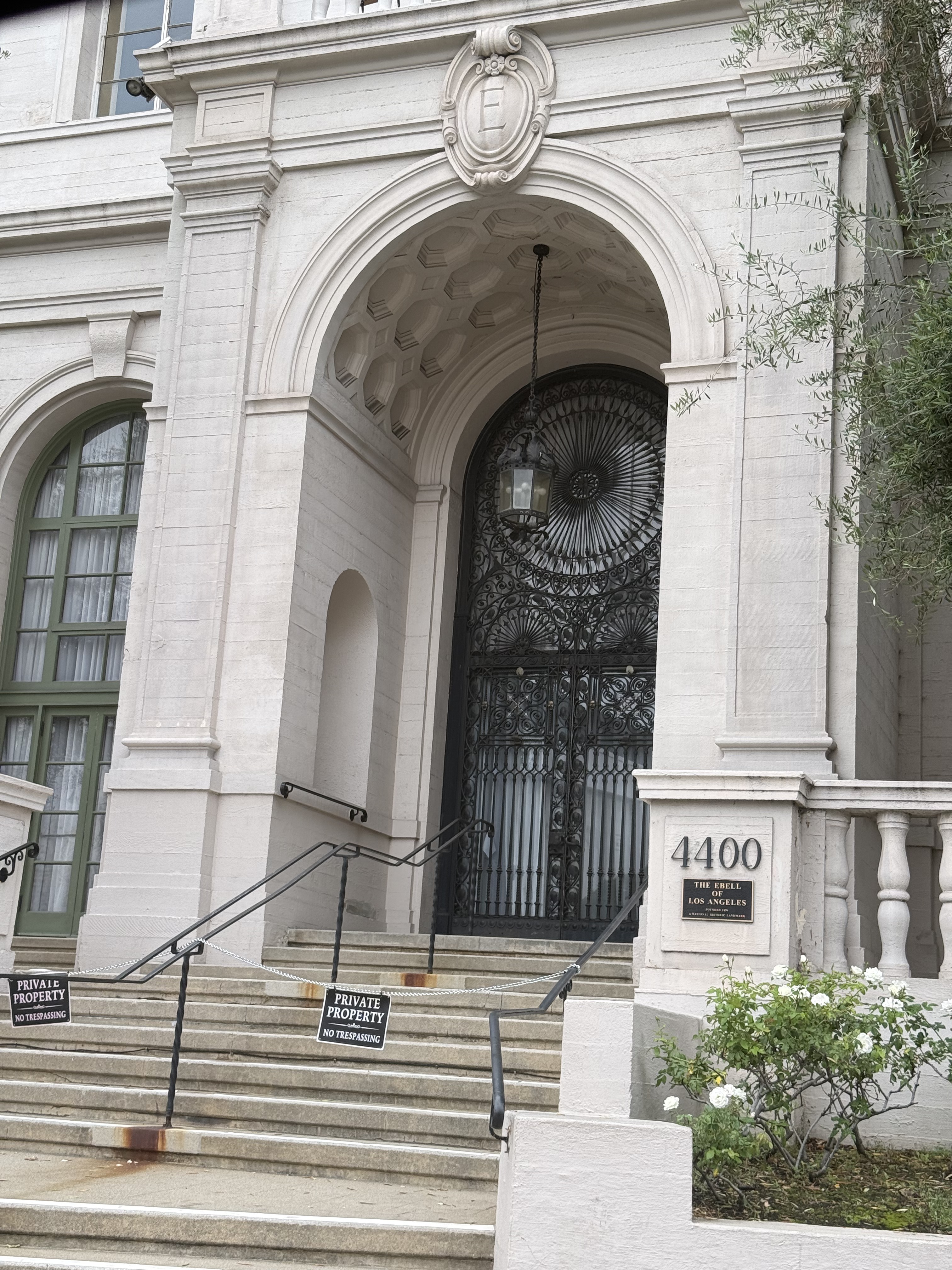
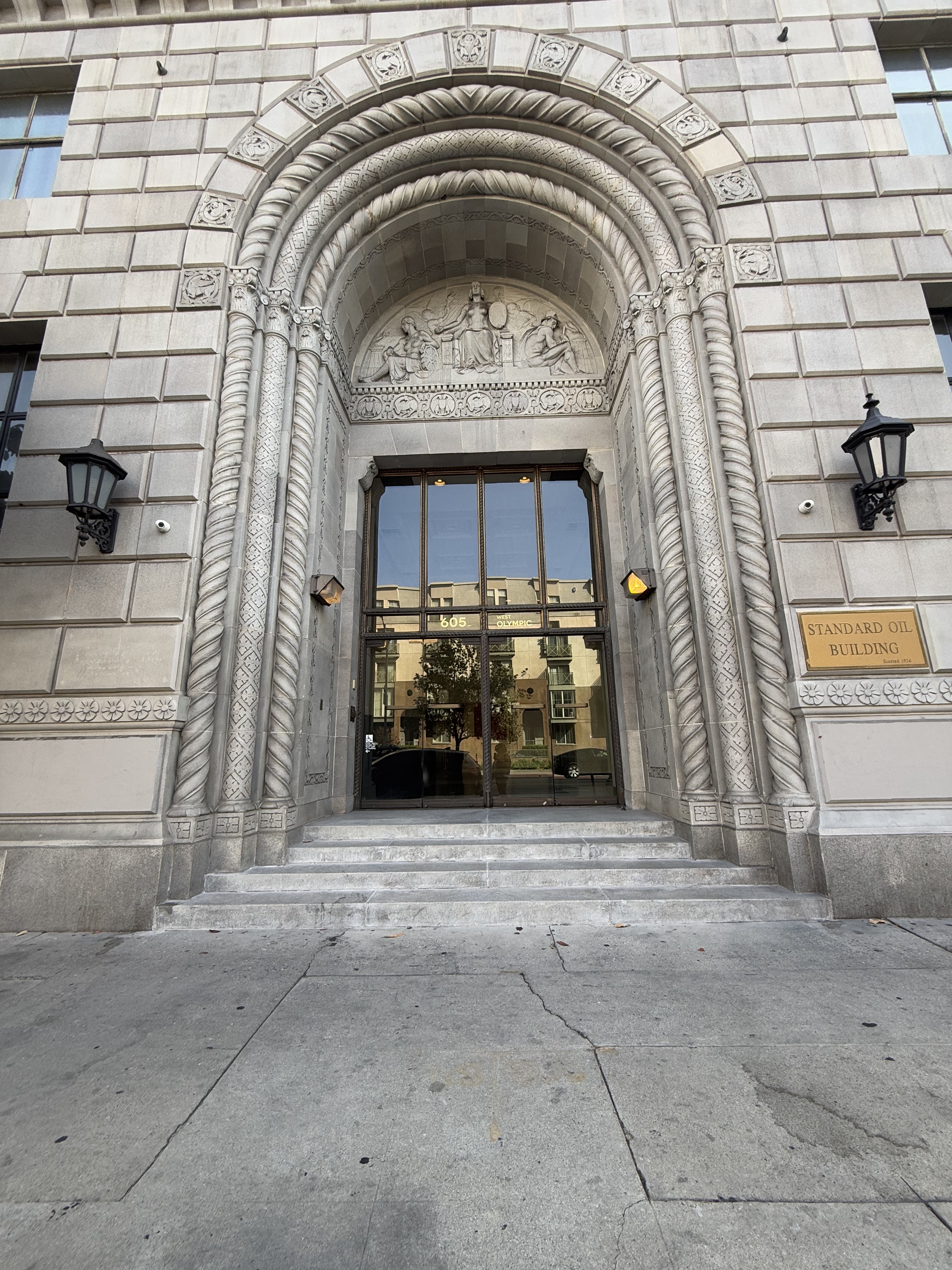
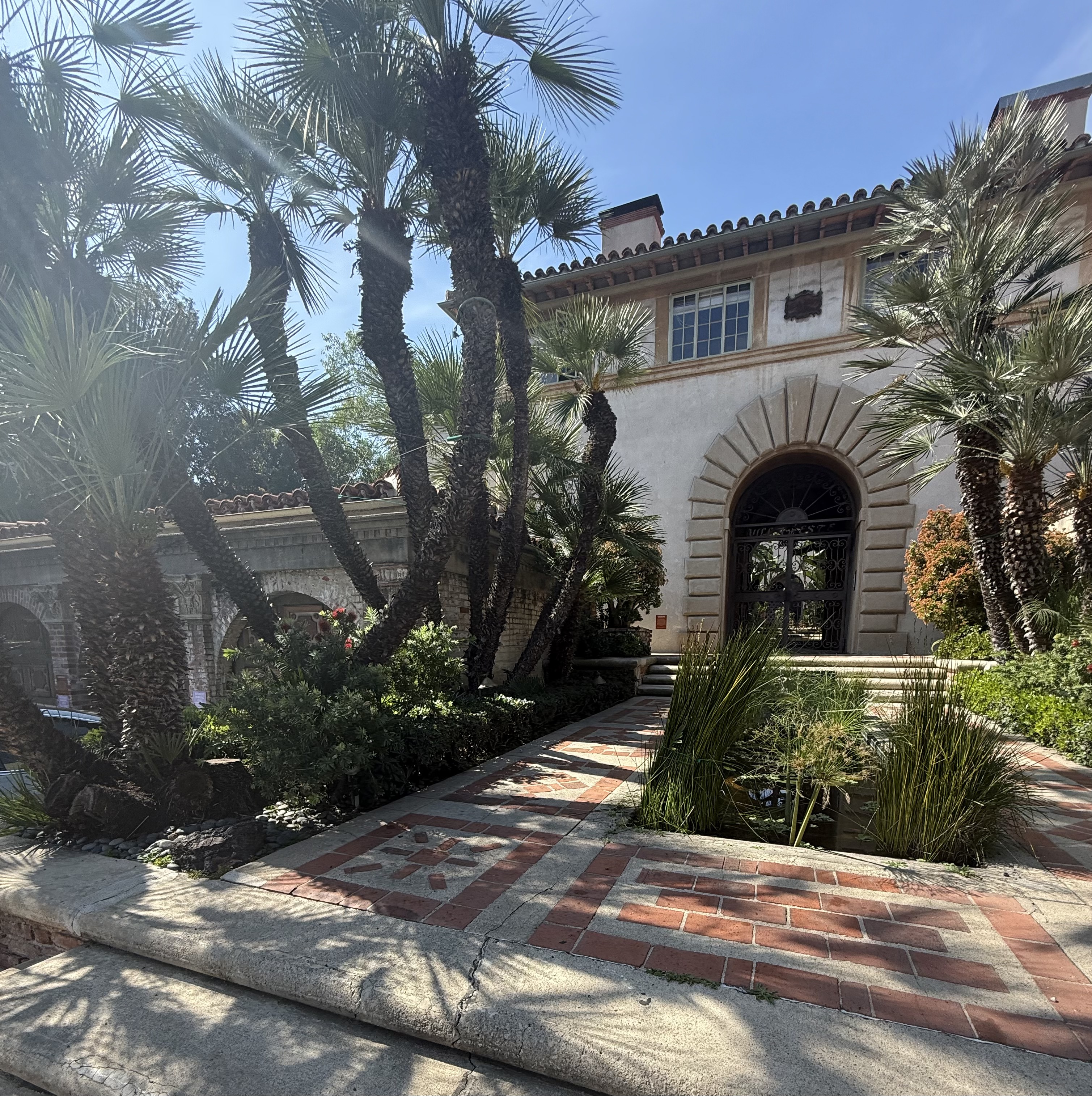
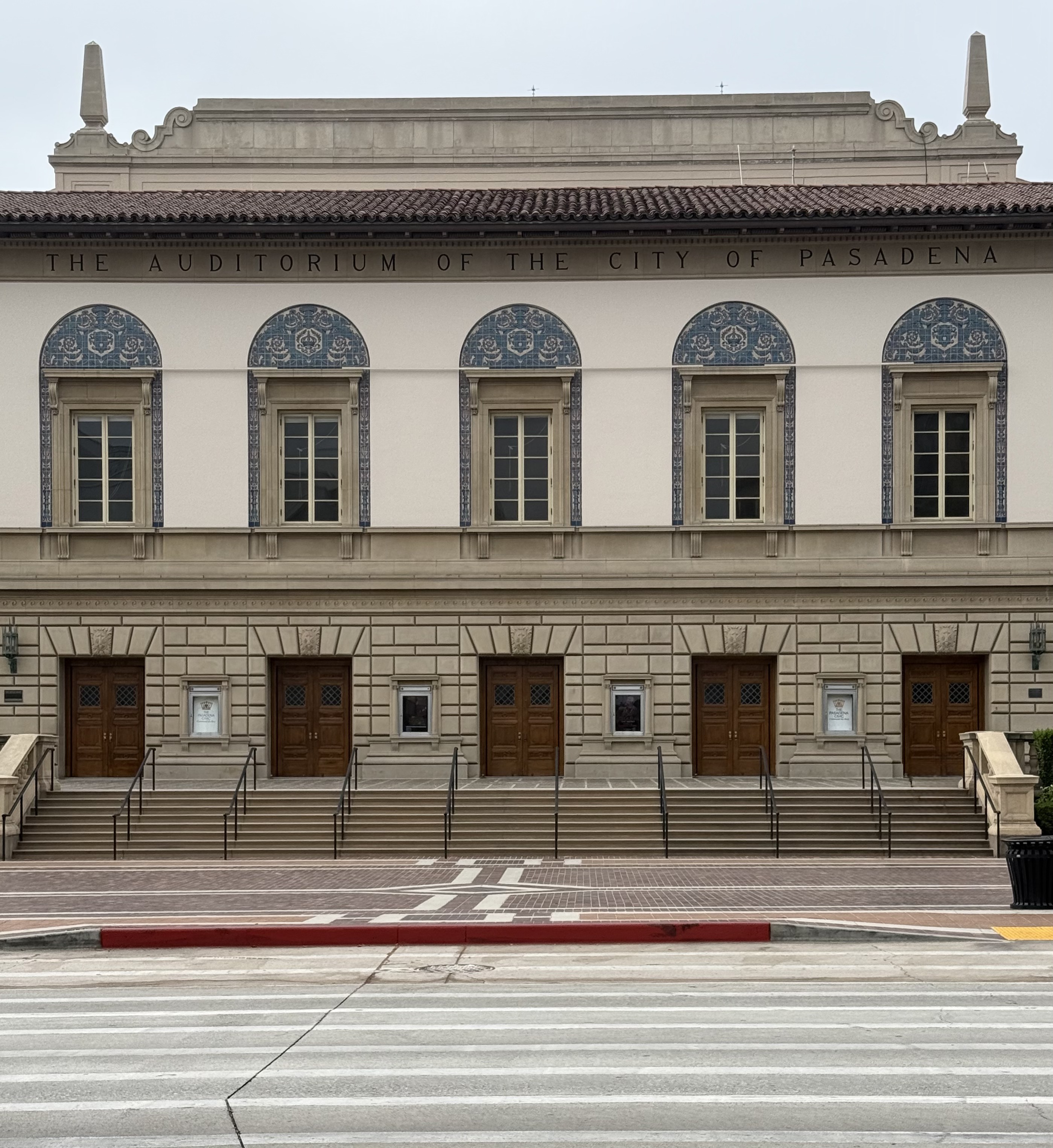
- Semi-circular arches, often arranged in arcades (decorative arches)
- Hemispherical domes as major structural features, inspired by the Pantheon
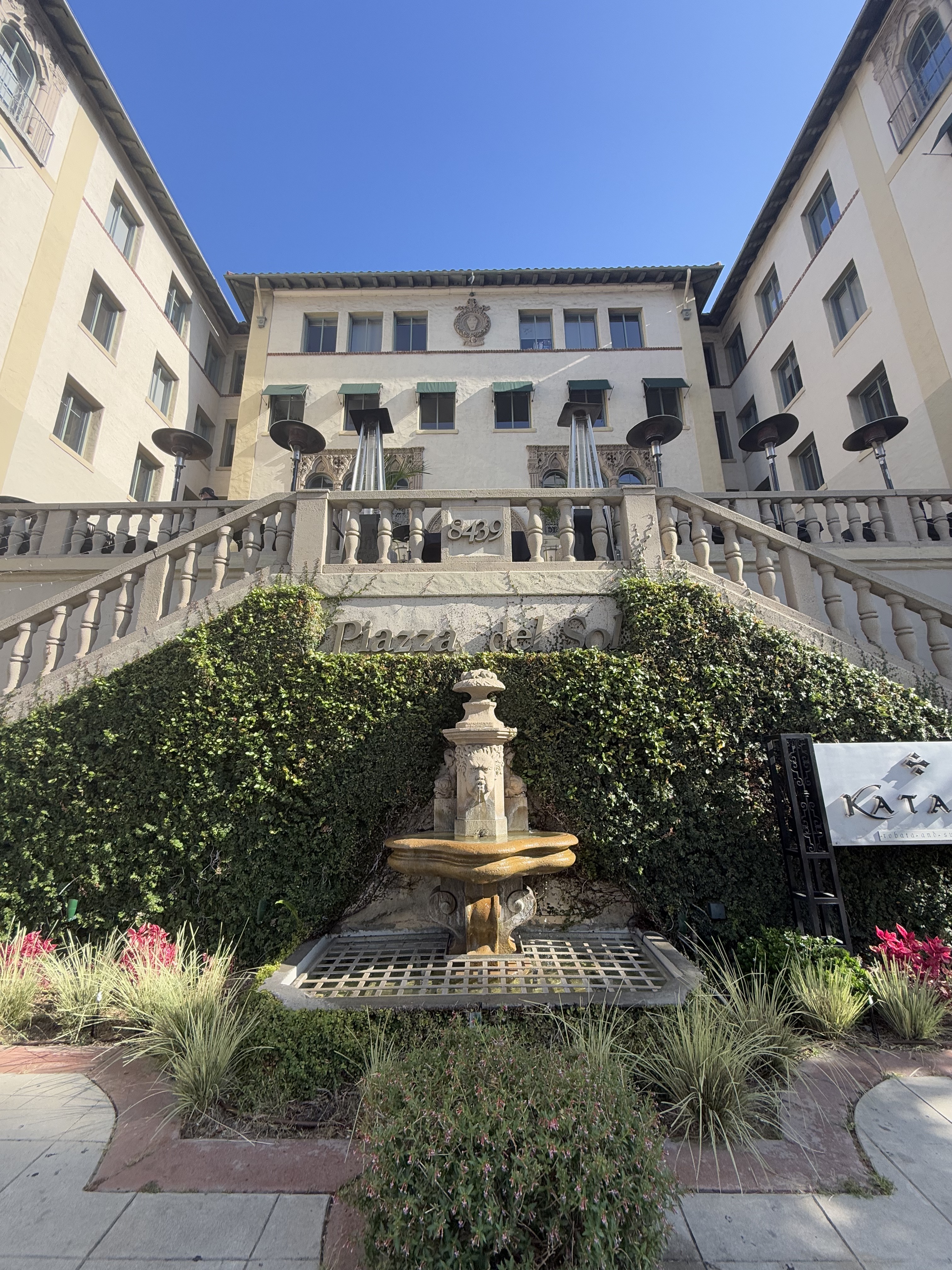
- Symmetrical façades around vertical axis, featuring decorative accents
- Windows often paired within semi-circular arches, with square lintels and triangular or segmental pediments
- Square, symmetrical floor plans with proportions based on modular systems
- Flat or coffered ceilings rather than open medieval structures
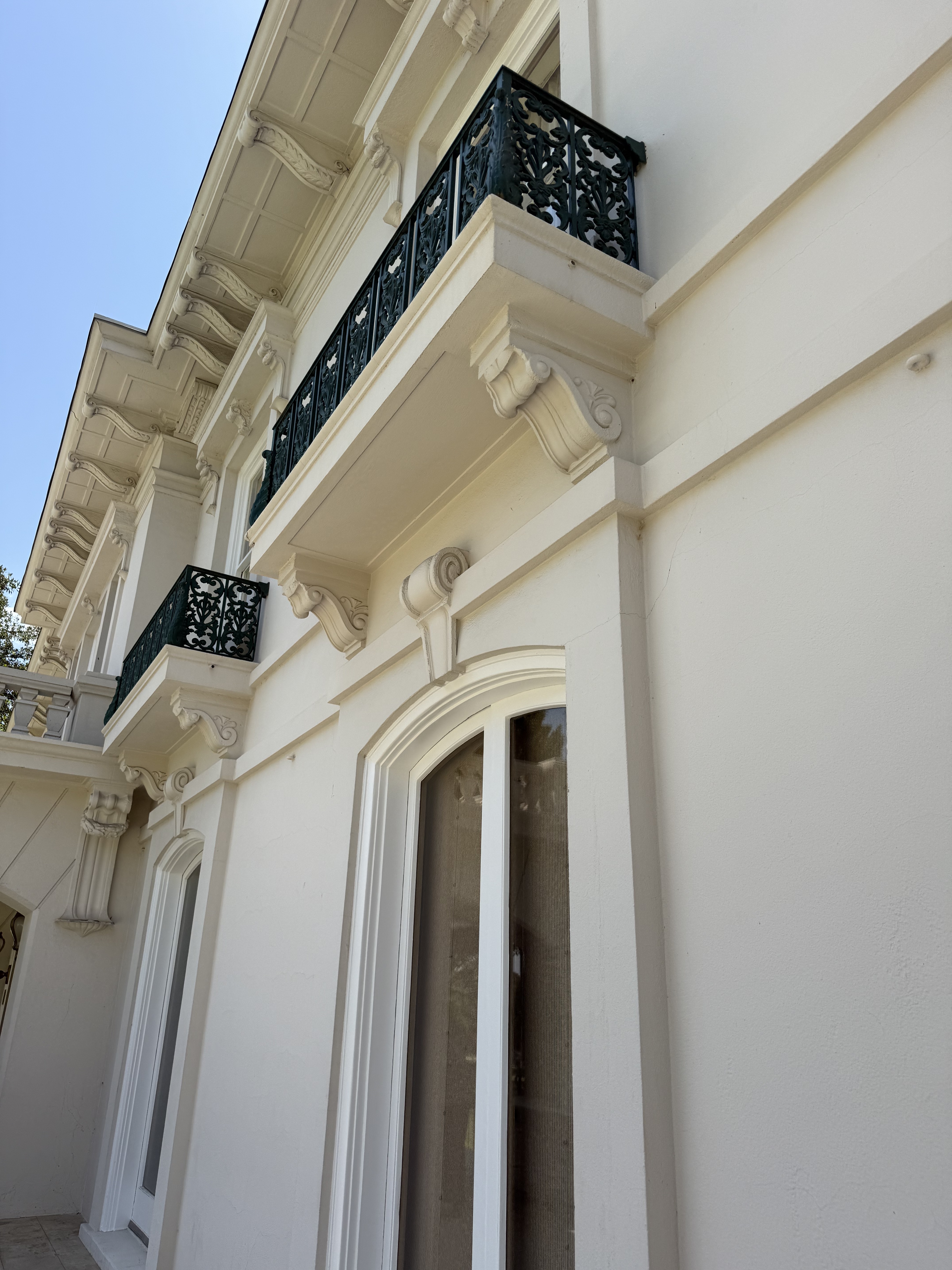
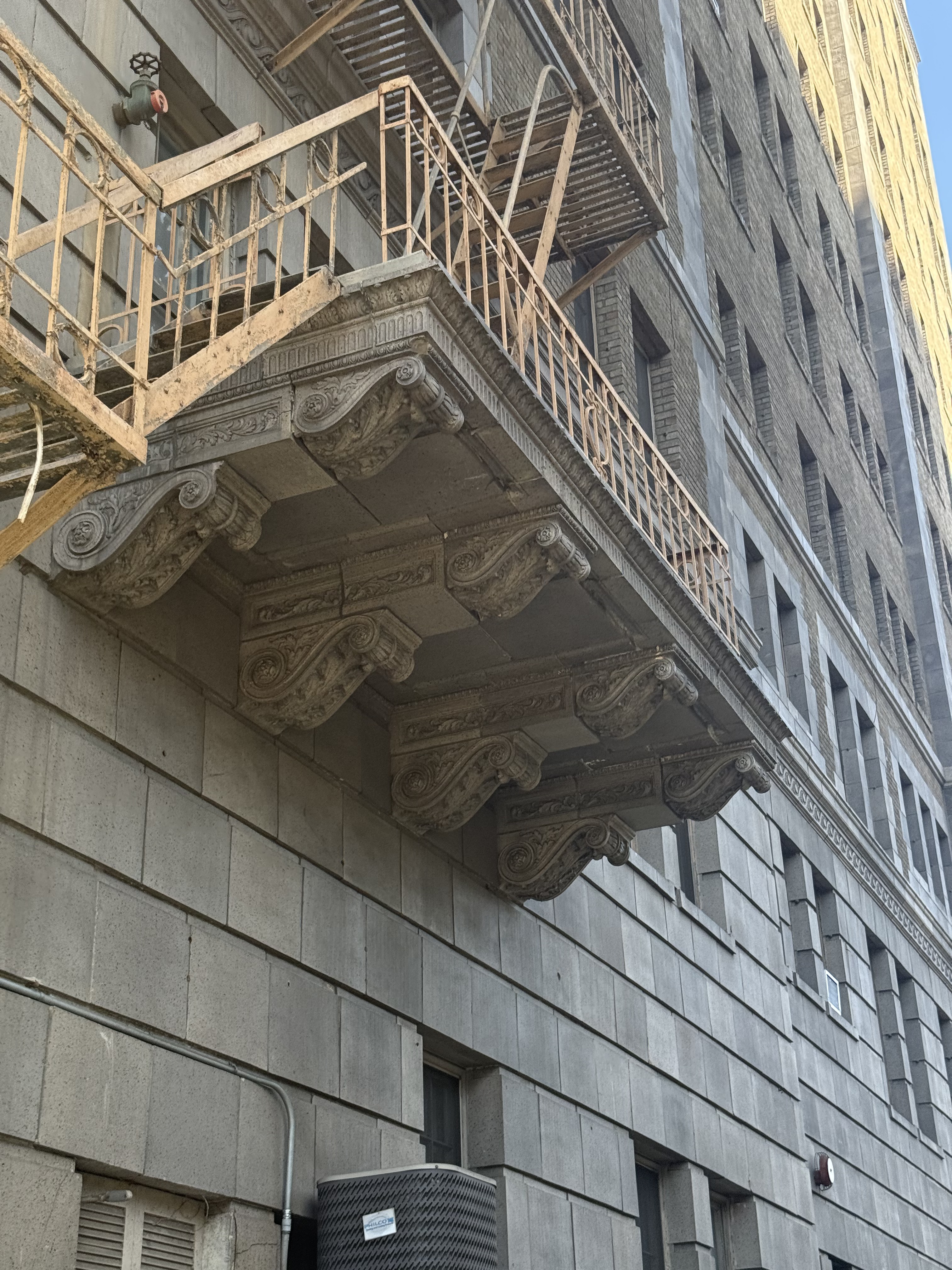
- Precise carved details following classical models with projecting mouldings