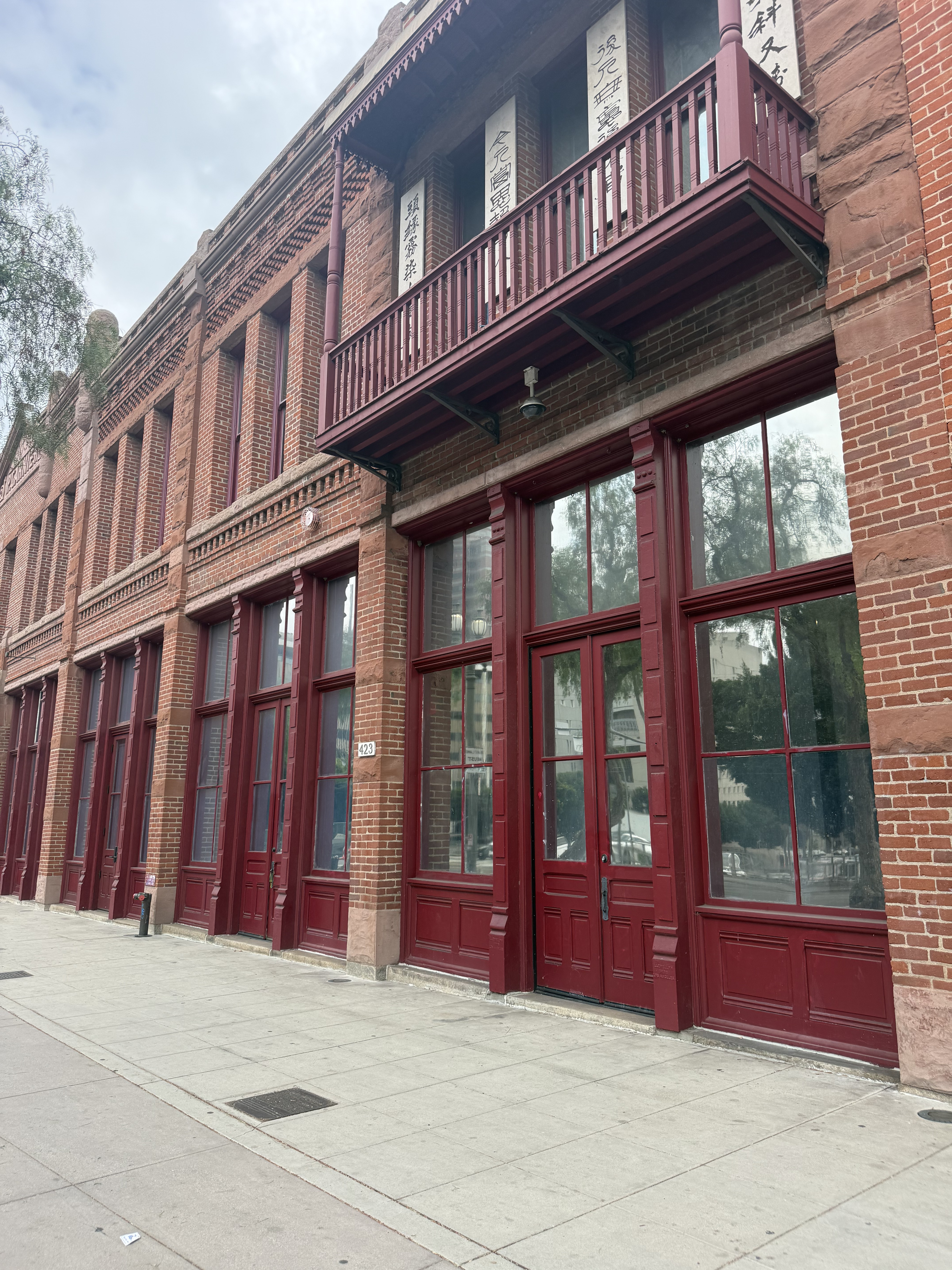
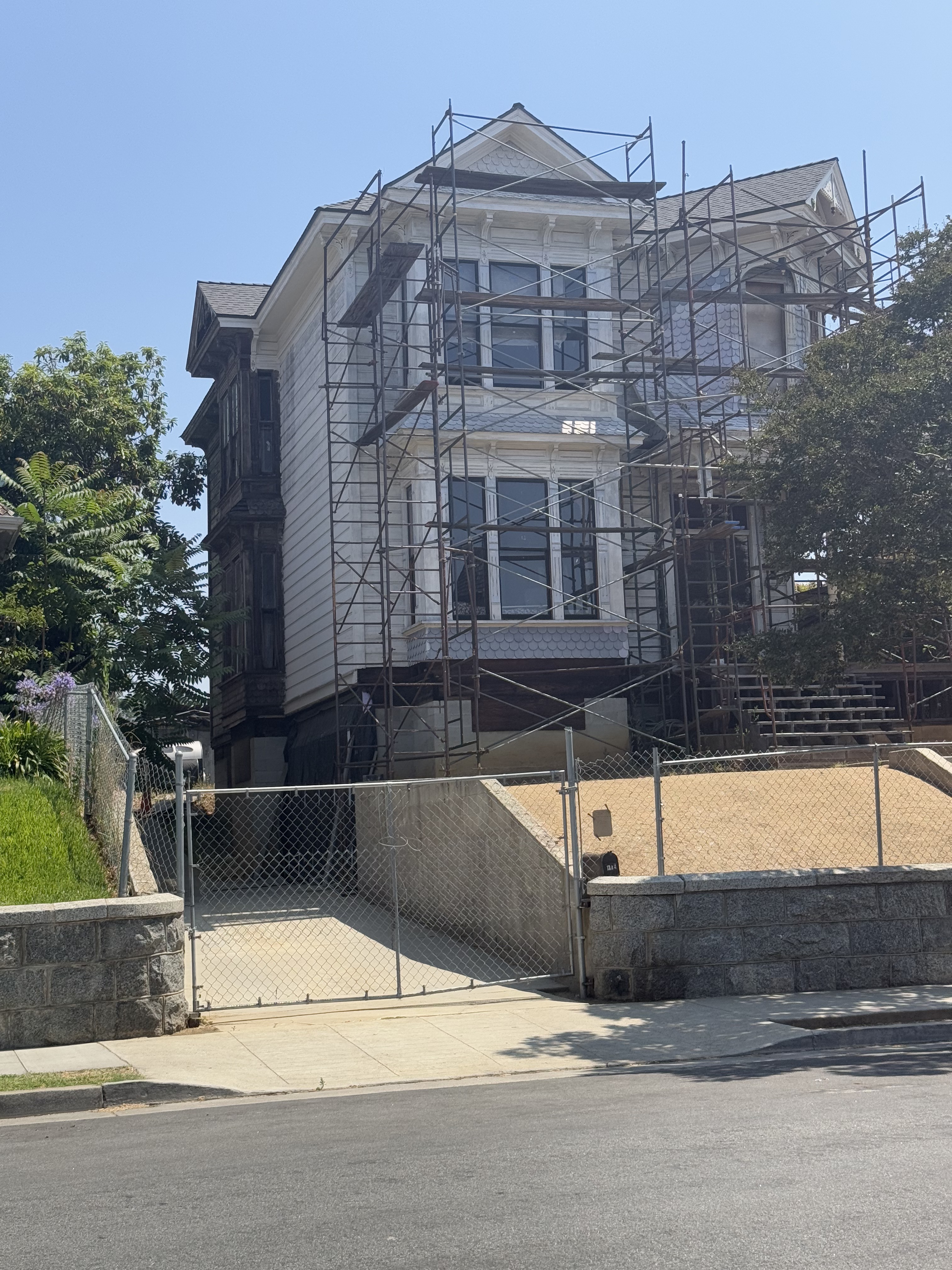
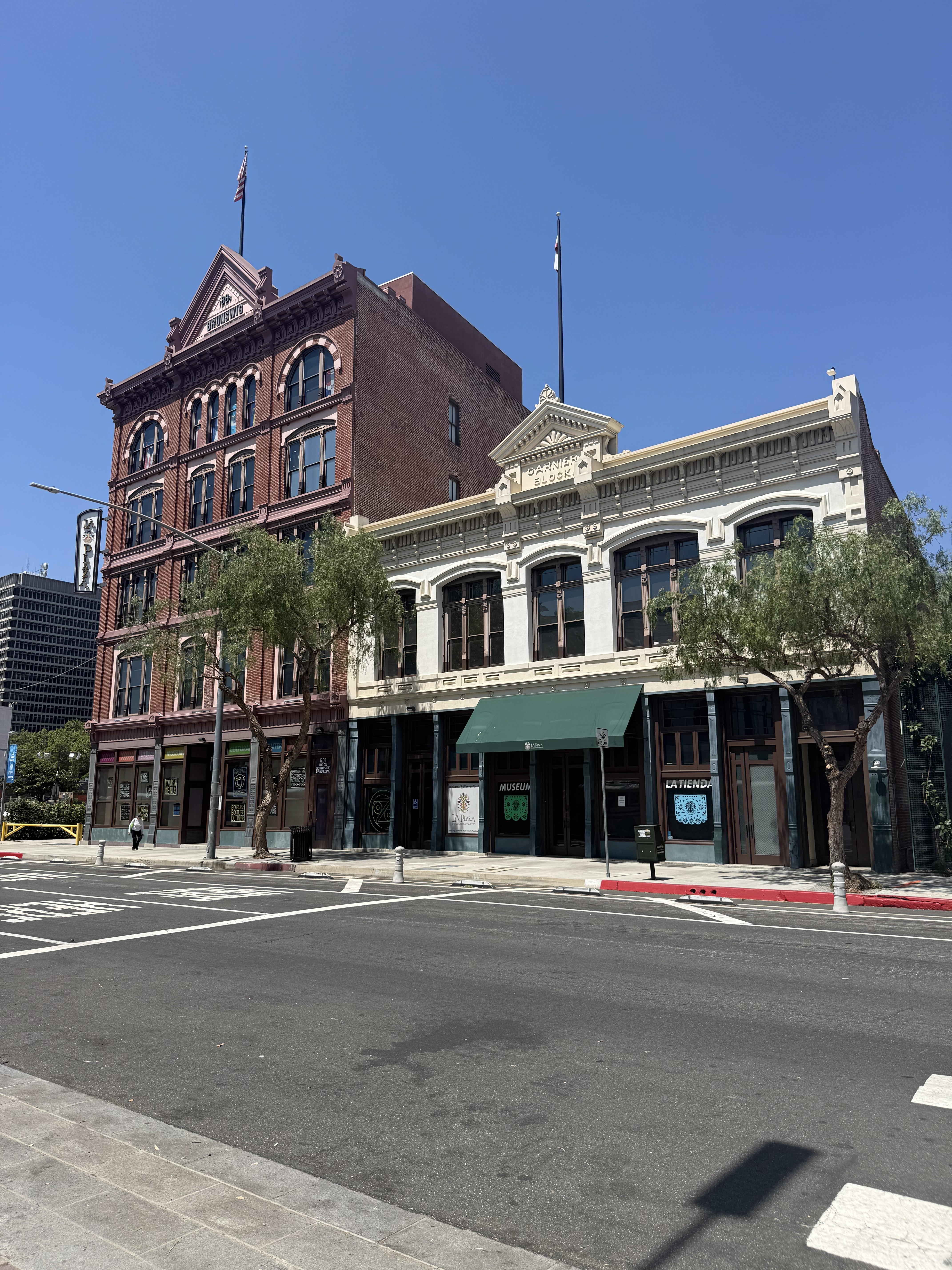
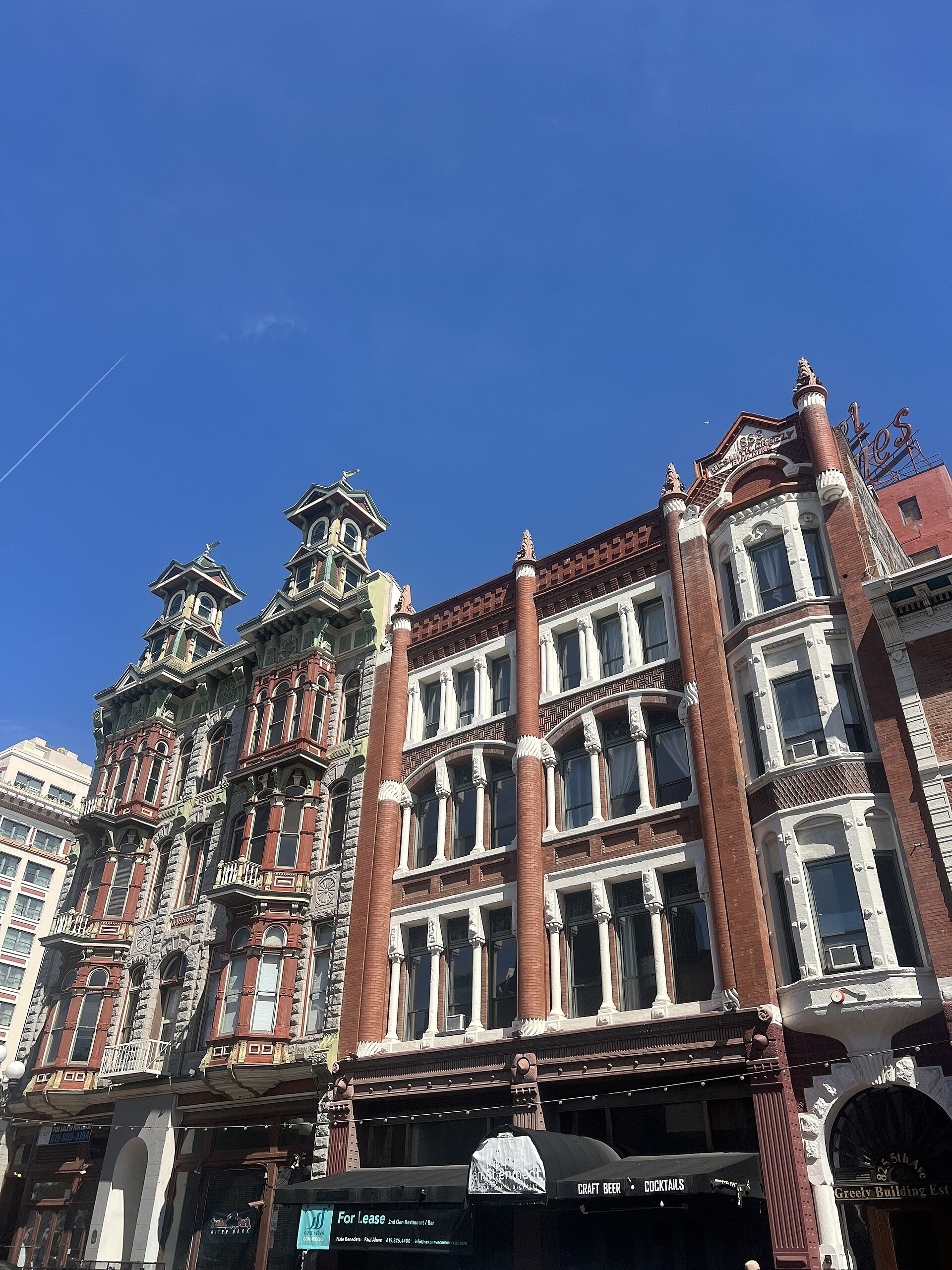
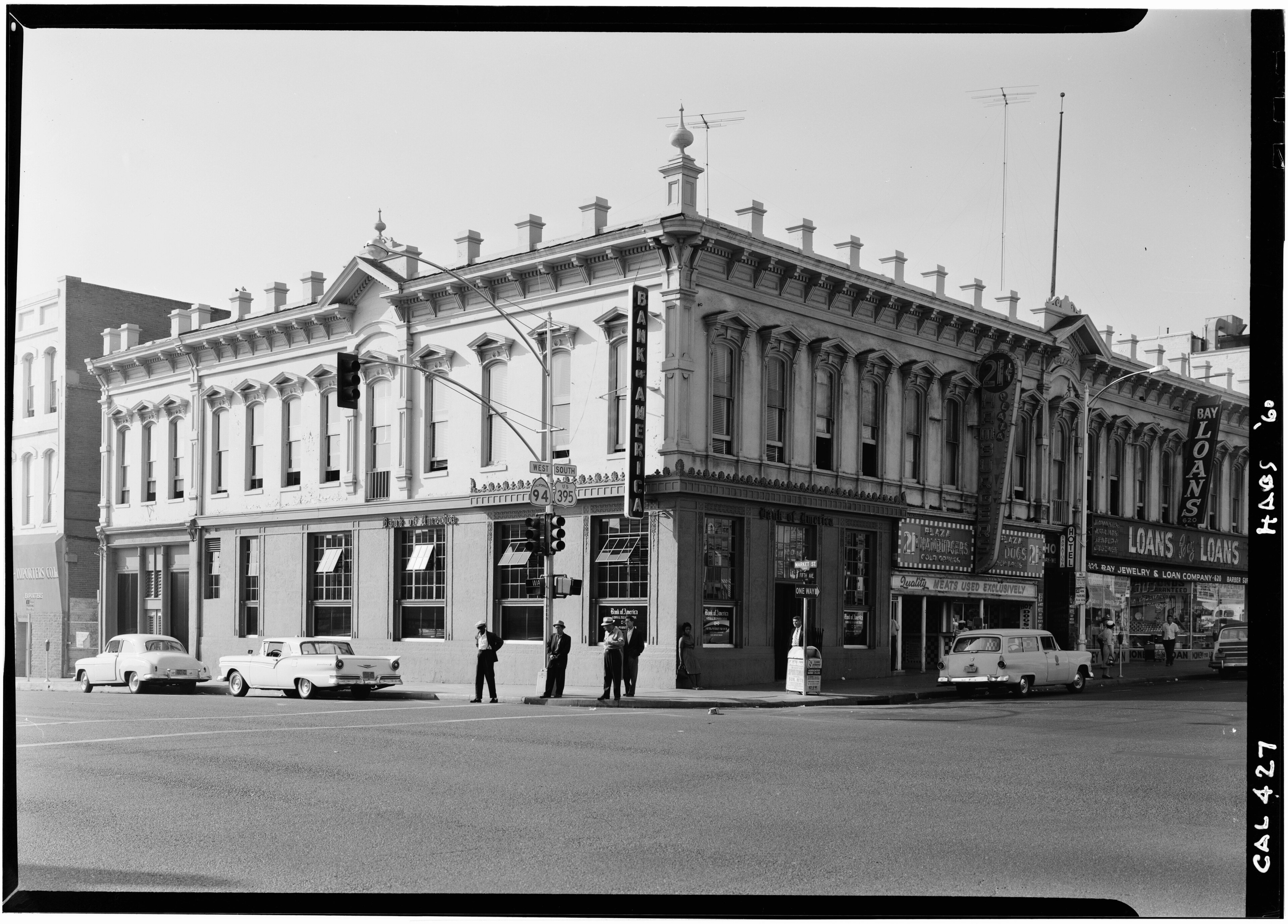
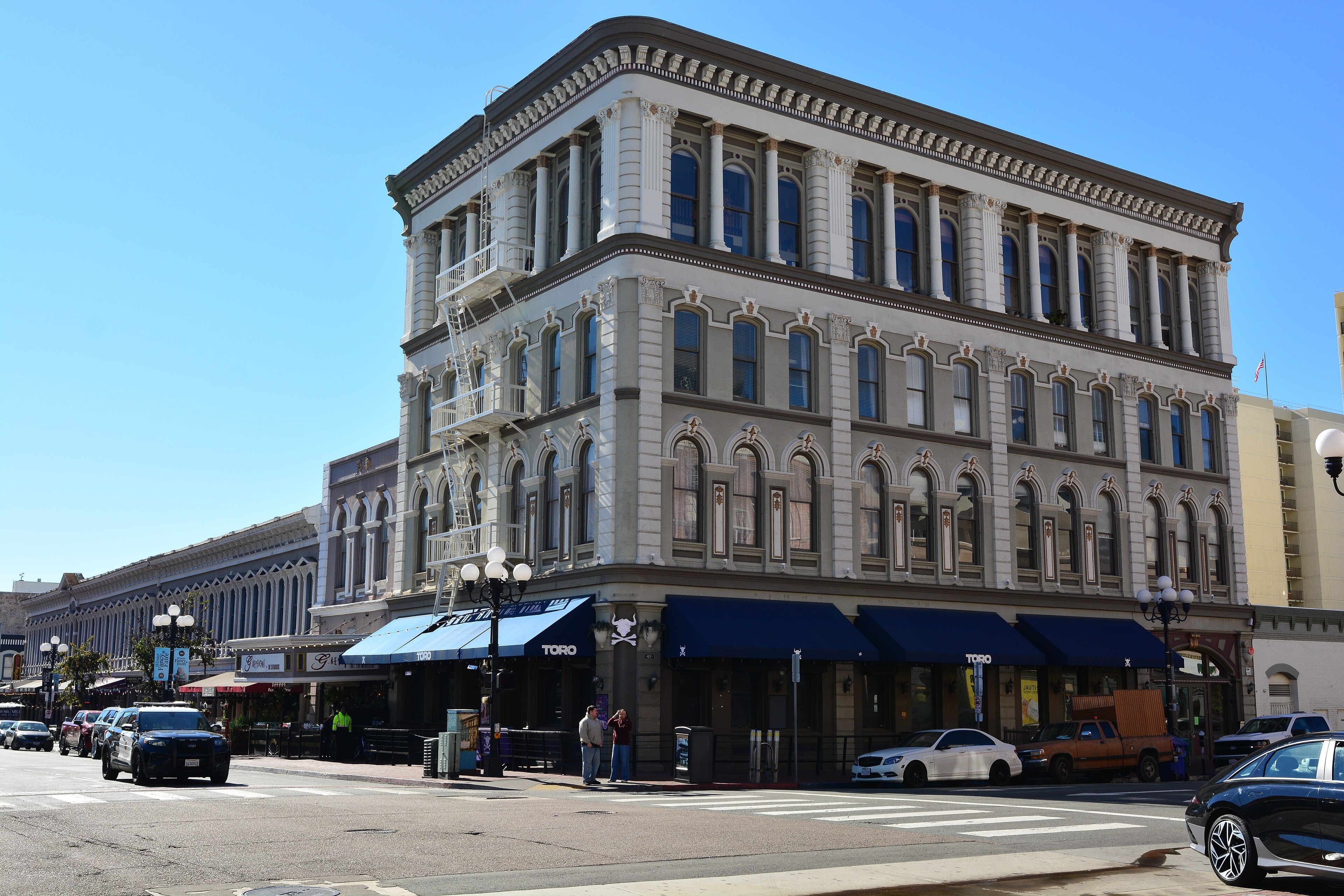
The Italianate Revival was a dominant 19th-century architectural movement that romanticized Italian Renaissance villas and palazzos. First developed in Britain around 1802 and popularized in the 1830s, the style reached peak popularity in America from the 1840s through the Civil War era. Represented a shift from Greek Revival toward more picturesque, asymmetrical compositions. The style embodied 19th-century romantic idealization of Italian villa life, combining classical vocabulary with informal, scenic aesthetics. Andrew Jackson Downing's influential pattern books promoted Italianate as particularly suited to American landscape and democratic society, more flexible than Greek Revival while maintaining cultural sophistication. Its decline coincided with the rise of Queen Anne and Colonial Revival styles in the 1870s-80s. Structures ranged from grand country villas and urban mansions to modest suburban homes, commercial buildings, and public structures. The style's flexibility made it suitable for various budgets and building materials.
ELEMENTS
- Low-pitched or flat roofs, frequently hipped, often concealed by elaborate cornices
- Prominently projecting eaves supported by decorative corbels (decorative brackets)
- Tall first-floor windows; arch-headed, pedimented, or Serlian windows with pronounced trim; bay windows common in residential examples
- Loggias, terraces, and balconies with ornate ironwork or stone balustrading