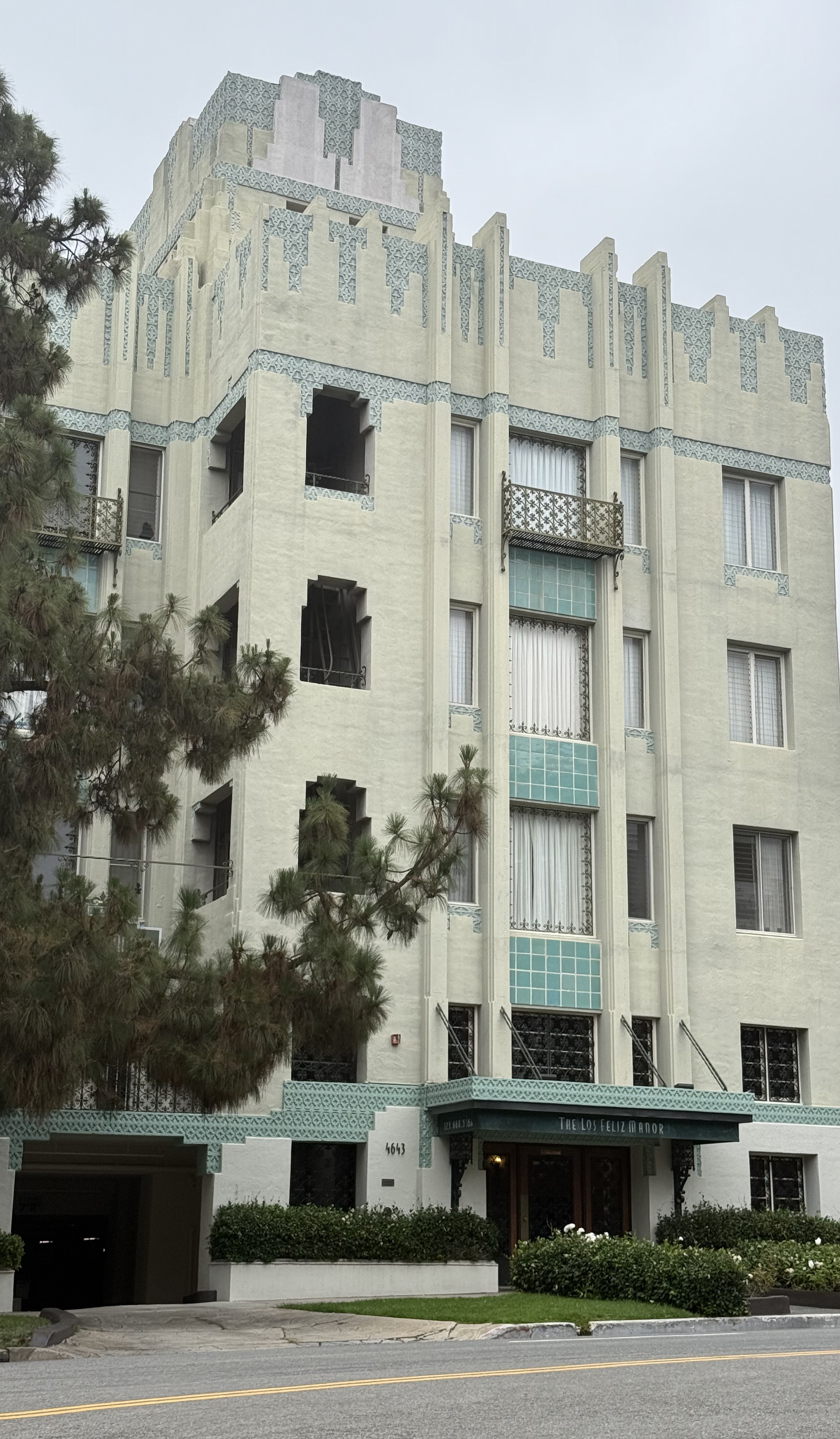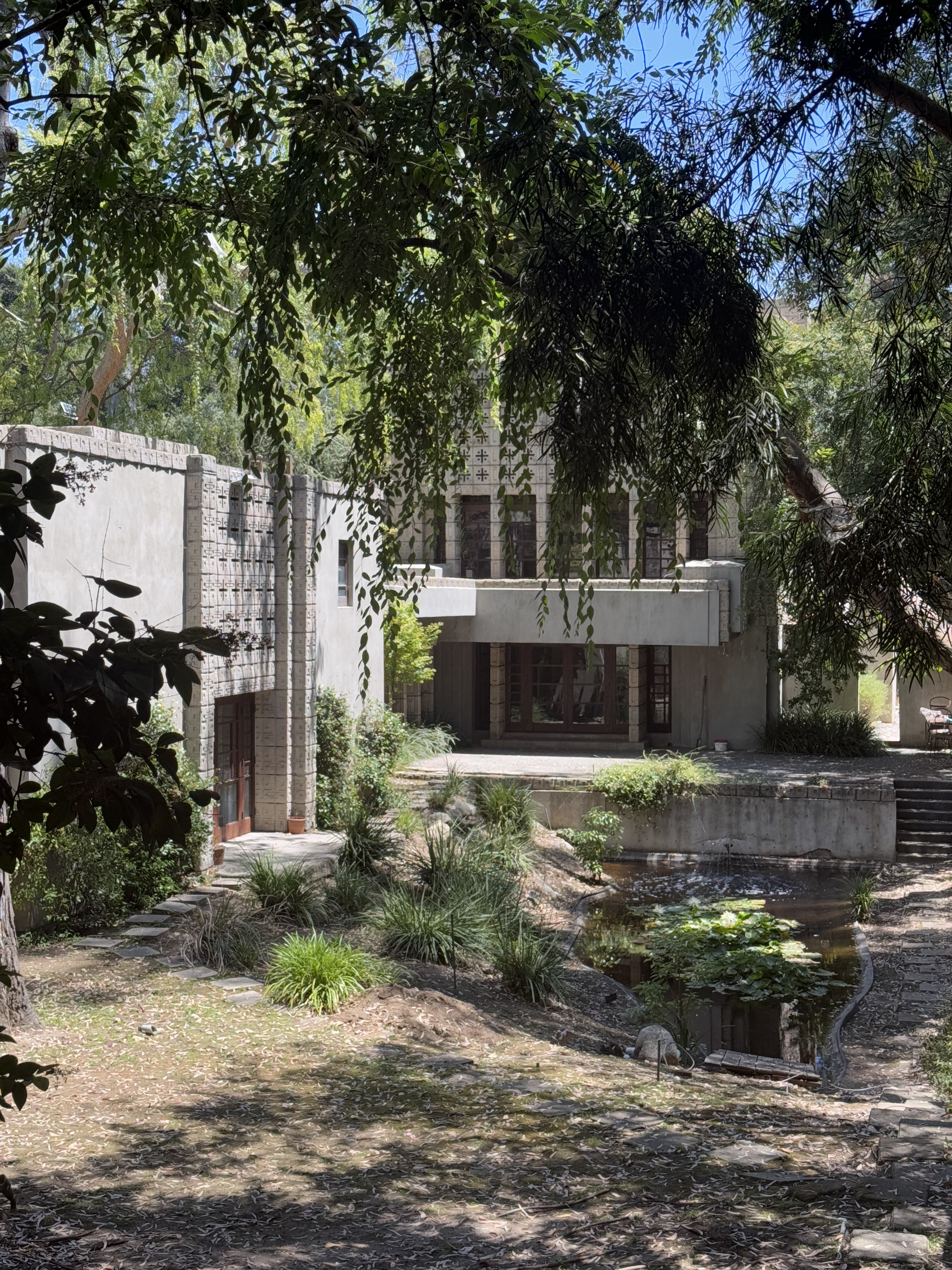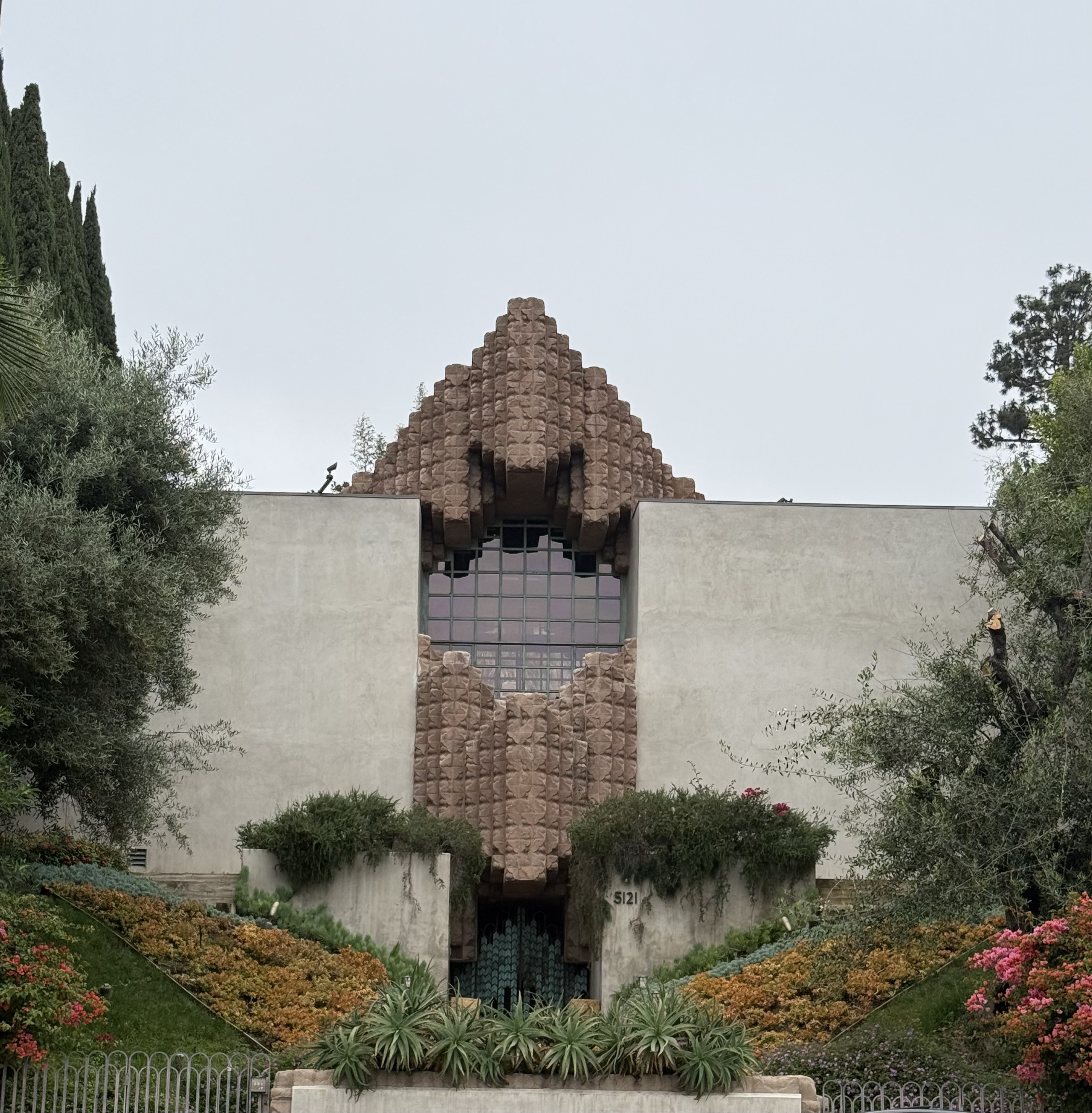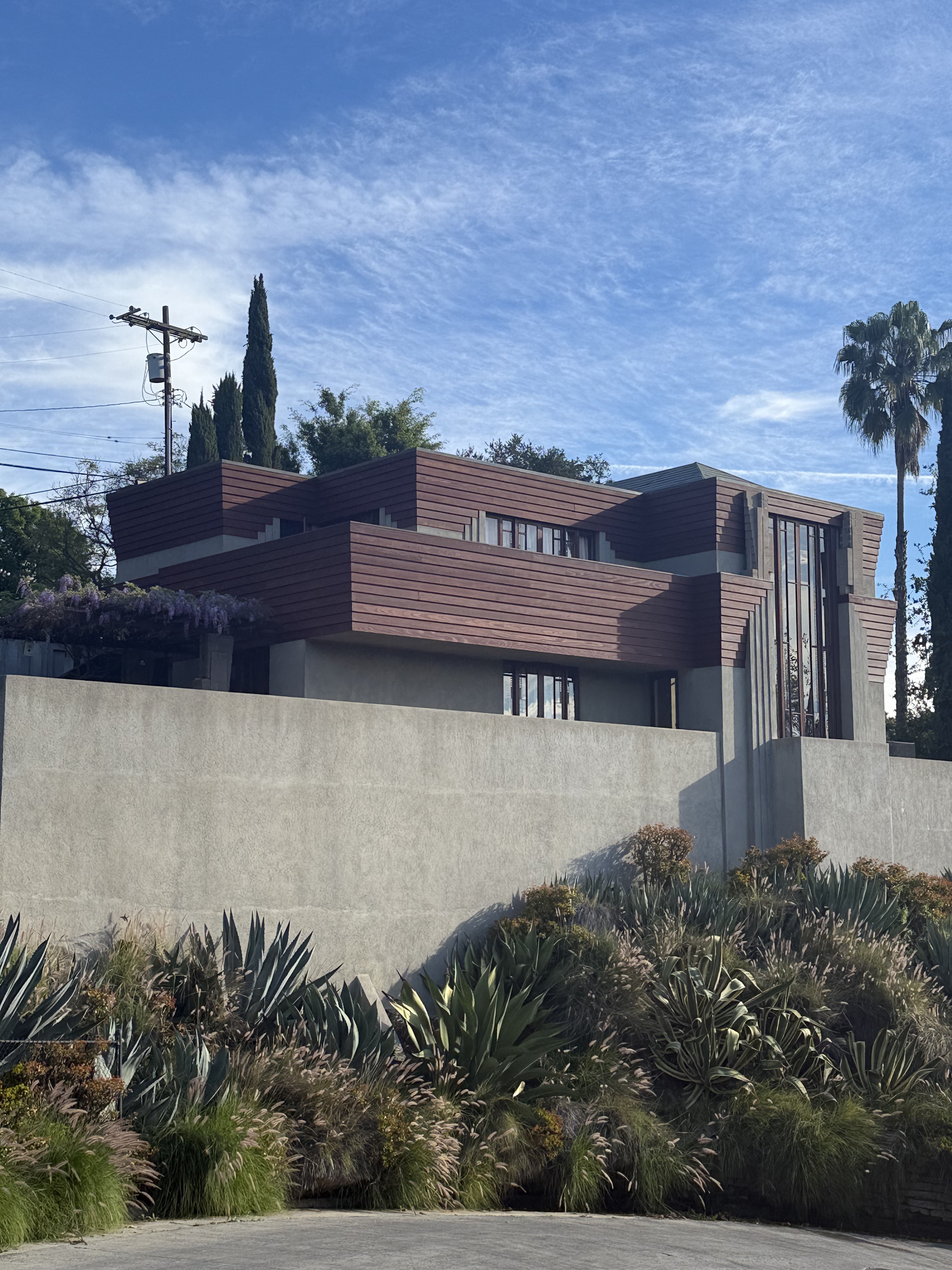
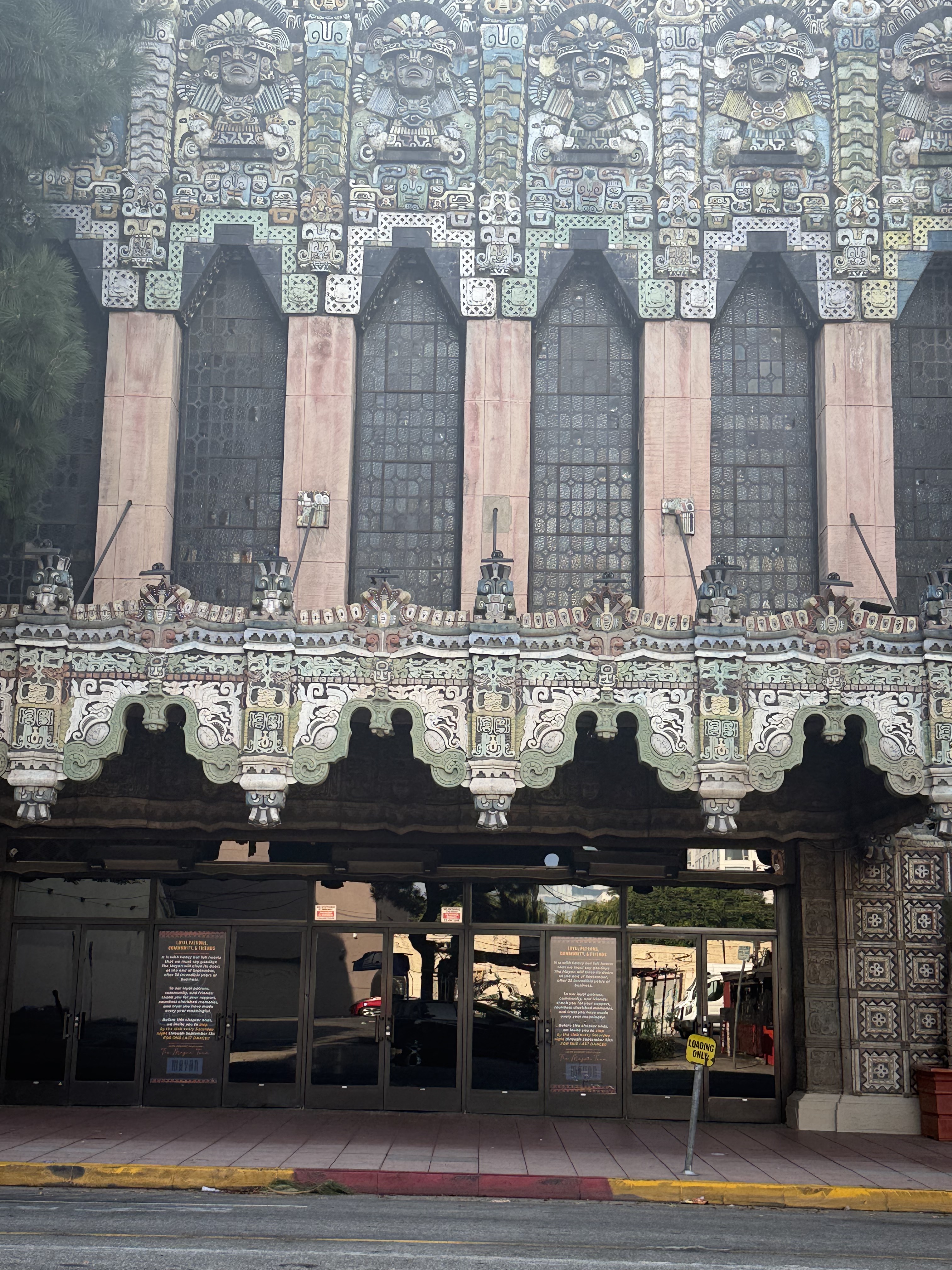
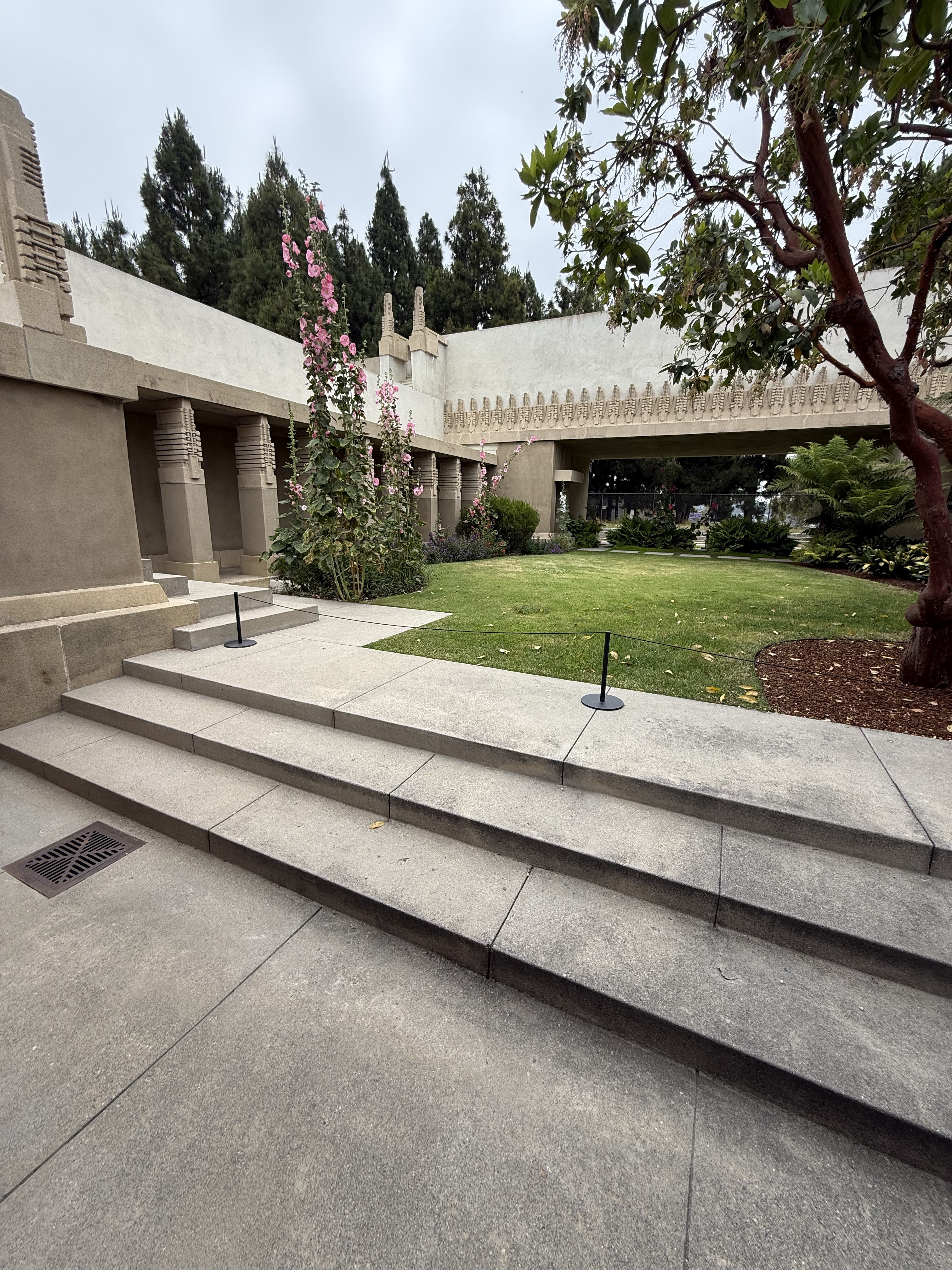
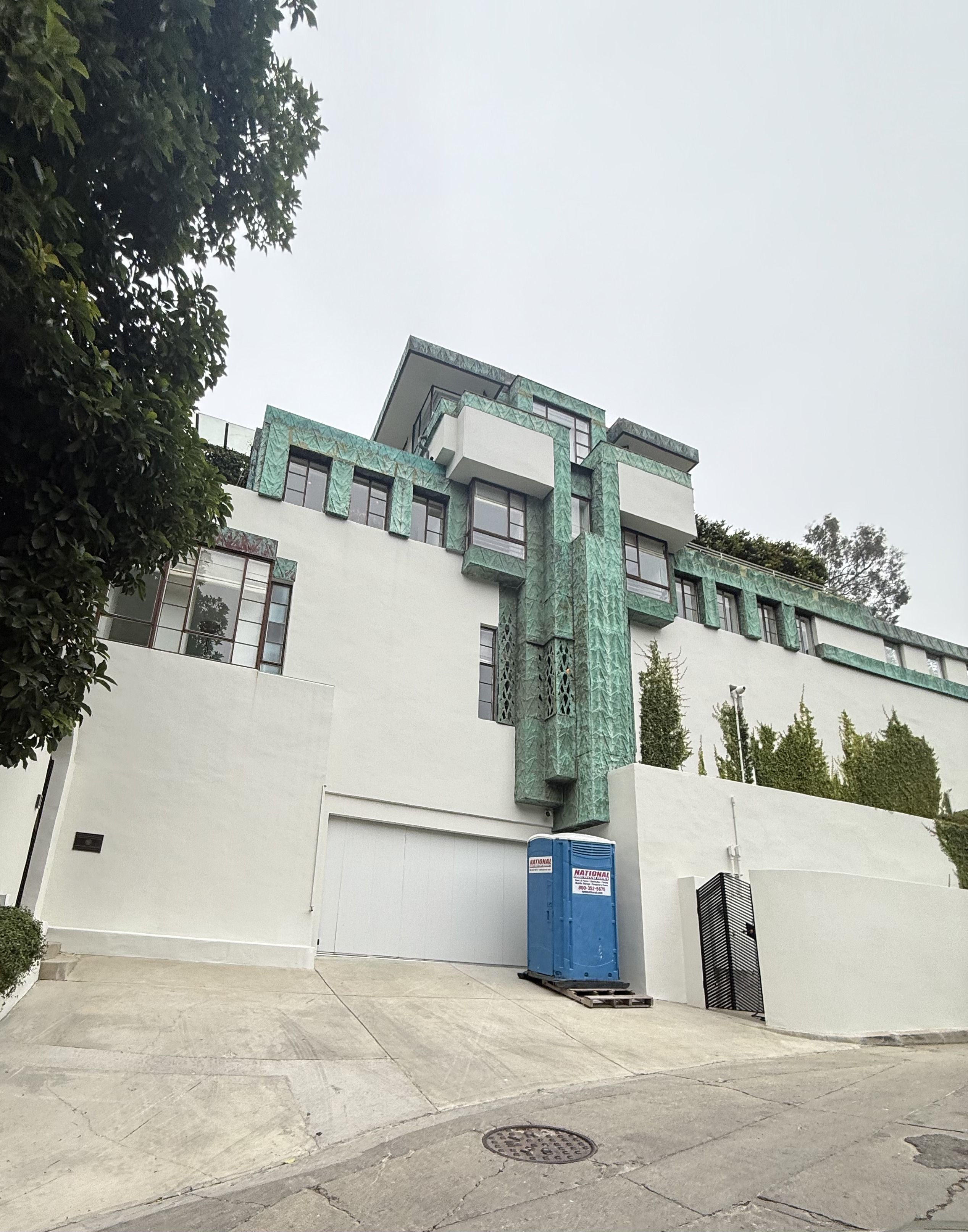
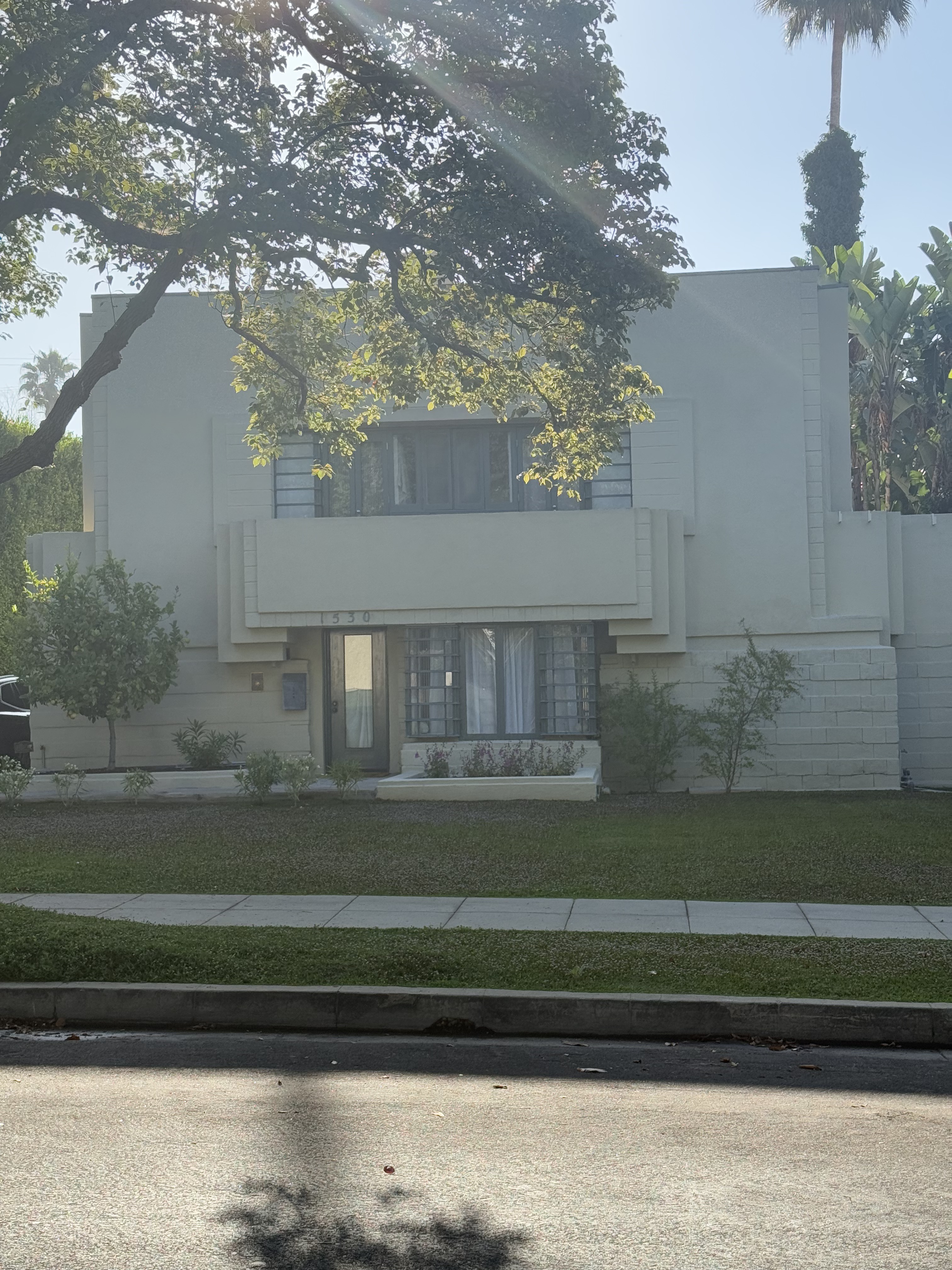
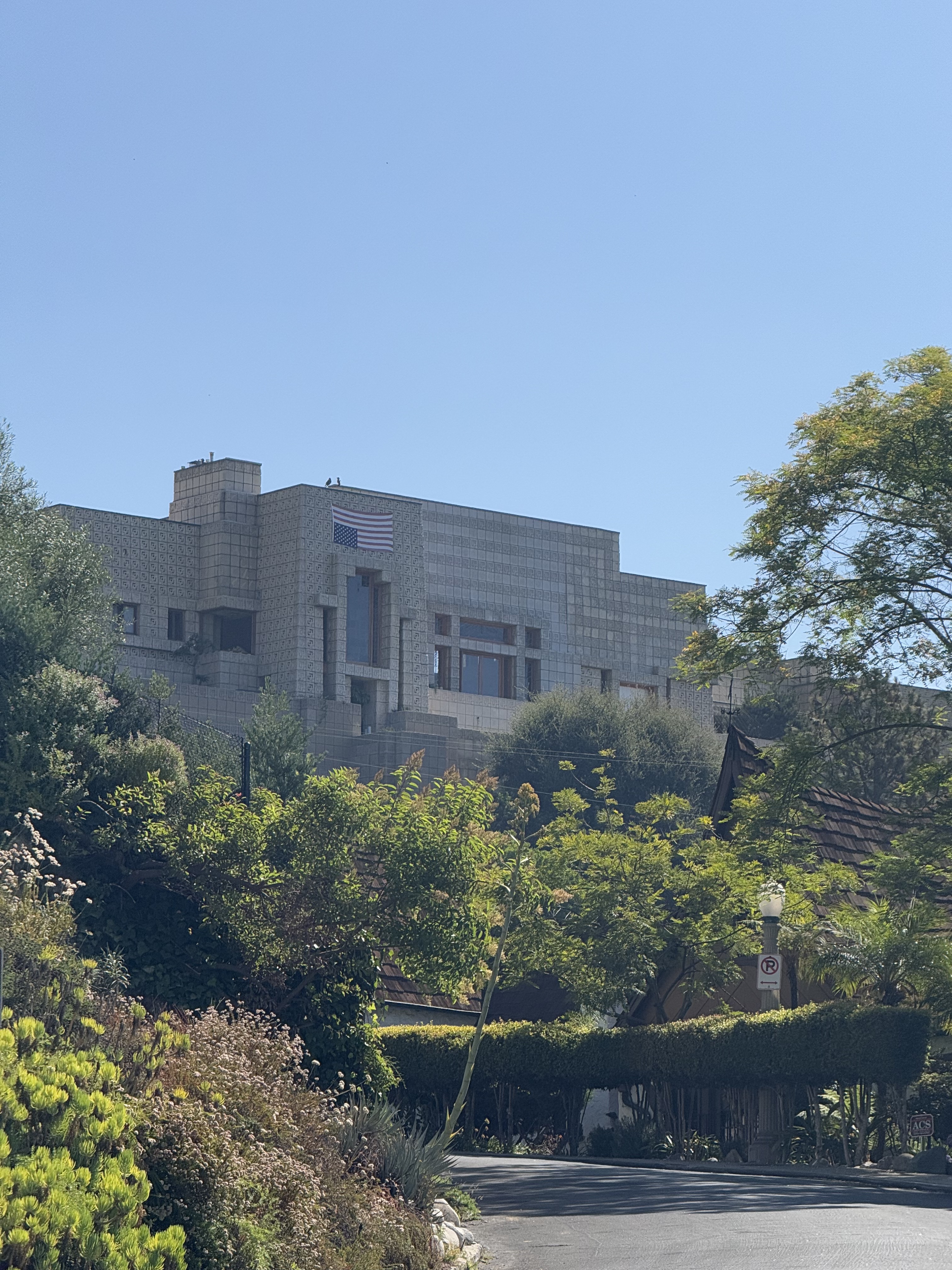
Mayan Revival architecture emerged as a distinctive modernist style during the 1920s and 1930s, drawing inspiration from pre-Columbian Mesoamerican cultures, particularly Maya and Aztec civilizations. This revival style blended ancient architectural motifs with contemporary construction techniques and Art Deco sensibilities, representing both a fascination with indigenous American cultures and confidence in modern construction capabilities. The movement was pioneered by Frank Lloyd Wright through his Los Angeles textile block houses, calling the system "California Romanza" and advocating it as authentically American architectural language rooted in pre-Columbian rather than European traditions. The style coincided with 1920s-1930s archaeological discoveries generating popular interest in Maya civilization, alongside broader cultural movement toward regional American architecture. The style's dramatic visual impact made it particularly popular for entertainment venues and commercial buildings seeking a distinctive identity. Interiors often incorporated geometric ceiling patterns, stepped lighting fixtures, and furniture designed to complement the architectural theme.
ELEMENTS
- Stepped pyramid forms reminiscent of temples
- Geometric patterning derived from Maya façades at sites like Uxmal
- Battered walls (sloped inward) creating fortress-like appearances
- Corbelled (decorative brackets) arches echoing Maya construction techniques
- Massive walls with minimal fenestration
- Modular concrete block construction systems
- Deeply recessed openings in masonry walls
- Feathered serpent motifs and rain god imagery (Chaac)
- Stylized jaguar and bird forms in decorative elements