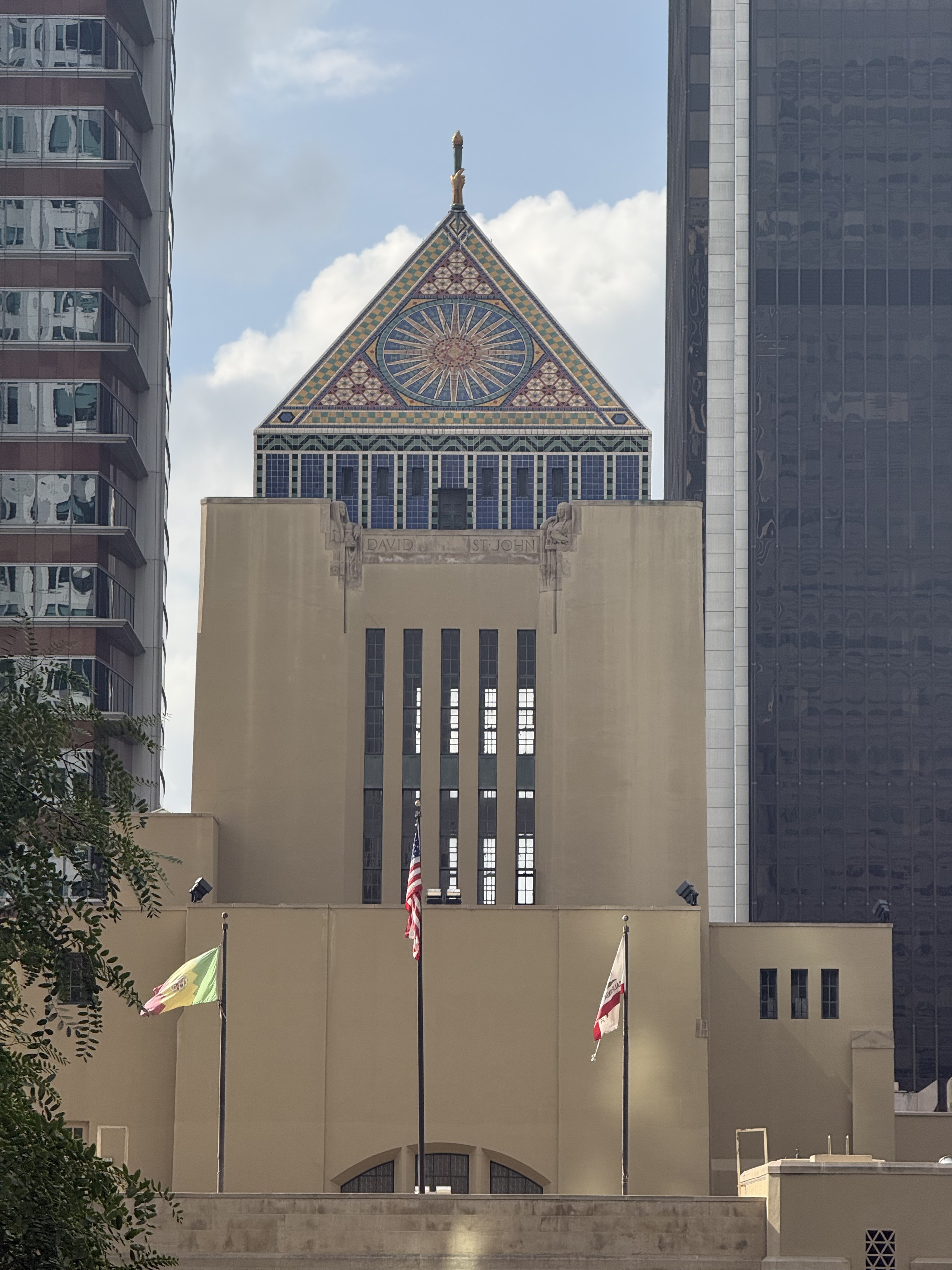
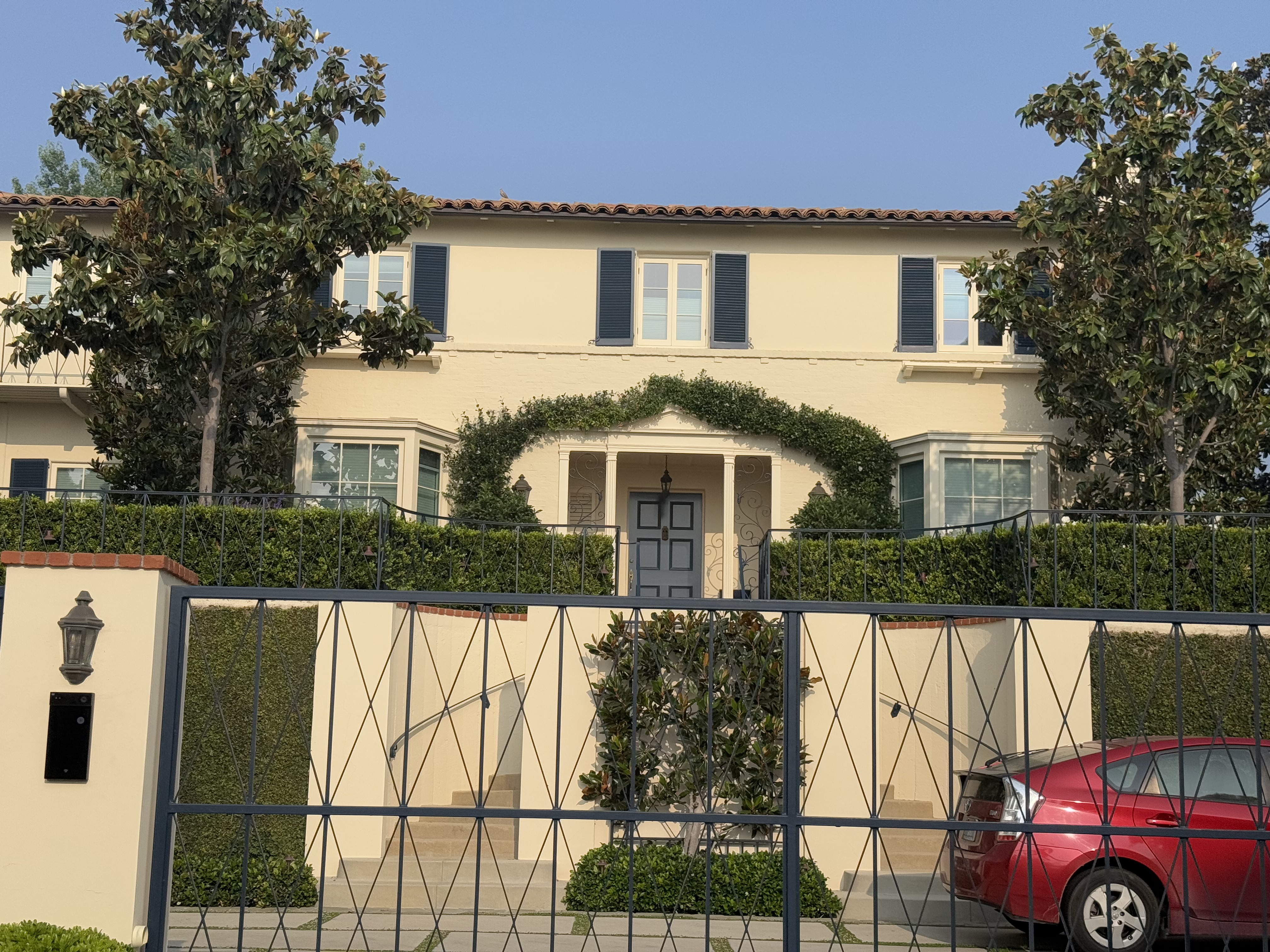
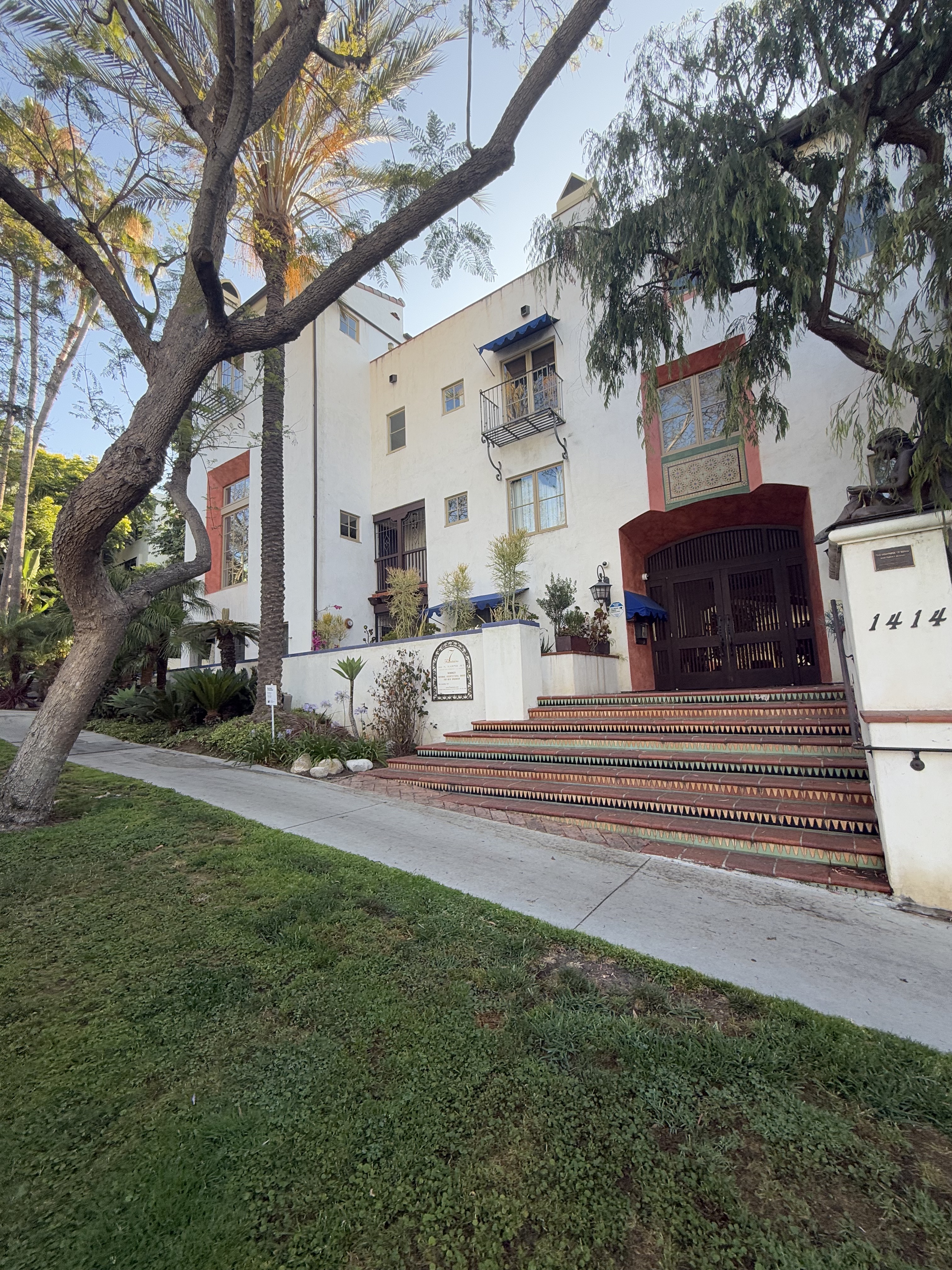
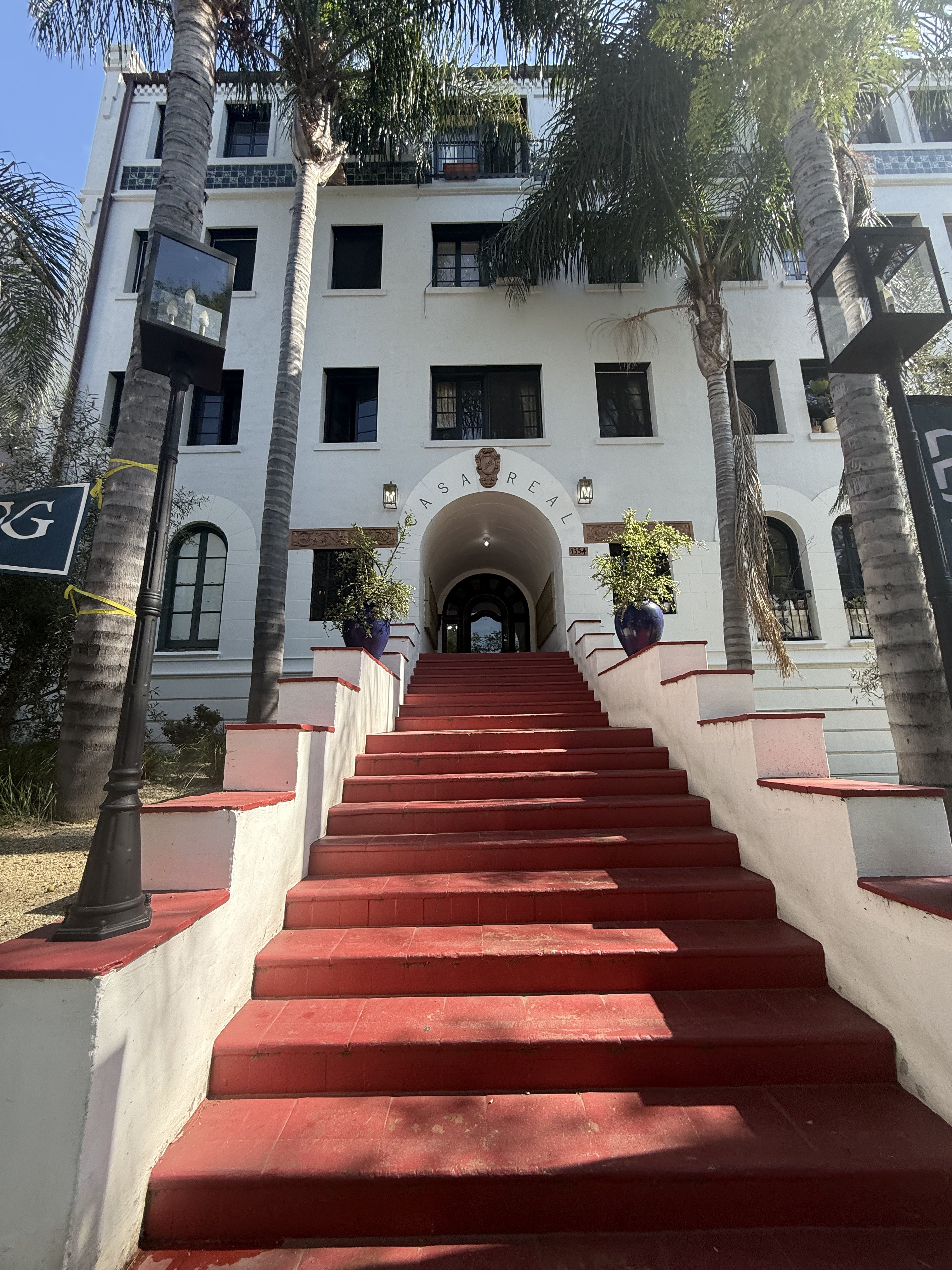
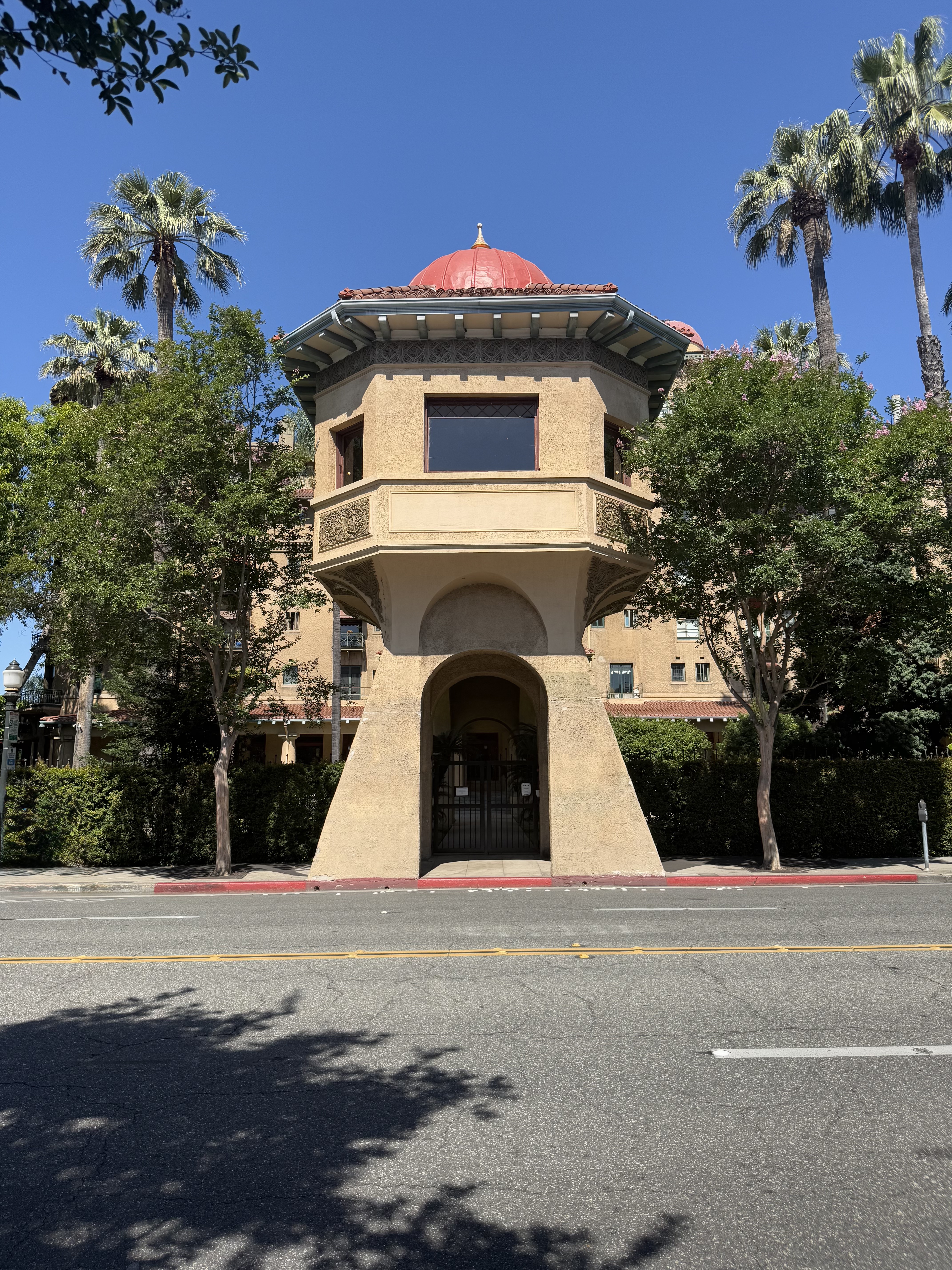
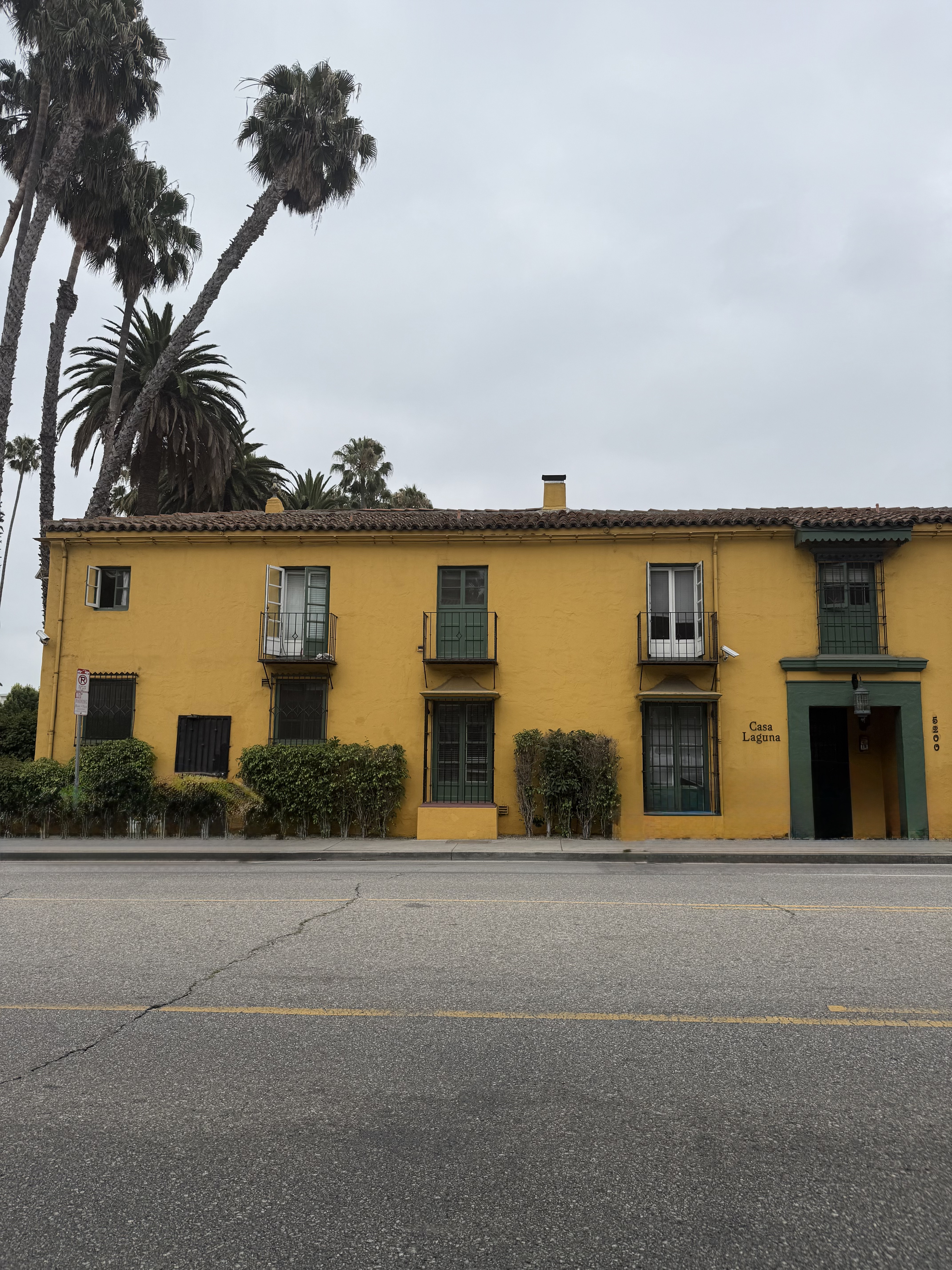
Mediterranean Revival architecture emerged in early 20th century North America, peaking in the 1920s-1930s as architects drew inspiration from Renaissance-era palaces and seaside villas of Italy, Spain, and Greece. This romantic style transformed rapidly expanding cities and coastal resorts, particularly in Florida and California. The style freely mixed elements from various Mediterranean sources—Spanish colonial, Italian Renaissance, Moorish, Byzantine—prioritizing romantic evocation over archaeological accuracy, distinguishing it from more historically specific Spanish Colonial Revival. The style coincided with 1920s real estate booms where developers promoted Mediterranean climate similarities and leisure-oriented lifestyle. Mediterranean Revival found expression across diverse building types including grand resort hotels, apartment complexes, commercial structures, and private residences. The style's flexibility allowed for both intimate residential applications and monumental public buildings, all unified by common design principles emphasizing horizontal lines and outdoor integration.
ELEMENTS
- Red clay tile roofs with gentle slopes creating distinctive silhouettes
- Smooth stuccoed walls in warm earth tones
- Graceful arched or circular windows that soften building geometry
- Wood or wrought iron balconies adding vertical interest
- Decorative window grilles creating intricate shadow patterns
- Articulated door surrounds providing formal entrances, sometimes with classical keystones
- Integrated courtyards, patios, and open-air doorways blurring interior-exterior boundaries
- Massive, symmetrical primary façades creating commanding street presence