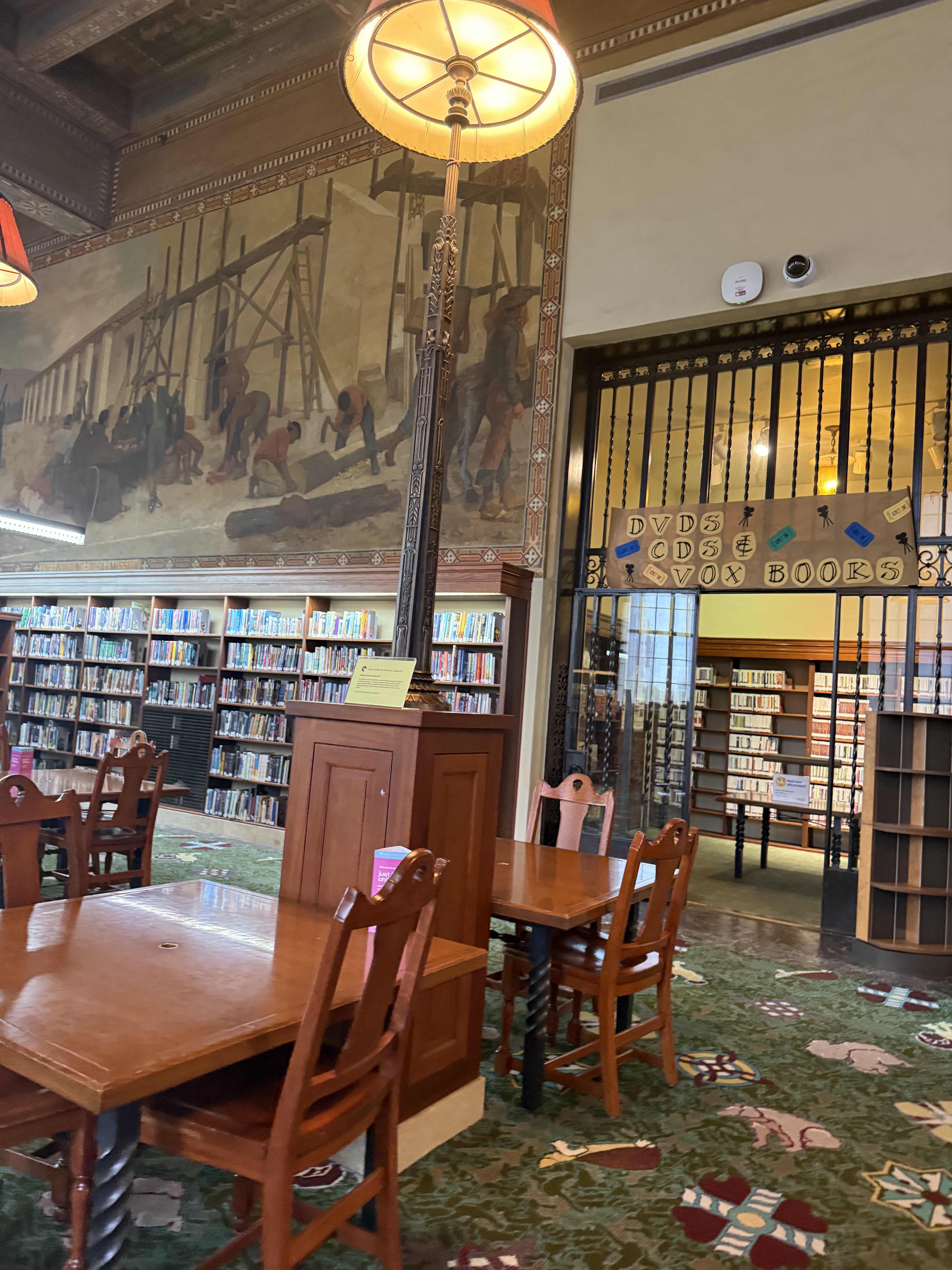
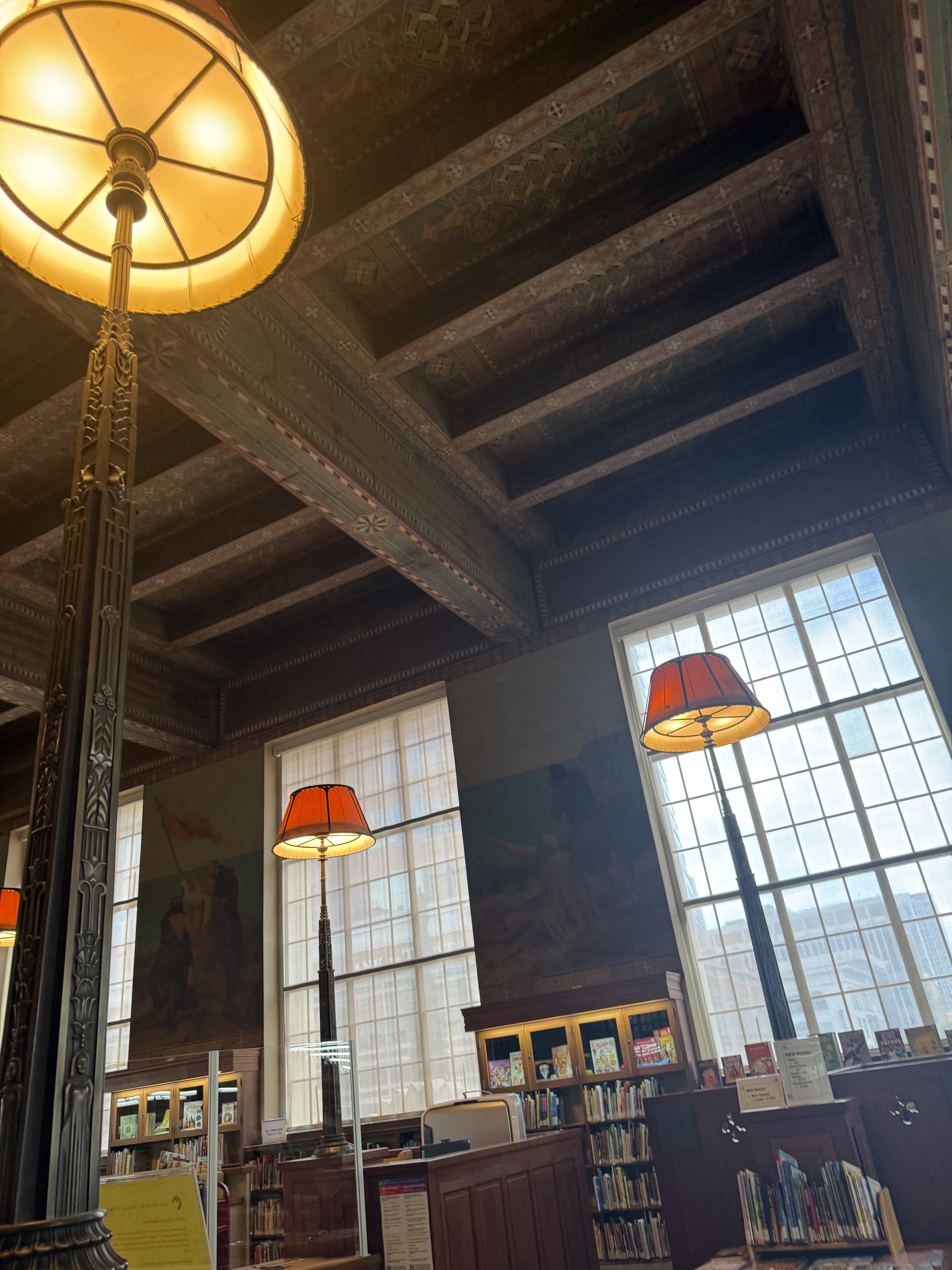
The City of Los Angeles commissioned its Central Library in 1922 as the crown jewel of its municipal cultural ambitions, part of the City Beautiful movement's vision of public architecture as civic enlightenment. Bertram Goodhue designed the building during the height of his career, but his death in 1924 left Carleton Winslow to shepherd the project to completion in 1926. The library emerged from an era when American cities viewed public knowledge, art, and architecture as inseparable elements of democratic culture. This was to be more than a repository of books; it was conceived as a temple to learning that would anchor downtown Los Angeles's intellectual and cultural life.
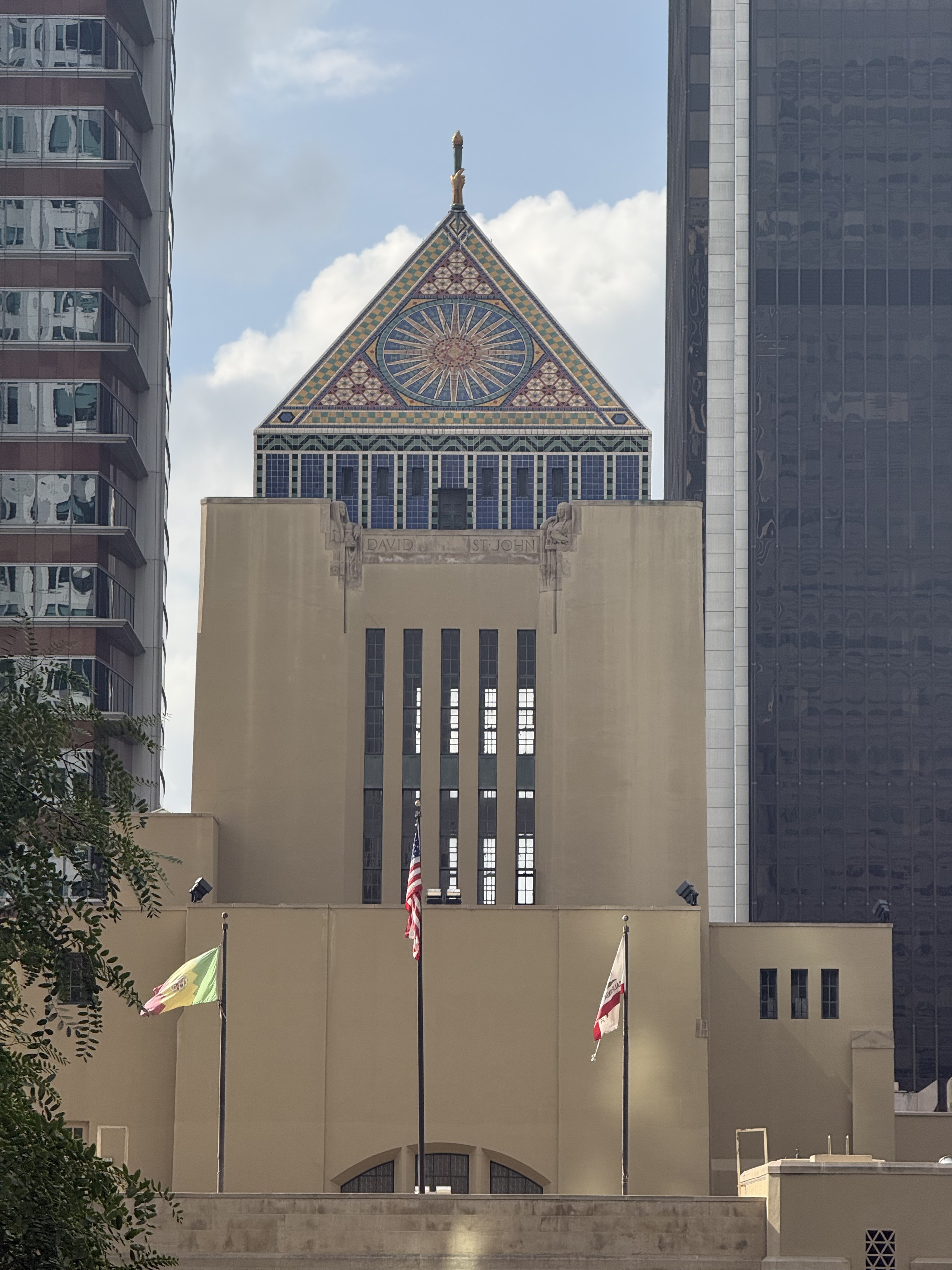
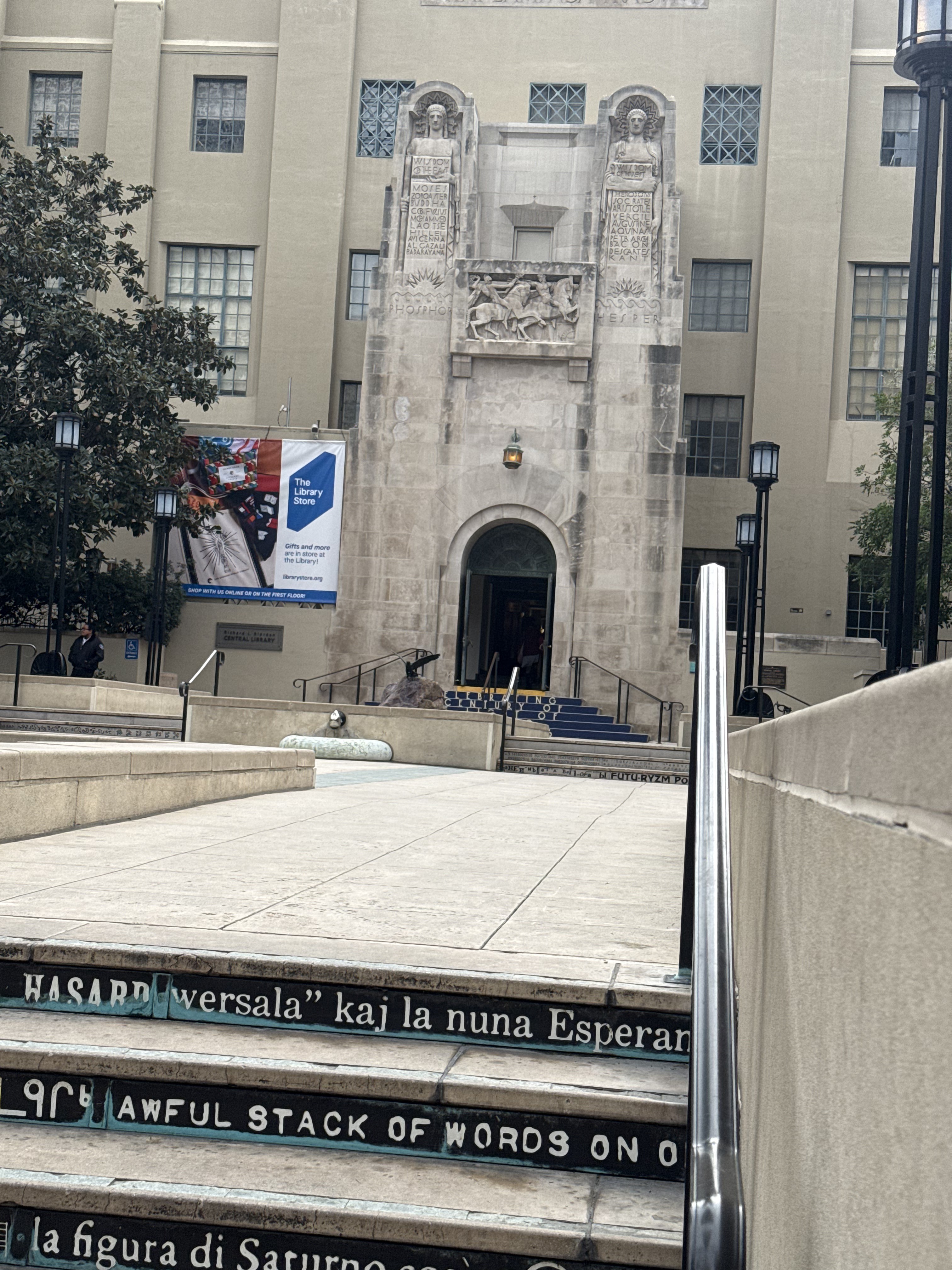
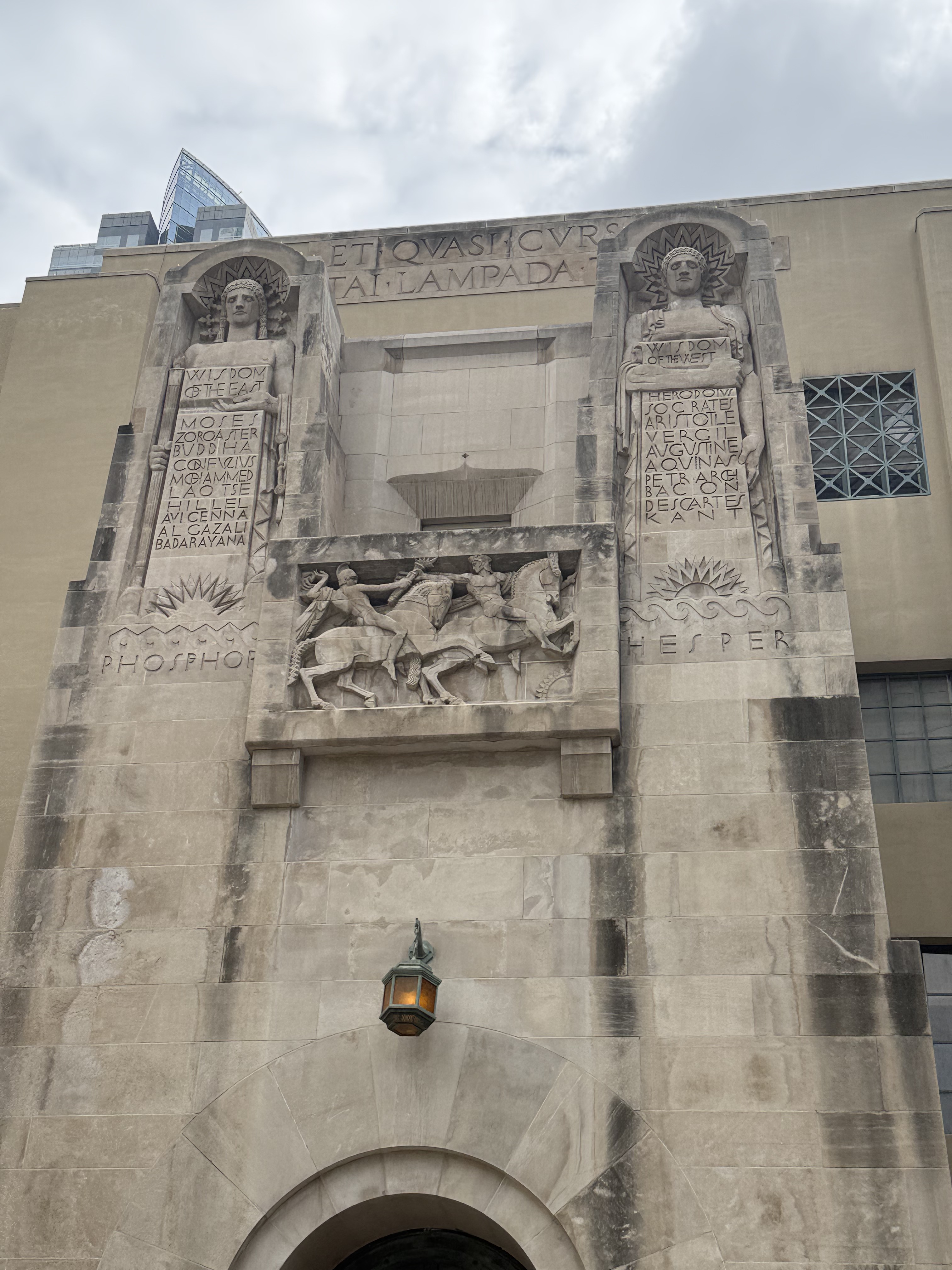
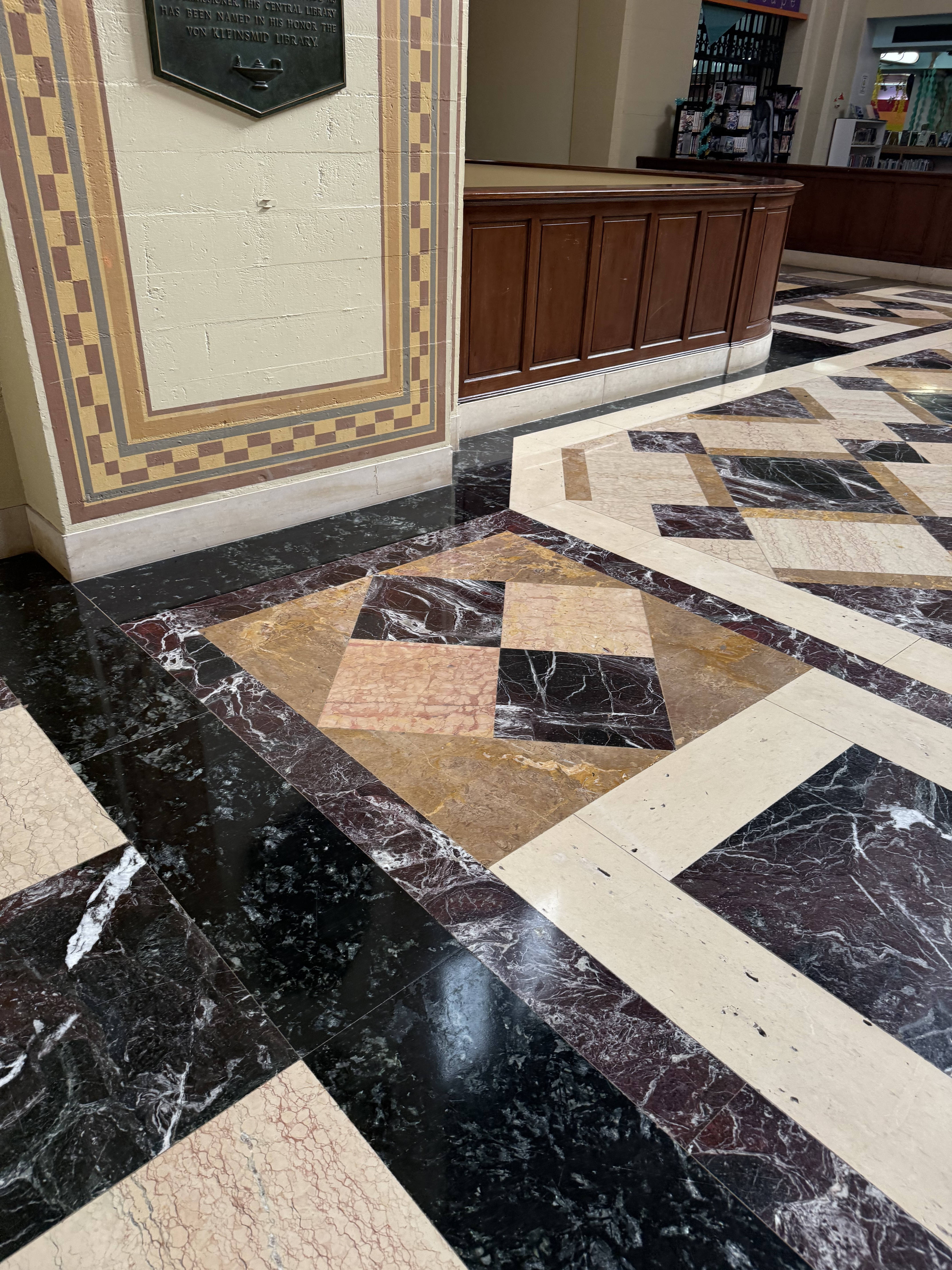
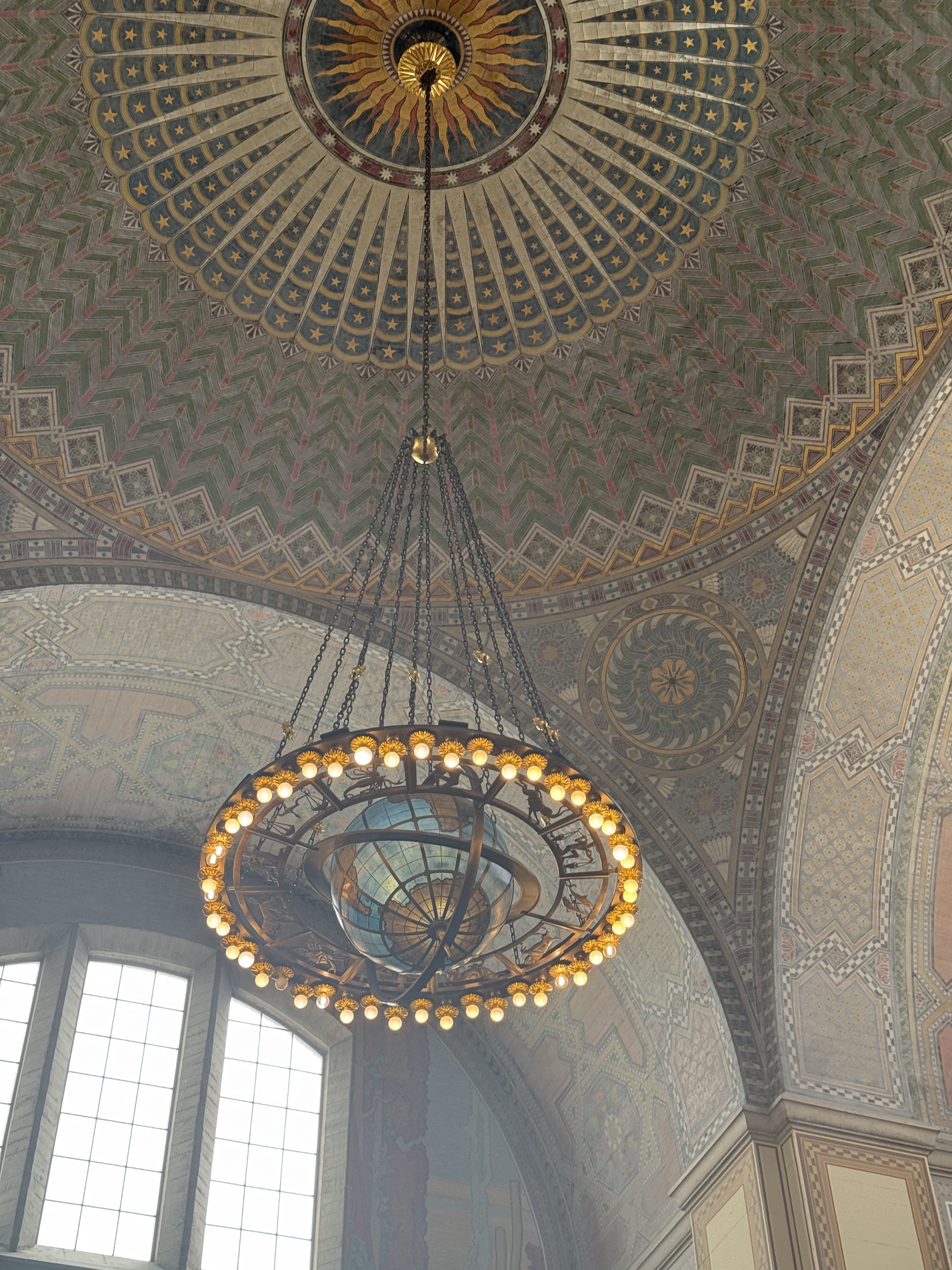
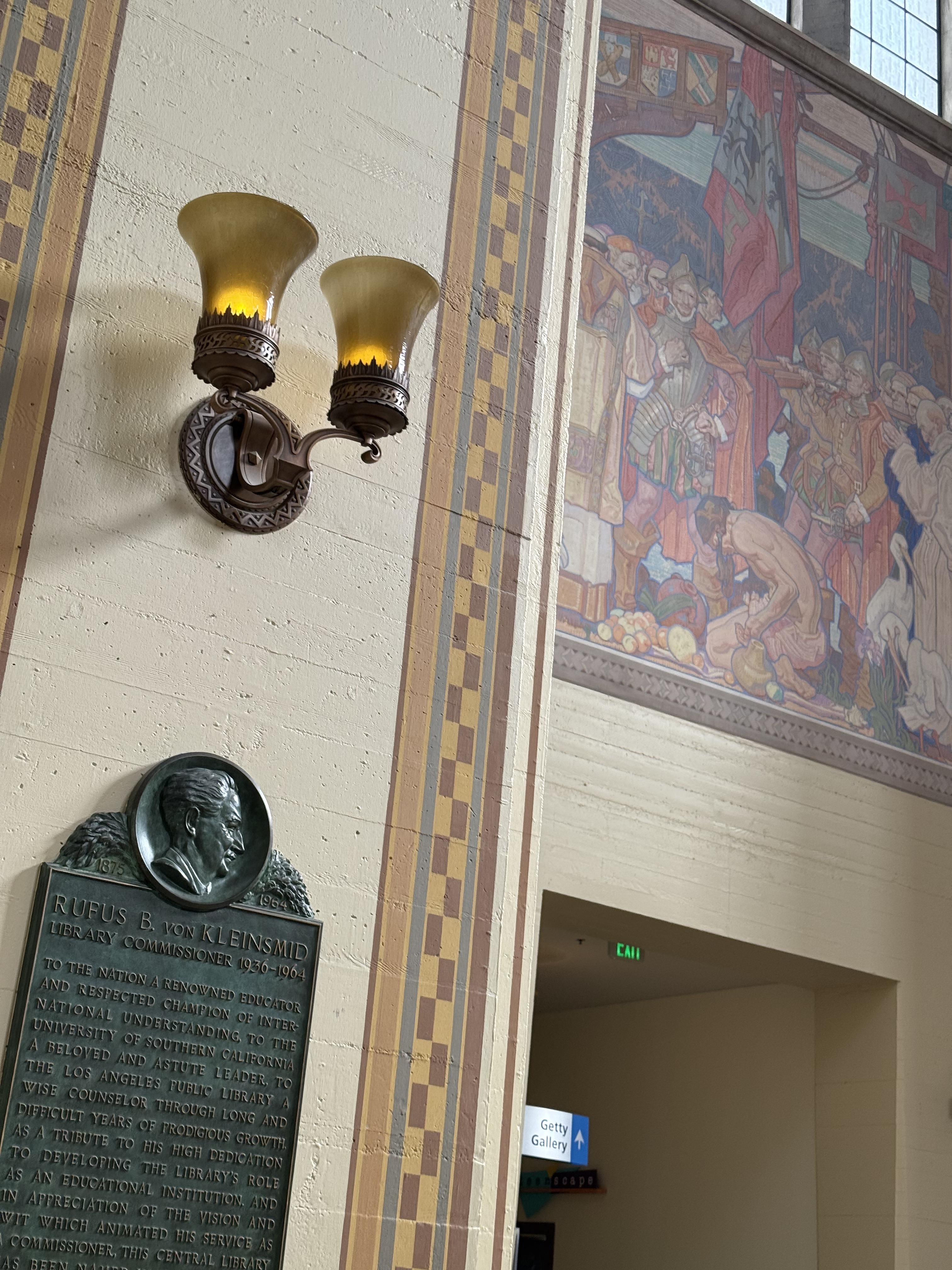
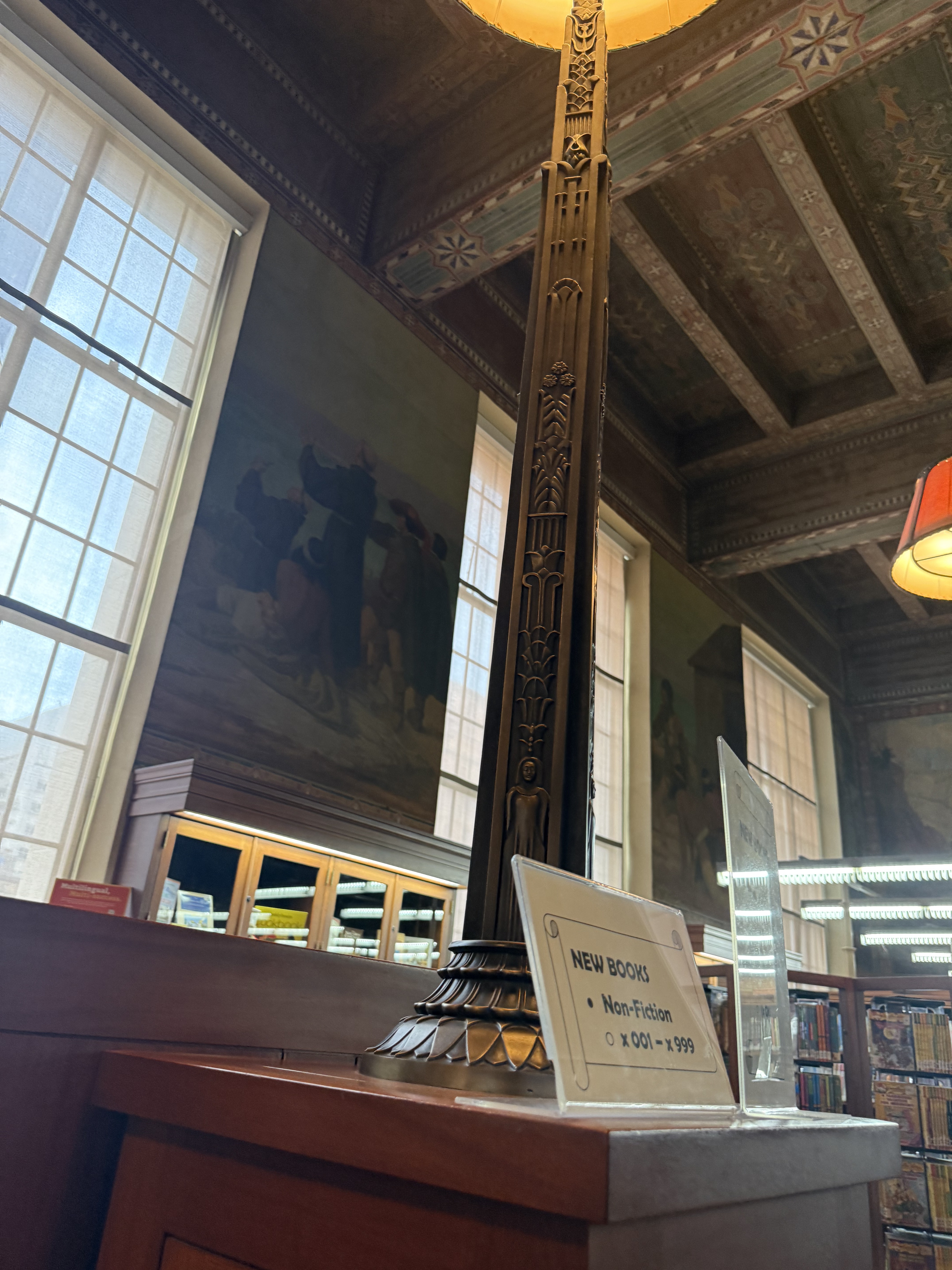
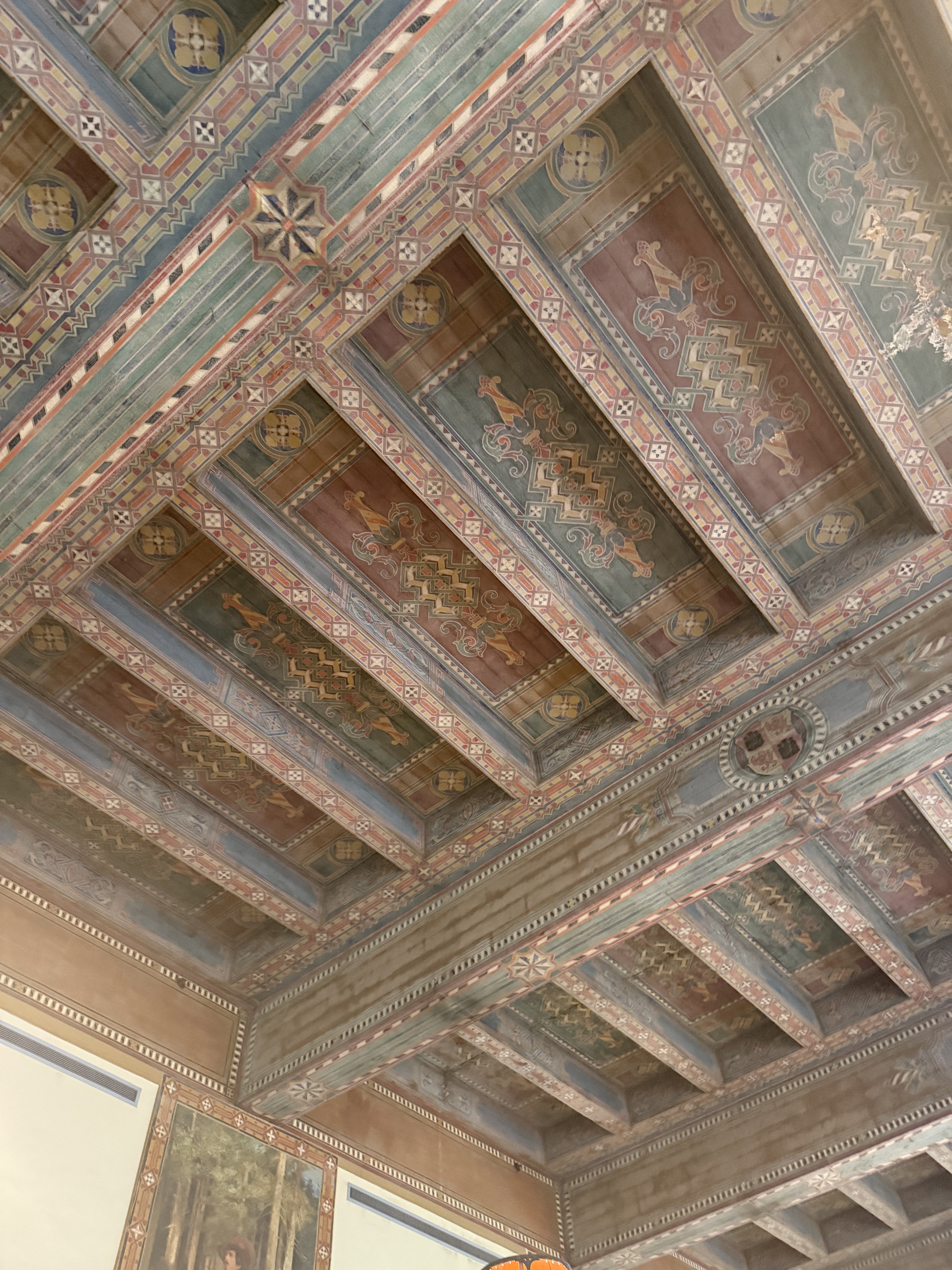
The building defies easy stylistic categorization, synthesizing ancient, Mediterranean, and modern architectural languages into something uniquely Goodhue's own. Its distinctive pyramidal tower rises from a low, horizontal mass, creating a composition that reads as both monumental and approachable. The exterior walls showcase intricate sculptural programs and decorative elements that flow seamlessly into the interior's elaborate murals and mosaics. The iconographic program throughout the building celebrates knowledge, literature, and the arts through a lavish display of symbolic imagery. Terra cotta details, carved stone elements, and polychromatic tilework create a richly textured surface that rewards close examination.