
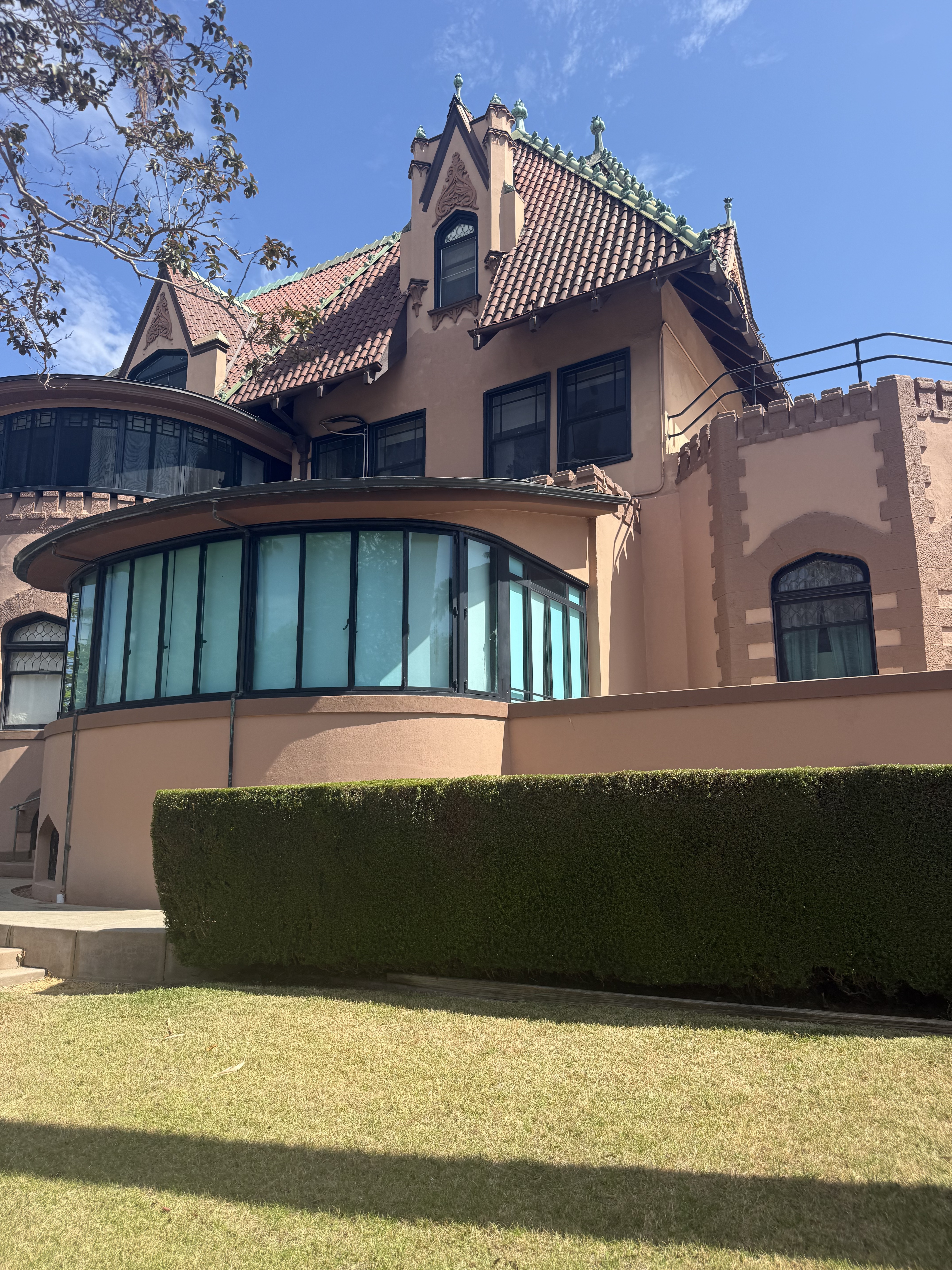
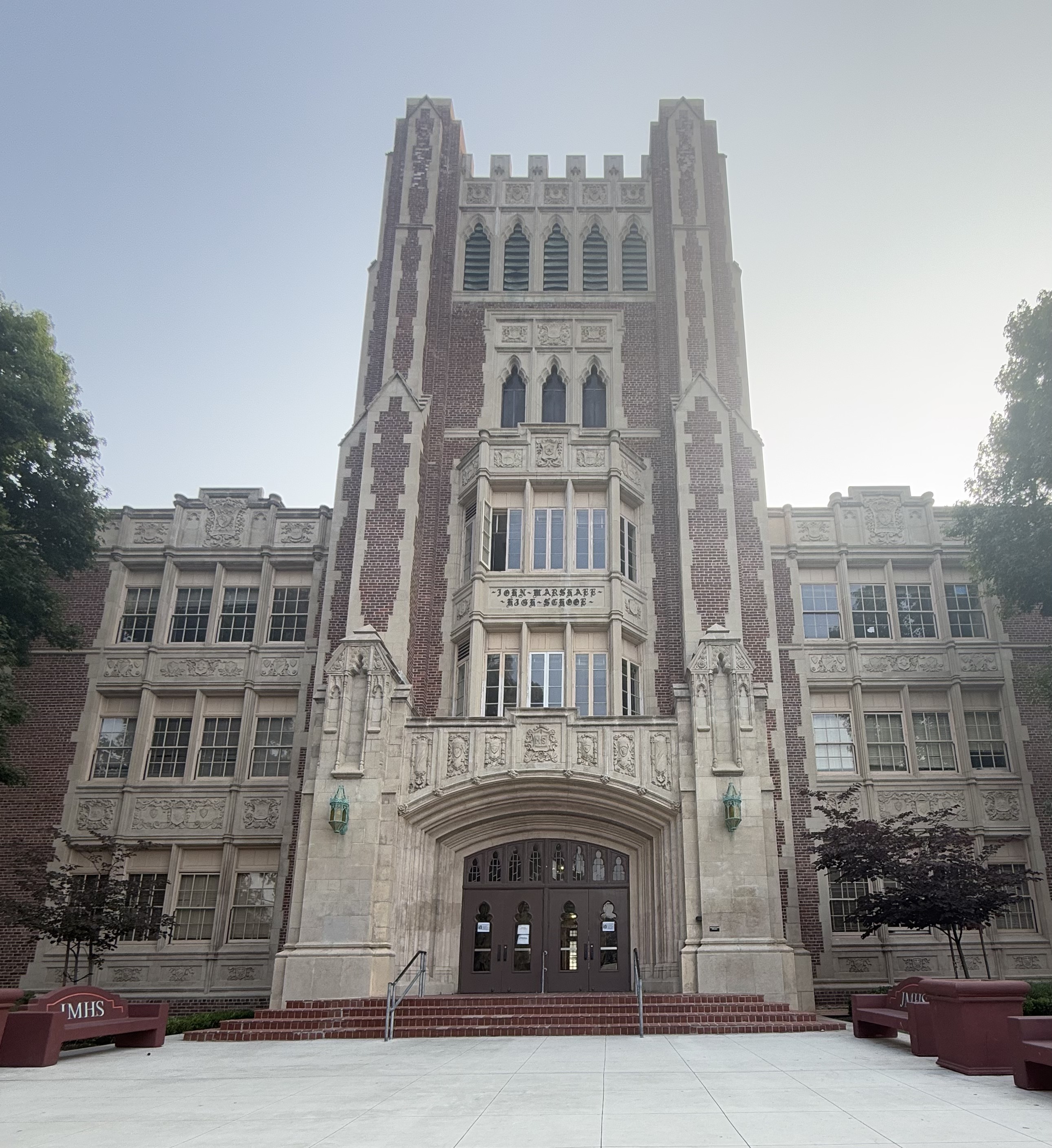
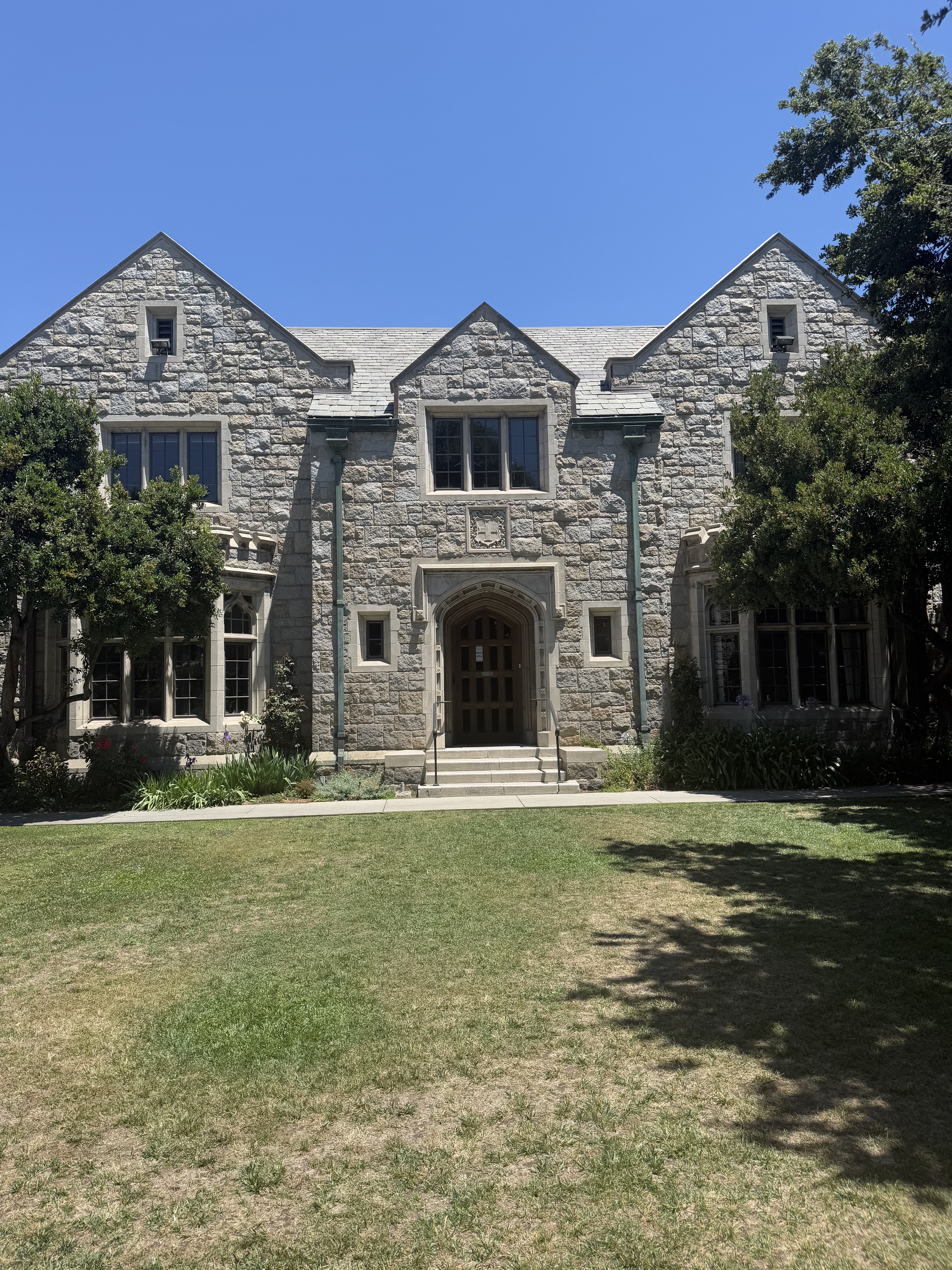
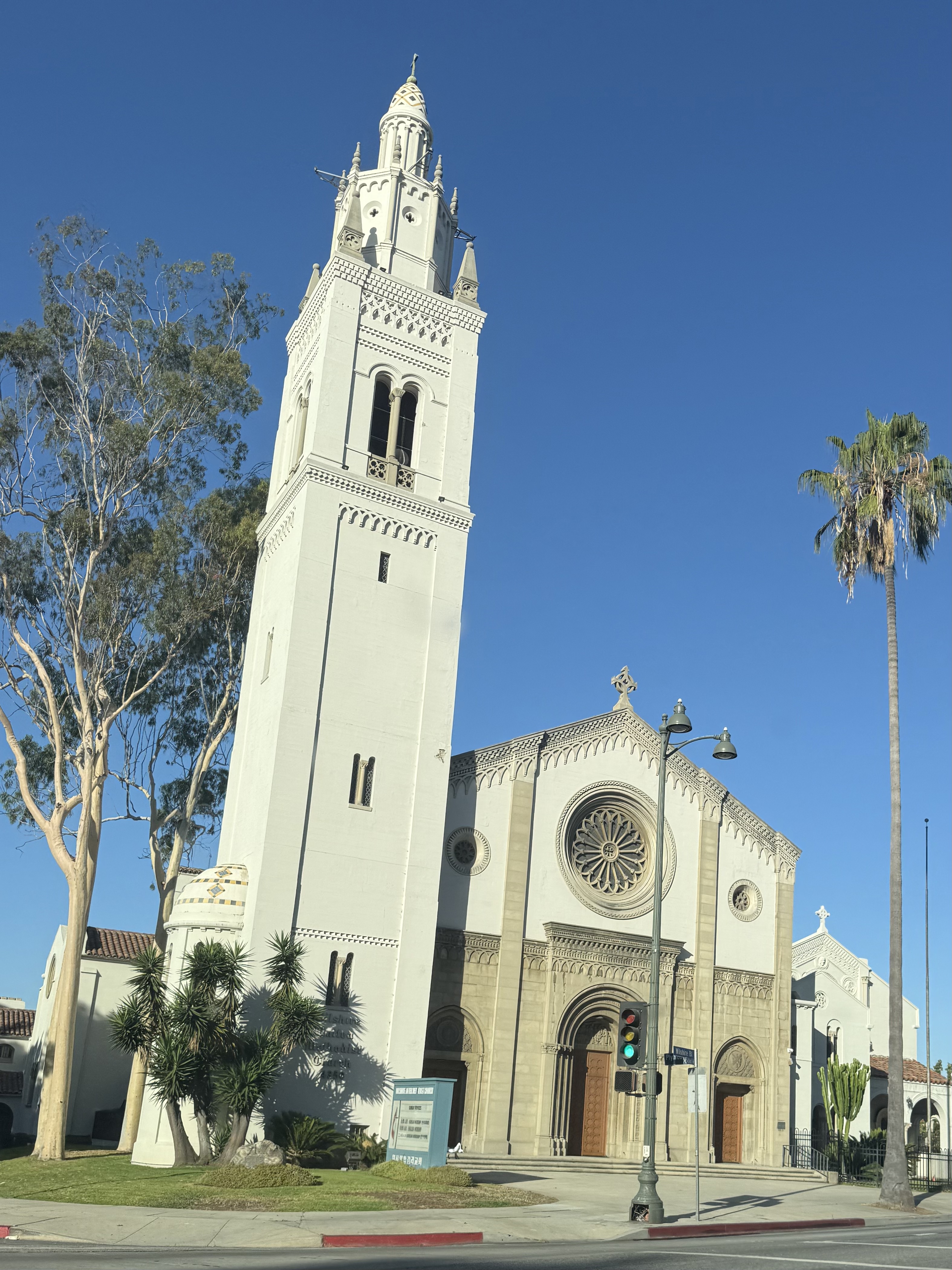
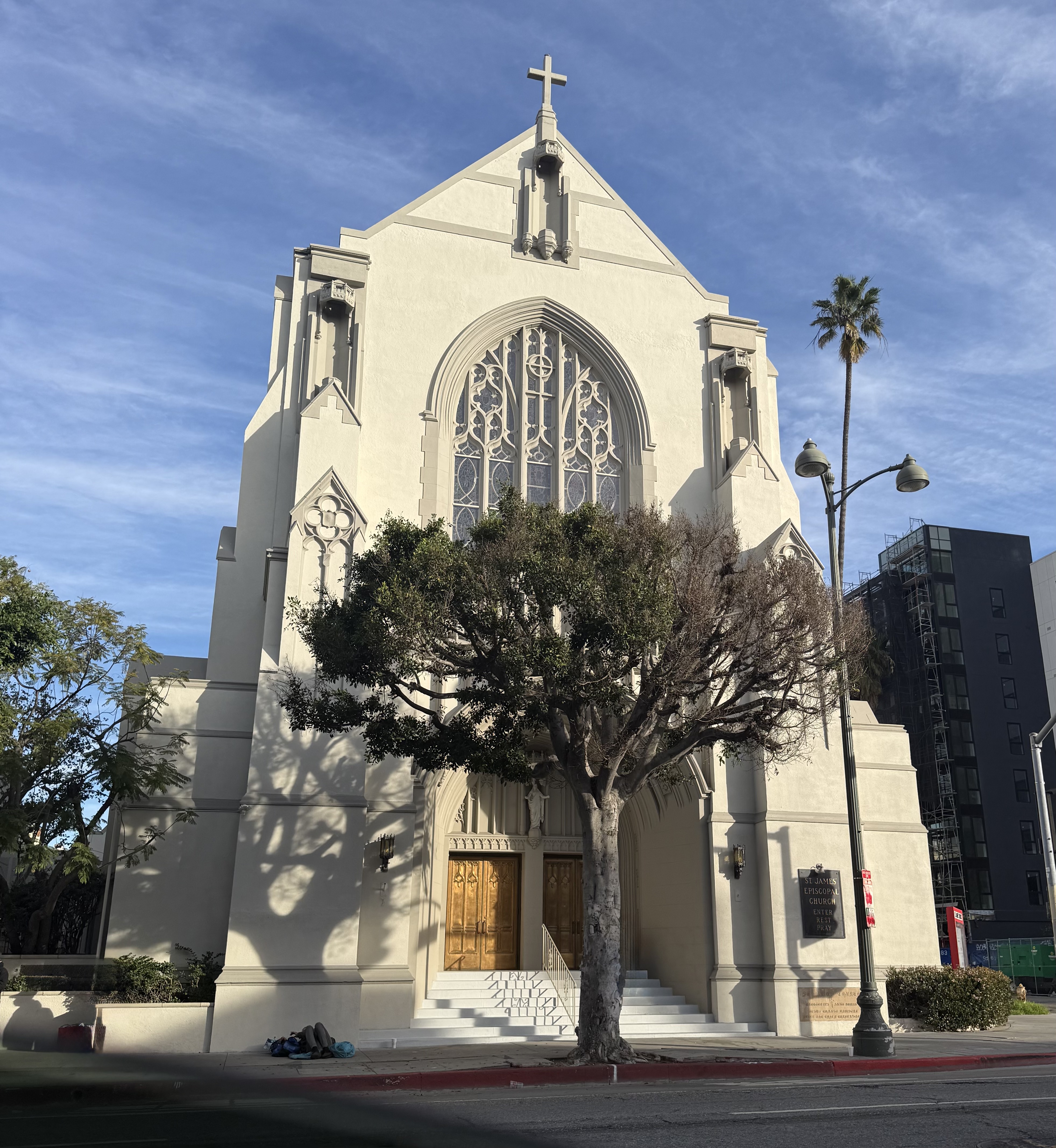
Gothic Revival architecture emerged in the mid-18th century as a romantic reaction against neoclassical styles, peaking in the 19th century with its spiritual depth and emotional resonance. Writers like Augustus Pugin argued that its structural honesty made it the only appropriate style for religious buildings, though the movement varied significantly in its faithfulness from early romantic interpretations to later archaeologically accurate reproductions. The style revived medieval Gothic architecture, originally known as "the French style" during the 1140s-1500s before Renaissance scholars ironically and dismissively renamed it "Gothic" after the barbaric Germanic Goths whom they blamed for destroying the Roman Empire. Cathedrals with their delicate soaring vaulted ceilings and vast stained glass windows flooding interiors with light were far more luminous and structurally innovative than the heavy, thick-walled Roman buildings with small openings that Renaissance scholars idealized. The derogatory name never reflected the architecture's actual sophistication and technical achievement. These cathedrals created an atmosphere of spiritual transcendence through dim candlelit interiors, crypts housing the dead, and religious sculptures of angels and demons, spaces designed to inspire awe while reminding people of death, judgment, and the afterlife. When 18th-century novels like "Frankenstein" (1818) used crumbling abbeys as settings for horror and supernatural tales, the term became permanently associated with those atmospheric qualities that eventually influenced the 1970s-80s goth music subculture and today's goth aesthetic. By the 1880s, the style began declining as Modernism emerged, though construction continued well into the 20th century.
ELEMENTS
- Pointed arches throughout doorways, windows, and interior spaces
- Flying buttresses providing external structural support
- Ribbed vaults creating complex ceiling patterns
- Tall, narrow lancet windows and circular rose windows
- Elaborate stone tracery in geometric patterns
- Steep-sloping roofs with dramatic pitch
- Decorative elements like gargoyles, carved grotesques, and crockets
- Hood moulds framing windows and doors