
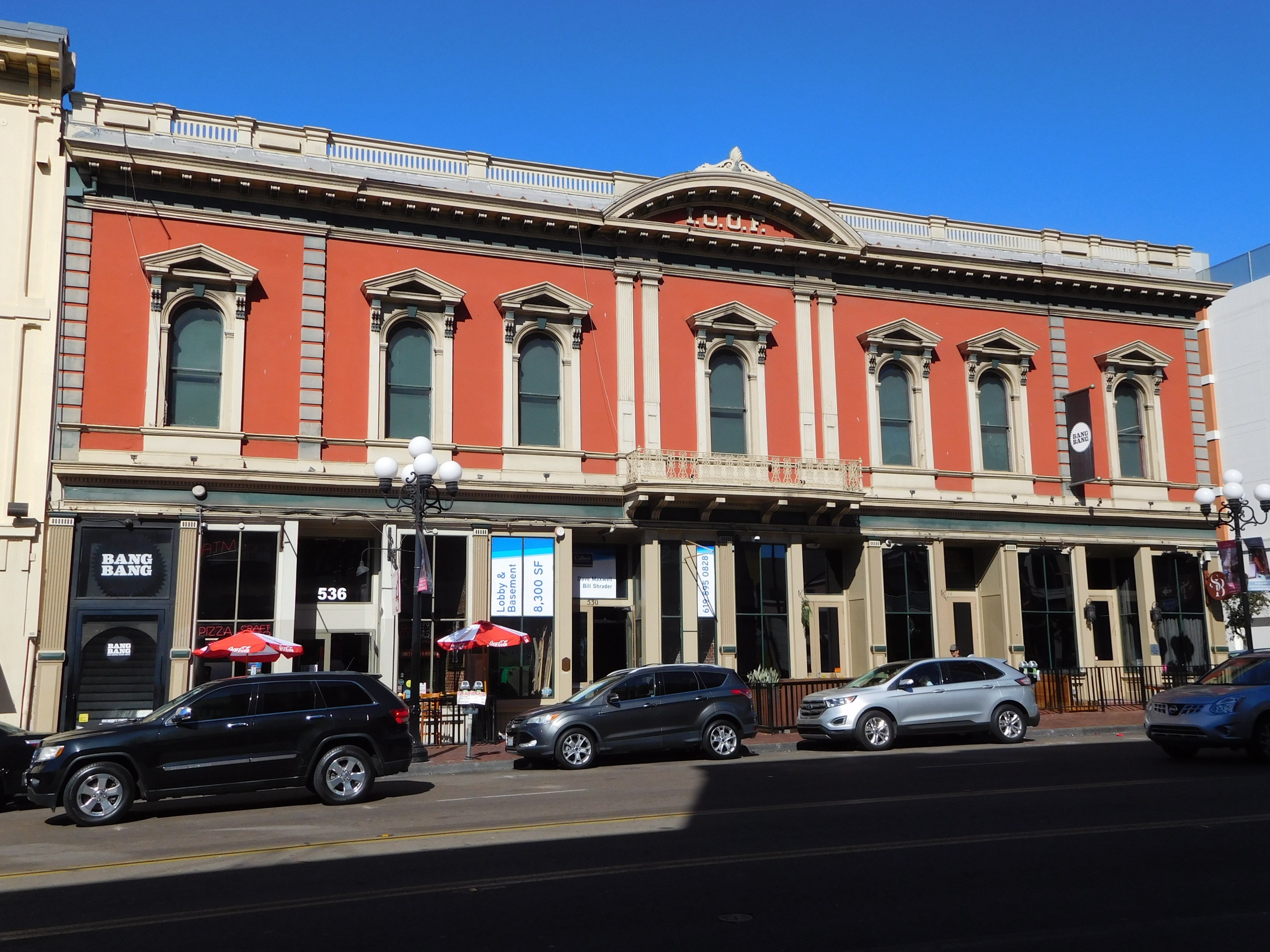
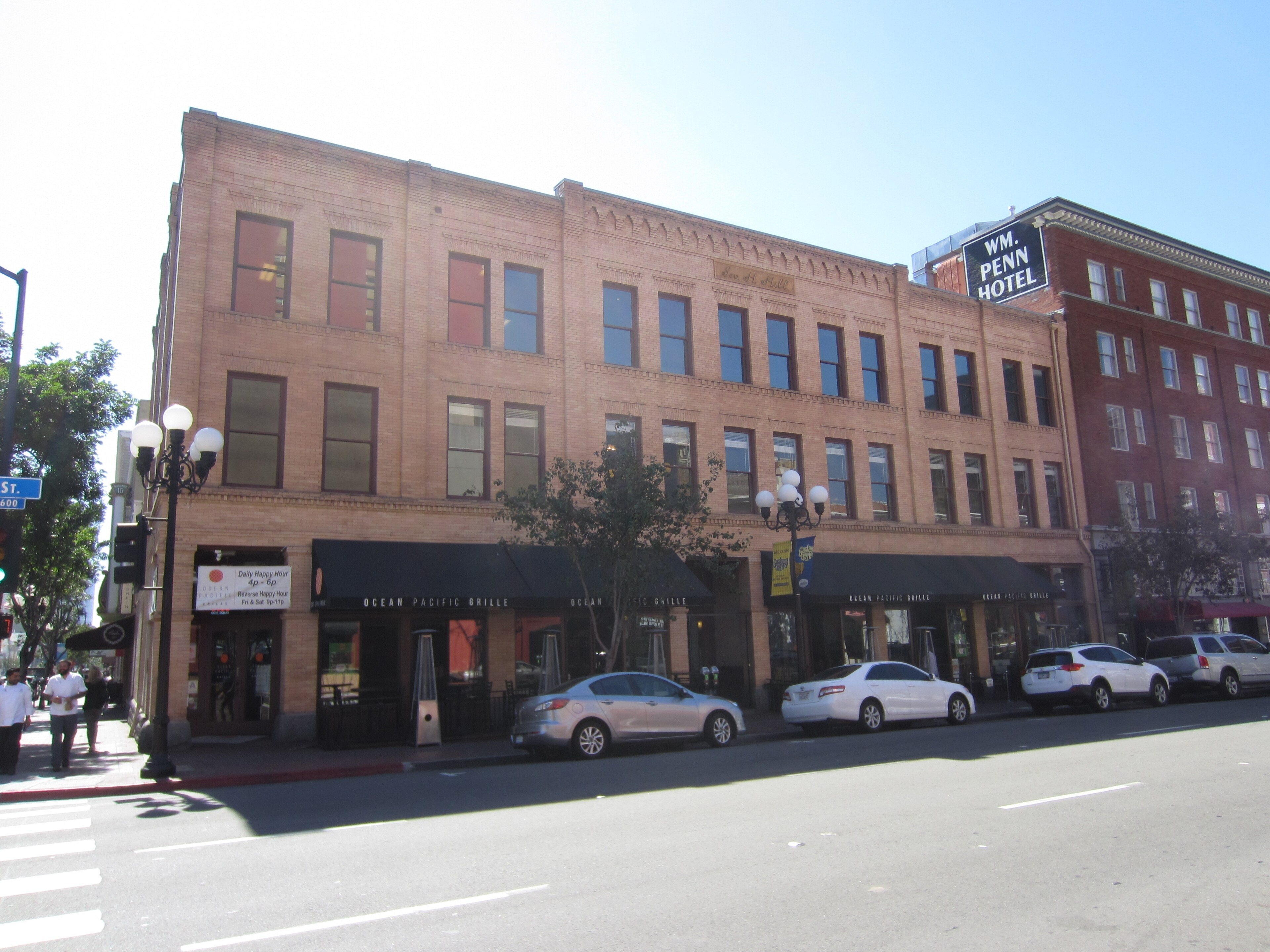
Victorian architecture represents a collection of revival styles from the mid-to-late 19th century, named after Queen Victoria's reign. This ornate architectural movement coincided with the Industrial Revolution, allowing mass production of decorative elements that became the style's hallmark. The style emerged as a romantic reaction against the symmetry of earlier Palladian designs, embracing elaborate ornamentation and eclectic historical references. The railroad system facilitated distribution of prefabricated architectural elements, enabling consistent stylistic features across regions. Pattern books by Andrew Jackson Downing and others spread Victorian designs nationally. While criticized in the early 20th century for being overly ornate, preservation movements beginning in the 1970s renewed appreciation for these structures. Victorian homes typically display vertical emphasis with formal room arrangements including parlors, dining rooms, and servants' areas, reflecting the social customs of the era.
ELEMENTS
- Asymmetrical facades with prominent bay windows
- Steep-pitched roofs with decorative gables and dormers
- Ornate wooden trim known as "gingerbread"
- Wraparound porches with decorative brackets and spindle work
- Tall narrow windows often grouped in pairs or threes
- Turrets and towers creating vertical emphasis
- Elaborate carved details on columns, cornices, and doorframes
- Multi-story construction typically two or three levels