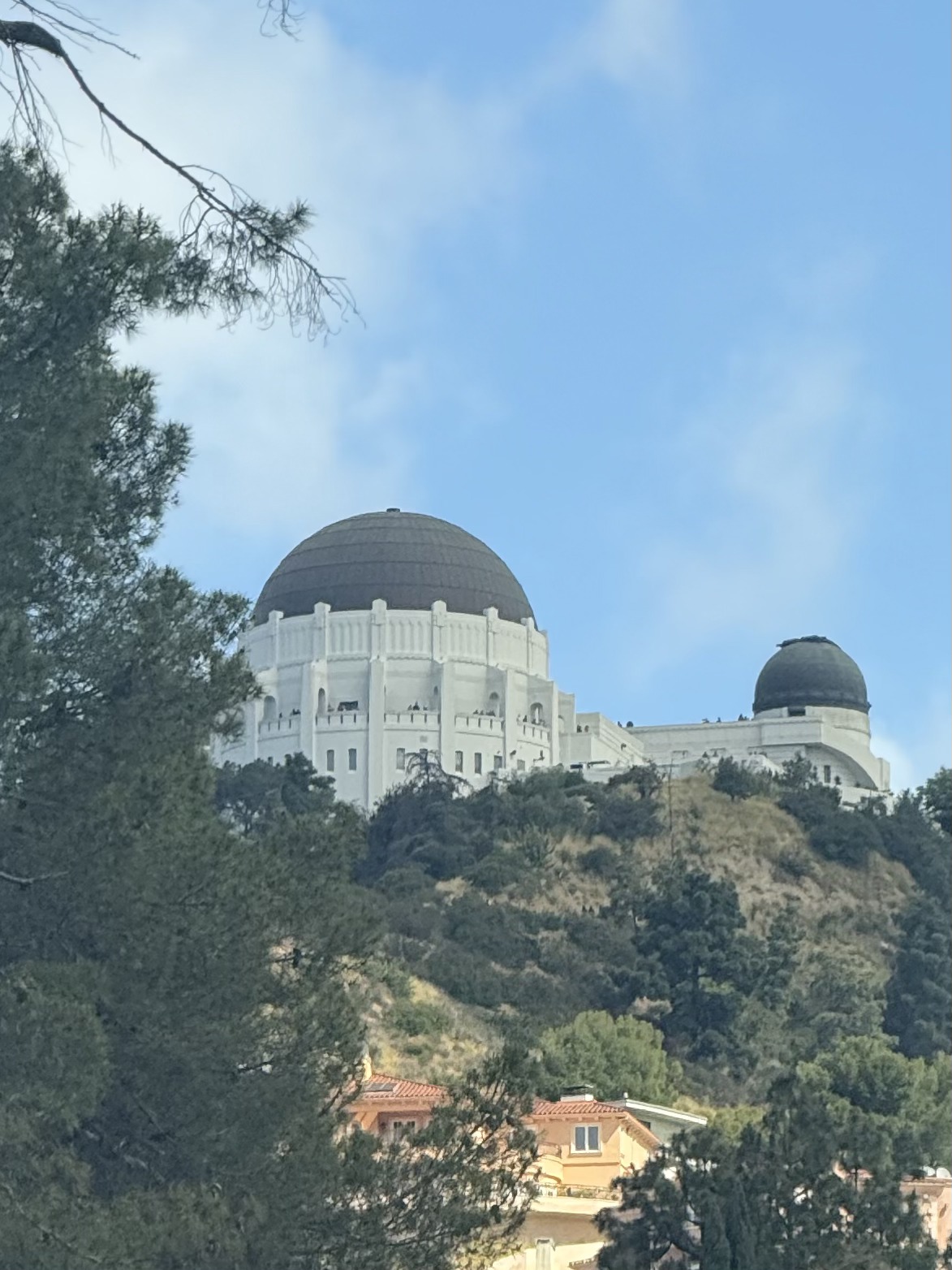
Born from an extraordinary philanthropic vision, the Greek Theatre came to be when Griffith J. Griffith donated 3,000 acres to create Griffith Park in 1896 and specifically earmarked funds in his will for constructing a Greek theatre within the parkland. The amphitheater broke ground in 1928 under the design of architects Samuel Tilden Norton, Frederick Hastings Wallis, and the Tacoma firm Heath, Gove, & Bell, who strategically selected a canyon site in Vermont Canyon for its exceptional natural acoustics. At a cost of $250,000, this municipal playhouse represented something unprecedented in American cultural infrastructure, the nation's only municipally owned Greek theatre. The venue was officially dedicated on September 25, 1930, and launched its performance legacy on June 26, 1931, with a grand double bill of operas 'Cavalleria Rusticana' and 'Pagliacci' before a capacity crowd of 4,000.
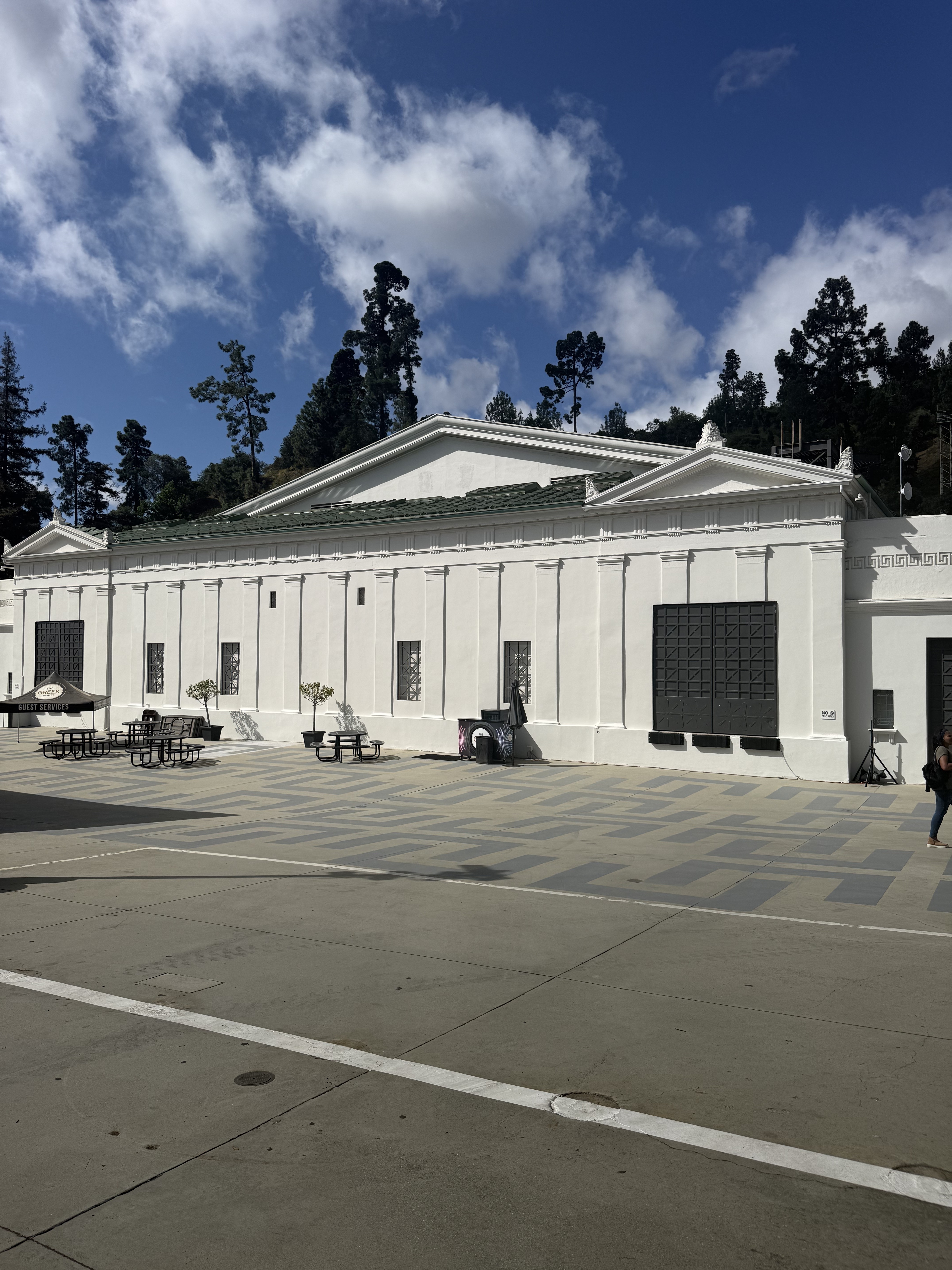
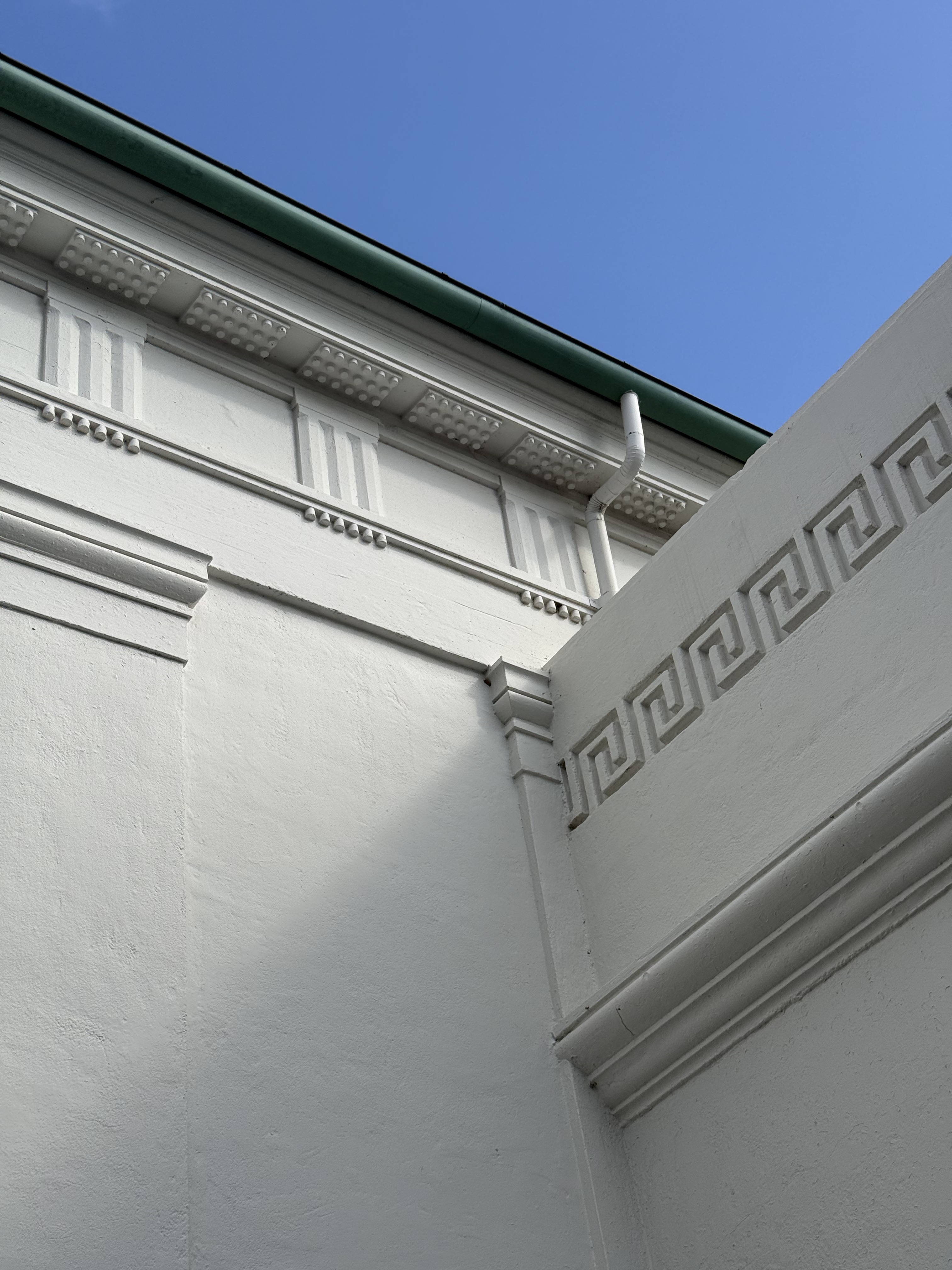
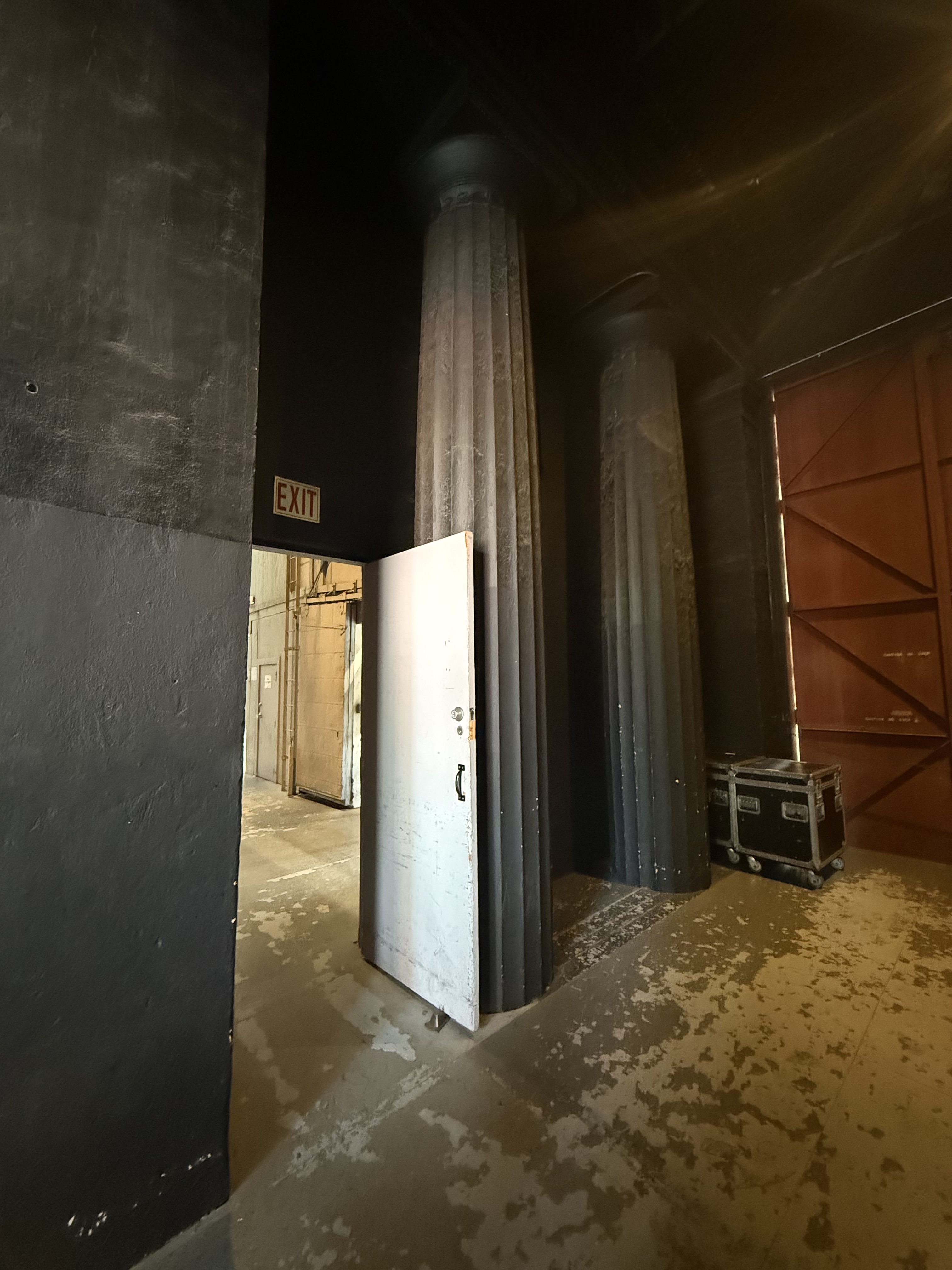
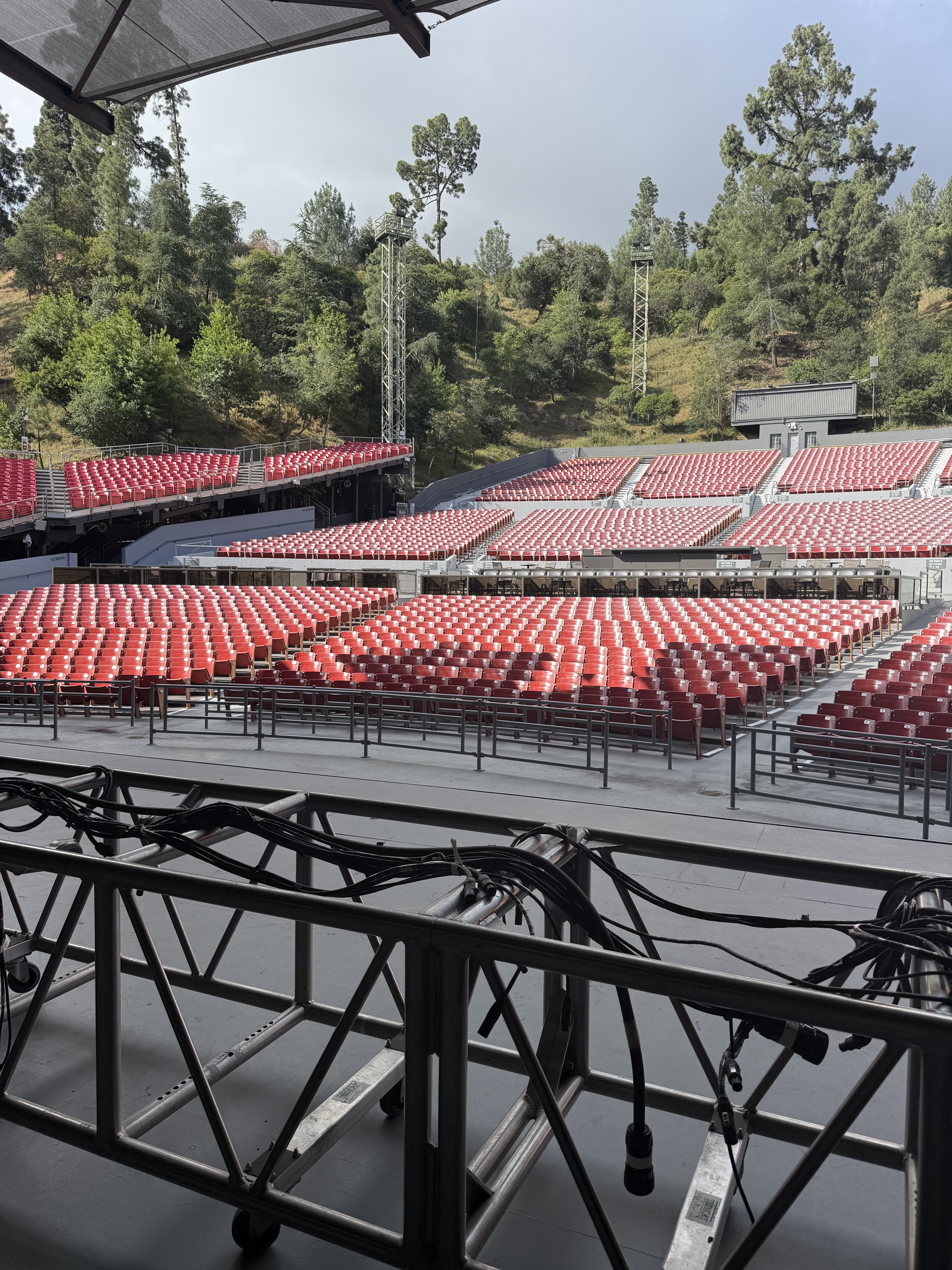
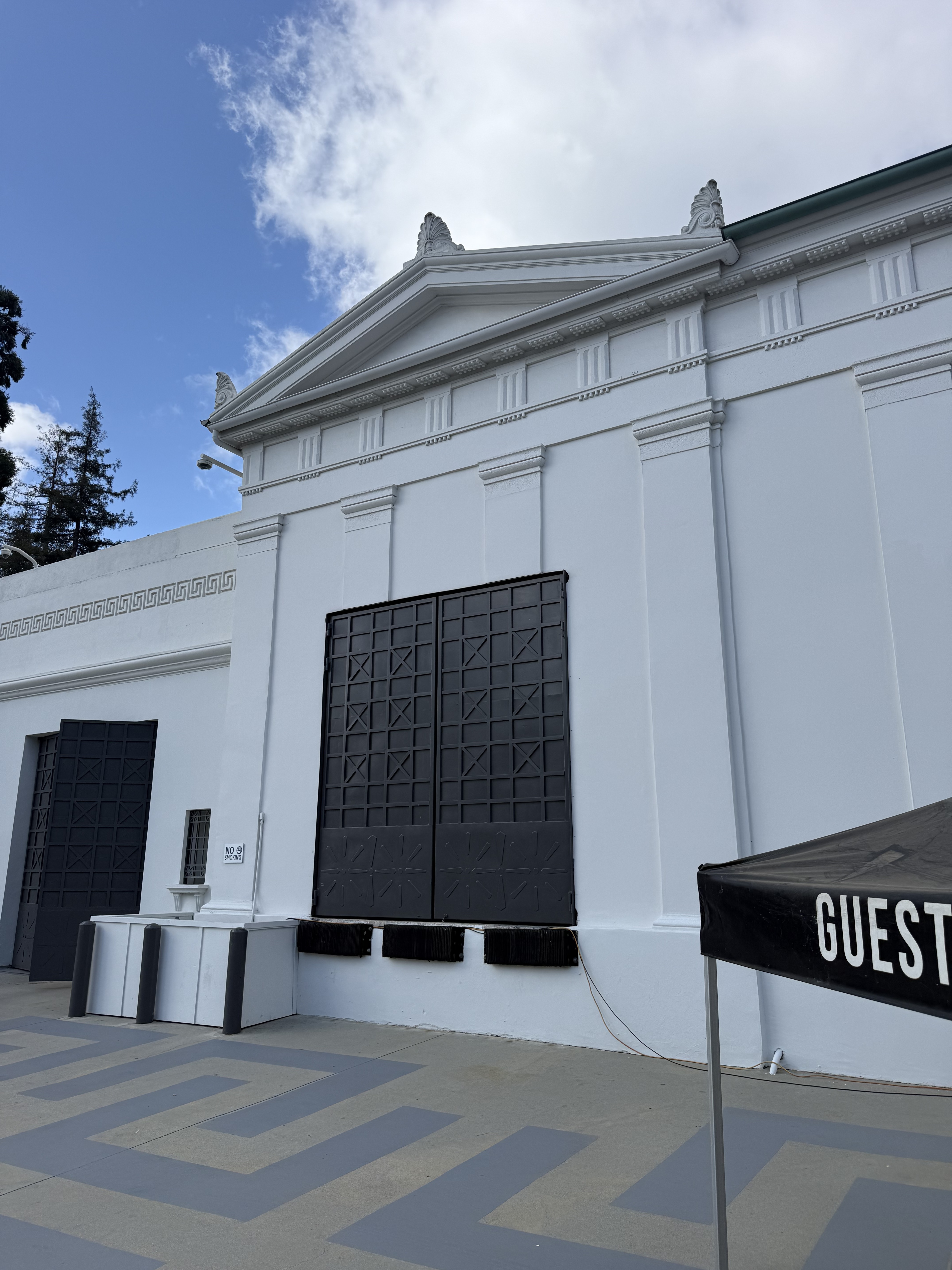
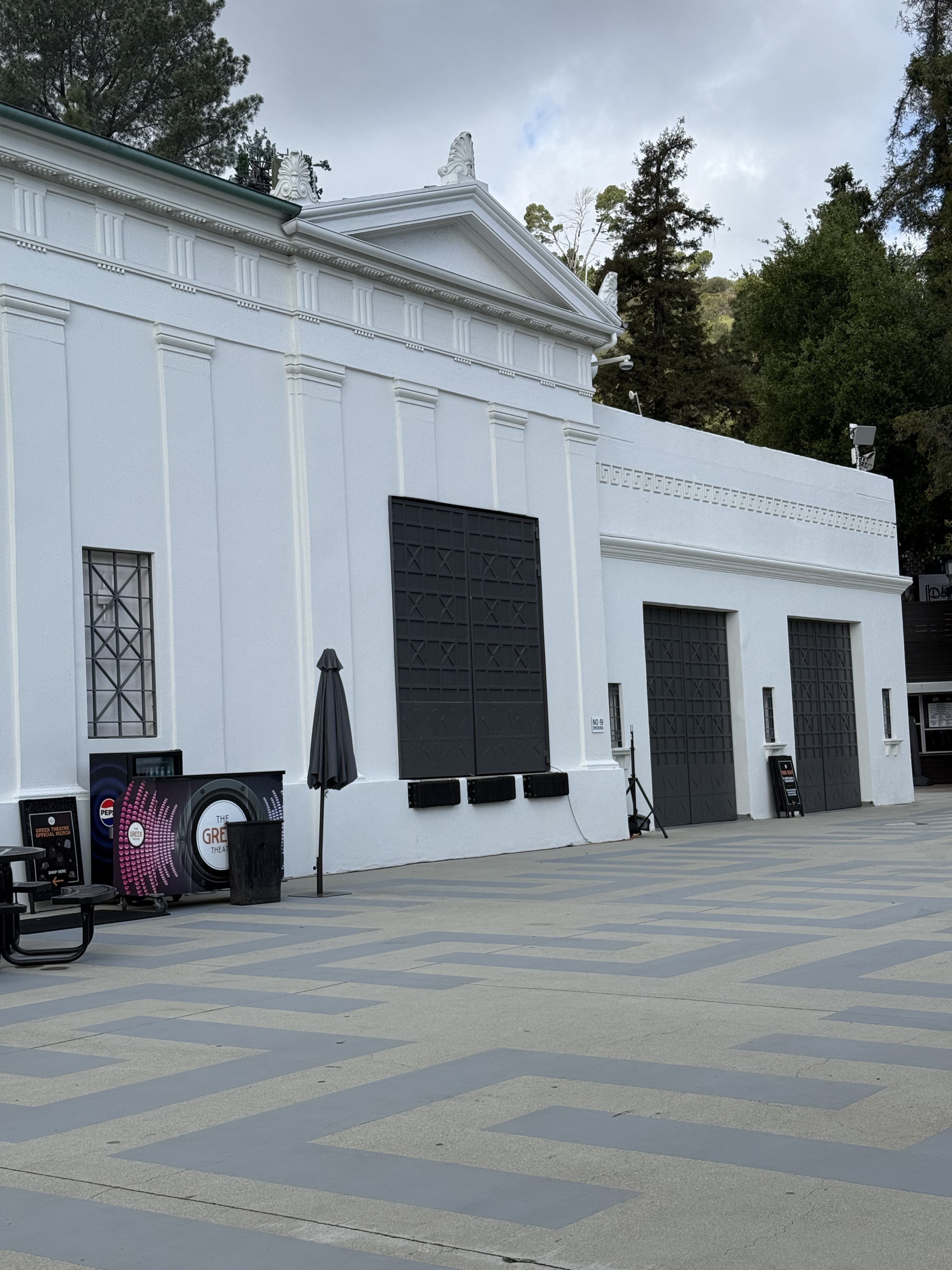
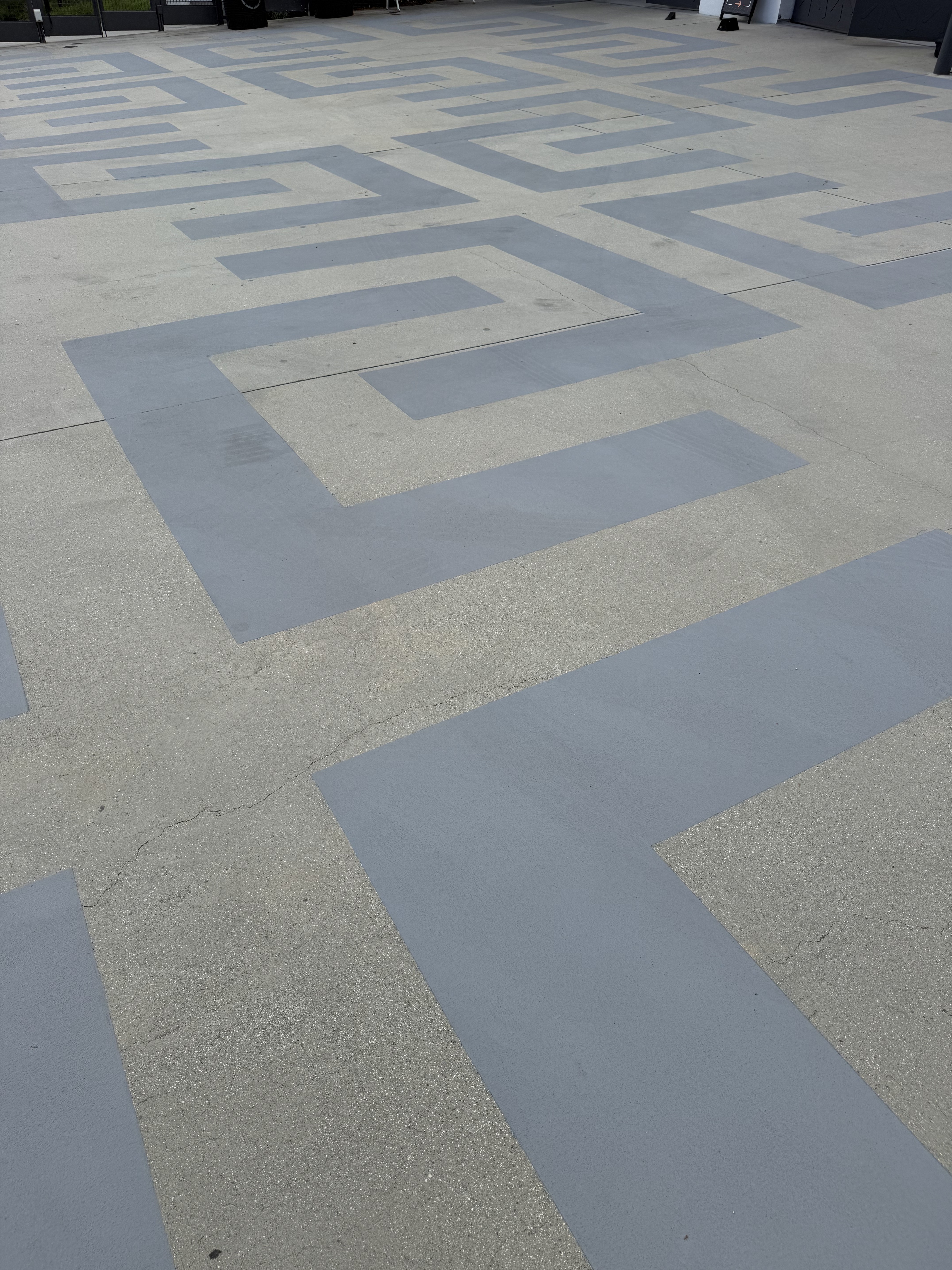
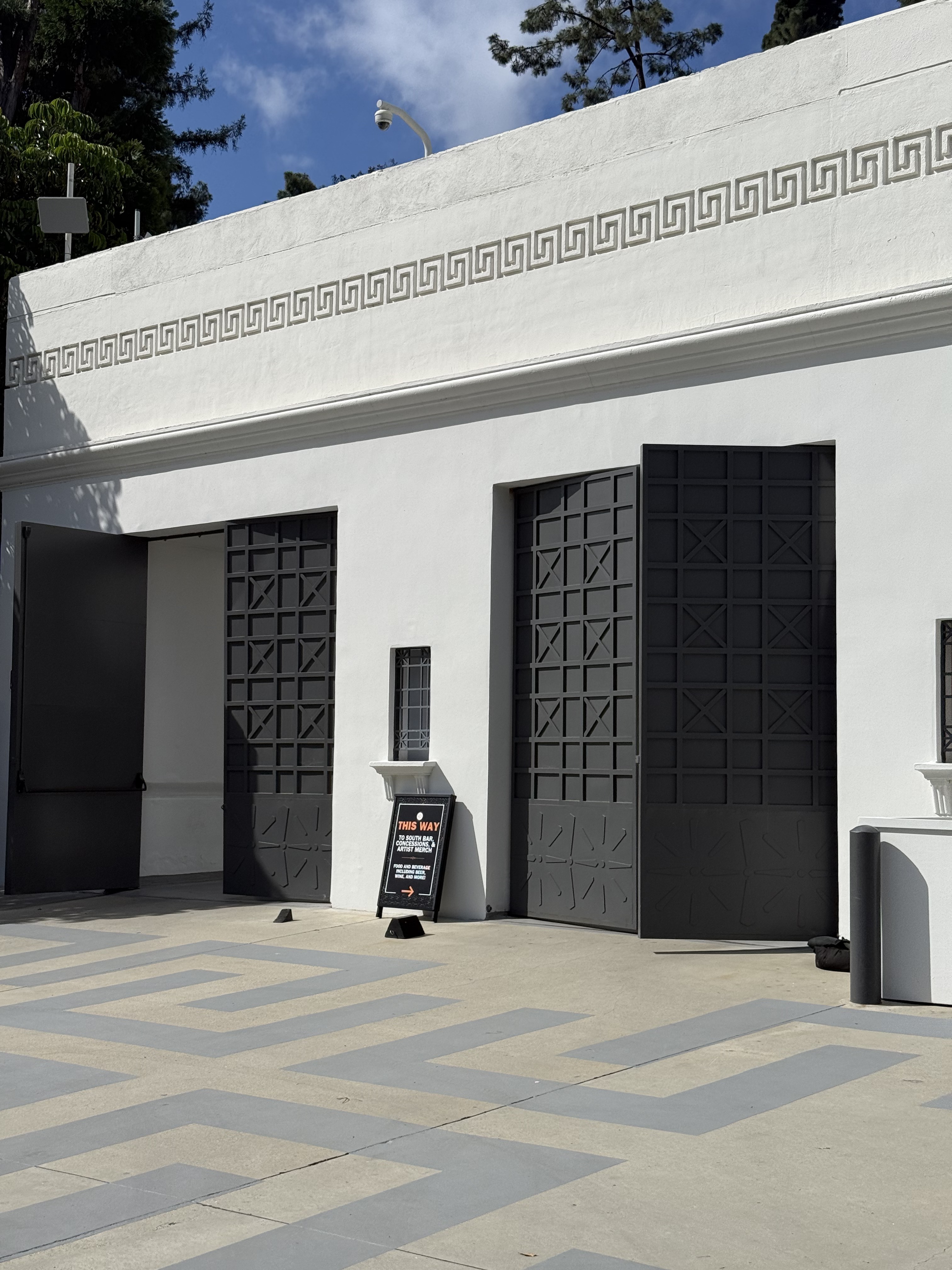
he amphitheater's neoclassical architecture faithfully interprets Ancient Greek theater design, with a semicircular orchestra and tiered seating that follows the natural contours of the hillside. Concrete terraces step dramatically up the slope, creating an intimate relationship between performers and audience that mirrors the spatial dynamics of classical amphitheaters like Epidaurus. The proscenium stage features simplified Doric columns and pediment details that frame performances against the Hollywood Hills backdrop. Stone retaining walls and concrete seating integrate seamlessly with the landscape, while the venue's open-air design eliminates the need for a traditional roof structure, allowing the surrounding eucalyptus trees to serve as natural acoustic buffers.