
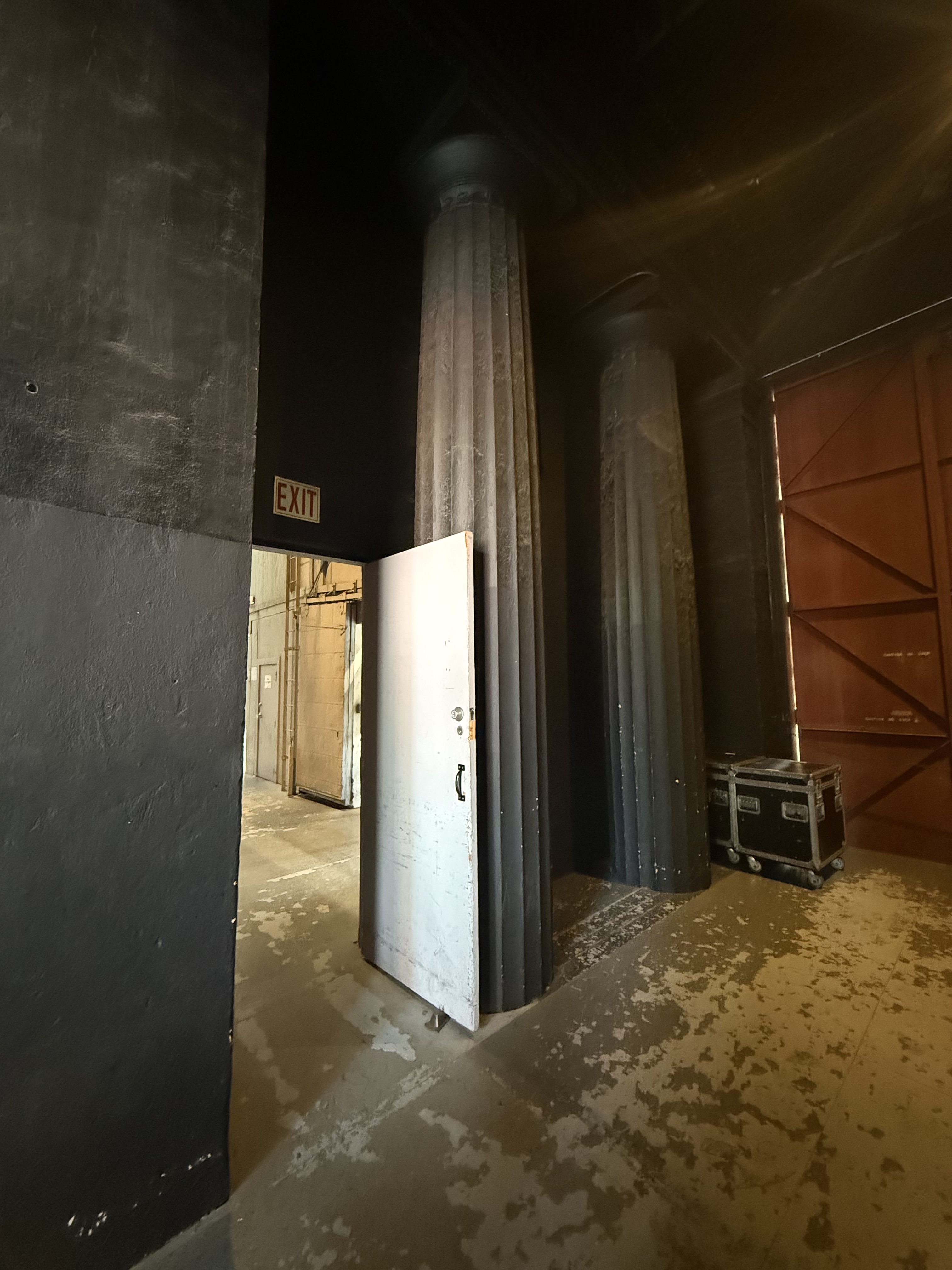
Neoclassical architecture emerged in the mid-18th century as a deliberate return to the classical ideals of ancient Greece and Rome, stripping away the ornate excesses of Baroque and Rococo styles. This influential movement became synonymous with authority, democracy, and refined taste across the Western world, serving as the architectural language of power and institutional gravitas. The style embodied Enlightenment ideals of reason, order, and democratic values while projecting cultural authority. This movement represented both a rejection of ornate Baroque excess and an embrace of rationalist design principles. Archaeological discoveries at Pompeii (1748) and Herculaneum (1738) revealed actual Roman domestic architecture, inspiring more archaeologically accurate classical revivals. The style spread internationally as expression of cultural sophistication and political ideals, with newly independent America adopting Neoclassical for government buildings. Neoclassical architecture was primarily used for buildings requiring gravitas and authority. Government buildings, courts, banks, universities, museums, and wealthy residences adopted this style to convey stability and cultural sophistication.
ELEMENTS
- Classical columns with Doric, Ionic, or Corinthian orders
- Symmetrical facades with balanced proportions based on ancient mathematical ratios
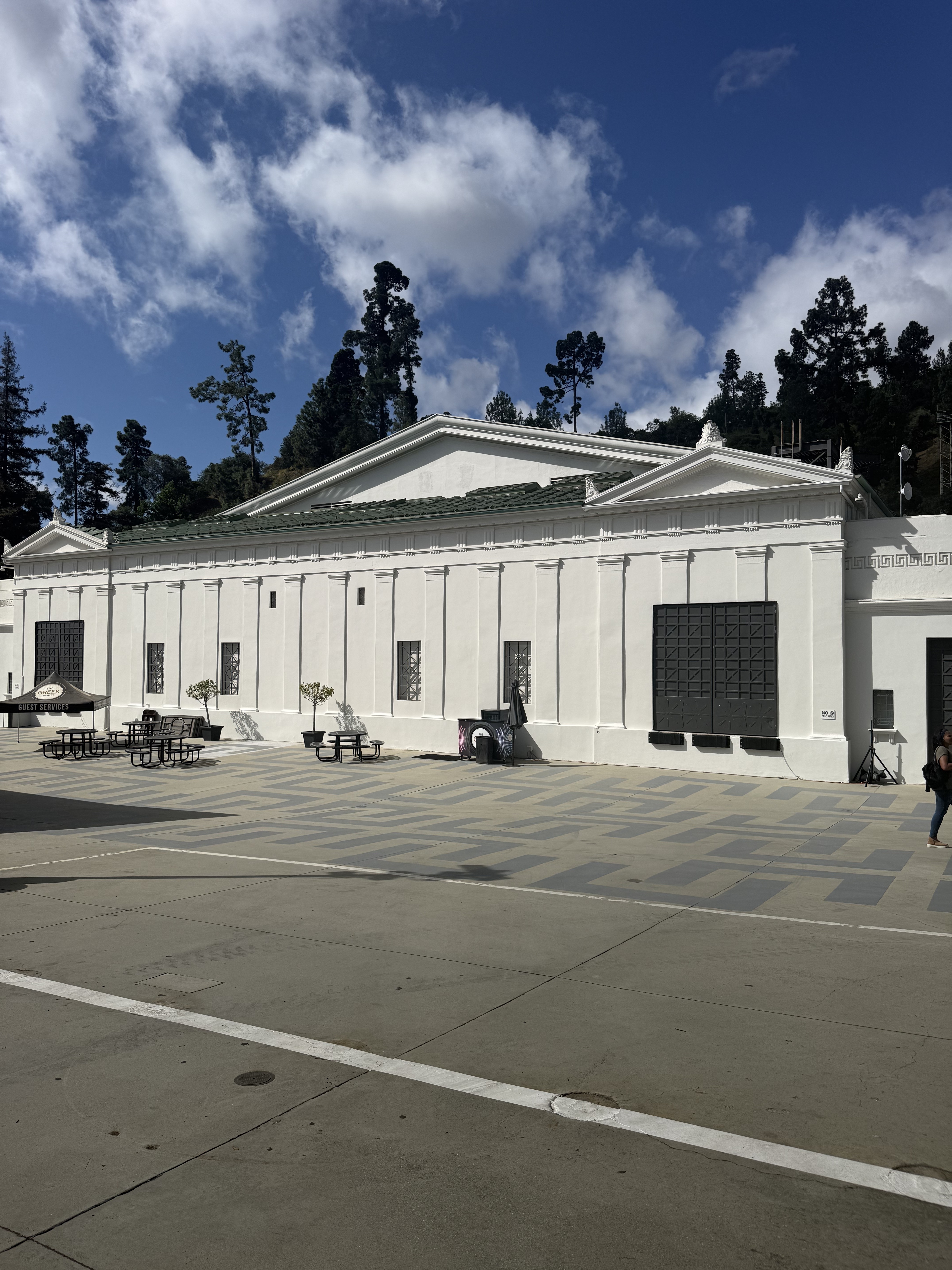
- Triangular pediments crowning porticos and main entrances
- Grand porticos with multiple columns supporting classical moldings
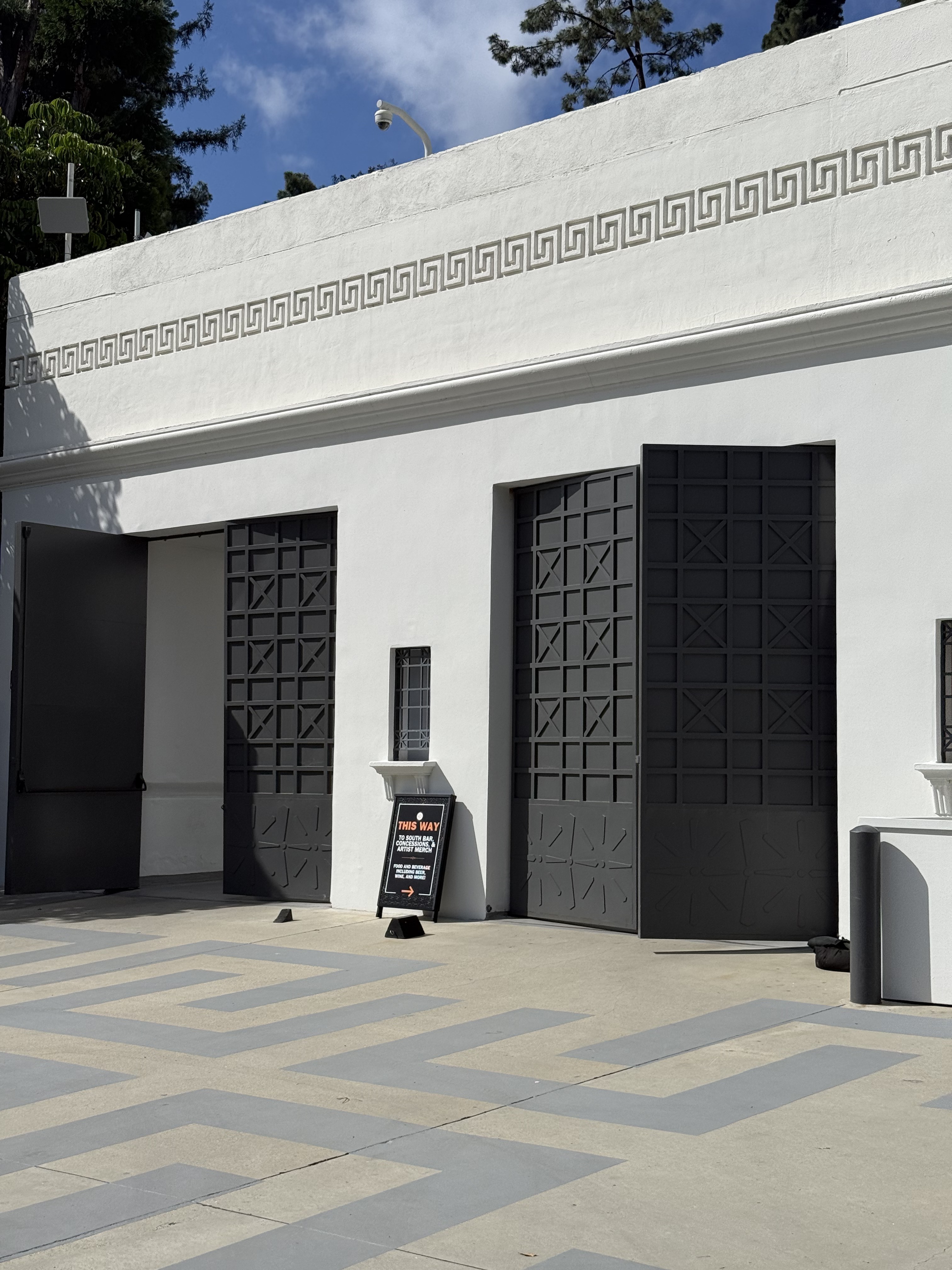
- Clean geometric lines emphasizing planar qualities over sculptural ornament
- Flat, restrained surfaces with minimal three-dimensional decoration
- Rectangular windows arranged in regular, ordered patterns
- Low-pitched or flat roofs hidden behind parapets (roof walls) or pediments