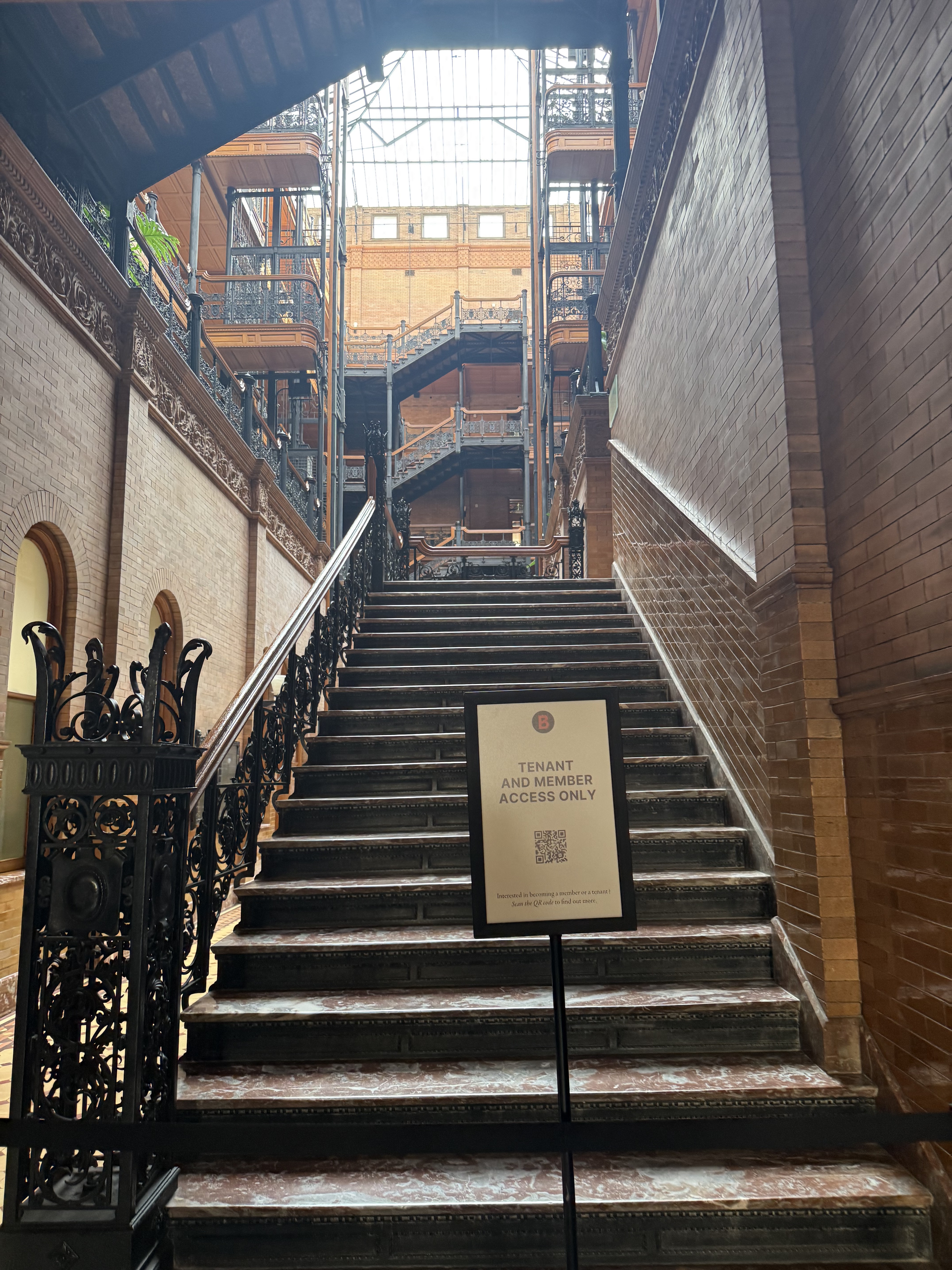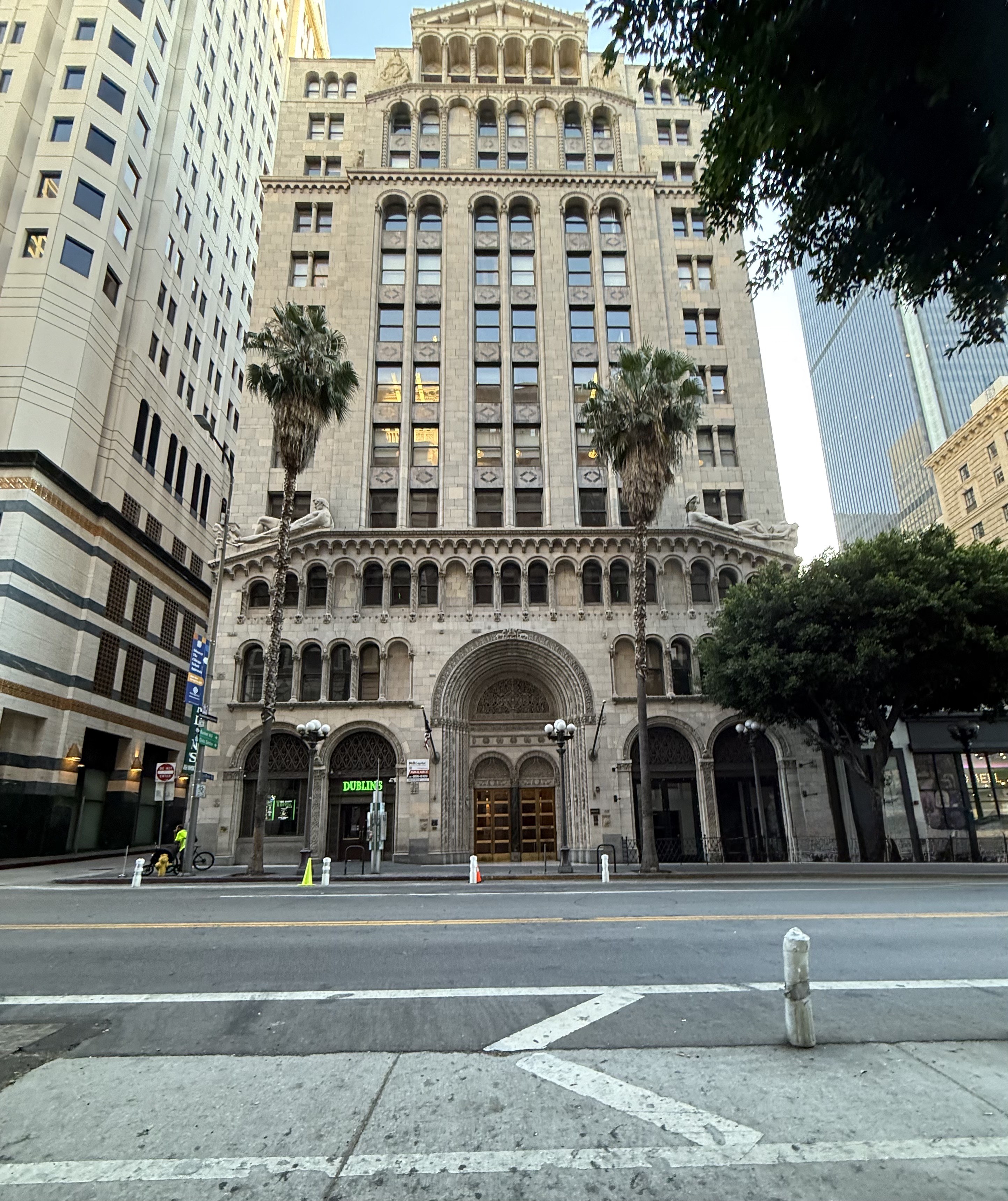
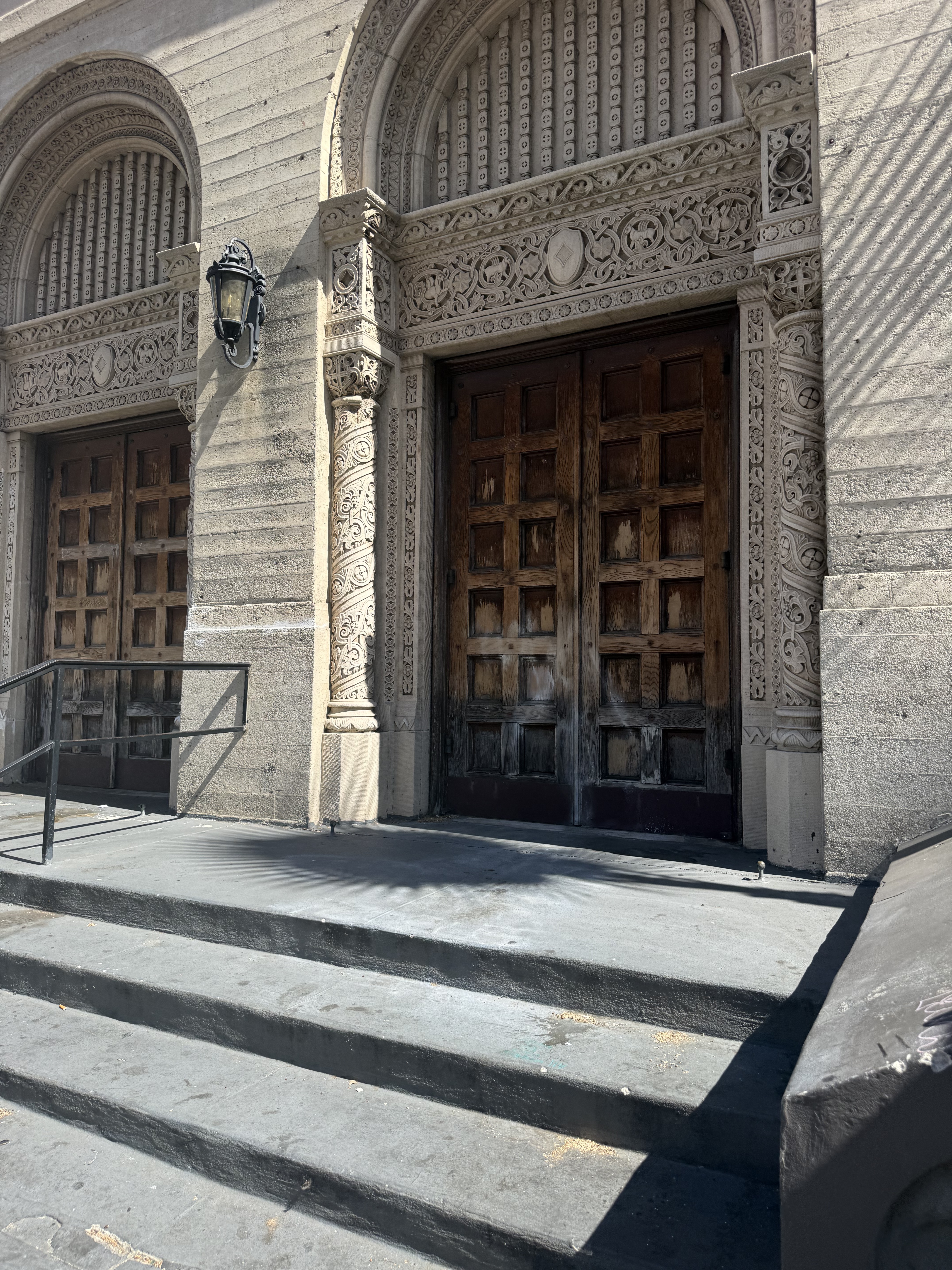
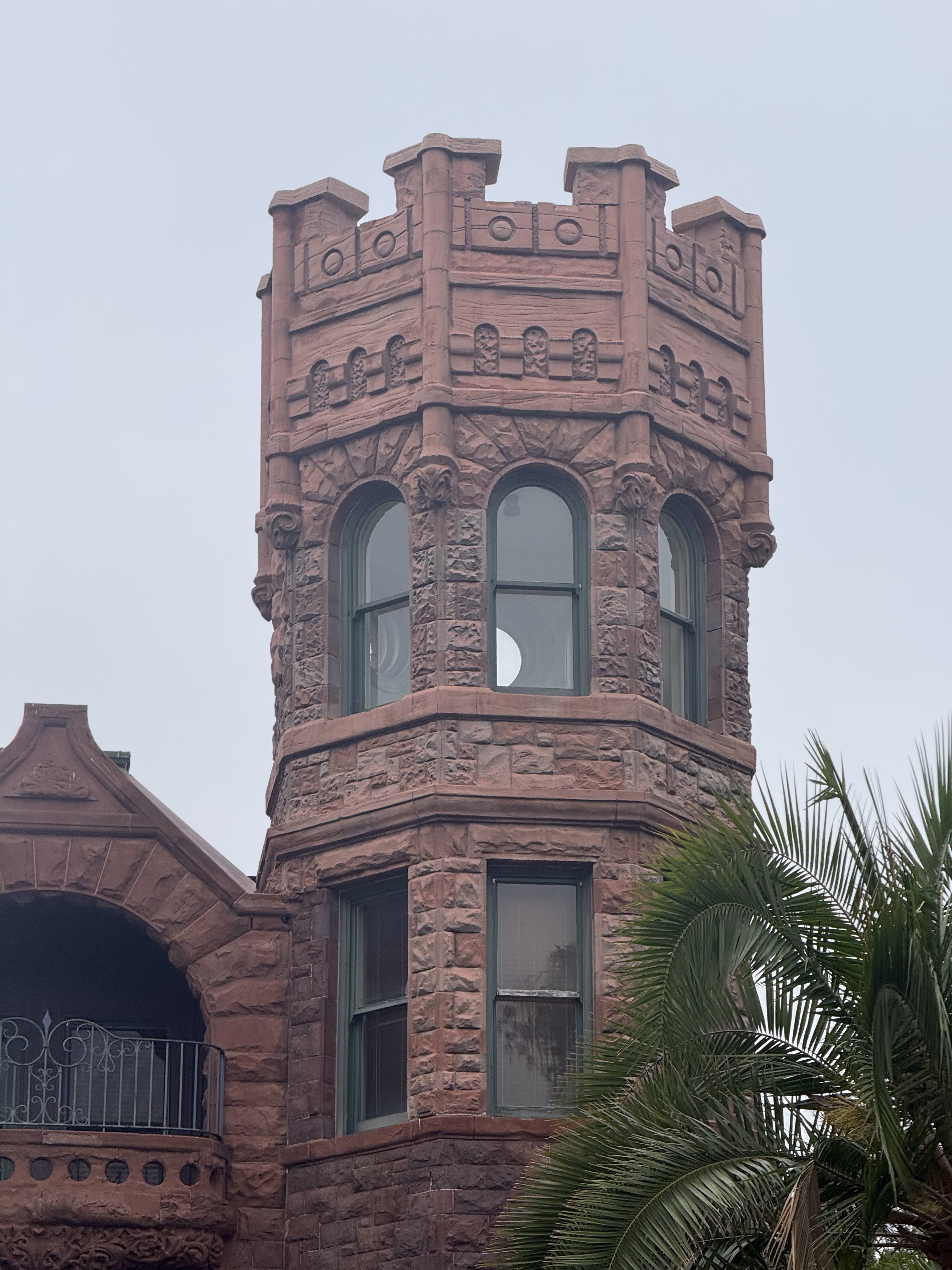
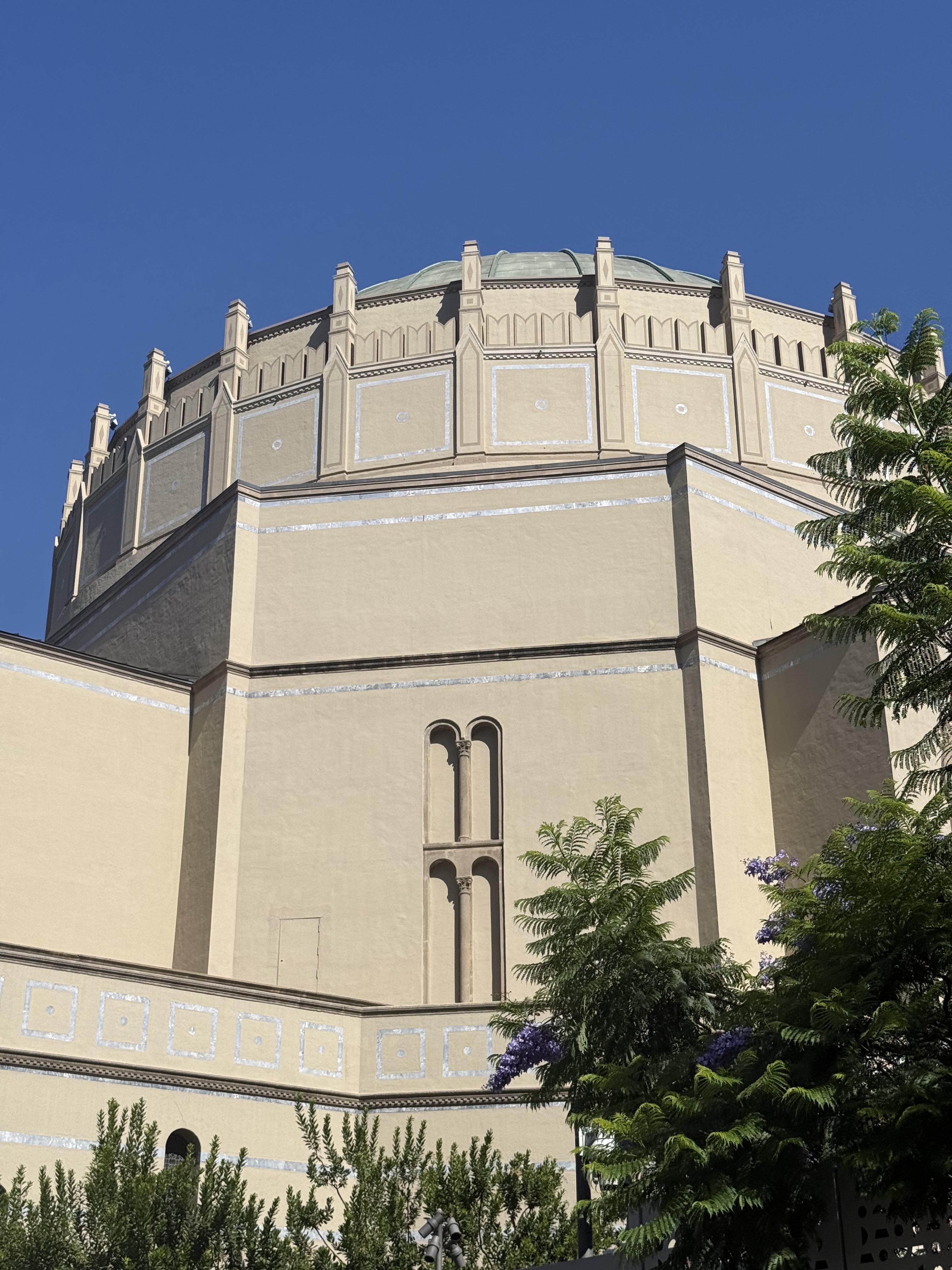
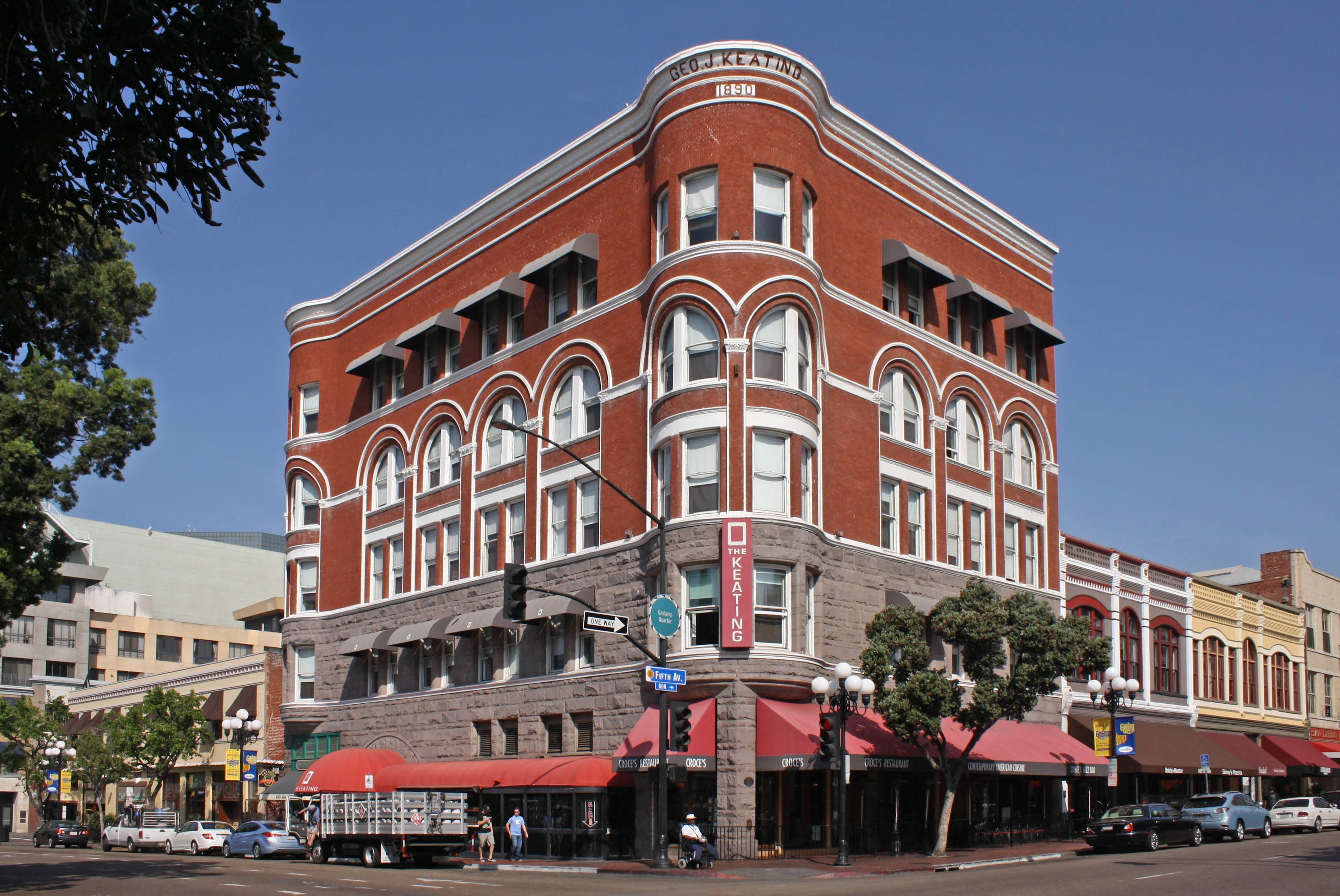
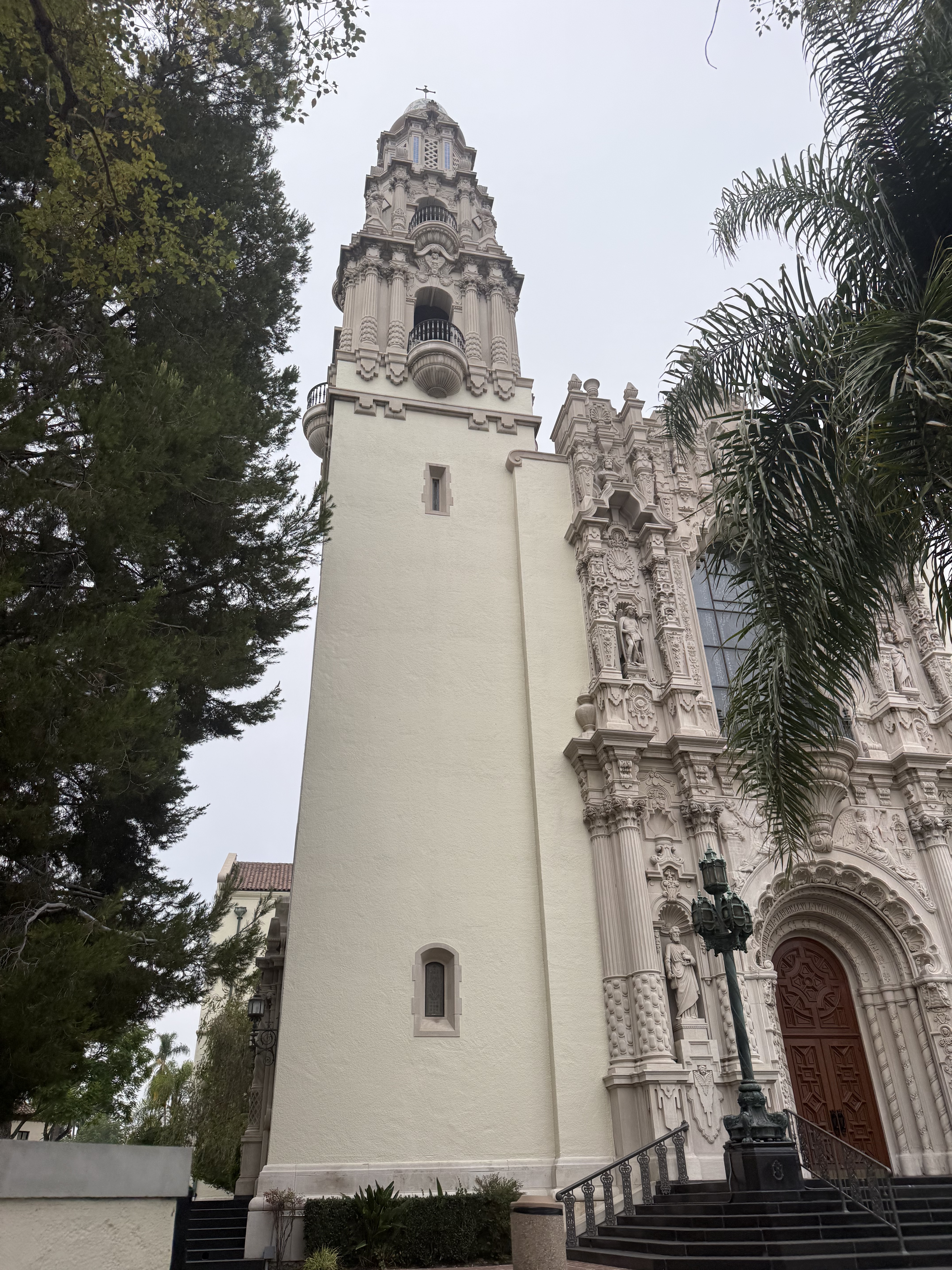
Romanesque Revival, also known as Neo-Romanesque, emerged in the mid-19th century as architects sought to revive the grandeur of 11th and 12th-century Romanesque architecture. This style became a powerful alternative to the dominant Greek Revival, offering a more flexible and economically practical approach to American and European architecture. The movement was particularly influential through H.H. Richardson who developed "Richardsonian Romanesque" in the 1870s-1880s. Unlike Gothic Revival's association with High Church Anglicanism, Romanesque Revival attracted broad Protestant denominations and secular institutions. The style declined after 1870 in Britain but continued into the 1920s in North America for major institutional projects. The style found particular favor in religious architecture, especially among low church and broad church Anglican congregations, contrasting with Gothic Revival preferred by High Church movements. It became equally popular for civic buildings, universities, and institutional architecture due to the style's emphasis on permanence and dignity.
ELEMENTS
- Round-arched windows and doorways, often simplified
- Massive stone walls with thick construction creating fortress-like appearance
- Sturdy cylindrical towers, often multiple on larger buildings
- Horizontal emphasis over vertical, celebrating mass and solidity
- Decorative arcading (decorative arches) along walls and facades
- Barrel vaults in interior spaces
- Corbelled (decorative brackets) cornices providing decorative roof transitions
- Deep-set windows creating strong shadow lines
- Broad, low proportions emphasizing stability