
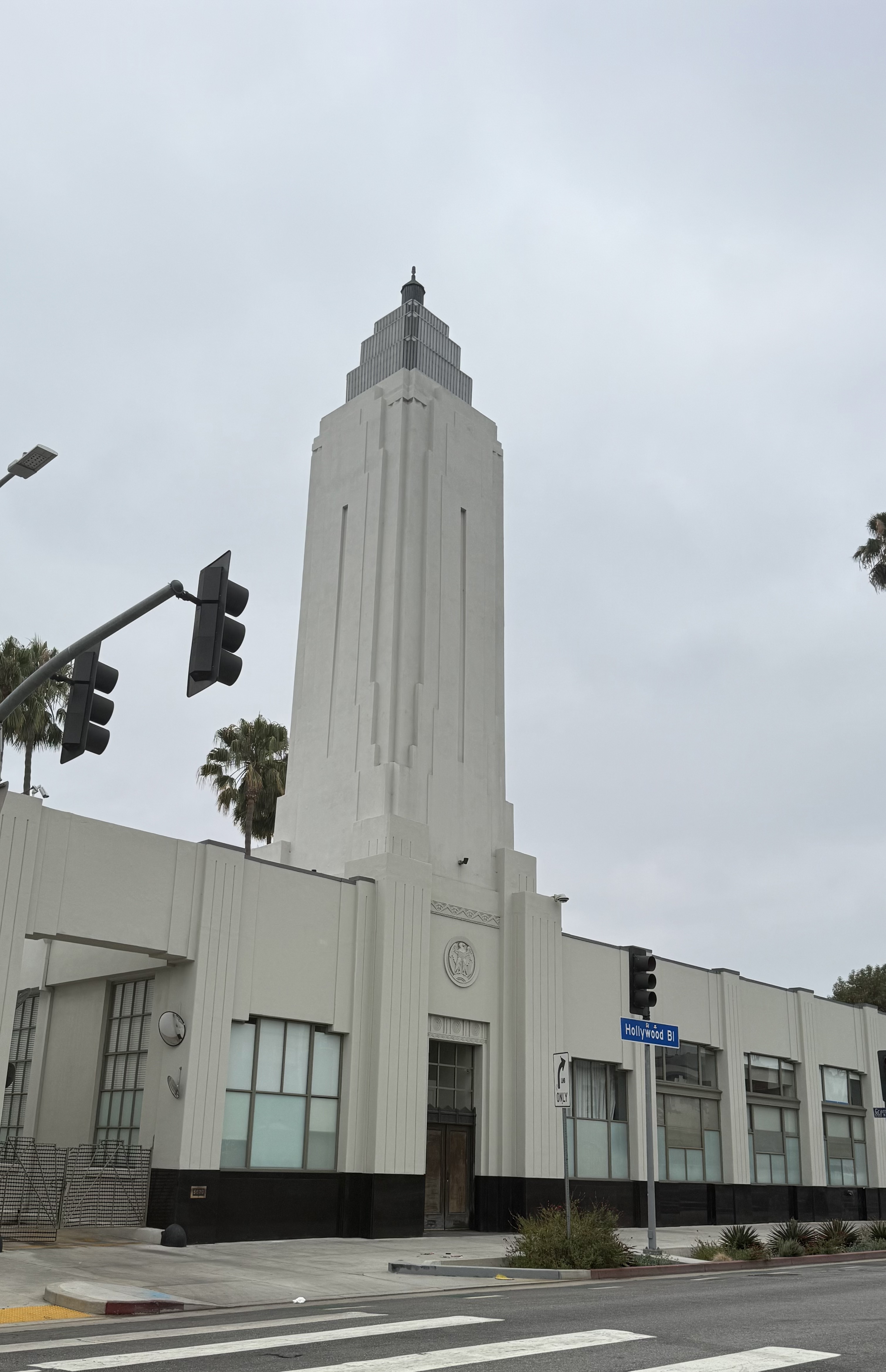
Los Feliz's story begins with the indigenous peoples who inhabited the Los Angeles River region for thousands of years before Spanish contact. Nestled in the Santa Monica Mountains foothills, the neighborhood takes its name from the Féliz family of Californios, who received the 6,647-acre Rancho Los Feliz land grant in 1795. An adobe house built in the 1830s by his heirs still stands today in Griffith Park. Following California's American conquest, the ranch passed through several notable ultimately being acquired by Colonel Griffith J. Griffith in 1882. Griffith's transformative decision to donate over half the ranch to Los Angeles created Griffith Park, one of the largest city-owned parks in America. The modern residential neighborhood began developing in the early 1900s, with only 23 properties existing in 1900. The 1920s-1940s marked the major growth period, establishing Los Feliz as an enclave for creative professionals and affluent residents drawn to its hillside setting and architectural innovation.
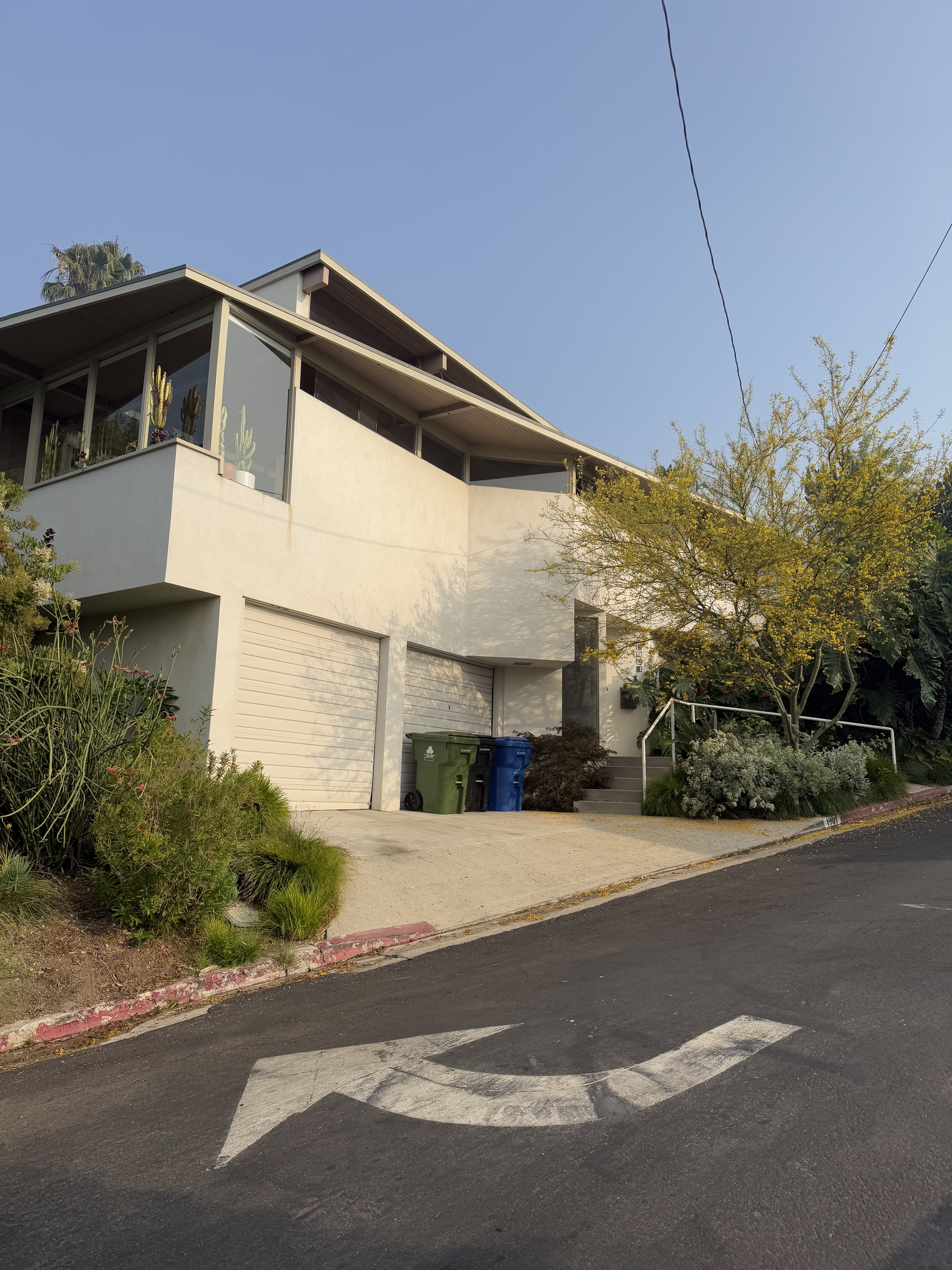
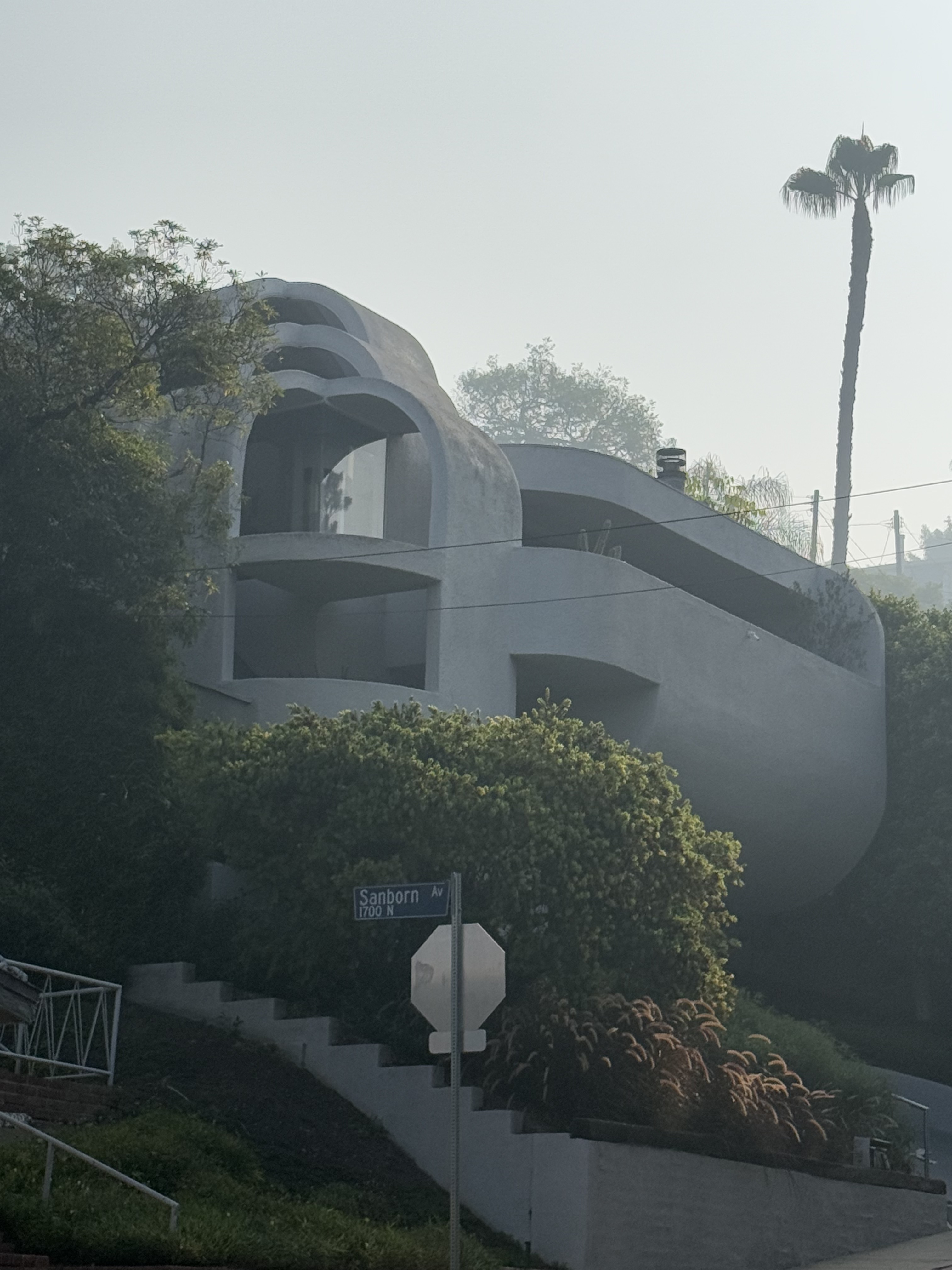
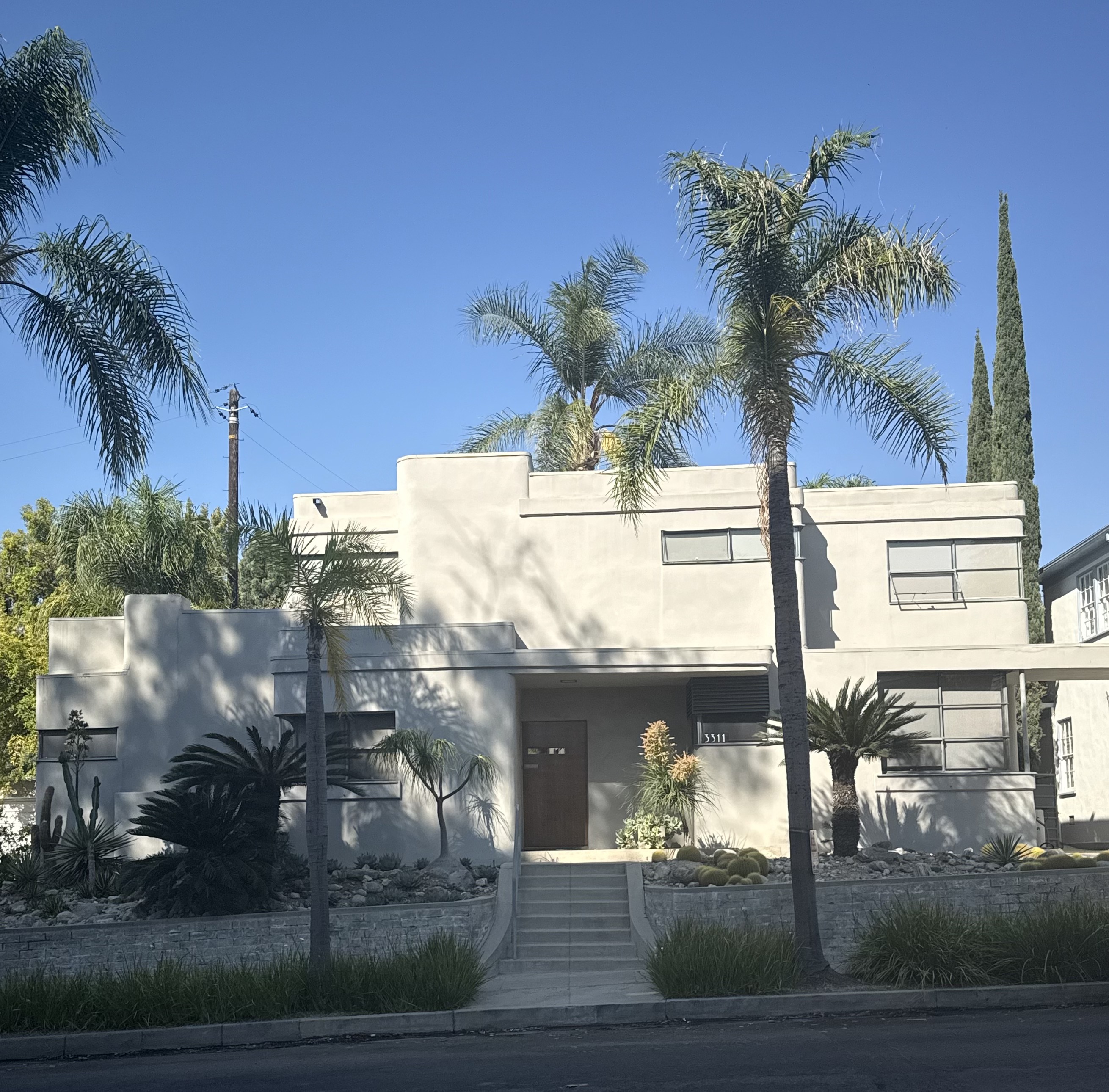
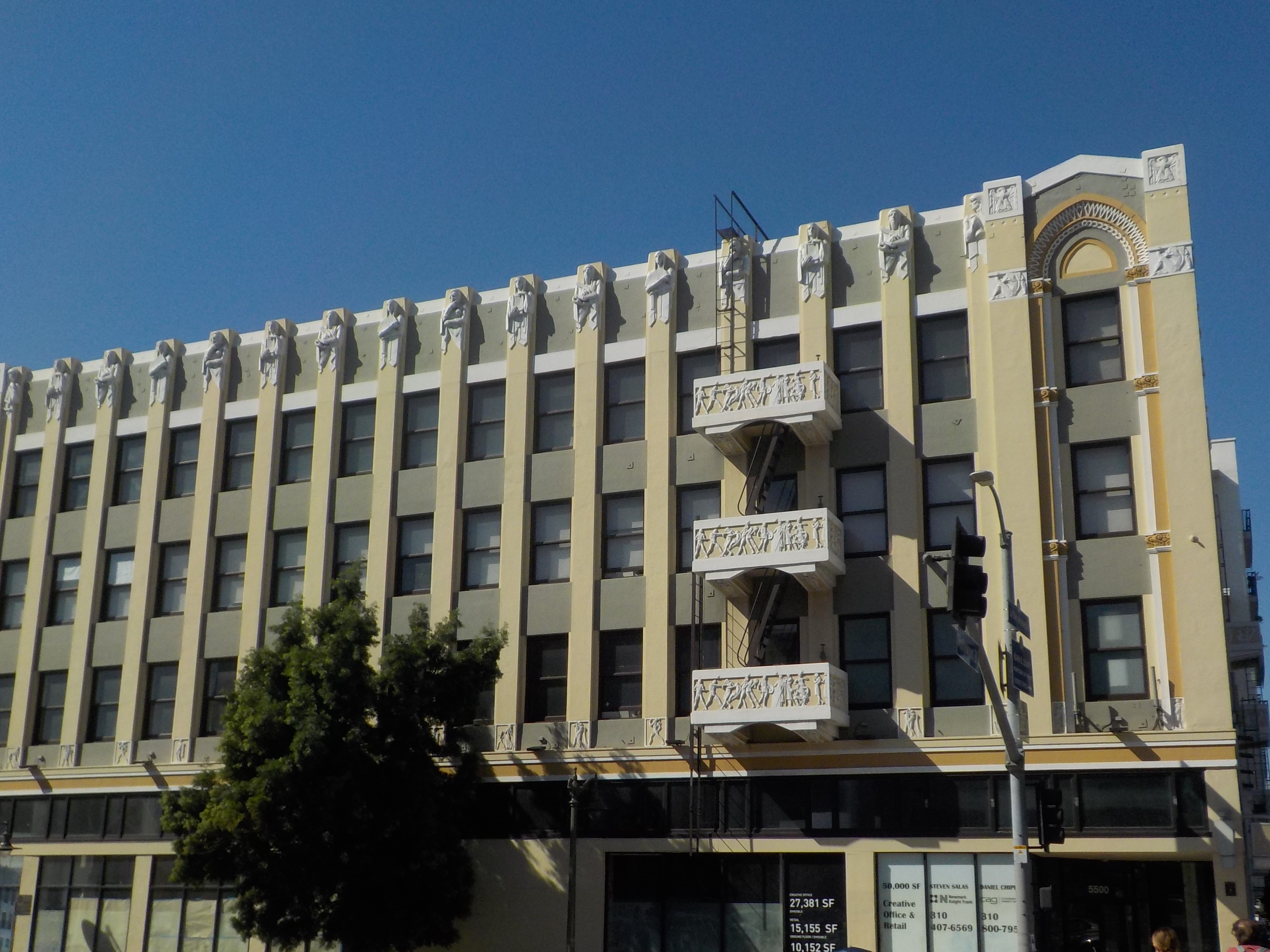
Los Feliz blends early Hollywood glamour with some of the most important residential modernism in Los Angeles. Spanish Colonial Revival and Mediterranean homes from the 1920s line the neighborhood’s winding streets, while landmark modernist works by Frank Lloyd Wright—including the Ennis House and Hollyhock-inspired textile block designs—anchor its architectural legacy. The hills attracted architects and creatives seeking experimental forms and indoor-outdoor living, resulting in a mix of revival styles, mid-century residences, and discreet contemporary infill. Los Feliz remains defined by its balance of architectural ambition and lived-in neighborhood character.
BORDERS
North: Griffith Park line between Fern Dell Drive and Riverside Drive
South: Fountain Avenue and Hollywood Boulevard
East: Los Angeles River
West: Western Avenue, Los Feliz Boulevard, and Fern Dell Drive
buildings in Los Feliz
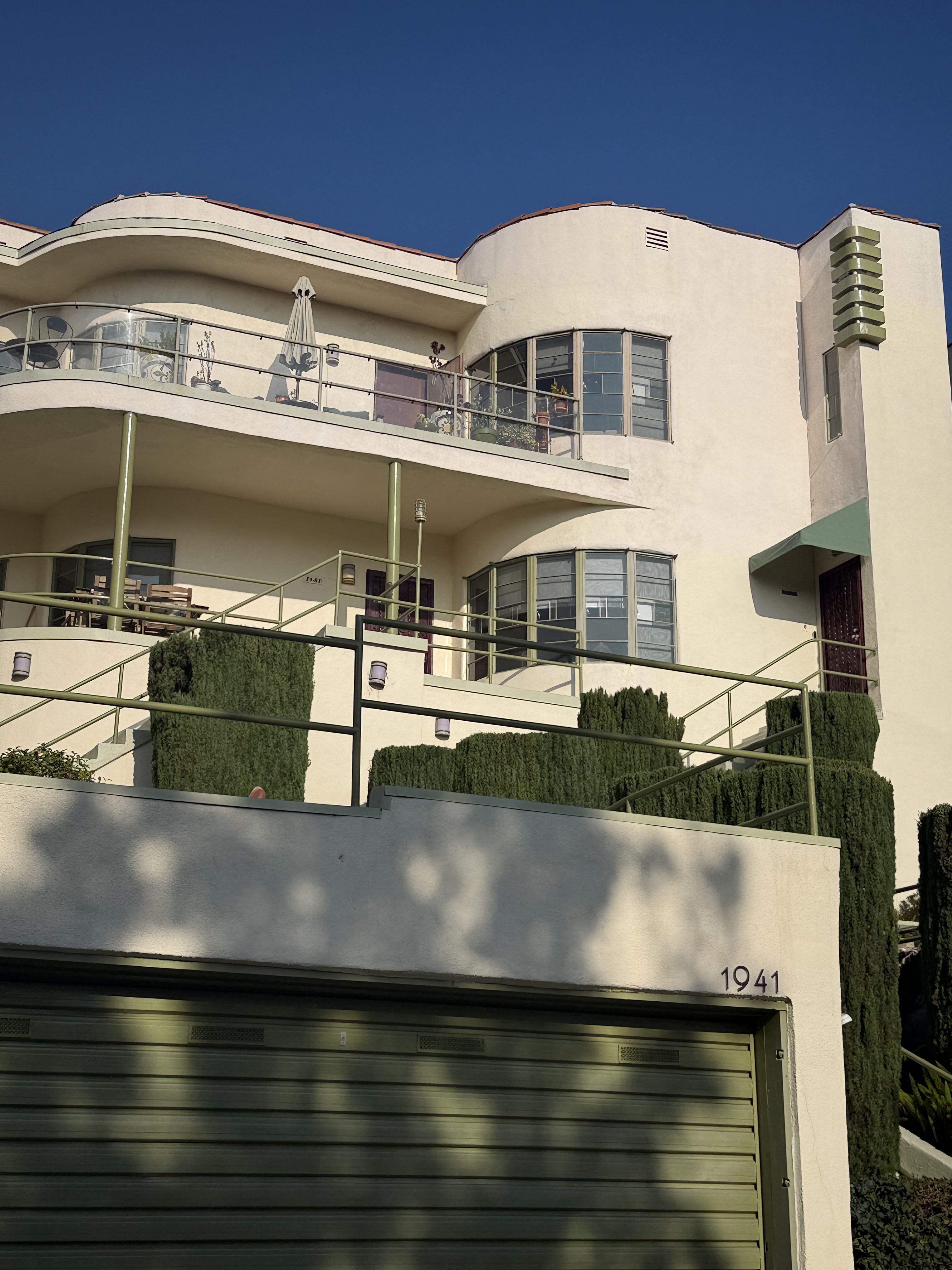 Ben Brodsky Duplex
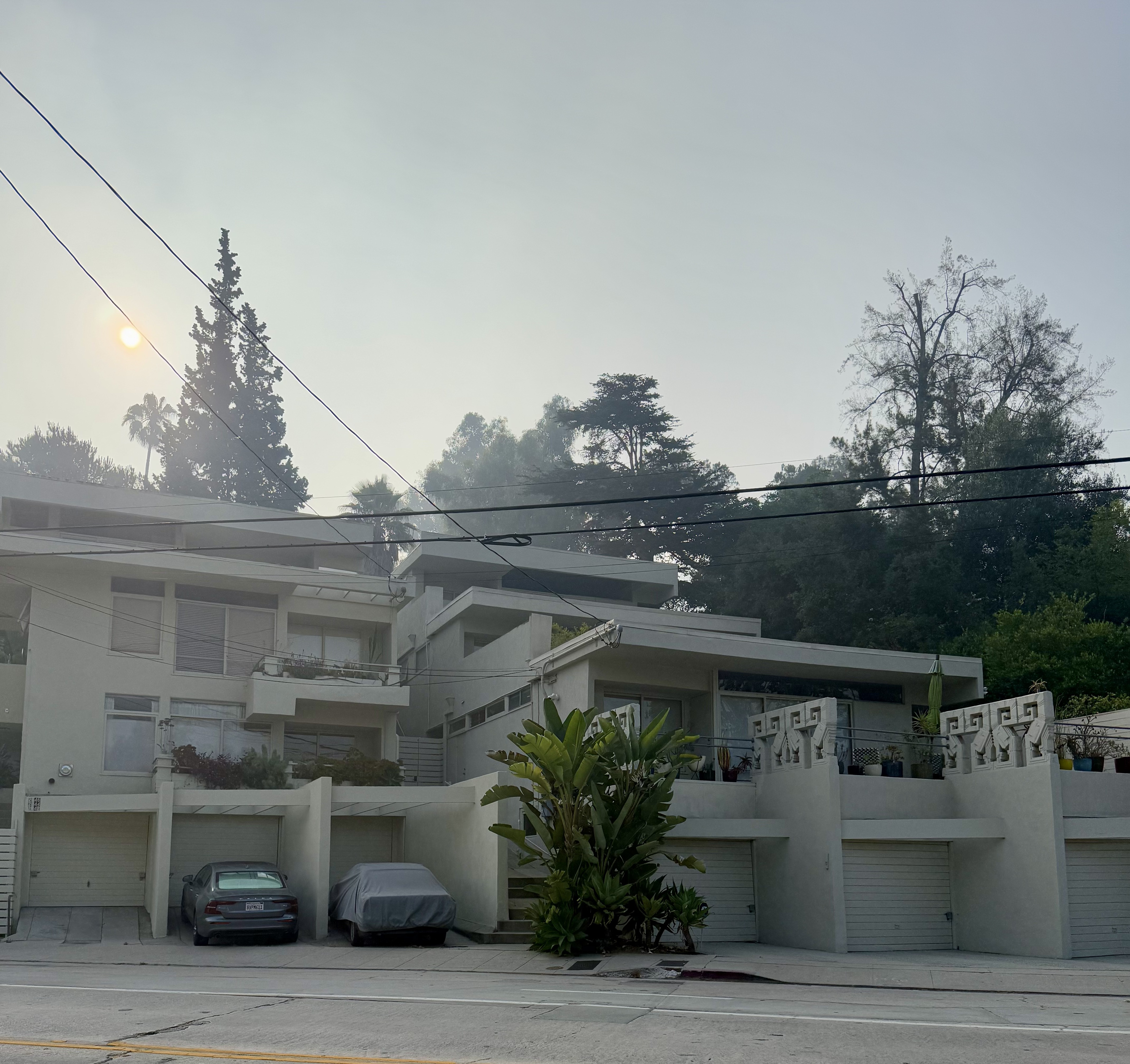 Bubeshko ApartmentsCalifornia Bank Building
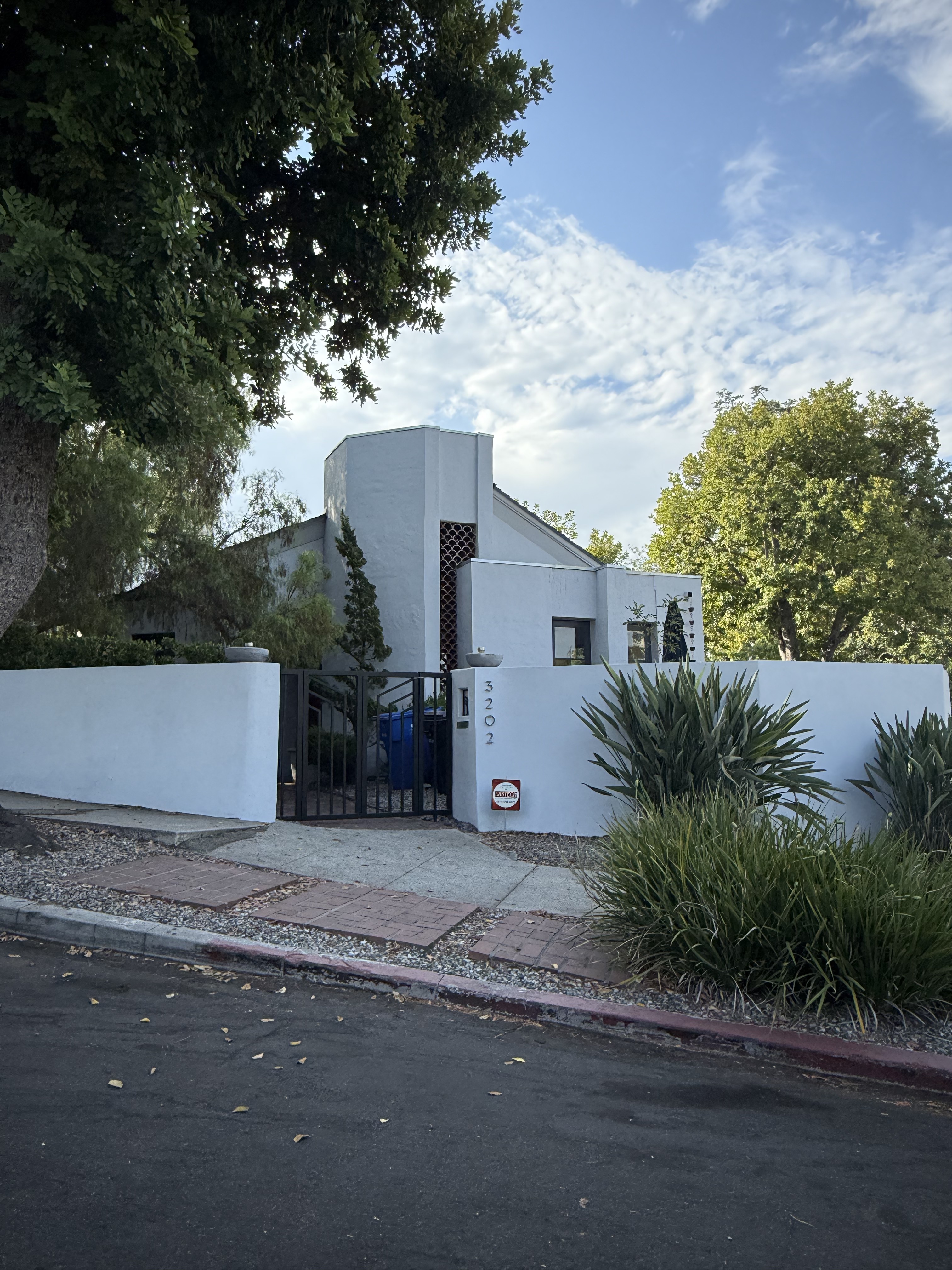 Carr House
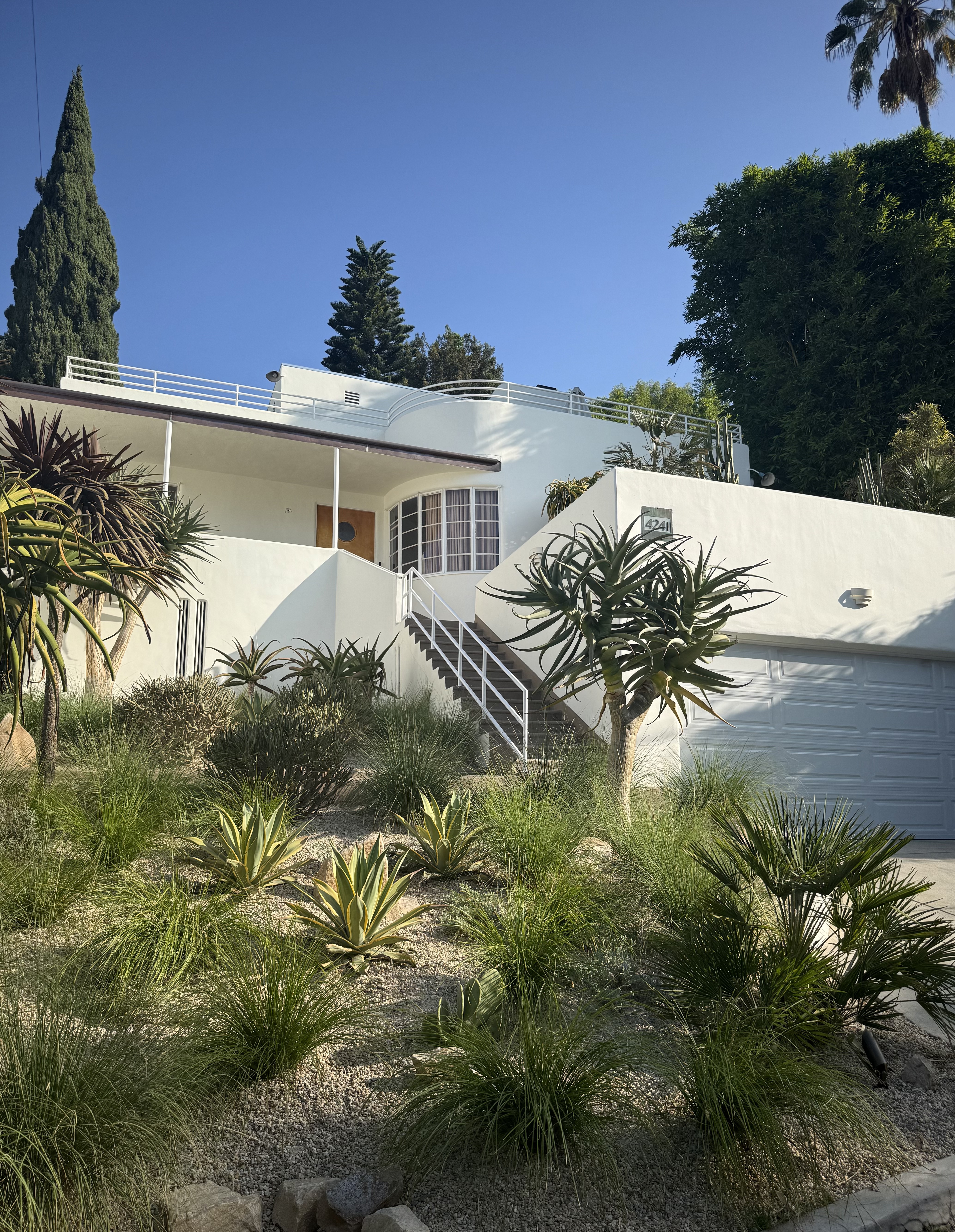 Carter House
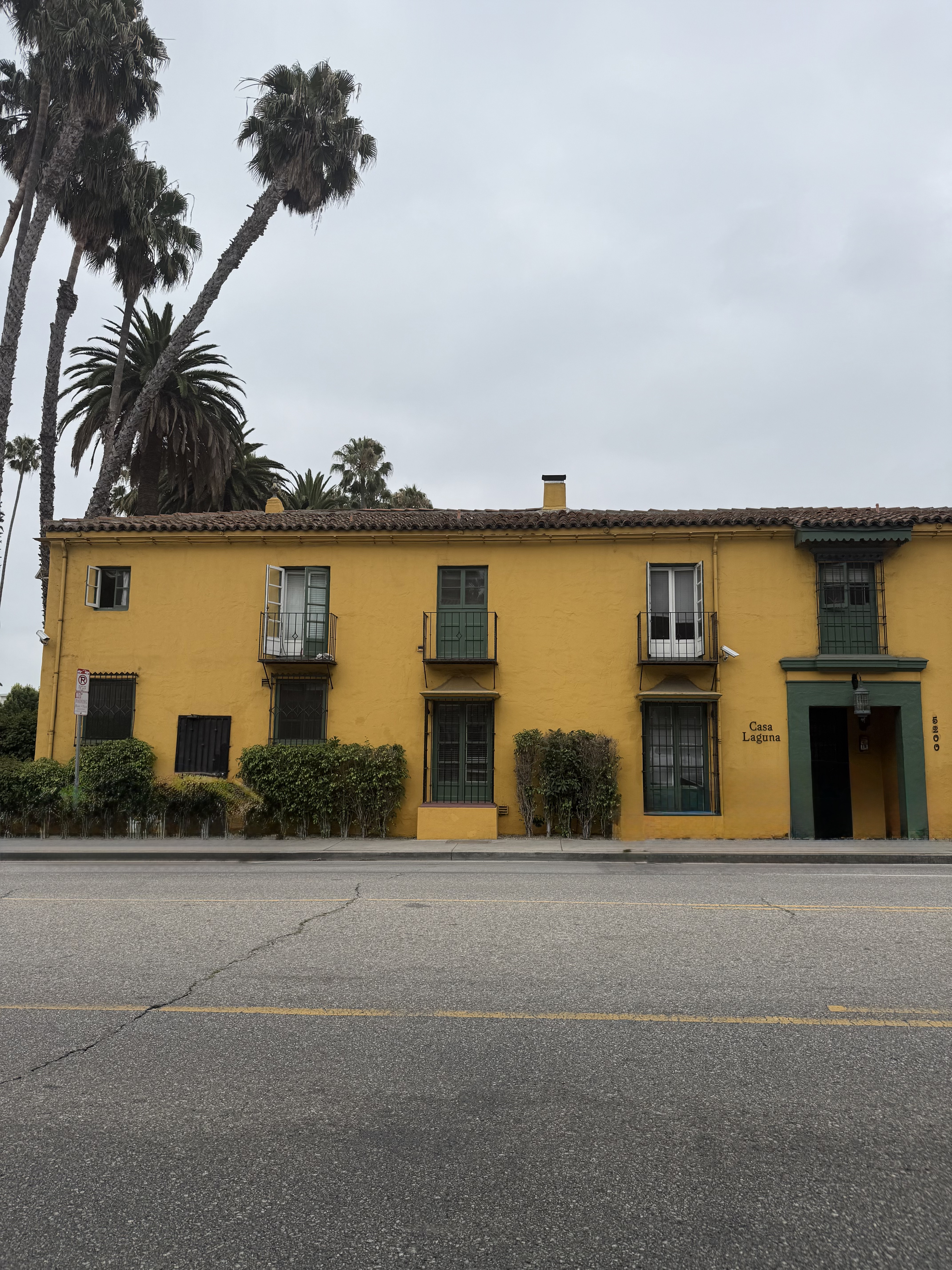 Casa Laguna
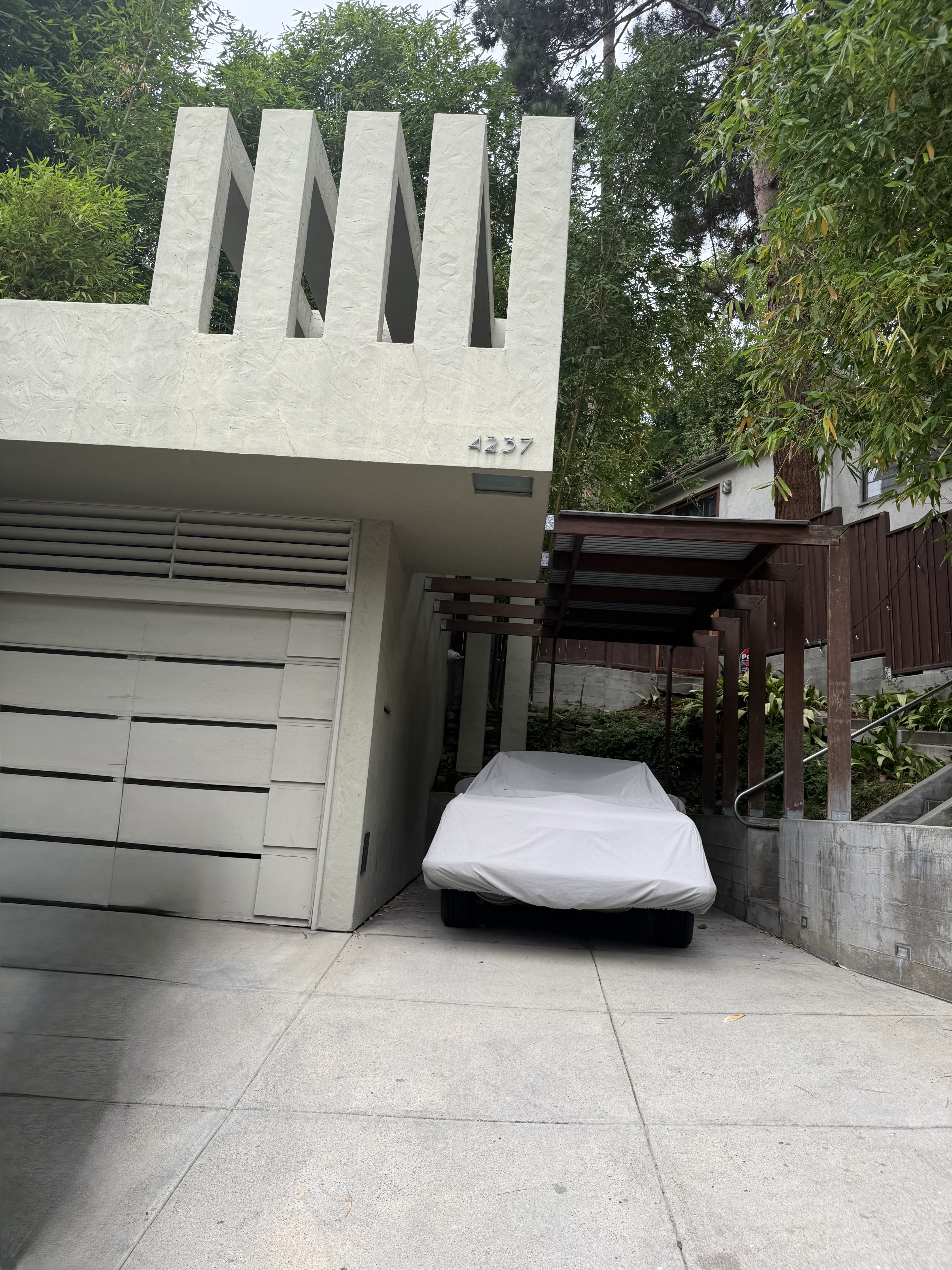 Elliot House
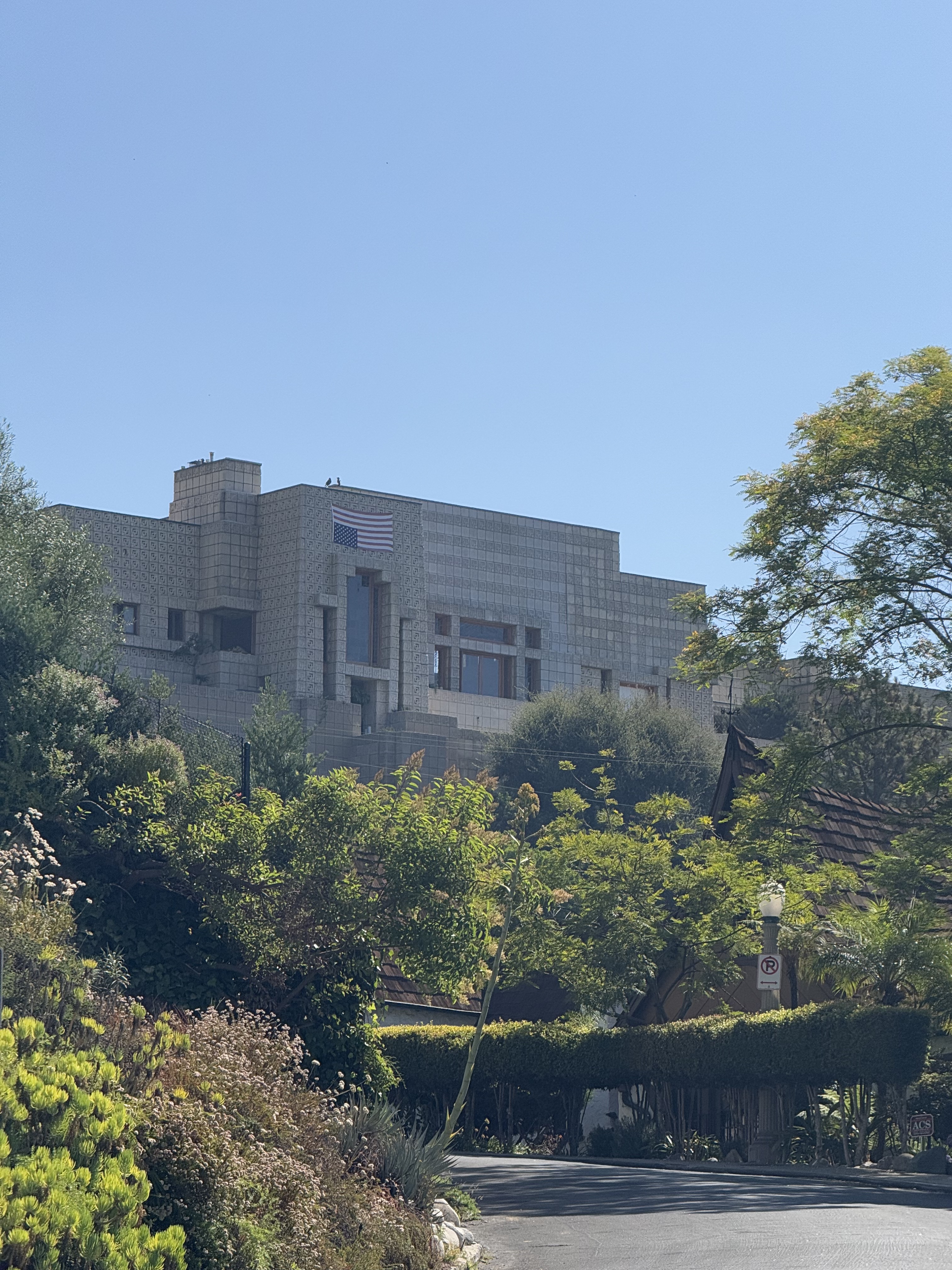 Ennis House
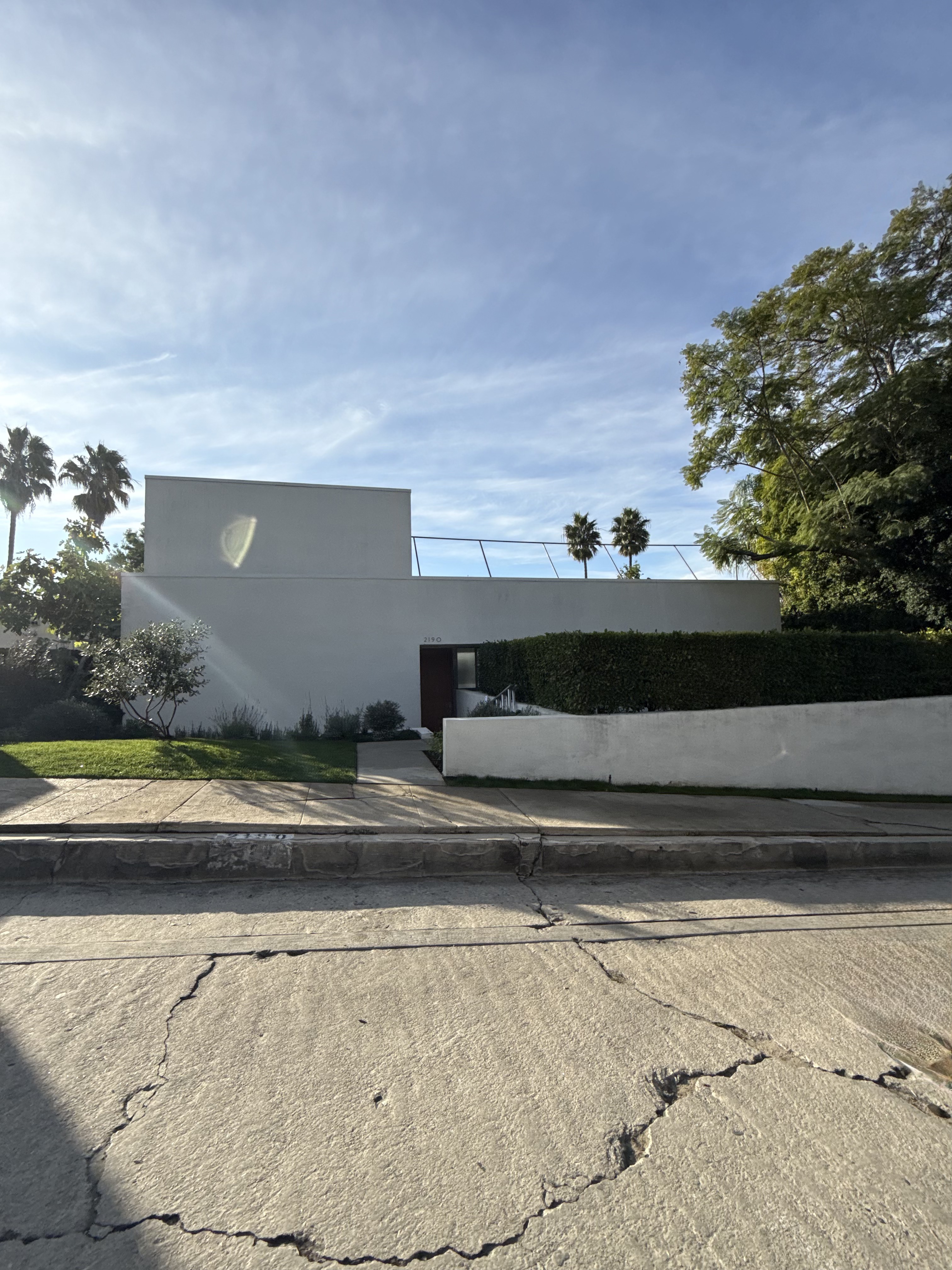 Gogol House
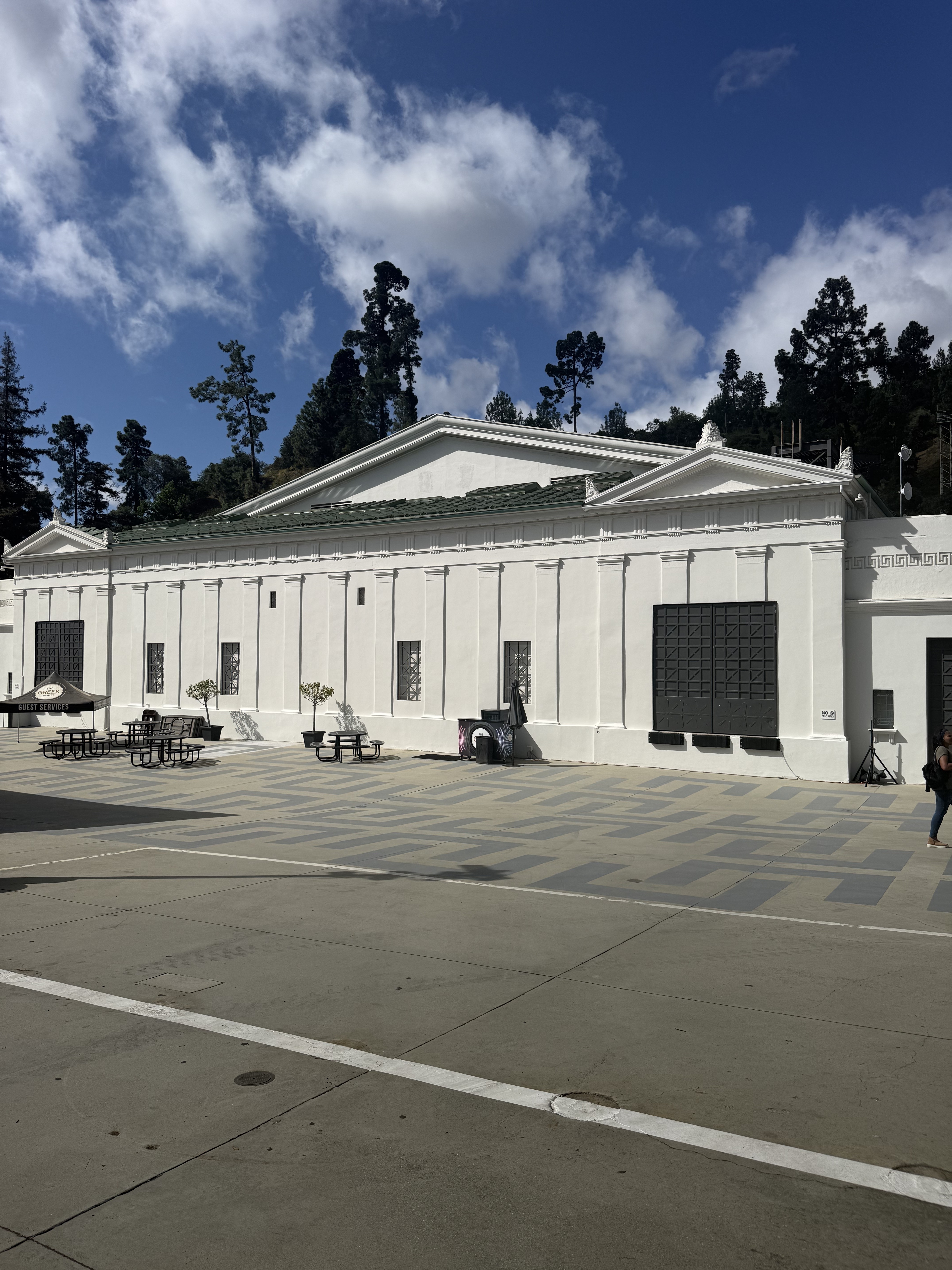 Greek Theatre
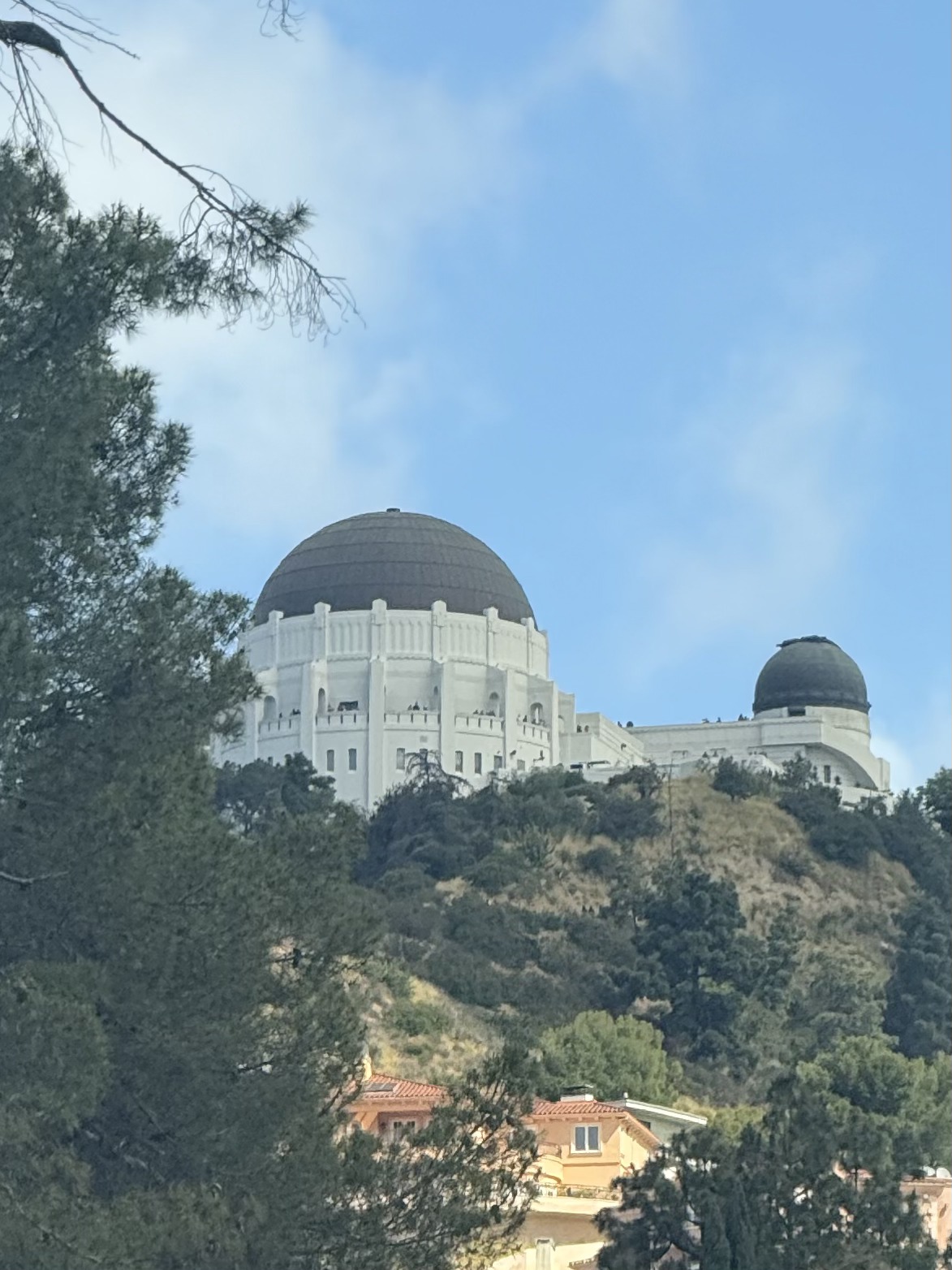 Griffith Observatory
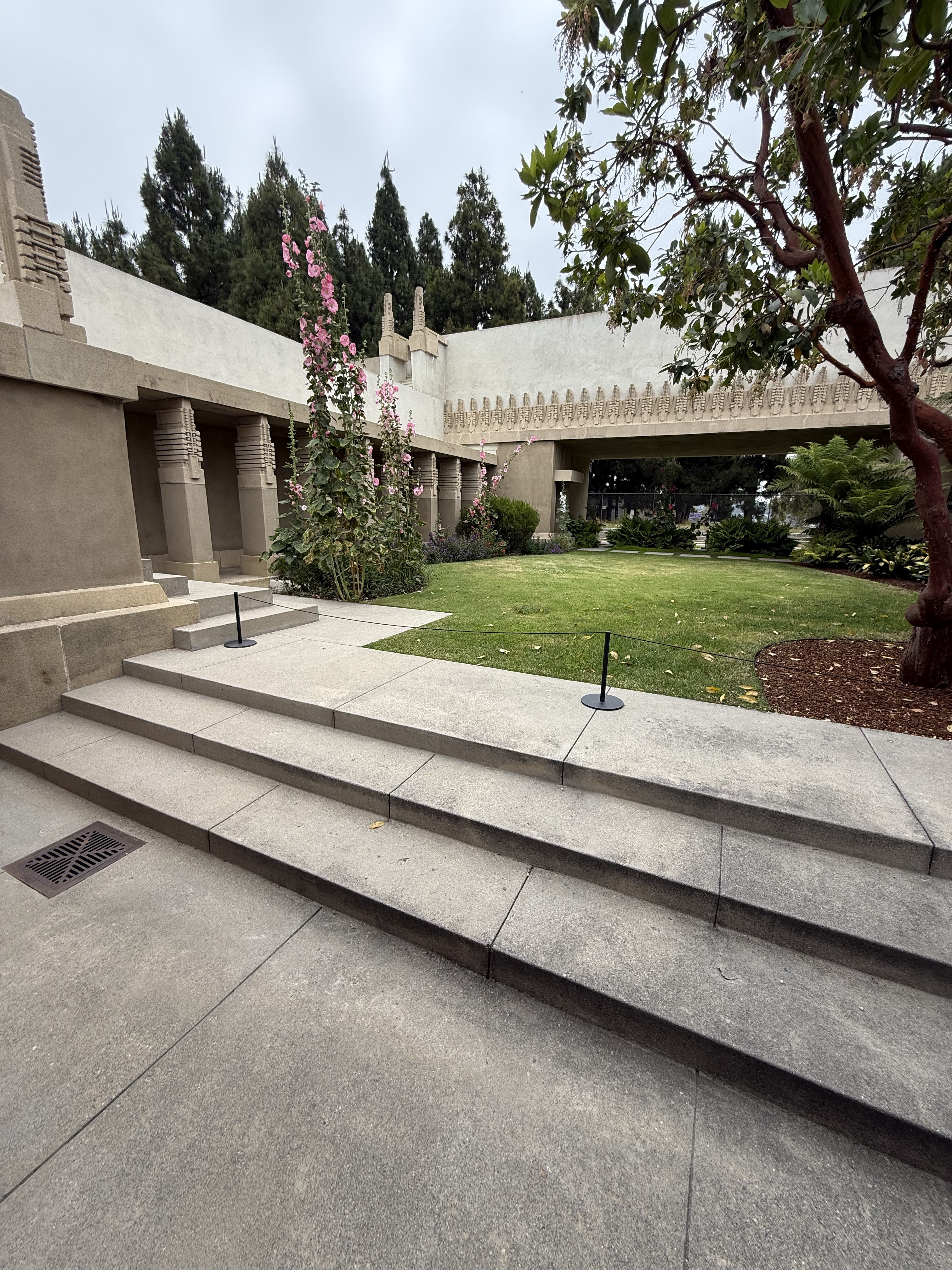 Hollyhock HouseHollywood Western Building
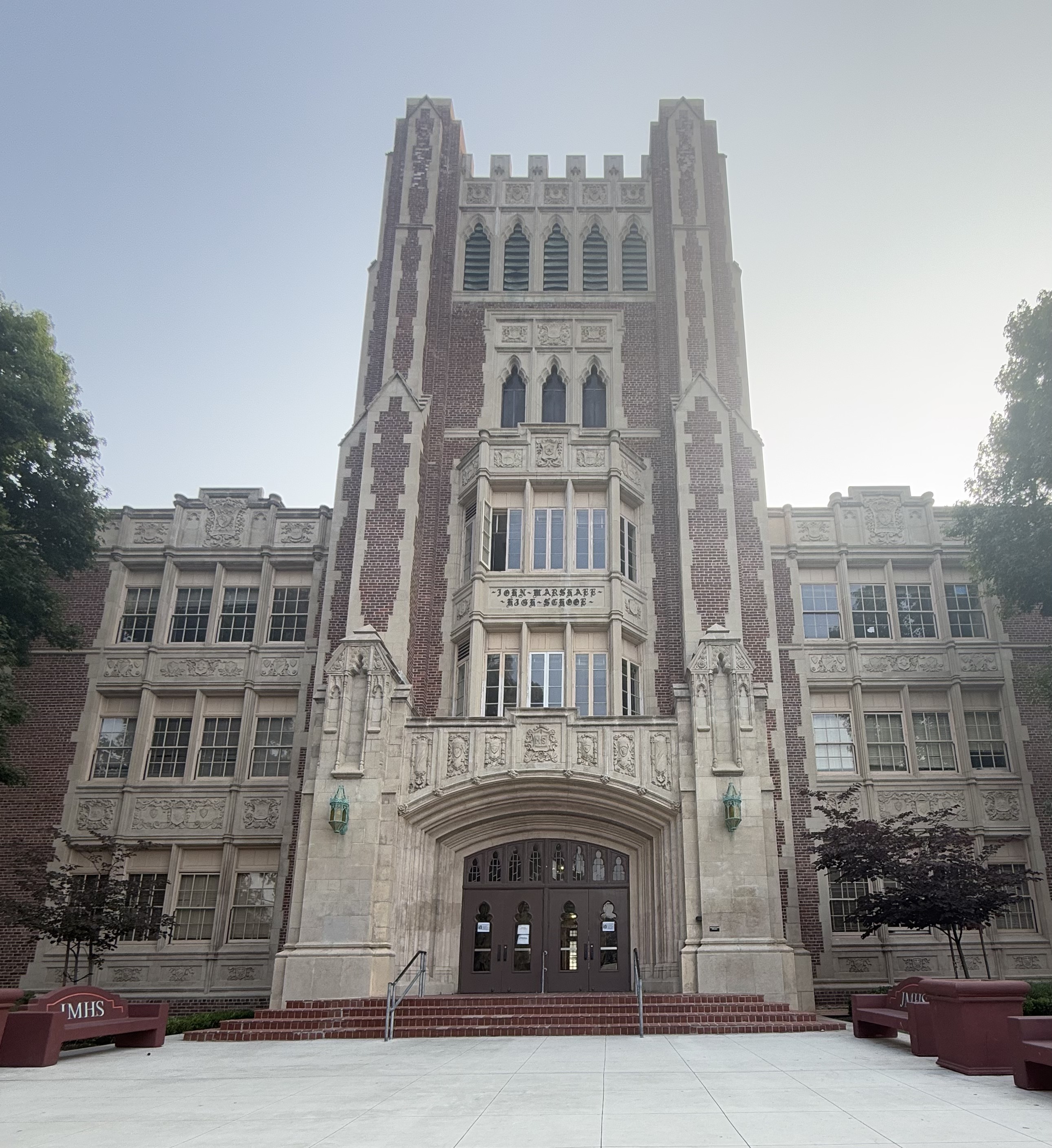 John Marshall High SchoolJohnstone Residence
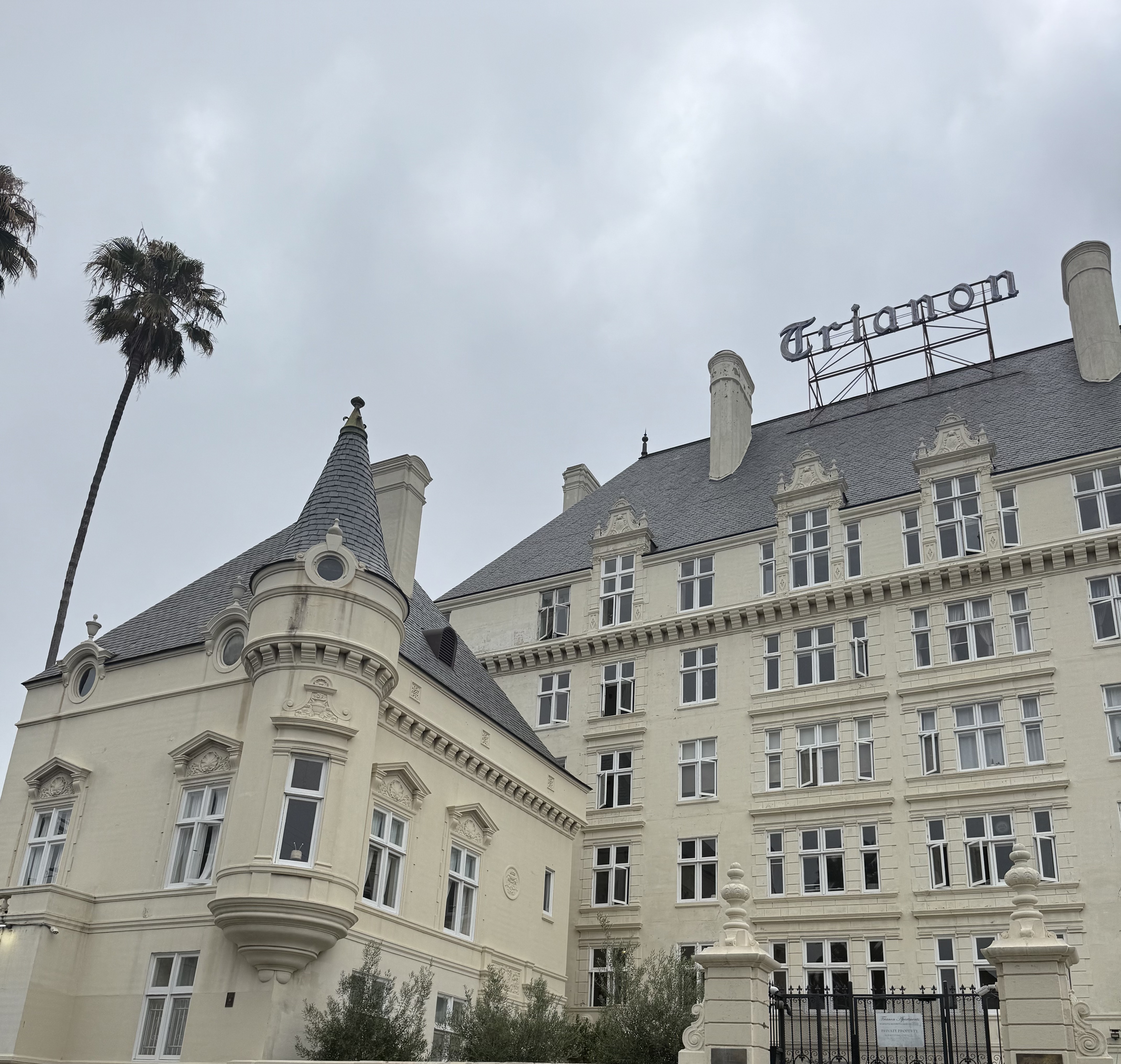 Le Trianon ApartmentsLieberman House
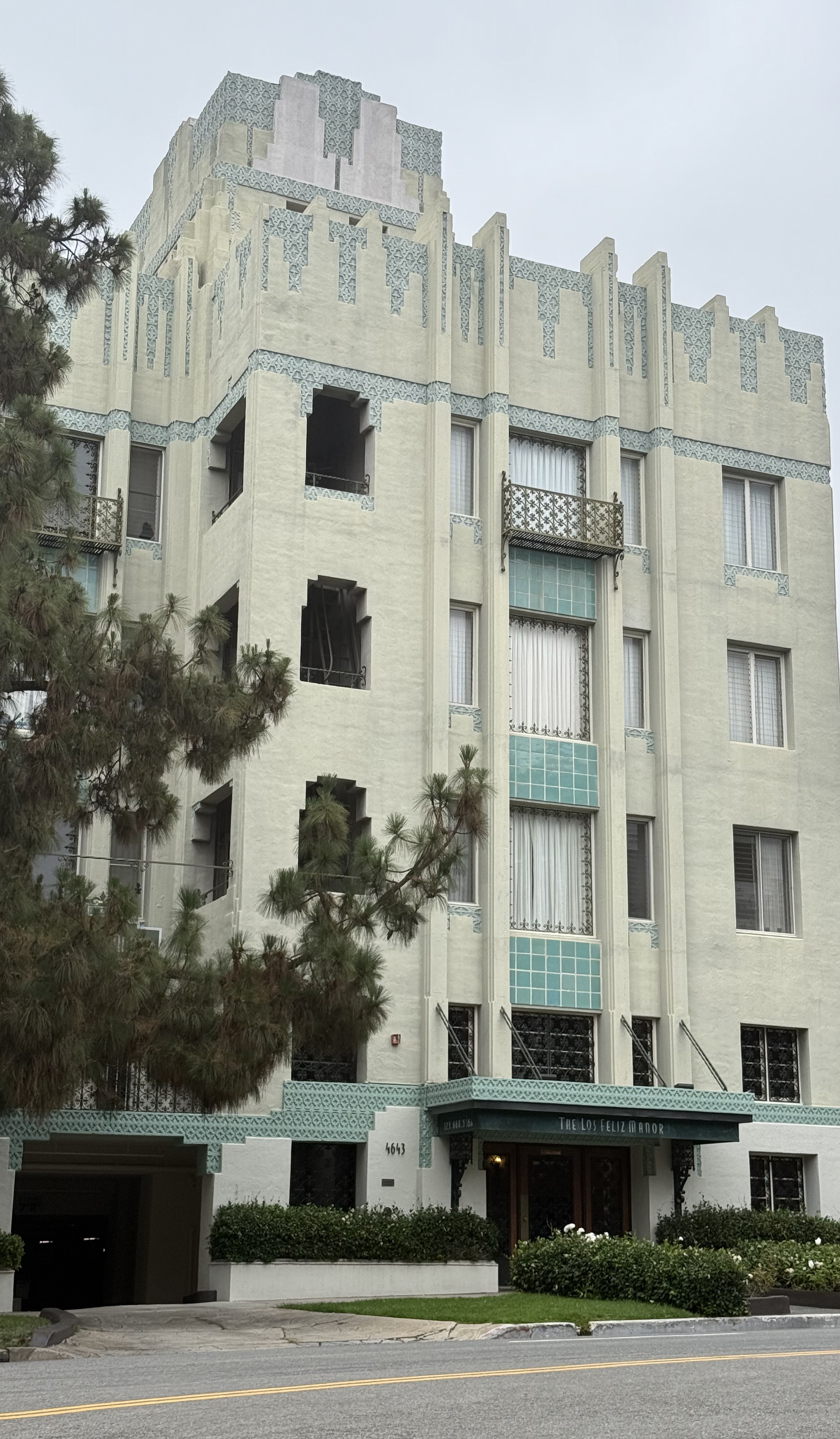 Los Feliz Manor
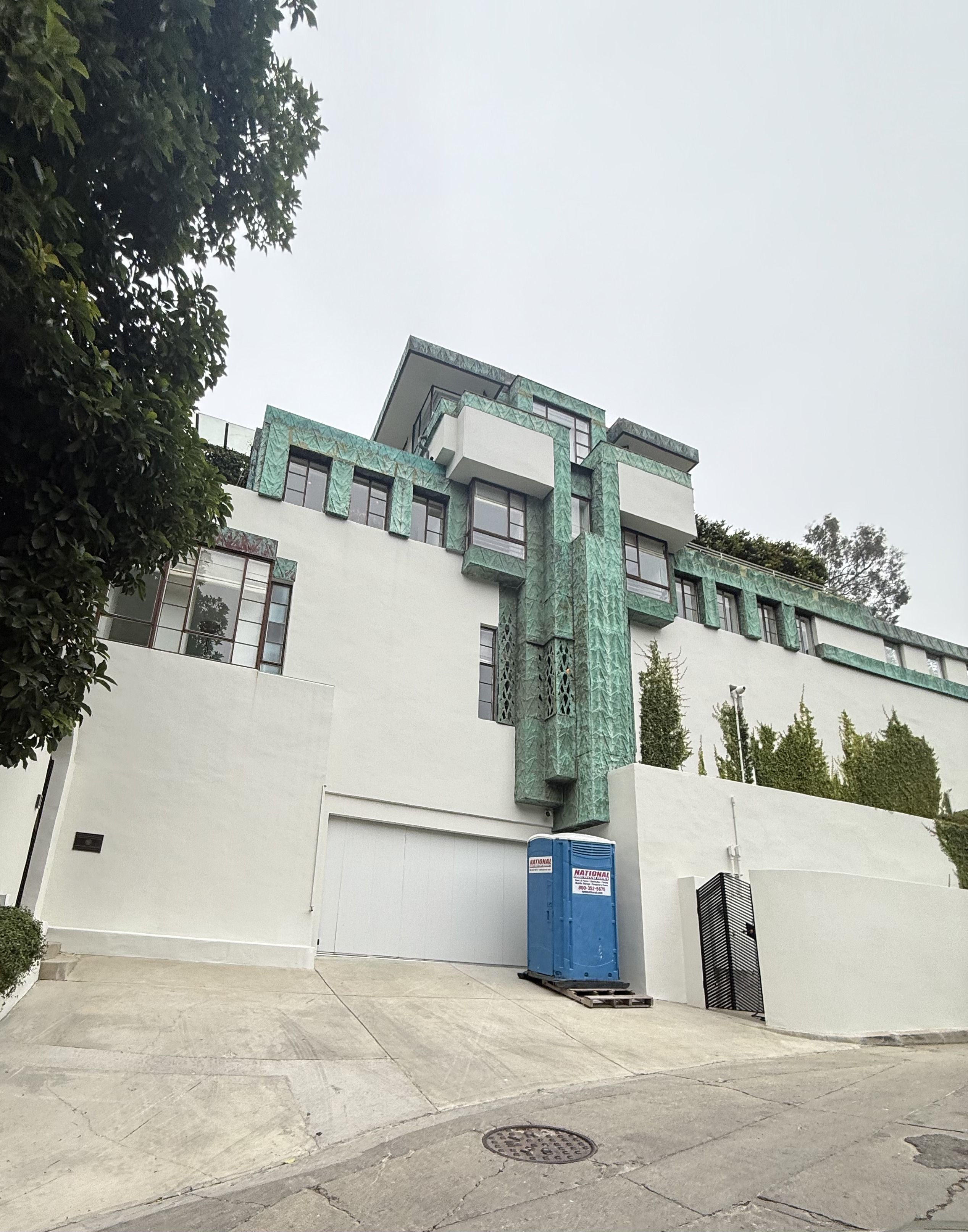 Samuel-Novarro HouseSchlessinger House
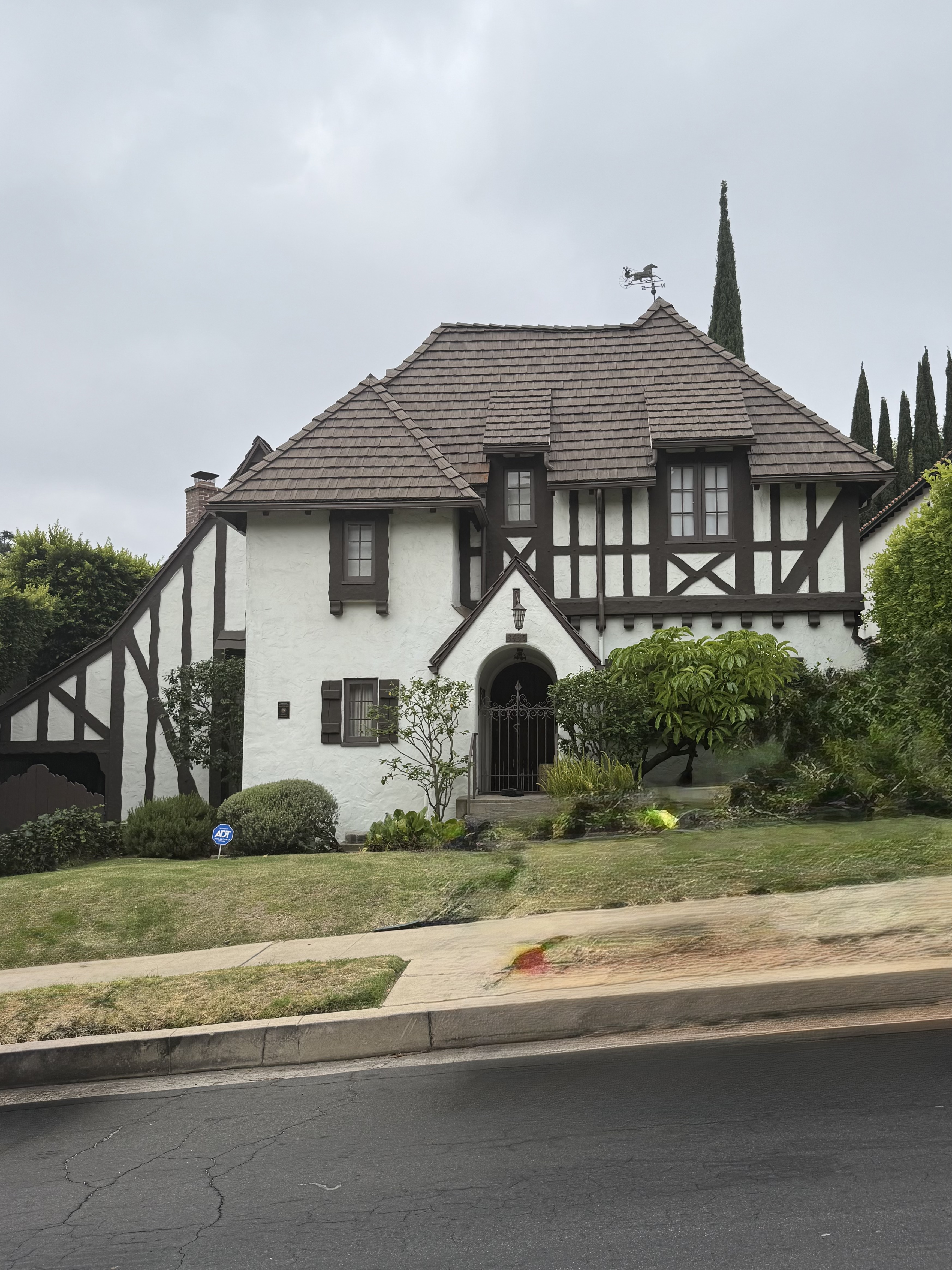 Sherwood House
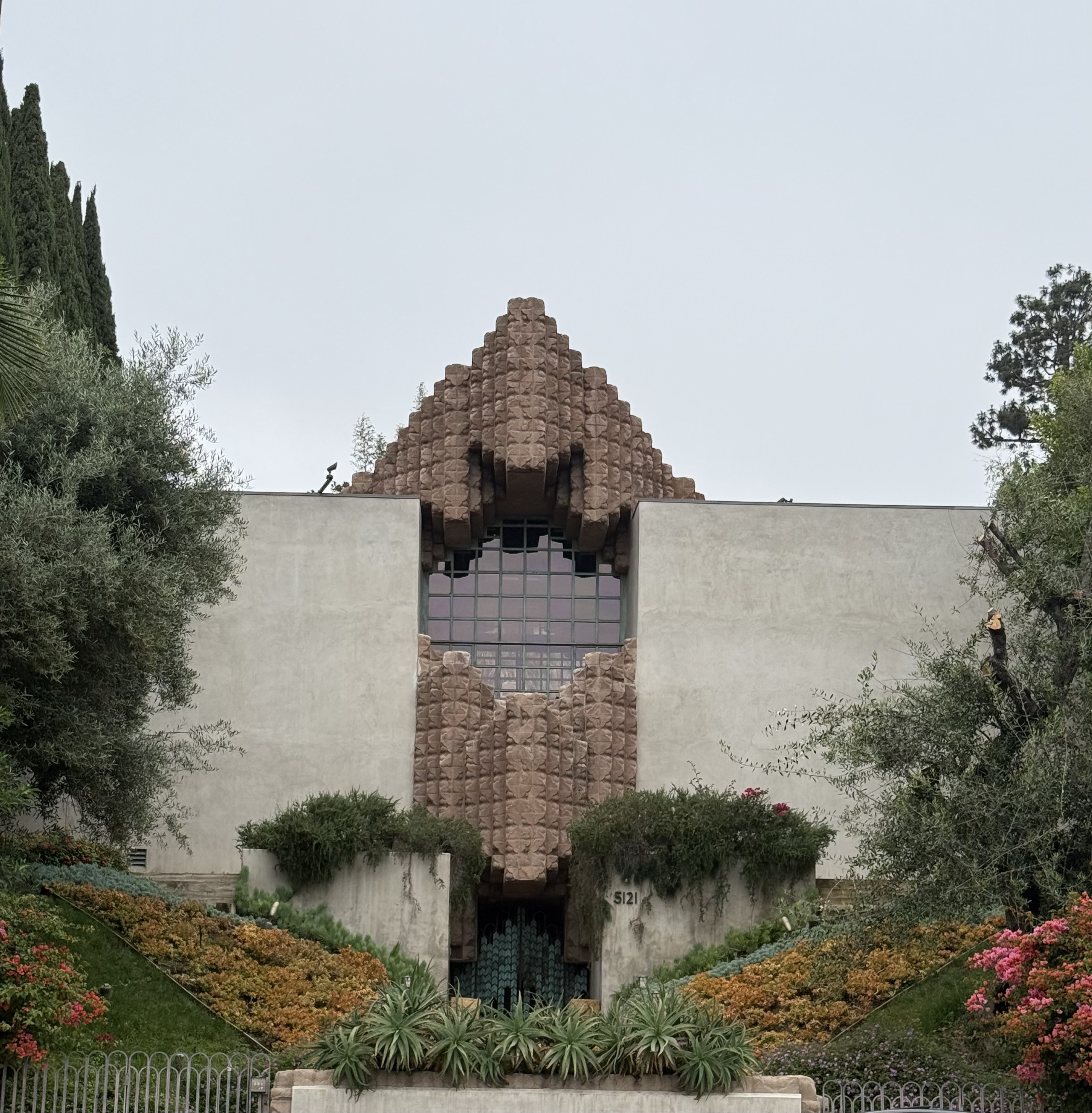 Sowden House
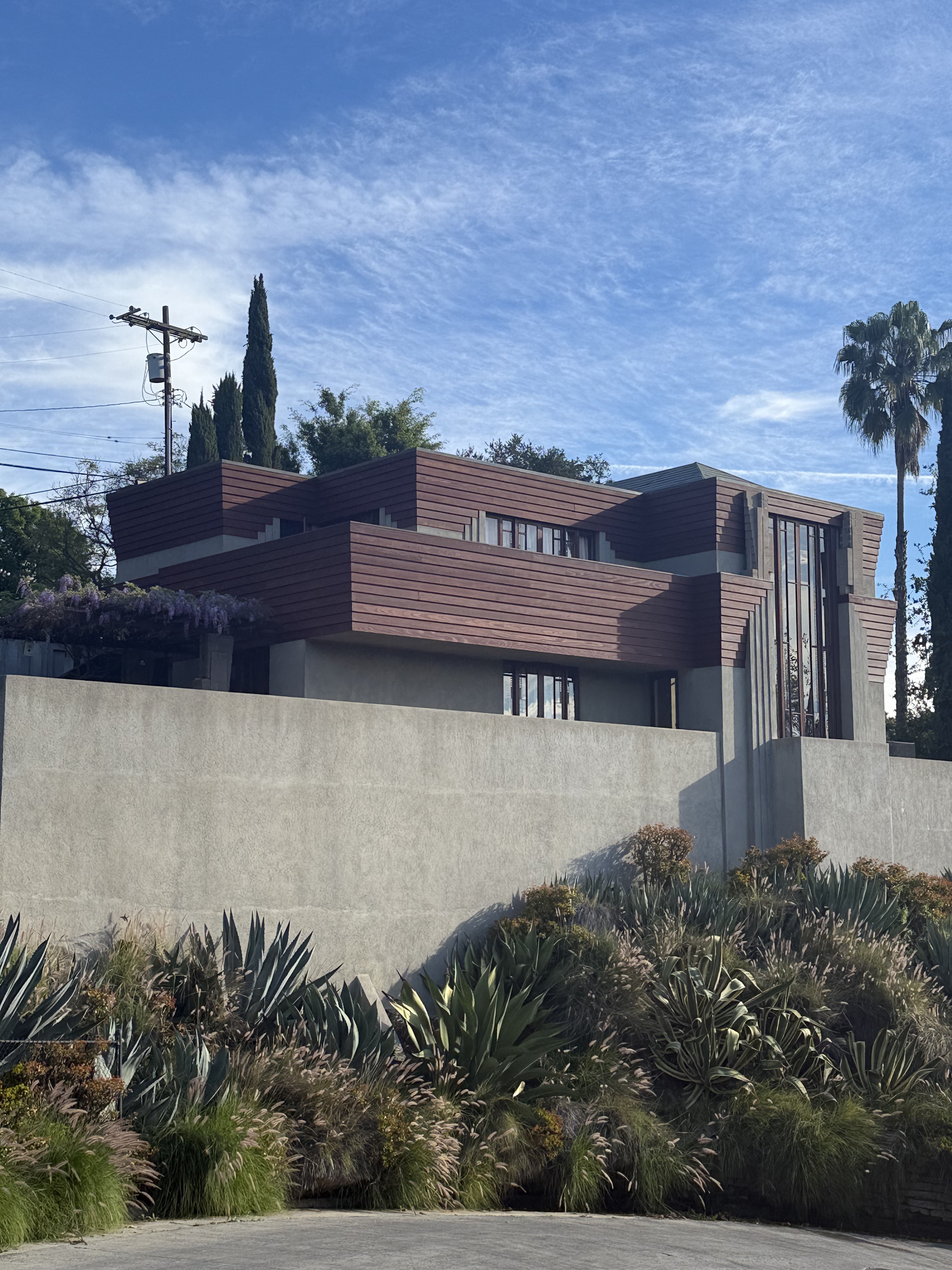 Taggart House
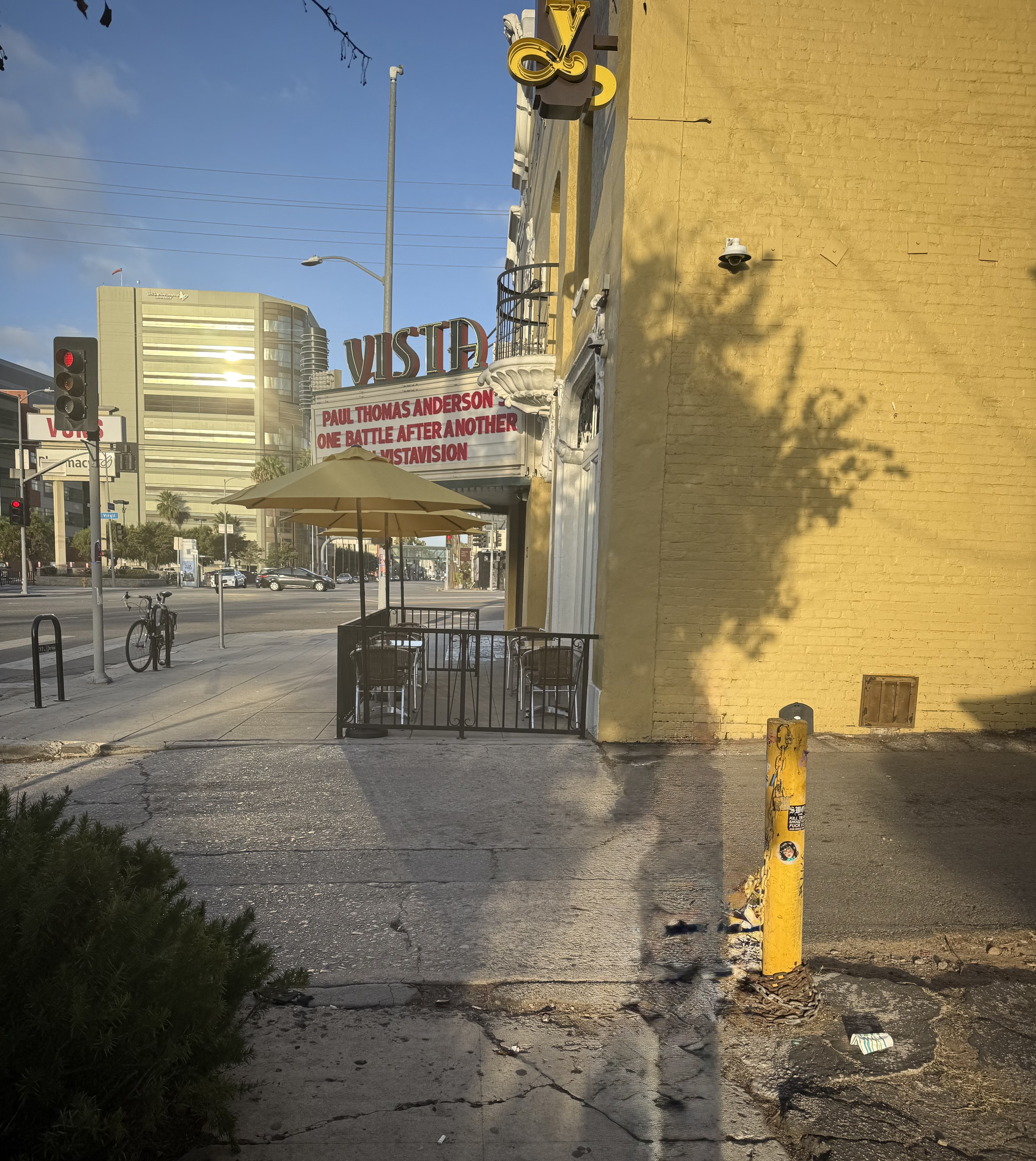 Vista Theatre