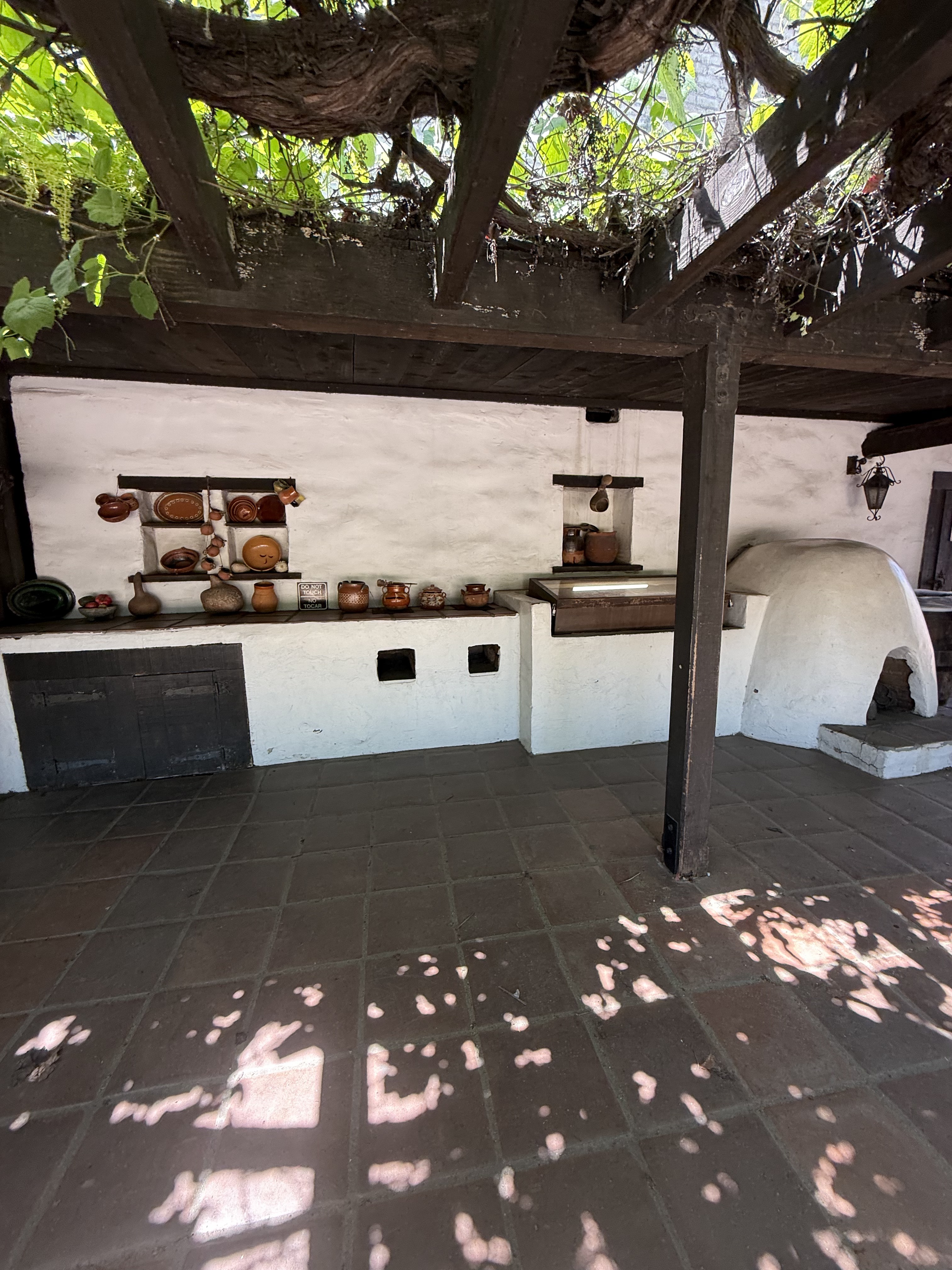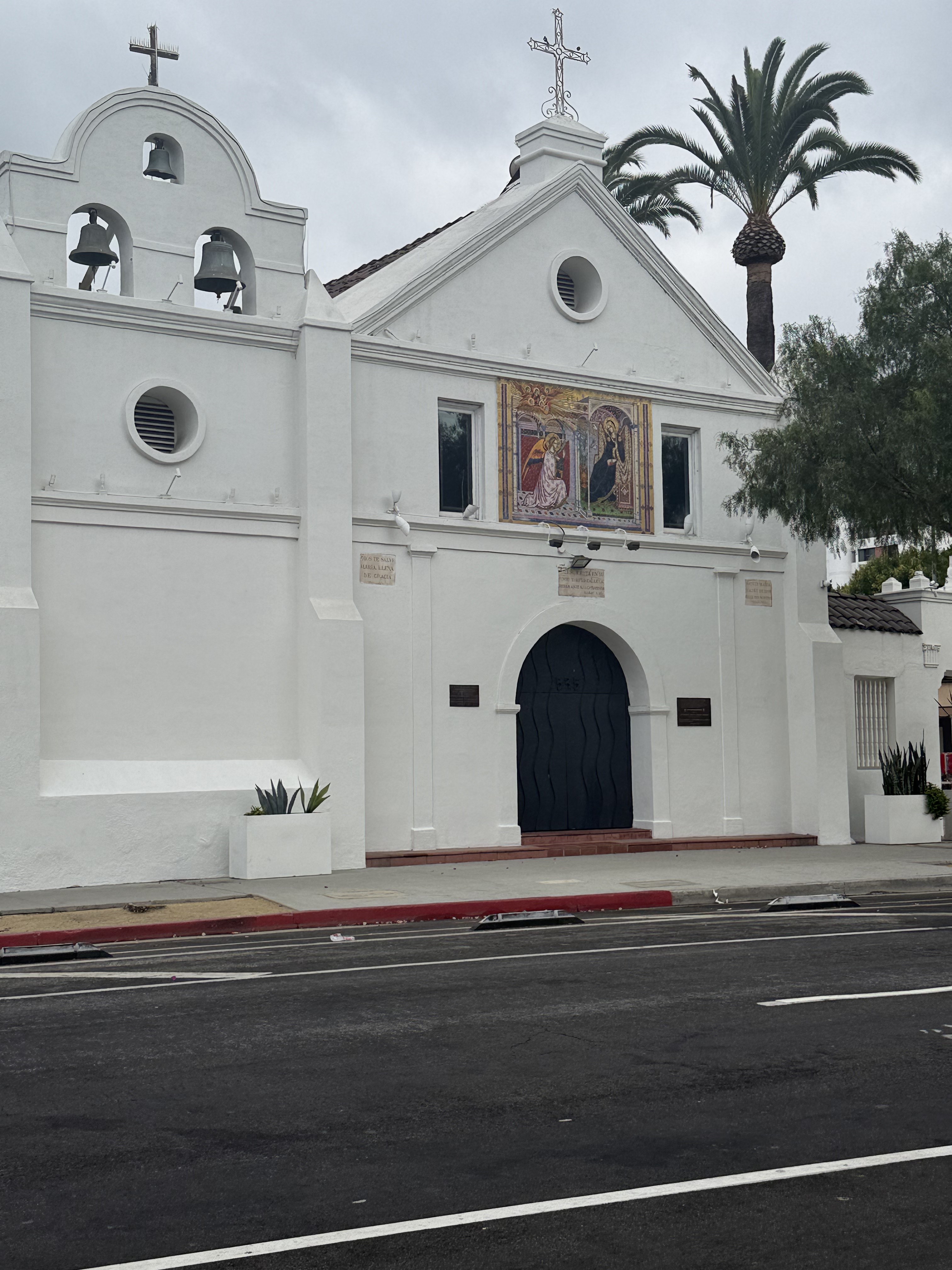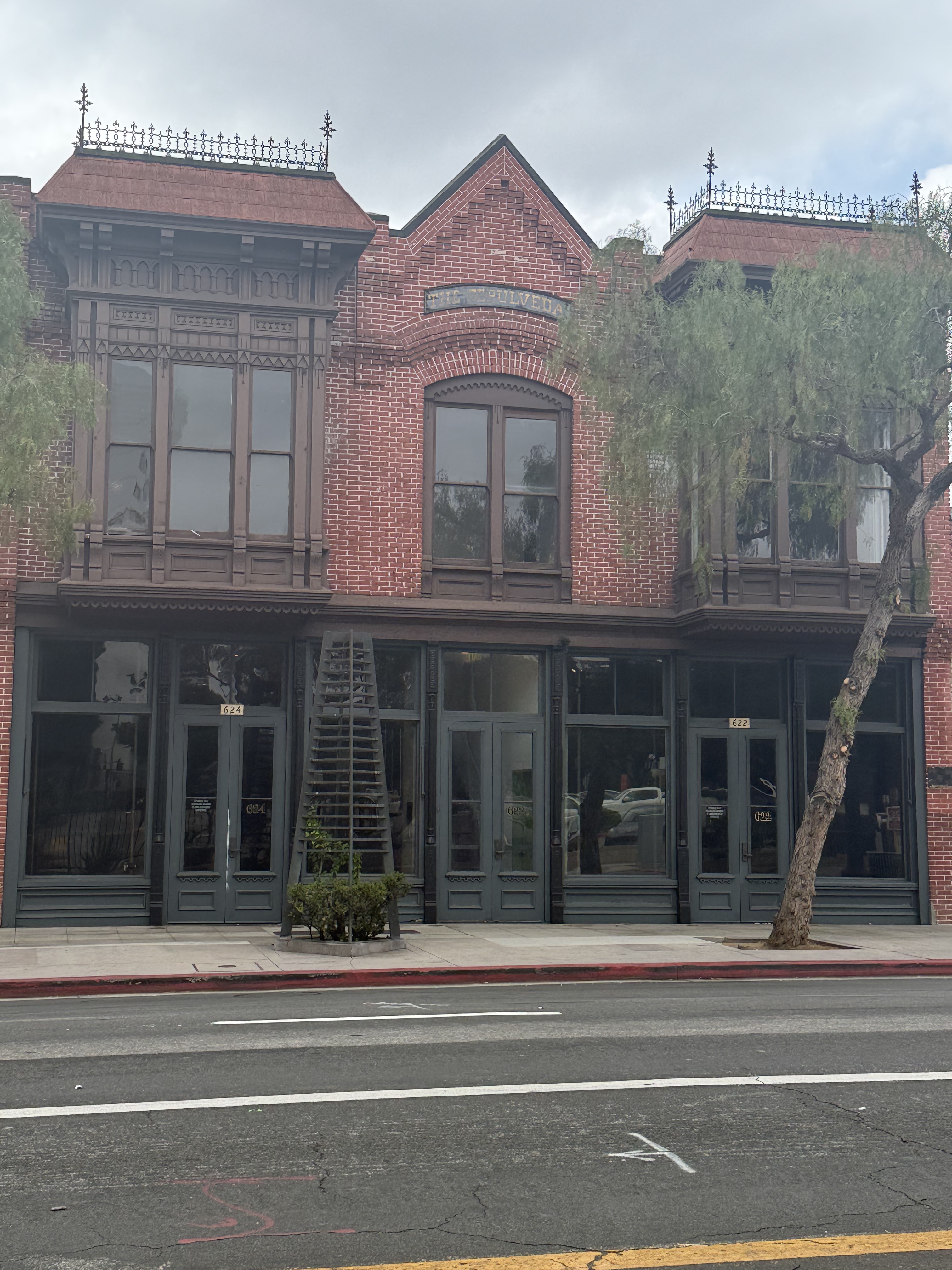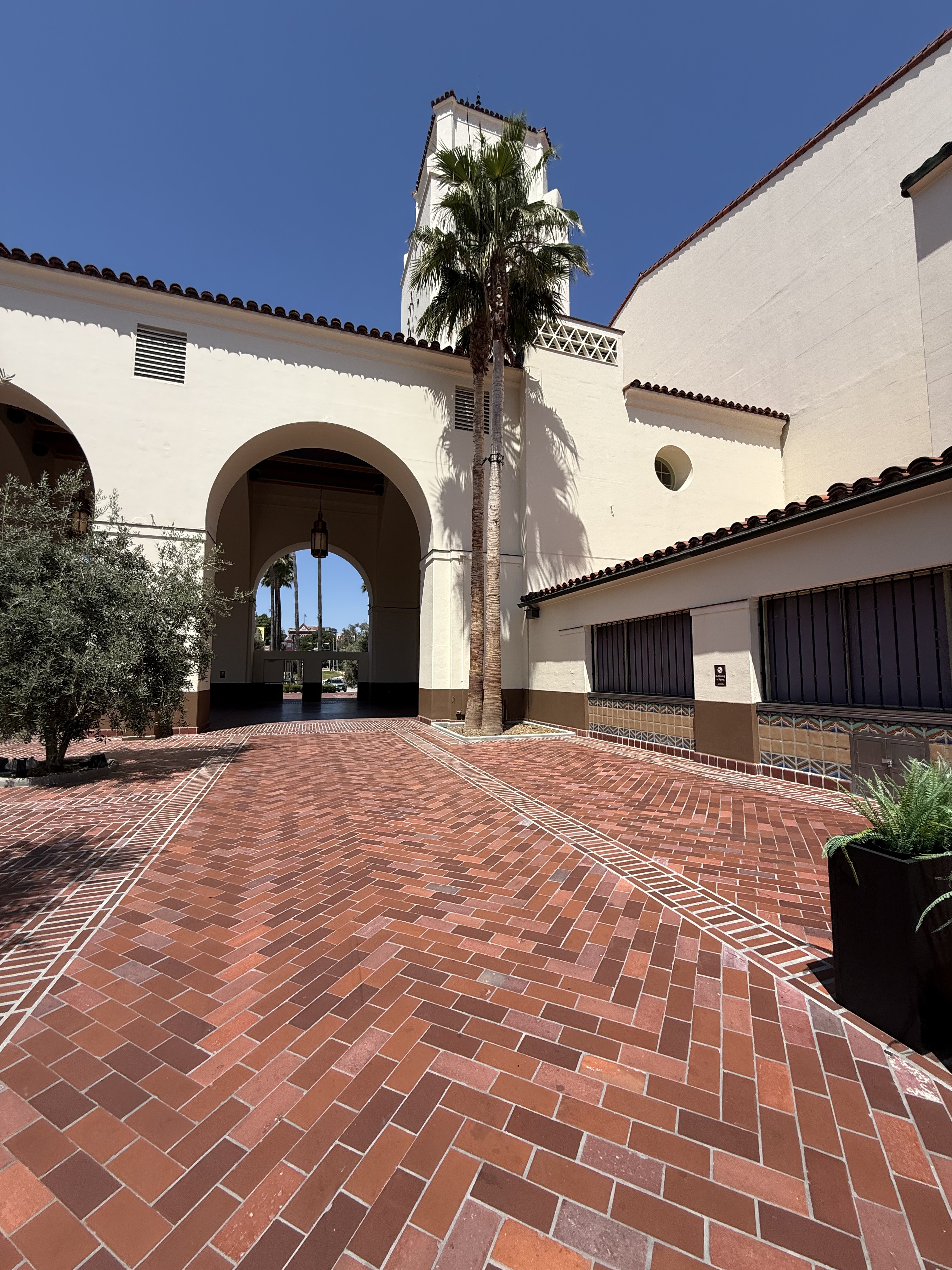
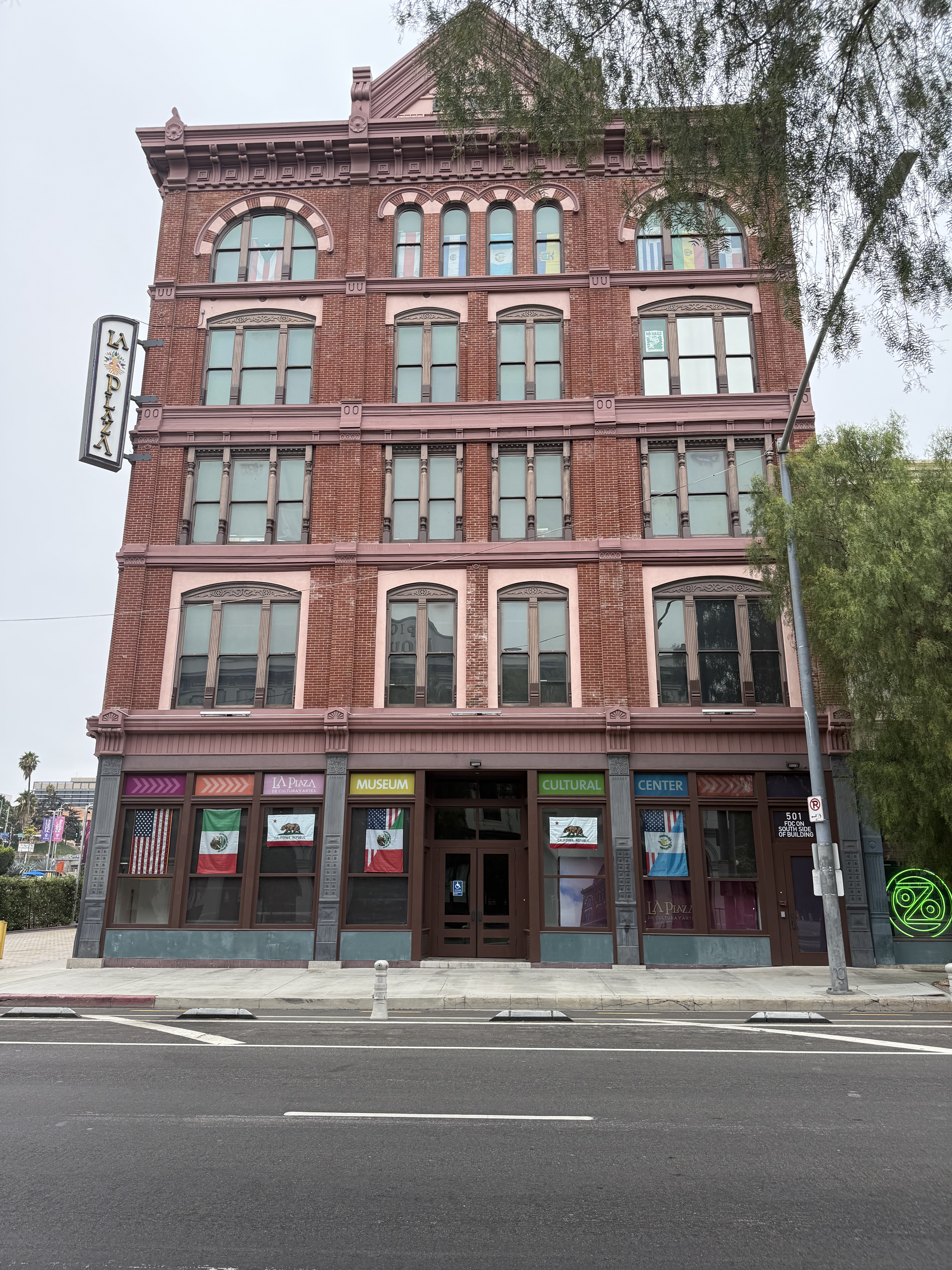
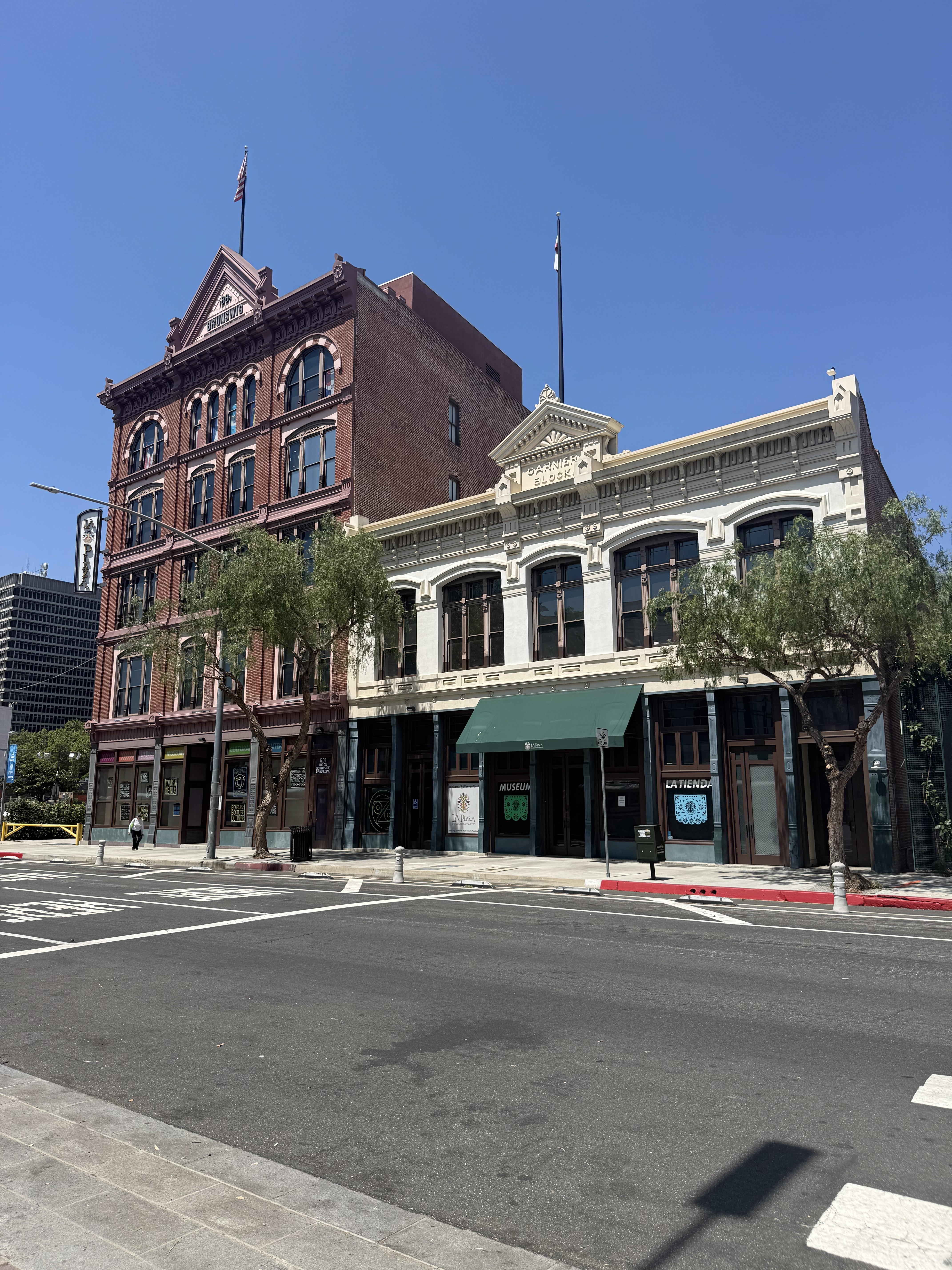
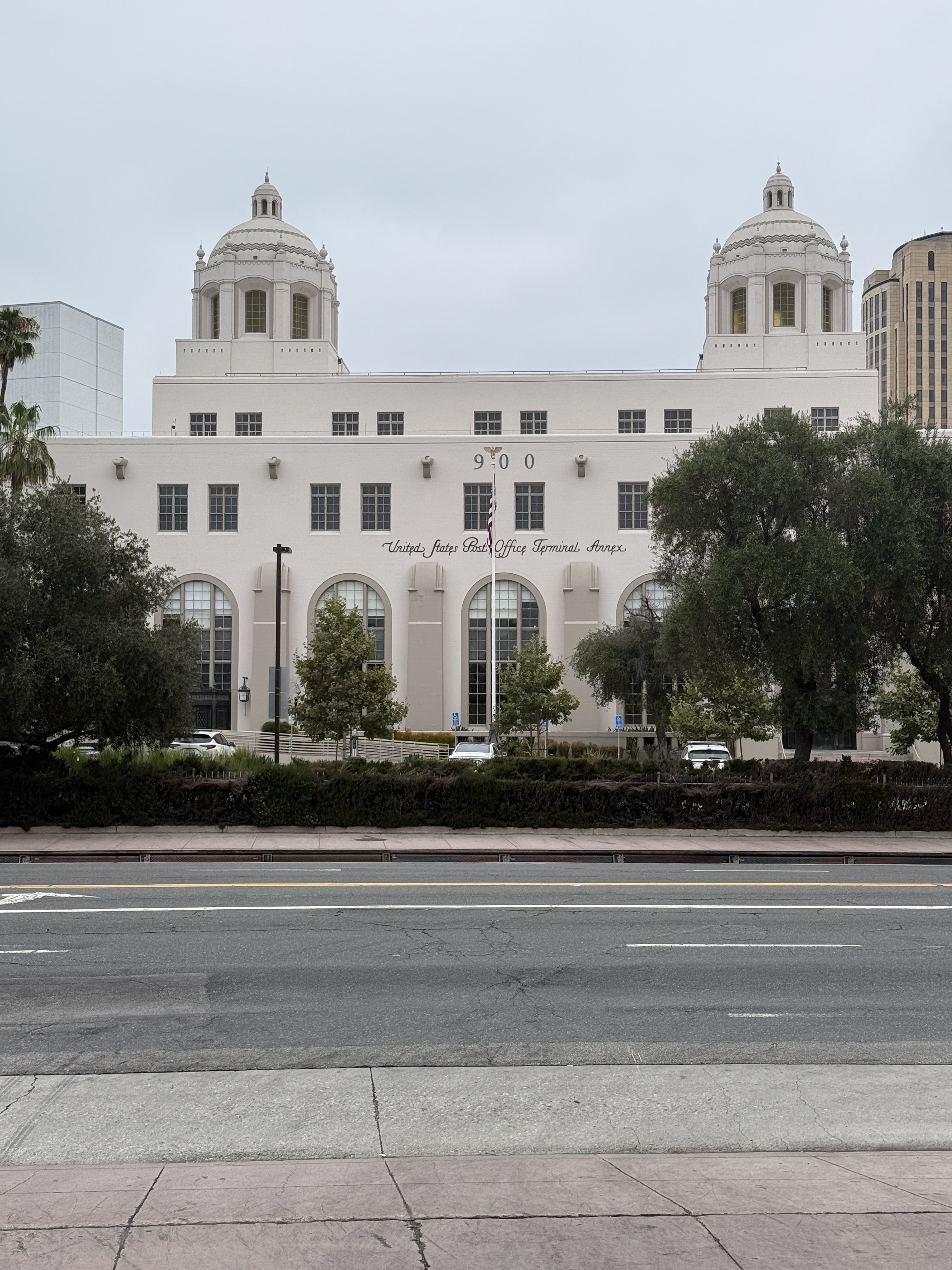
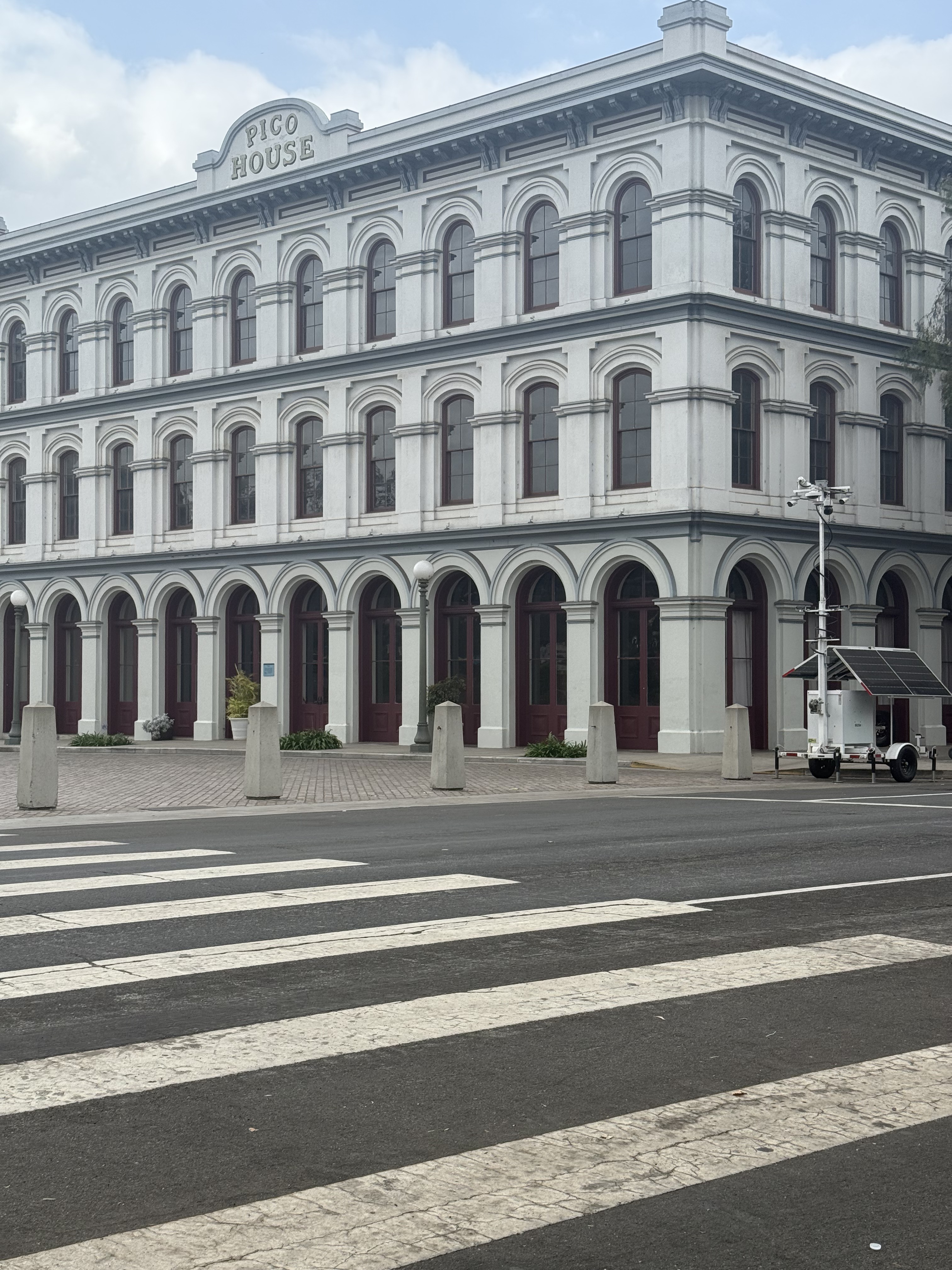
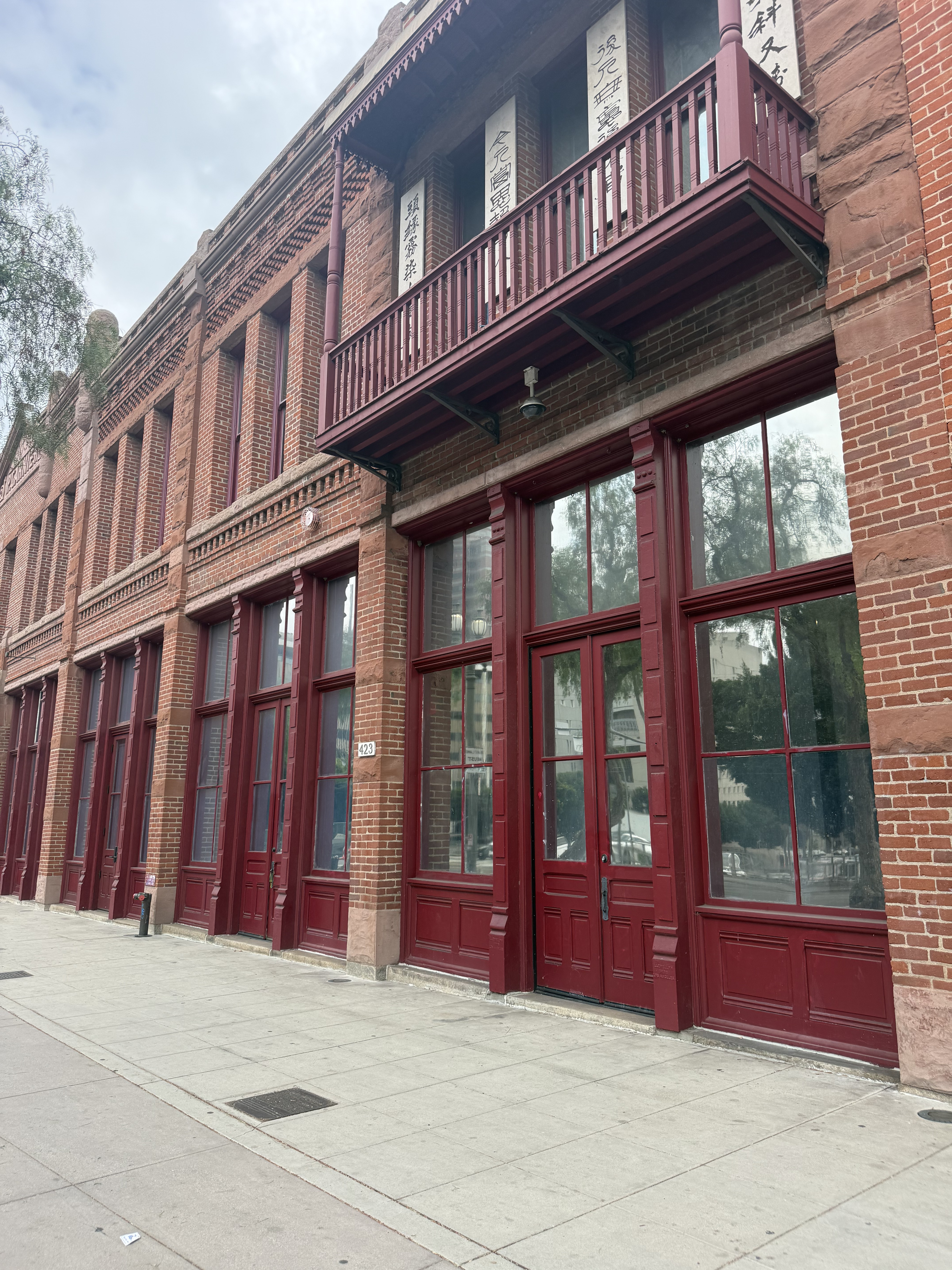
Downtown LA began as the Tongva village of Yaanga before Spanish colonists founded Los Angeles here in 1781, building around a central plaza in typical Spanish colonial fashion. The area boomed during the 1880s land speculation era, exploding from 11,000 residents in 1880 to nearly 100,000 by 1896. By 1920, downtown was dubbed the "Wall Street of the West," featuring grand hotels like the Alexandria and Biltmore, department stores along Broadway, and the world's most extensive rail system. Post-WWII suburbanization and freeway development led to decades of decline and disinvestment. However, beginning in the early 2000s, downtown experienced an extraordinary revival driven by adaptive reuse ordinances converting historic buildings into residential lofts, major cultural investments like Walt Disney Concert Hall and Crypto.com Arena, and renewed transit infrastructure, creating today's thriving urban neighborhood.
Downtown Los Angeles is a layered archive of the city’s architectural ambitions. Early 20th-century Beaux-Arts and Art Deco landmarks—like the Eastern Columbia Building and the Los Angeles City Hall—reflect a period when LA was asserting itself as a major American metropolis. Mid-century modernism arrived through civic and corporate projects, including William Pereira’s futurist interventions and Welton Becket’s corporate modernism. More recent additions, such as Frank Gehry’s Walt Disney Concert Hall, push the city’s architectural identity into the contemporary era. The result is a dense urban fabric where historic skyscrapers, adaptive-reuse lofts, and bold new cultural institutions coexist block by block.
BORDERS
North: Echo Park and Chinatown, bounded by Cesar Chavez Avenue
South: Vernon city line and Historic South Central
East: Los Angeles River and Boyle Heights
West: 110 Freeway/Beaudry Avenue, Pico-Union and Westlake
DISTRICTS
**Arts District**: Industrial-turned-creative hub featuring galleries, lofts, and Warner Music Group's headquarters in a converted Ford plant.
**Historic Core**: The original downtown featuring Broadway's theater district, Spring Street Financial District, and iconic buildings like the Bradbury Building.
**Bunker Hill**: Modern financial district with contemporary skyscrapers and cultural institutions like Walt Disney Concert Hall.
**Little Tokyo**: Cultural enclave preserving Japanese-American heritage with authentic restaurants, temples, and cultural centers.
**Fashion District**: Wholesale garment center and increasingly popular retail destination.
**South Park**: Rapidly developing residential and entertainment area anchored by Crypto.com Arena and L.A. Live complex.