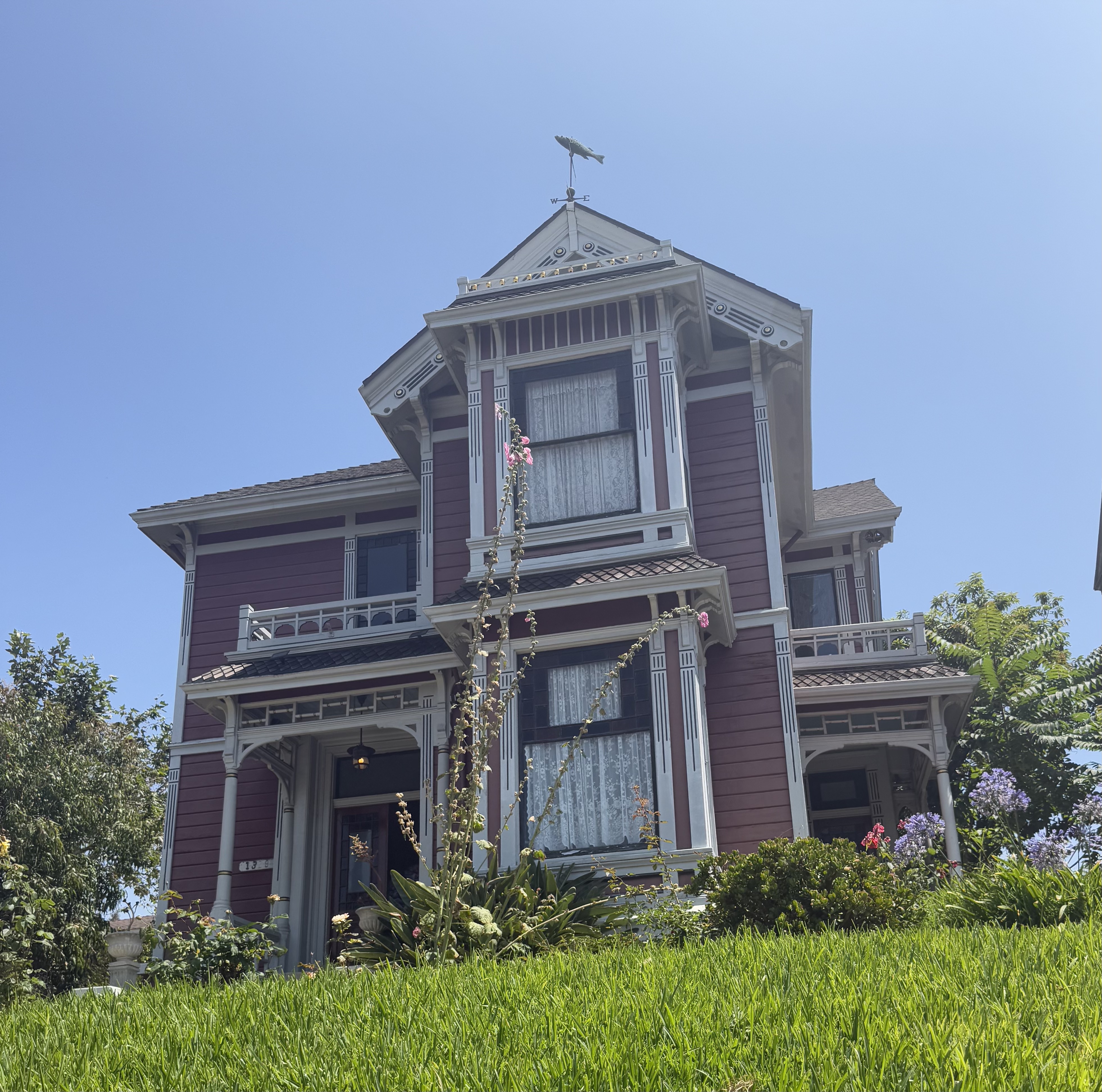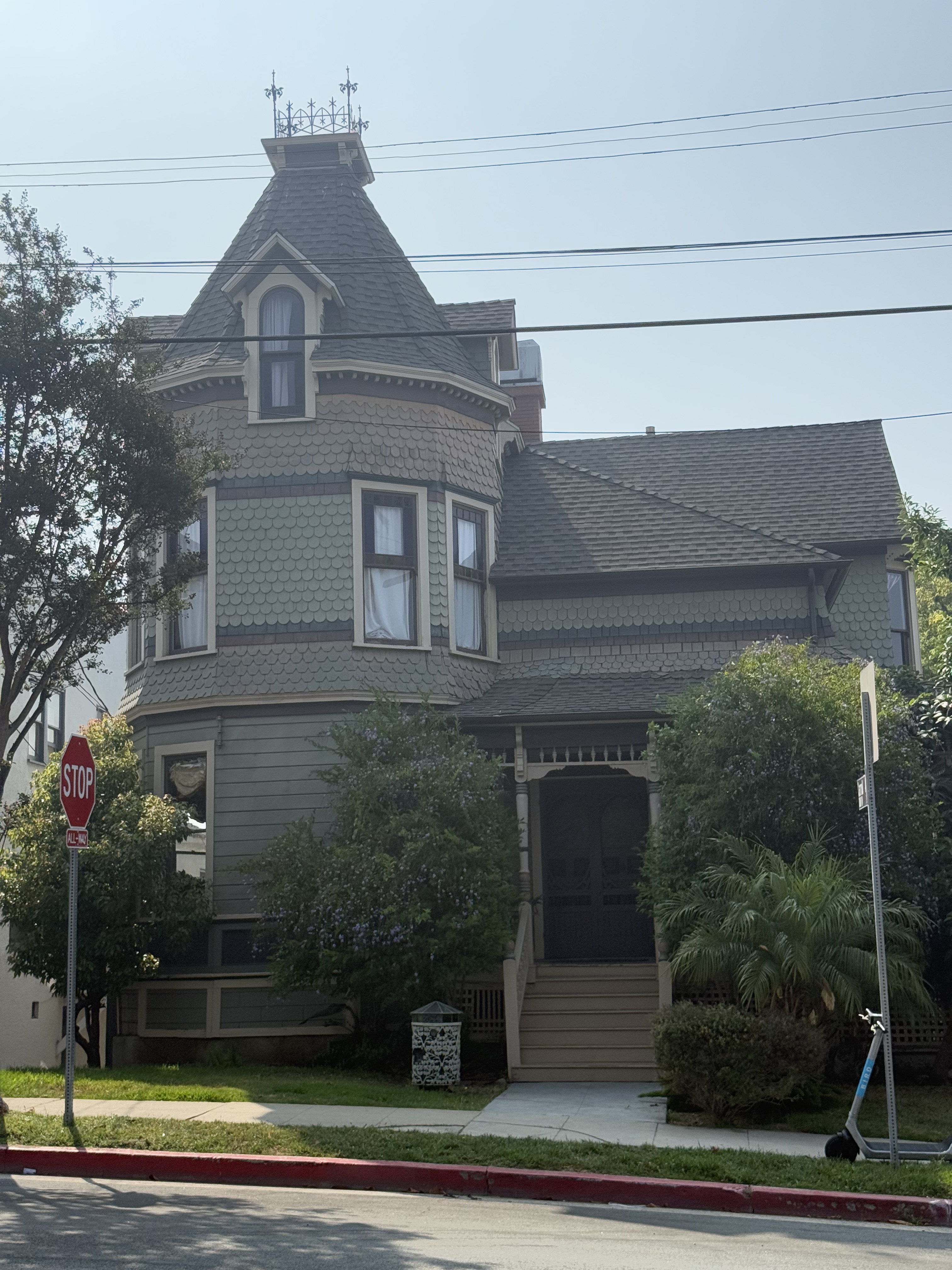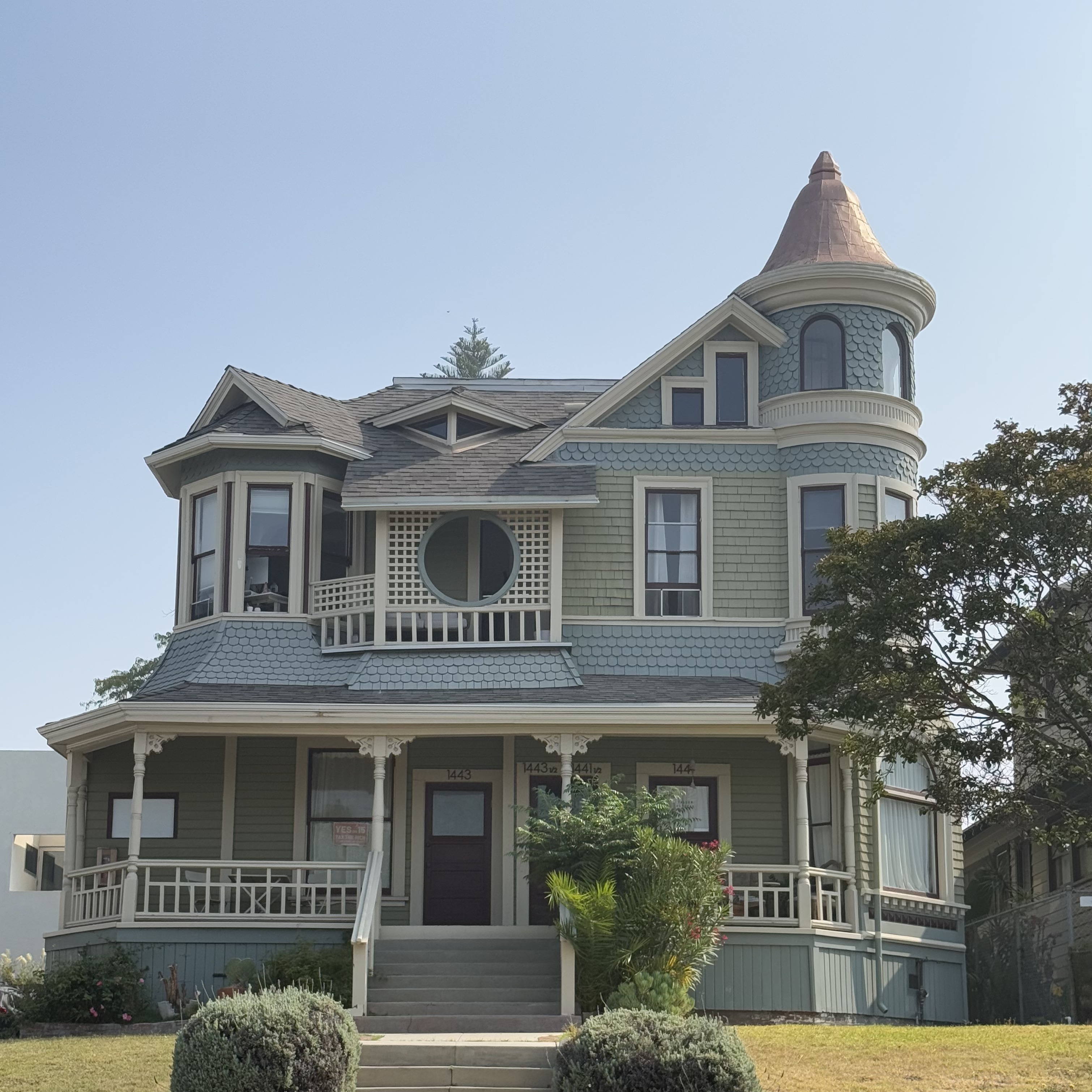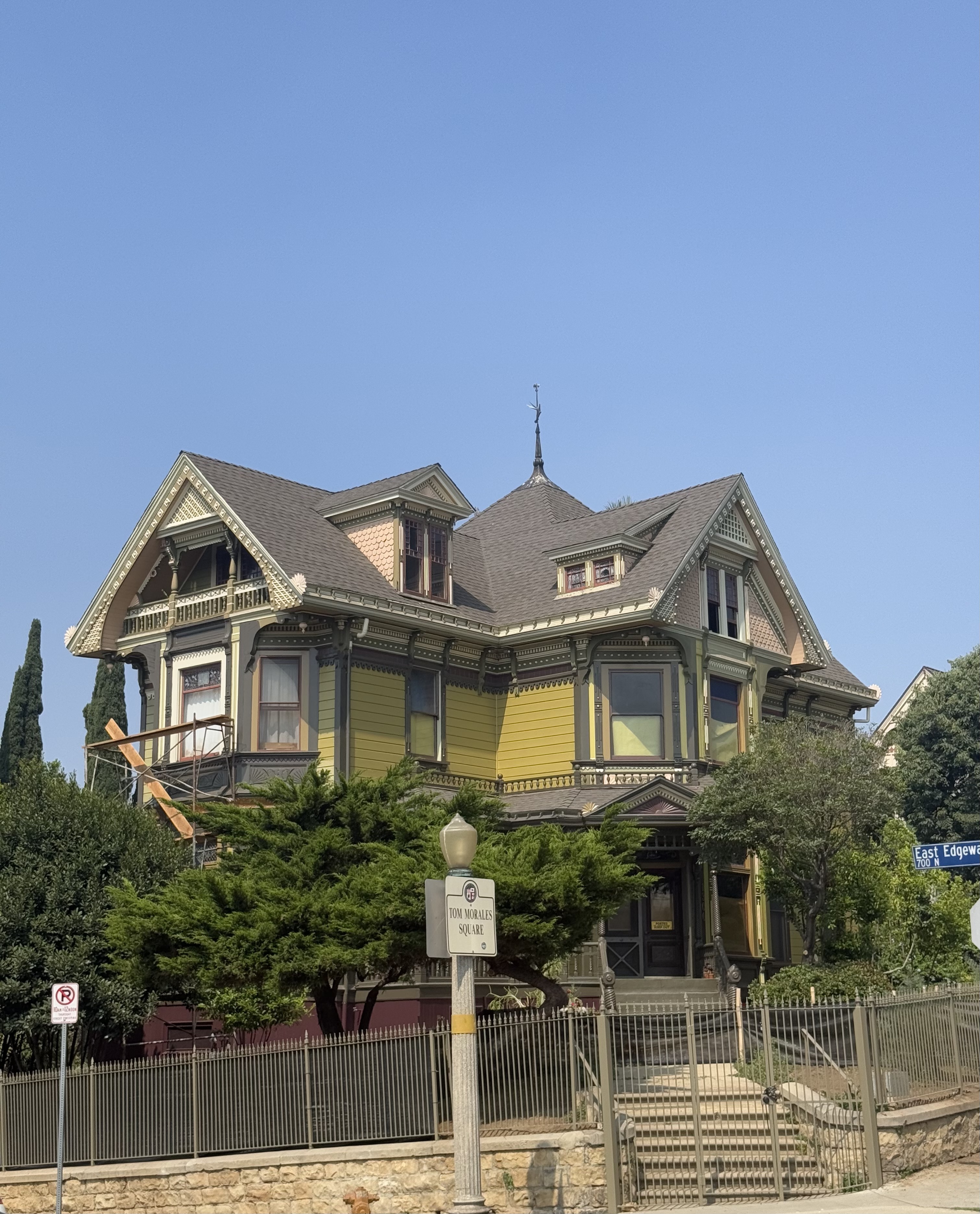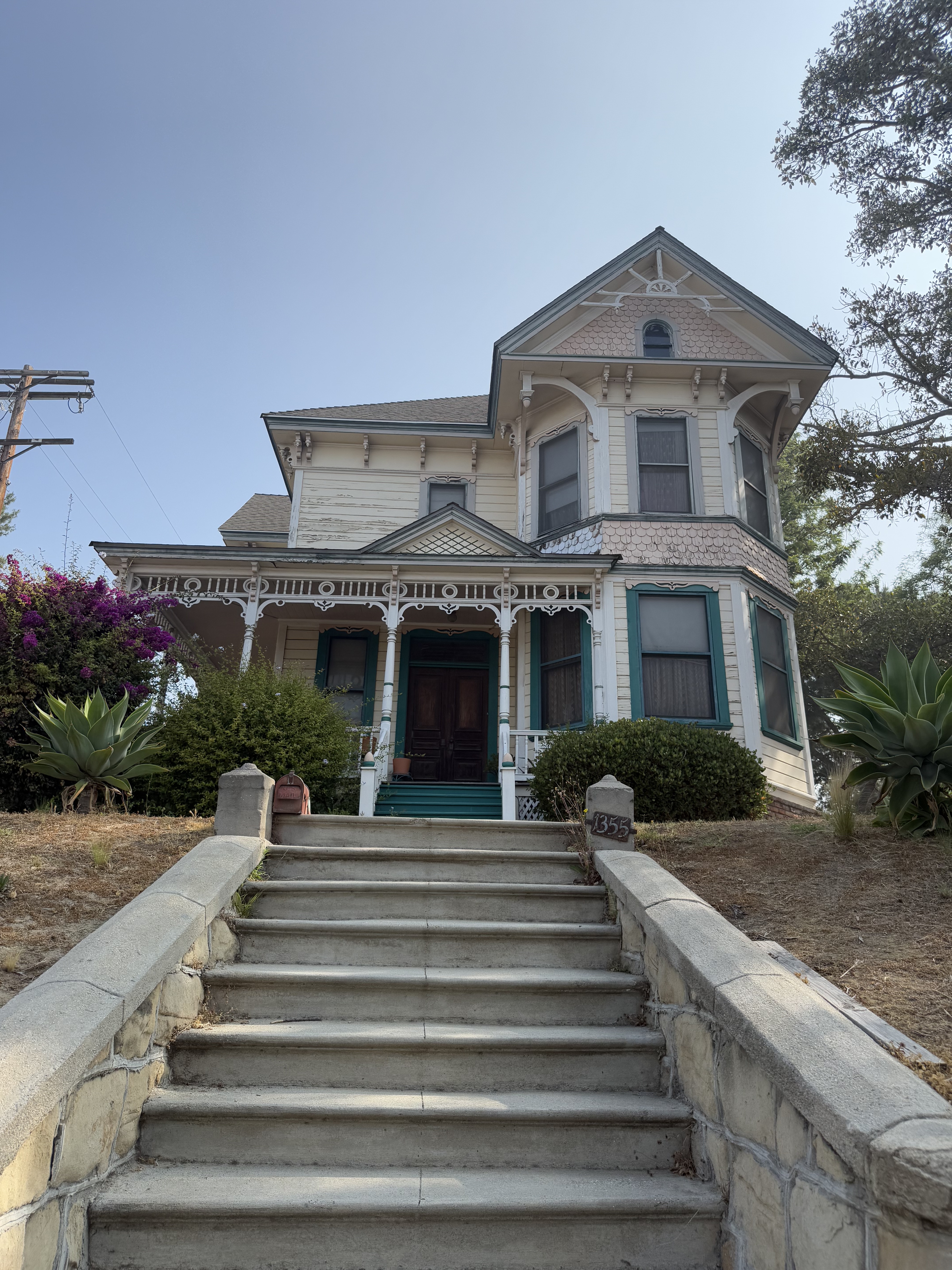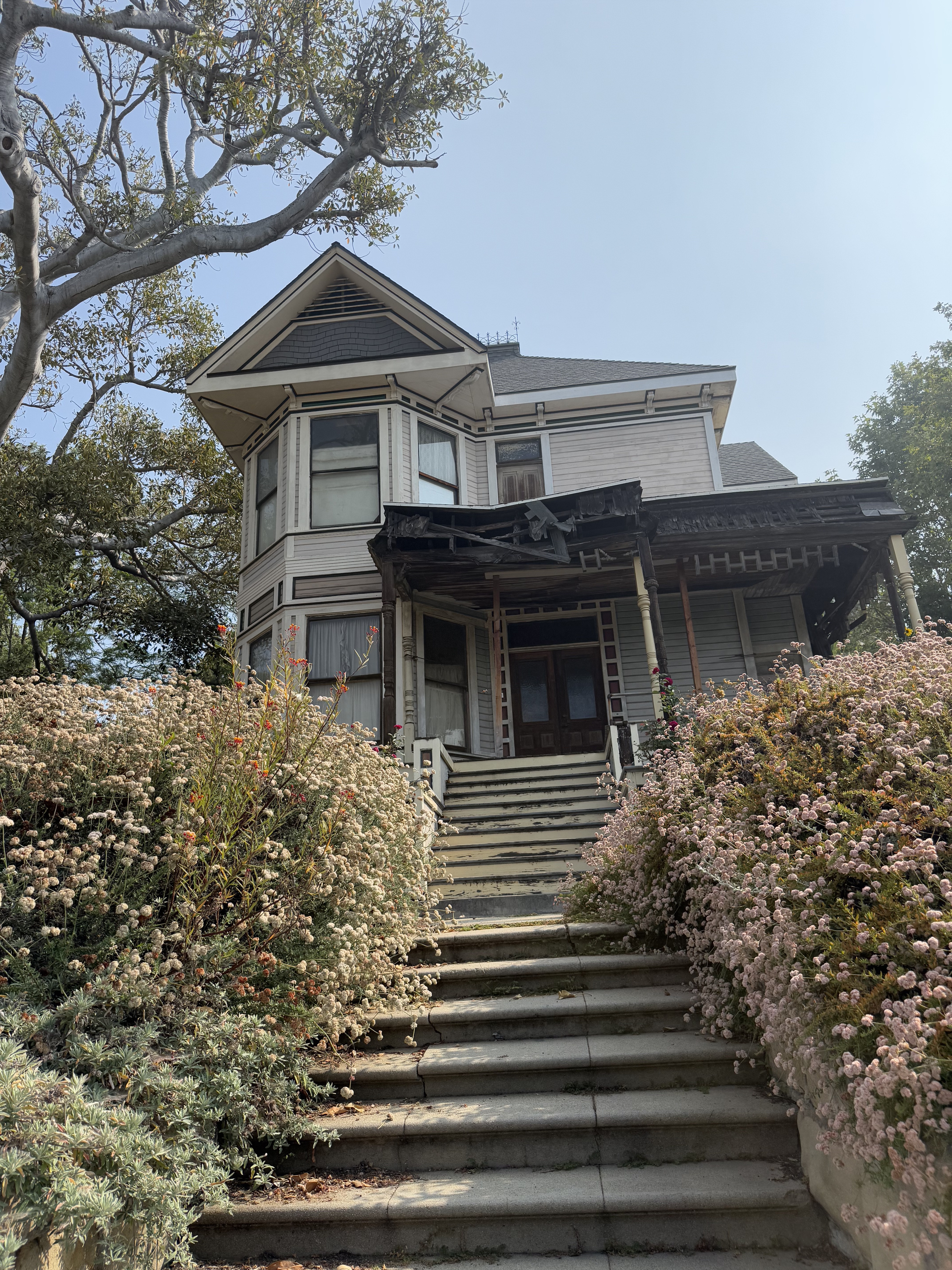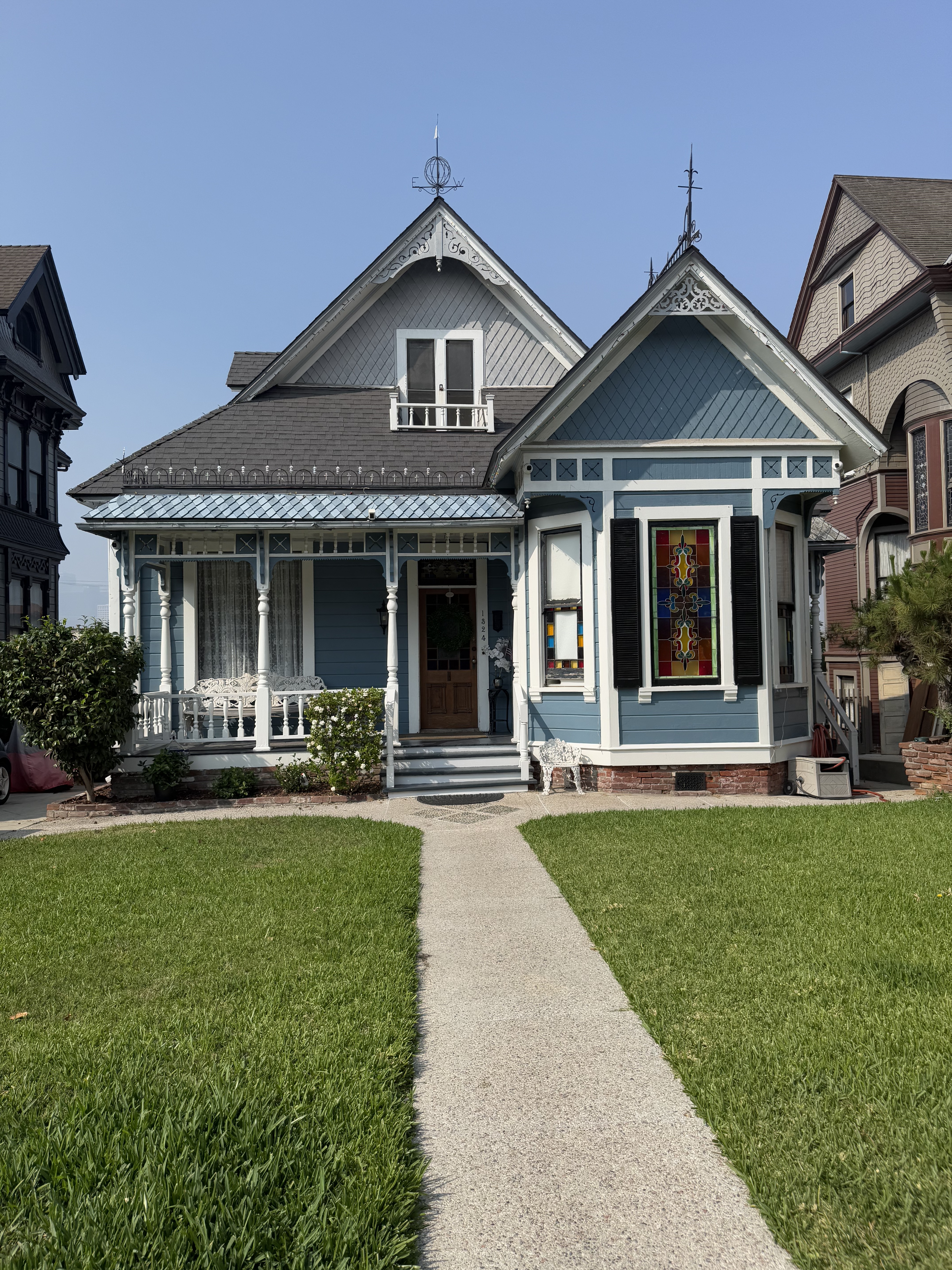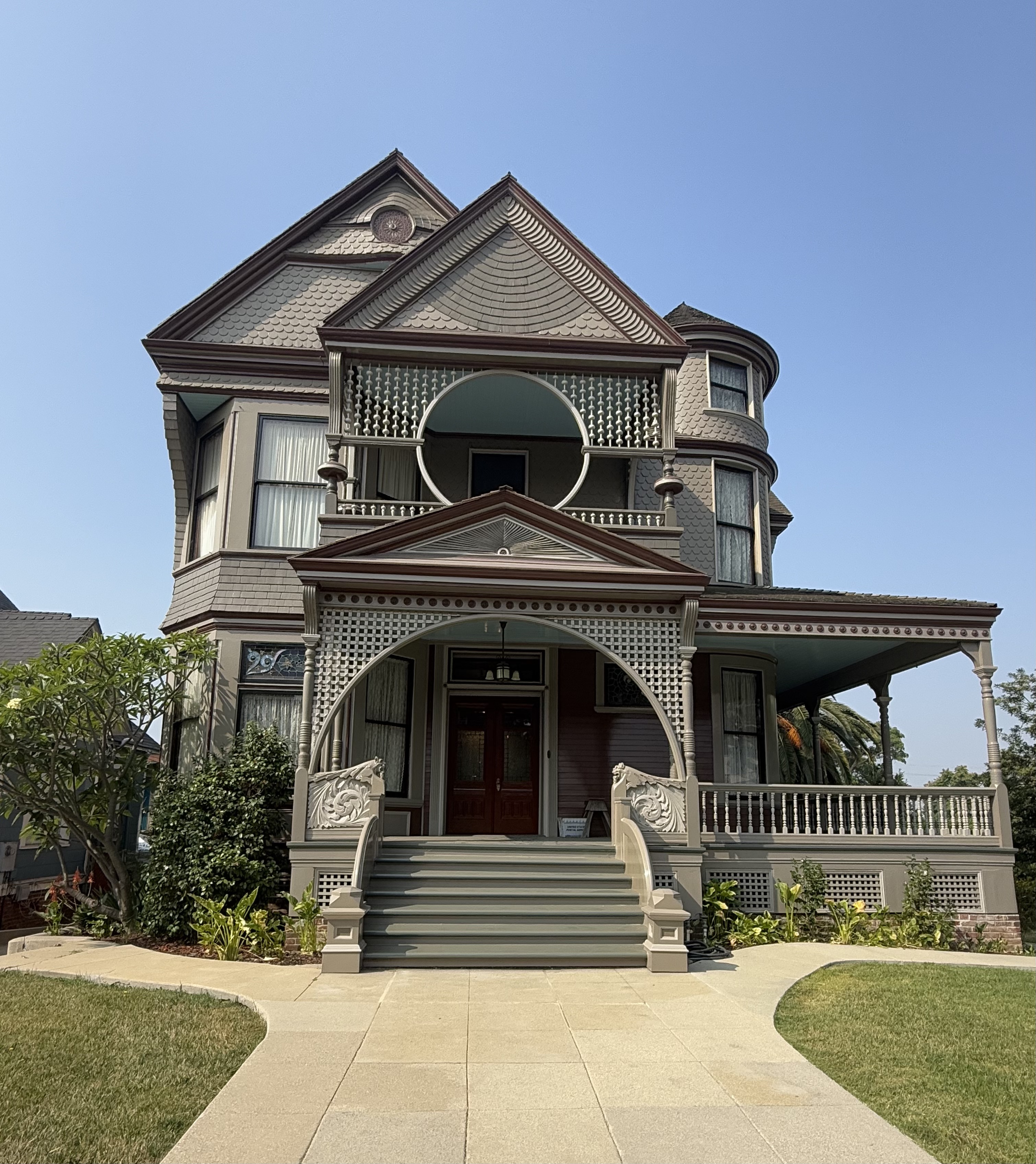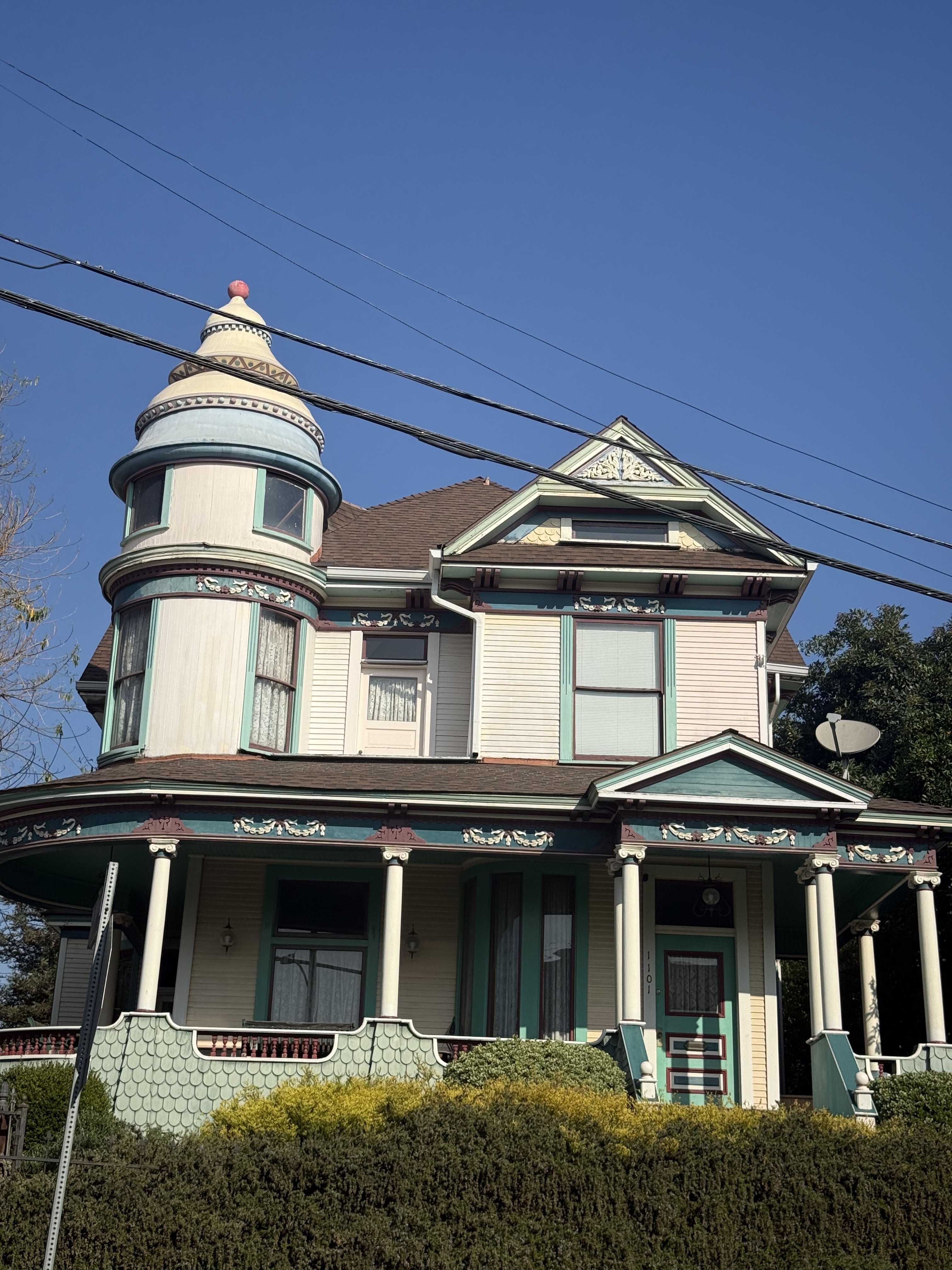
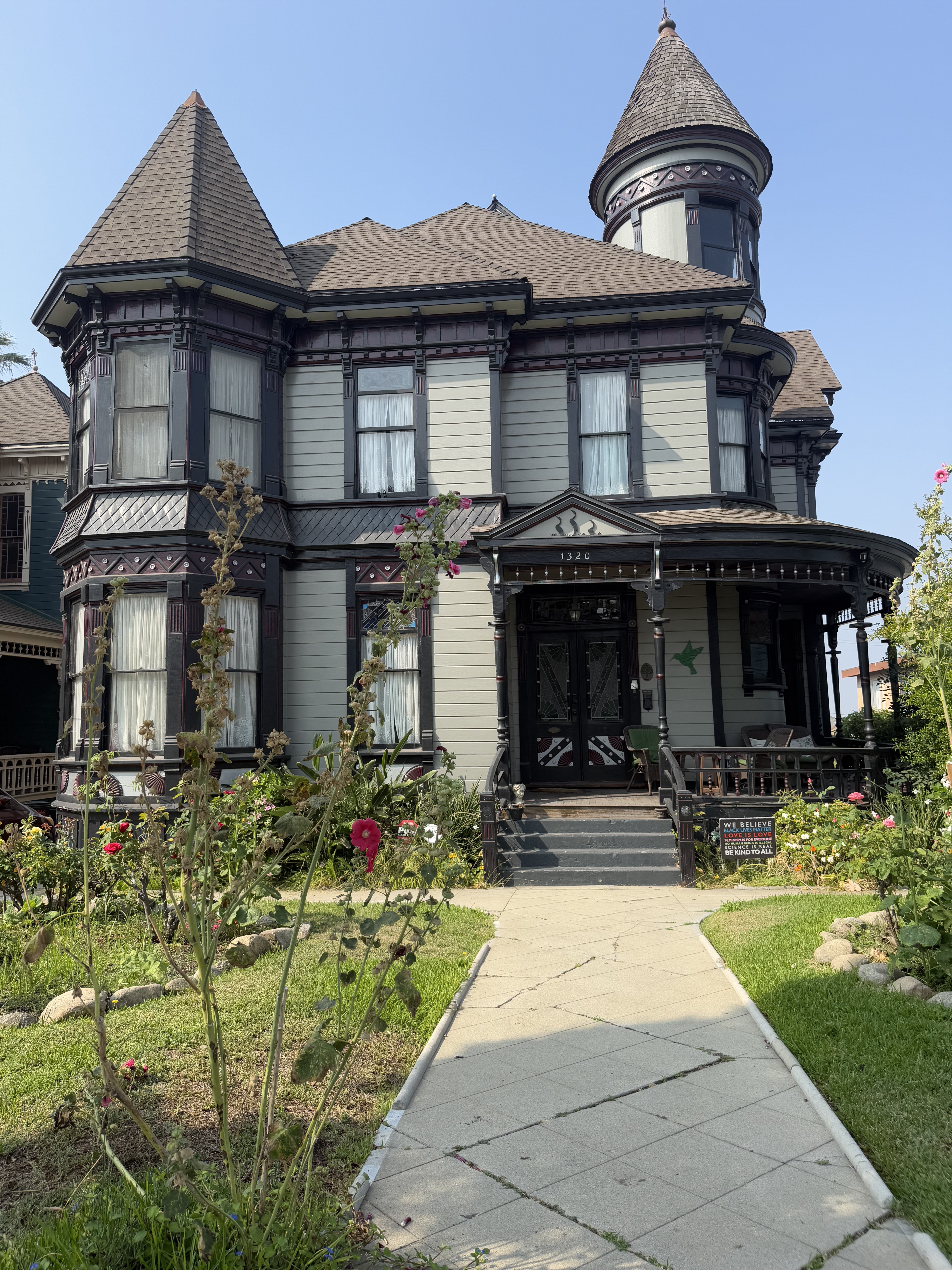
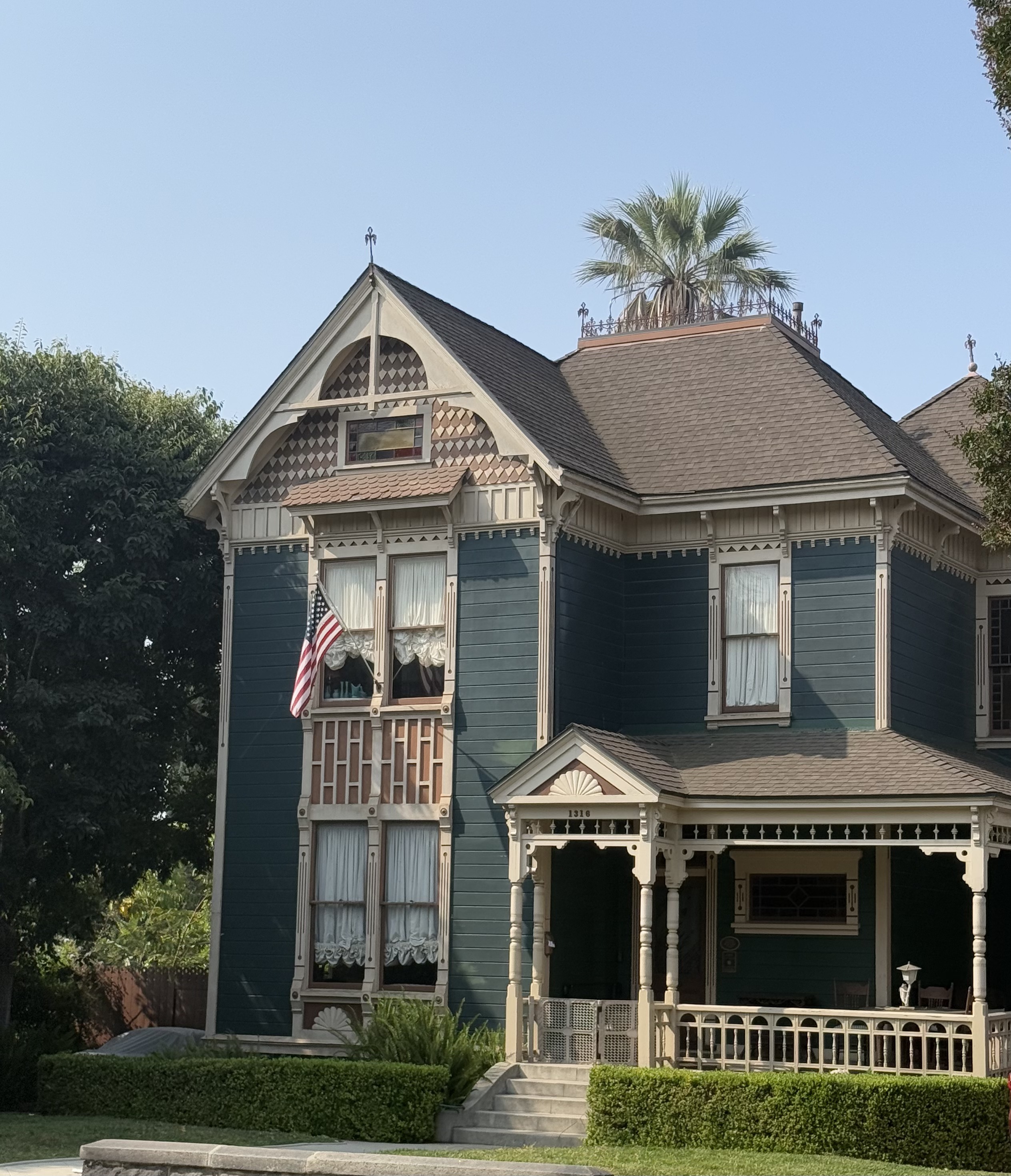
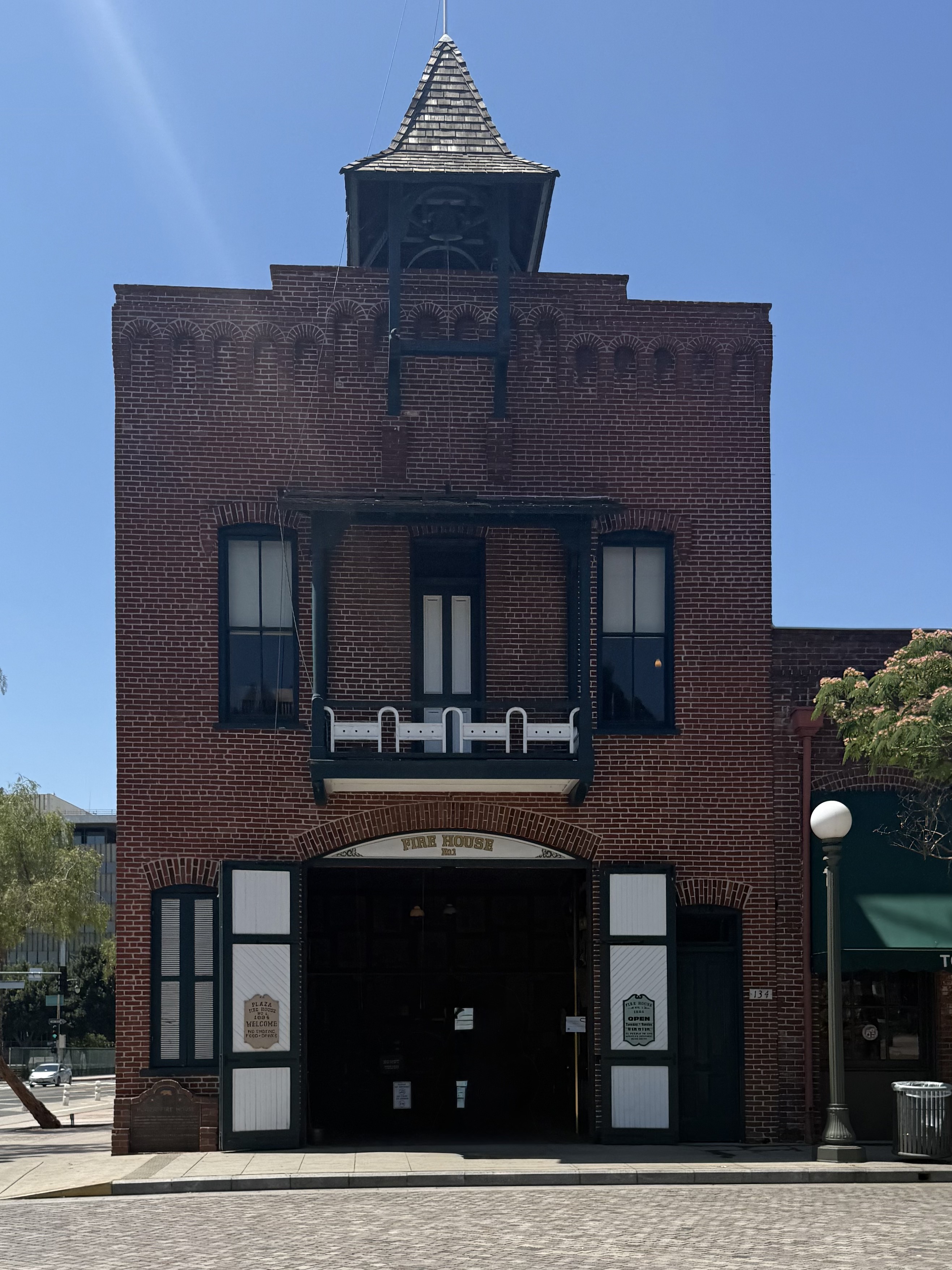
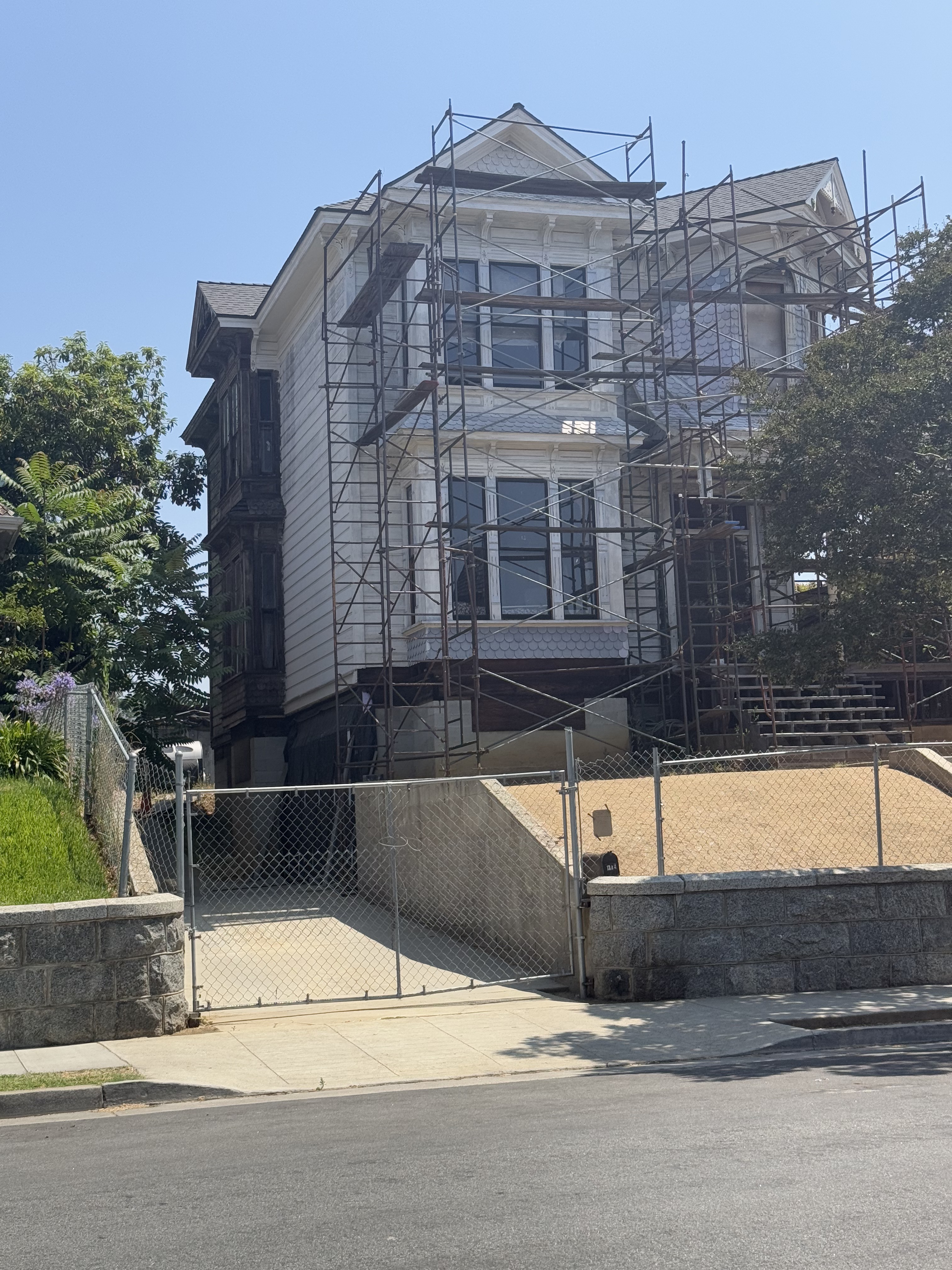
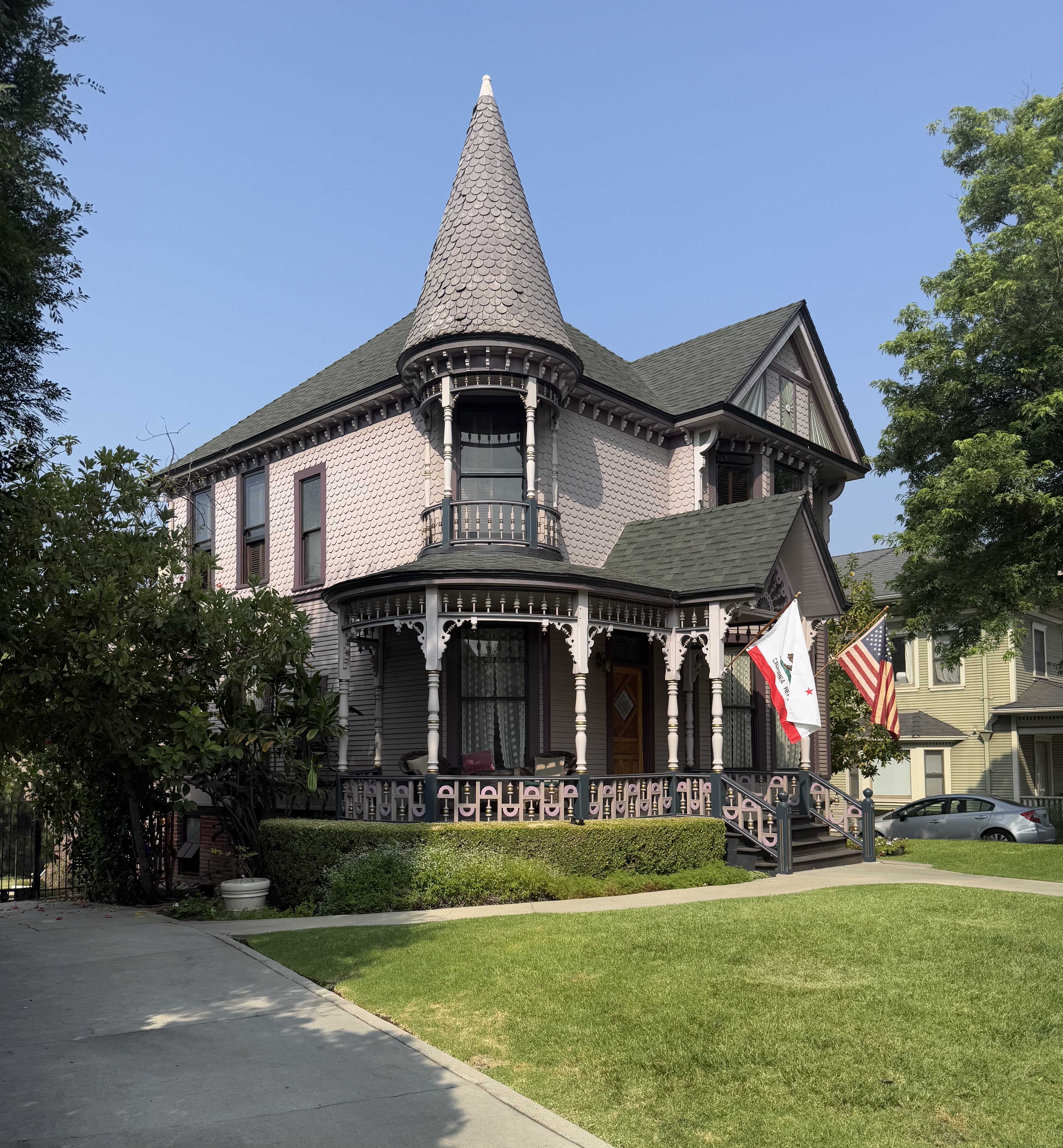
Originally founded in 1886 as "Angeleno Heights," this hillside community emerged during Los Angeles' late 19th-century development boom, making it the city's second-oldest district after Bunker Hill. Early residents, connected to downtown via the Temple Street Cable Railway, built elaborate Victorian homes in fashionable Eastlake and Queen Anne styles that reflected the era's prosperity and optimism. The neighborhood thrived until the mid-20th century when the Hollywood Freeway's construction destroyed a significant portion of the community, severing its connection to Temple Street except for a single overpass. This dramatic change, while devastating, ultimately led to increased preservation awareness. In 1981, the surviving Victorian homes gained protection when Angelino Heights became Los Angeles' first Historic Preservation Overlay Zone, ensuring future generations could experience this remarkable architectural time capsule.
The neighborhood showcases a remarkable span of architectural evolution, with over 30 designated Historic-Cultural Monuments. While Victorian styles dominate—particularly the ornate Eastlake and Queen Anne varieties—visitors will discover Craftsman bungalows, Mission Revival structures, Art Deco gems, and Colonial Revival homes. Carroll Avenue serves as the neighborhood's showcase street, where elaborate gingerbread trim and wraparound porches transport visitors to the 1880s.
BORDERS
North: Sunset Boulevard
South: Hollywood Freeway
East: Sunset Boulevard
West: Echo Park Lake