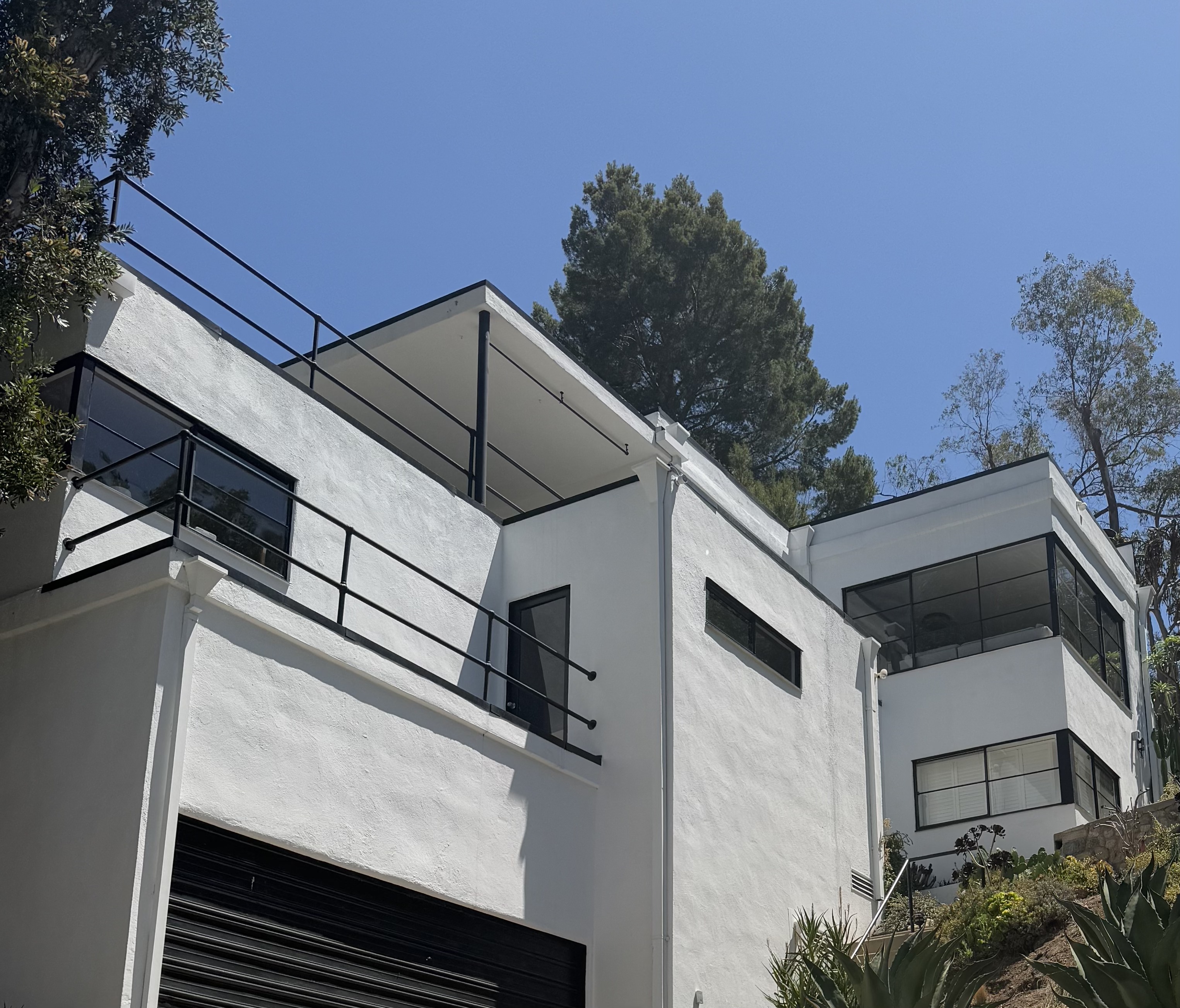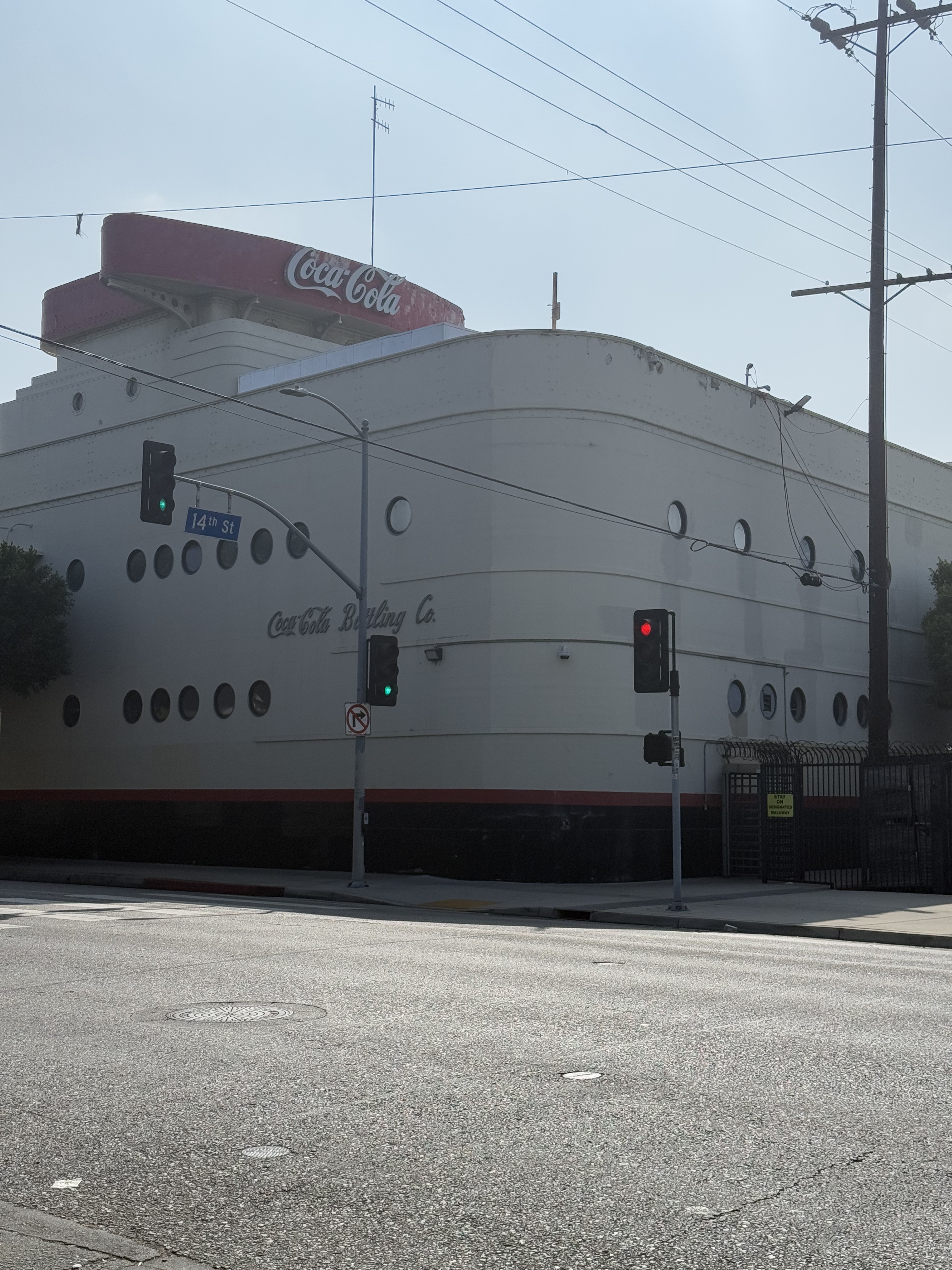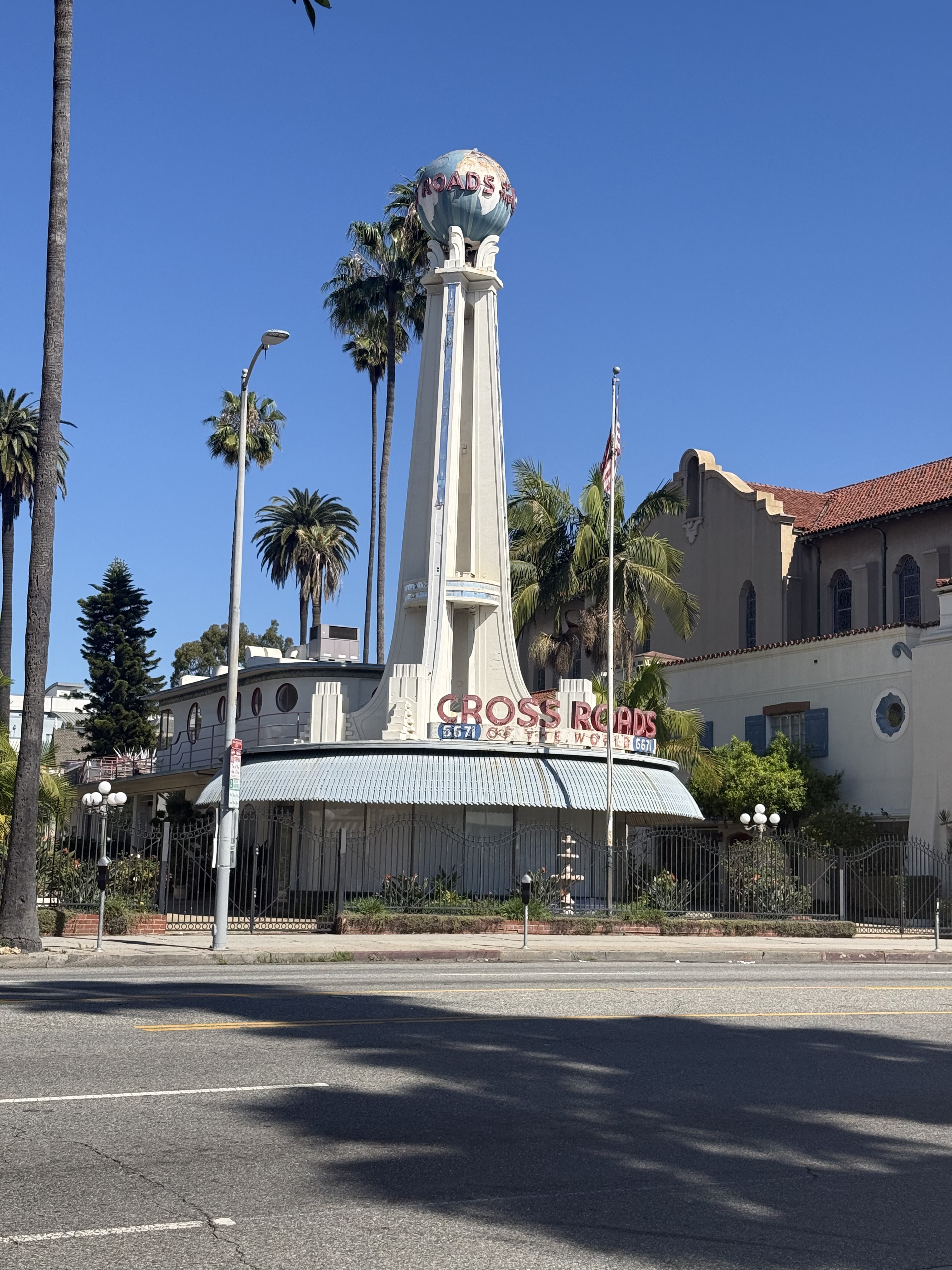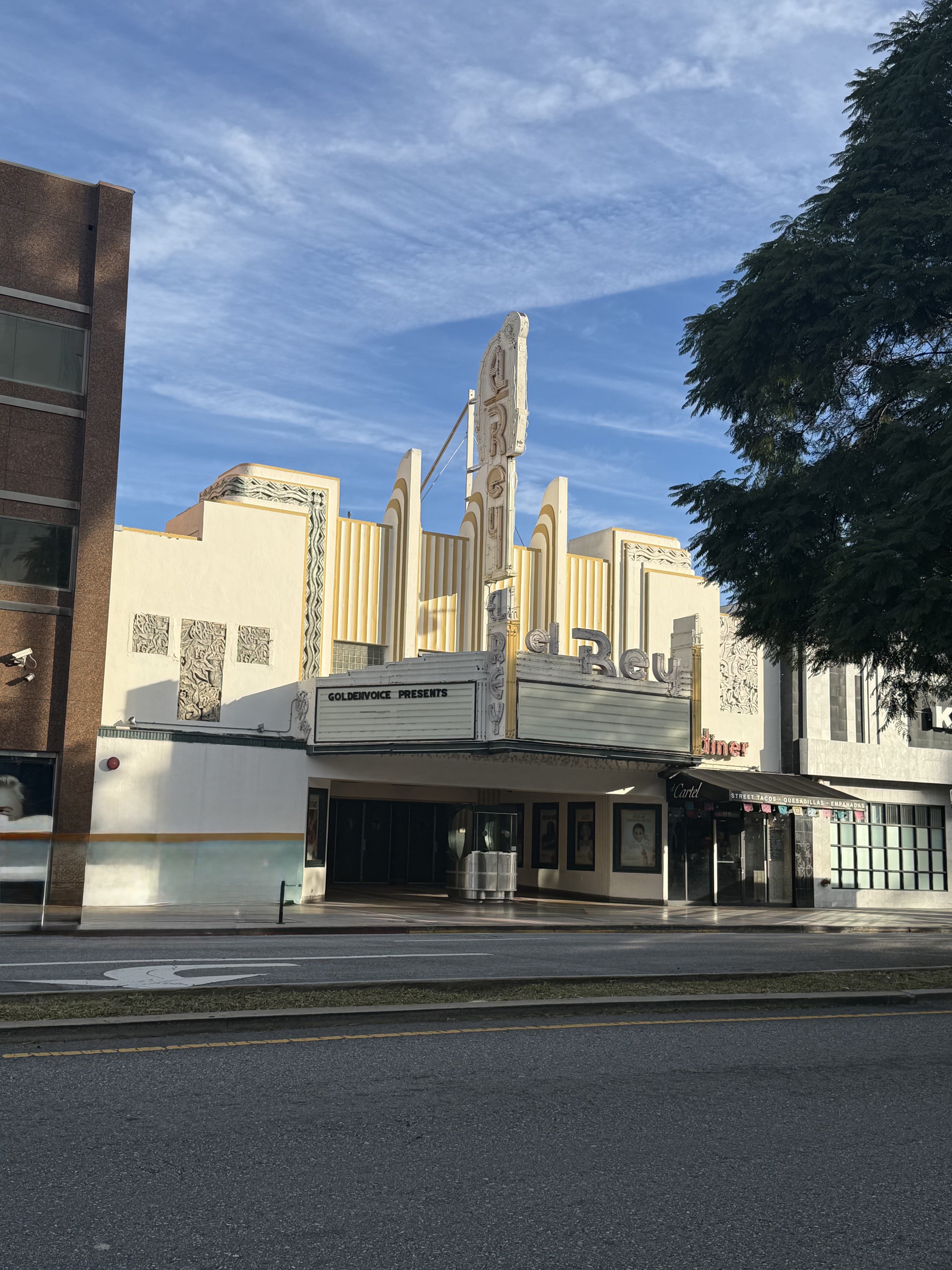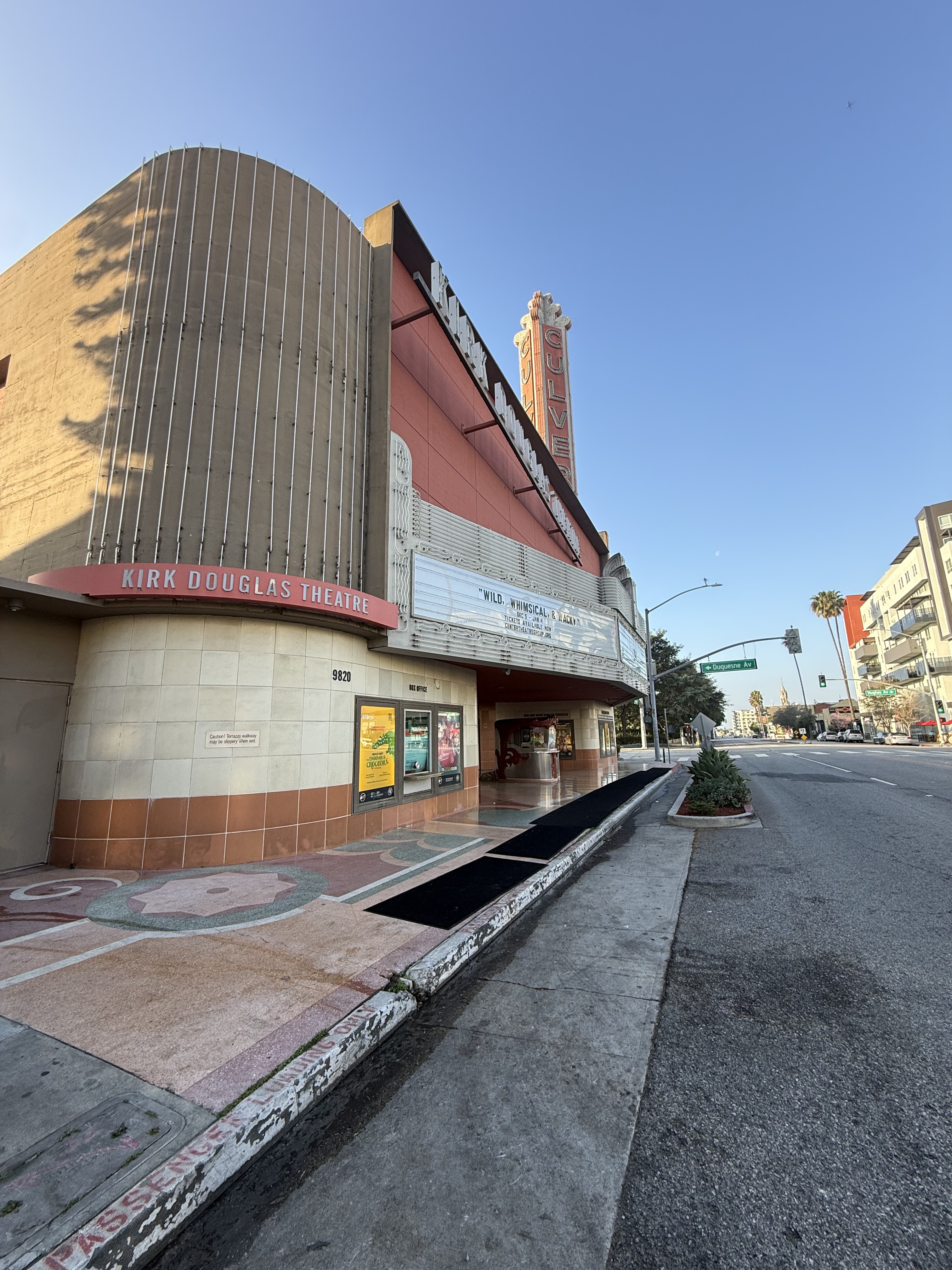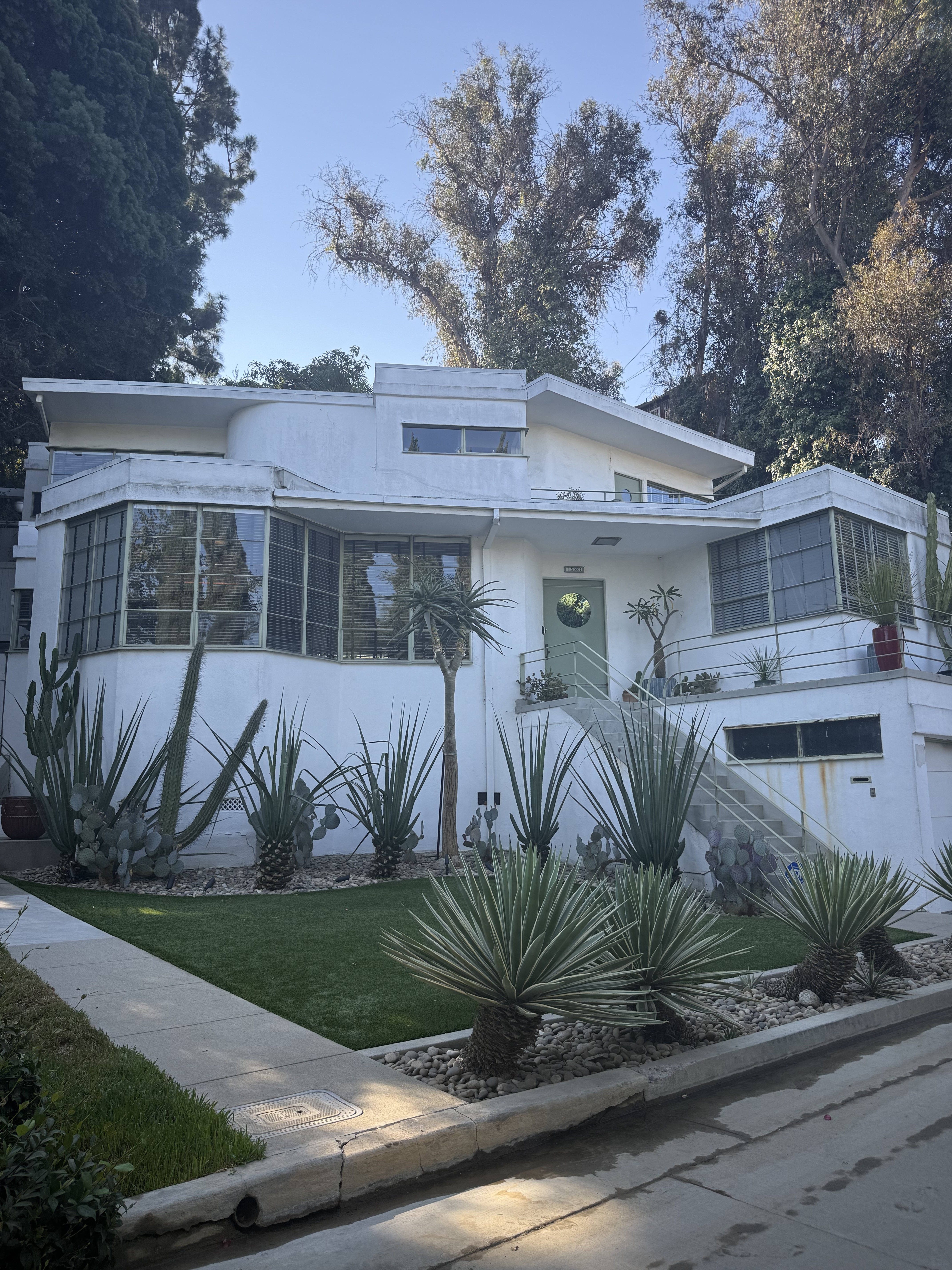
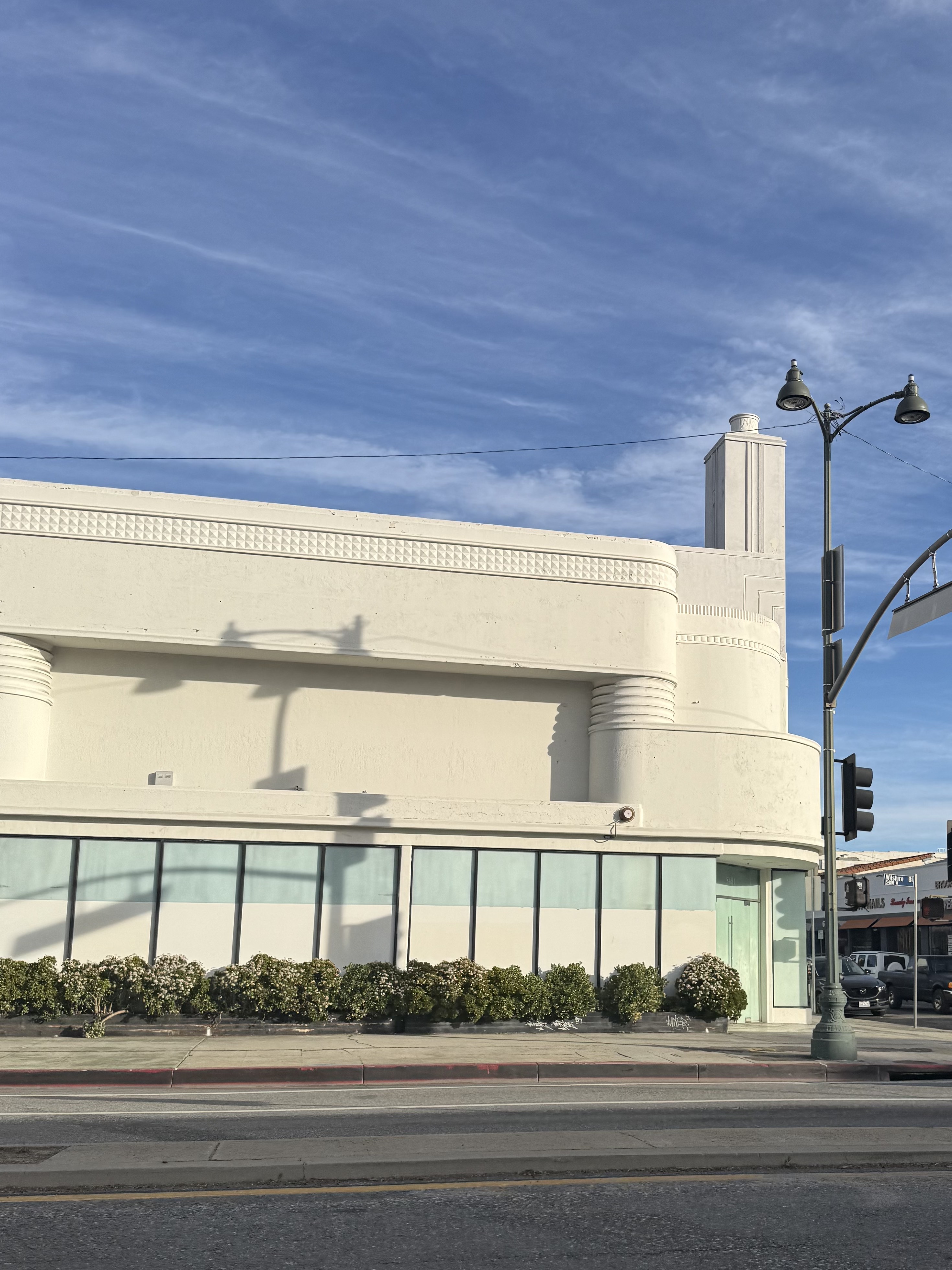
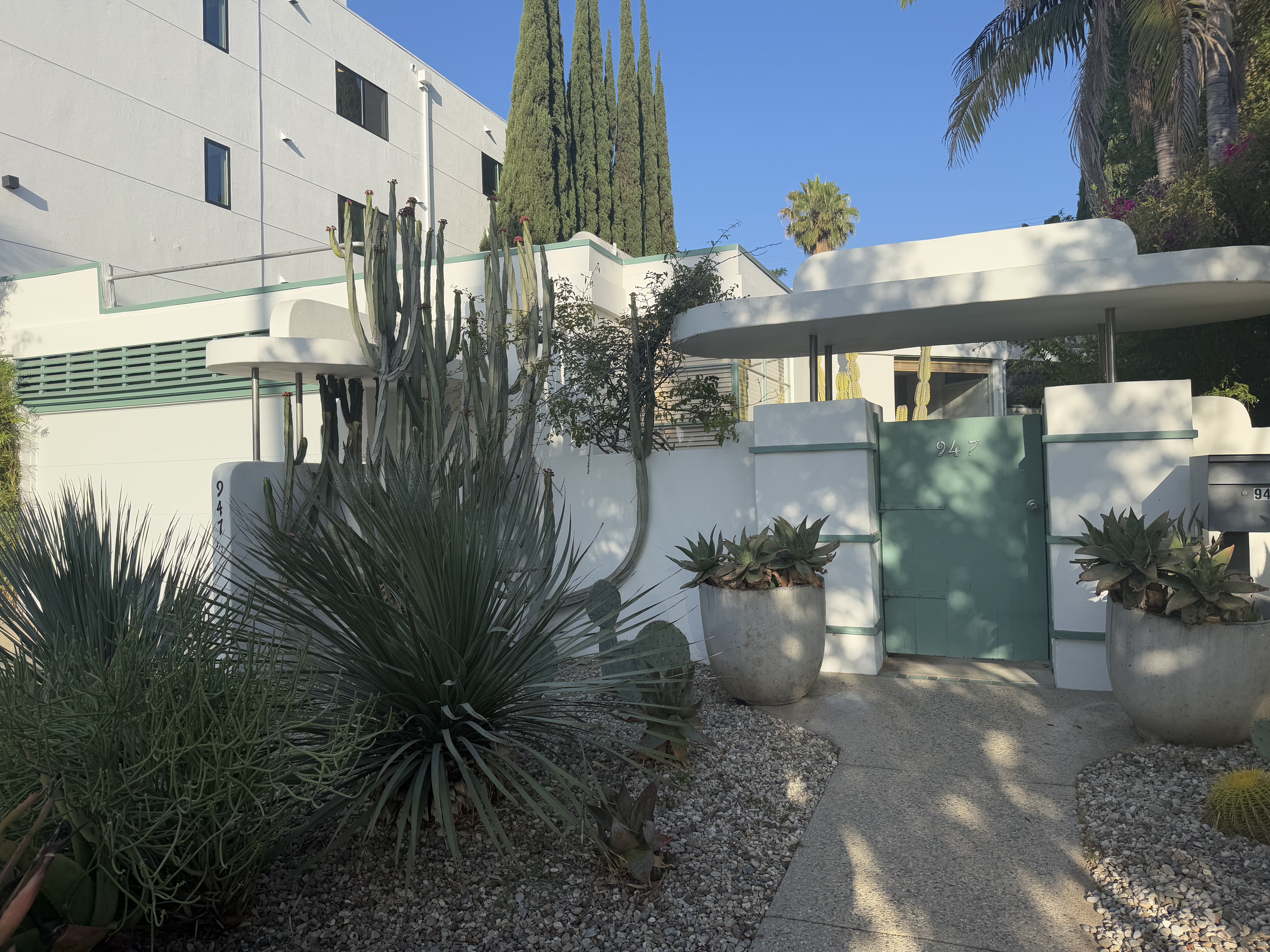
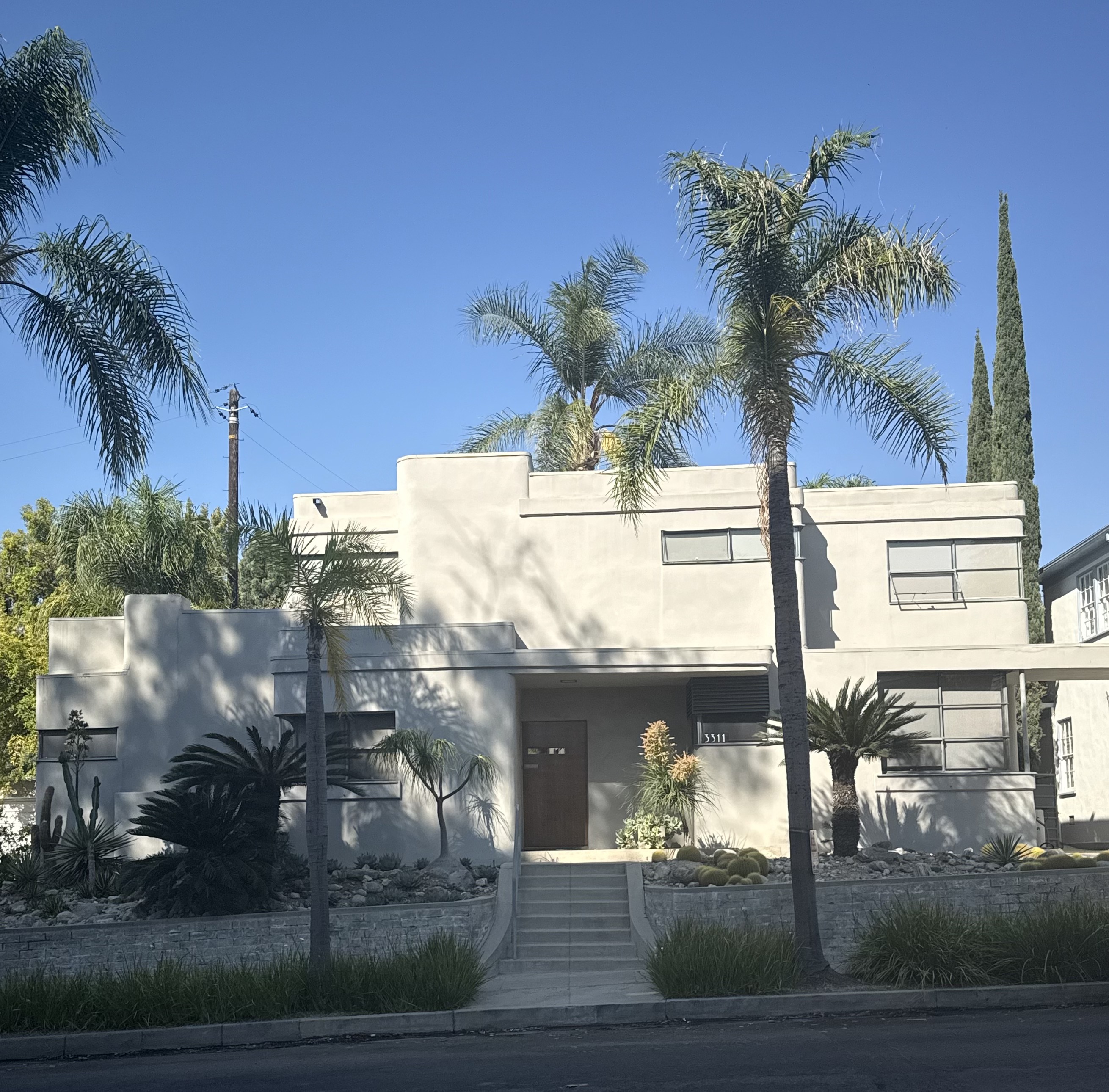
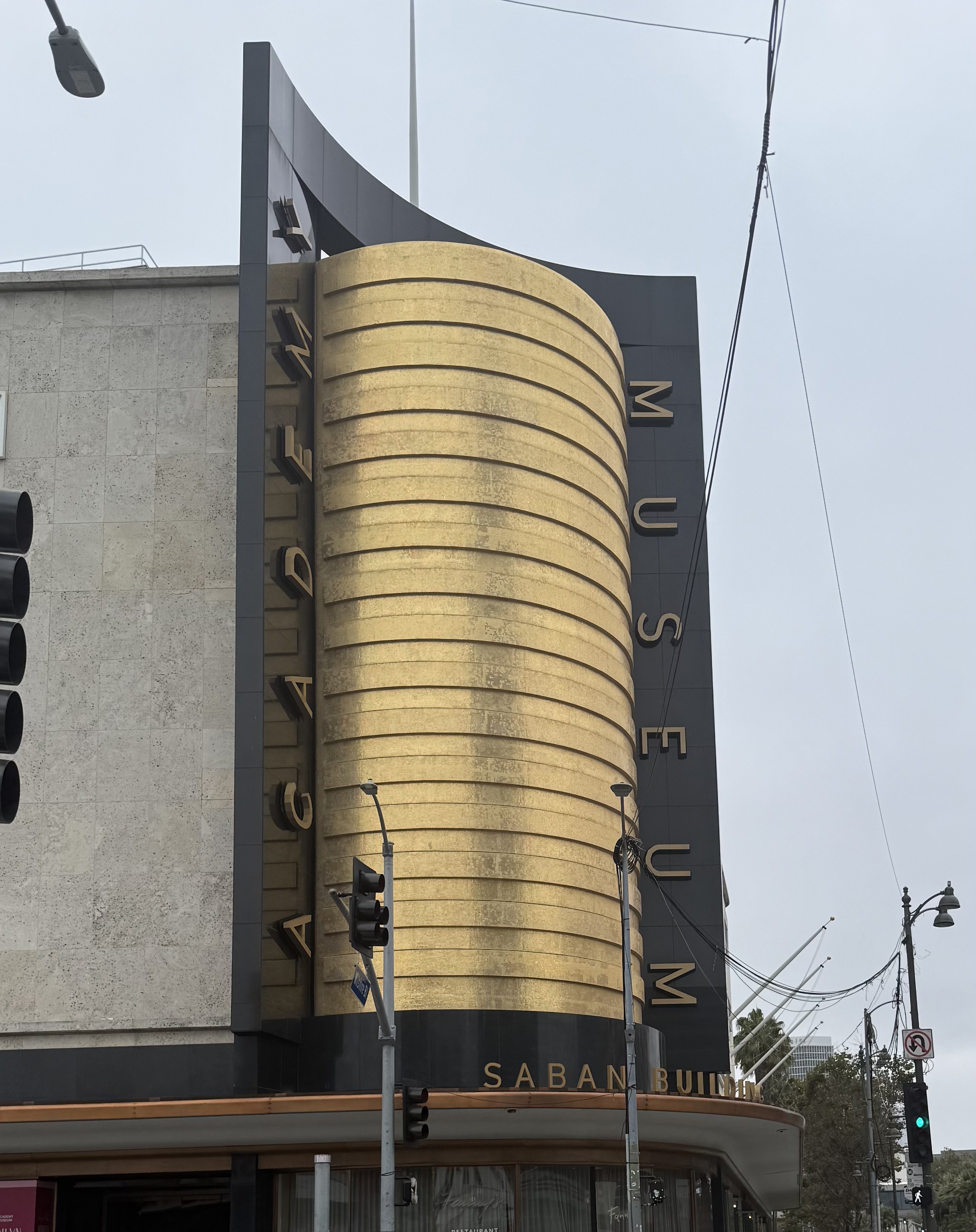
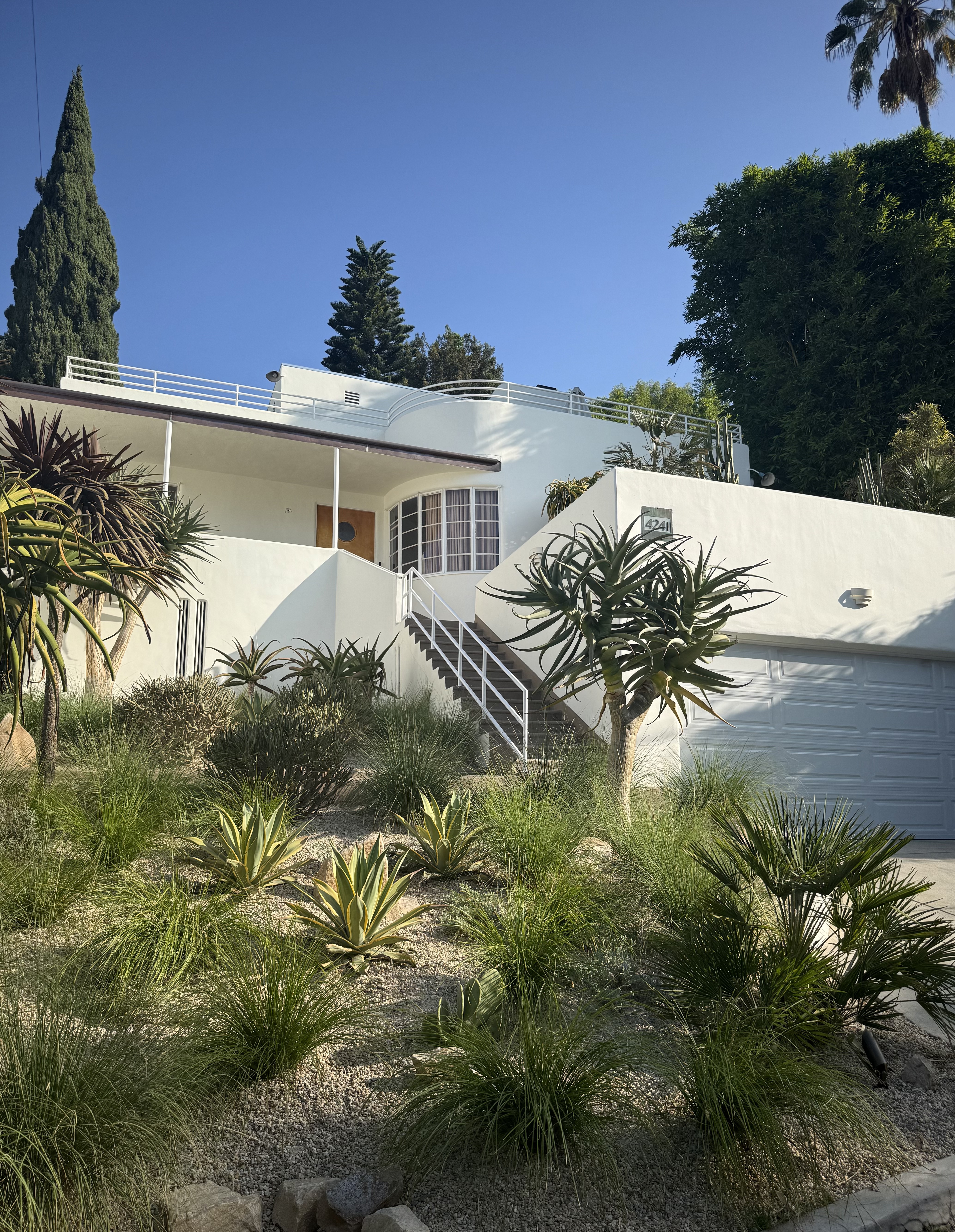
Streamline Moderne emerged in the 1930s as a sleek evolution of Art Deco, stripping away ornate decorations in favor of aerodynamic efficiency. Born during the Great Depression, this style reflected both economic necessity and optimistic faith in technological progress. Suggesting that through streamlined efficiency and technological innovation, society could move forward into a brighter future. The French called it "style paquebot" (ocean liner style), inspired by luxury ships like the SS Normandie. The 1933-34 Chicago World's Fair popularized the aesthetic, extending it to automobiles, appliances, and industrial design. The movement represented Depression-era optimism maintaining faith in progress despite economic collapse. Streamline Moderne appeared most prominently in transportation-related structures: train stations, airports, bus terminals, and port buildings. The style also graced commercial buildings, apartment complexes, and occasionally residential homes.
ELEMENTS
- Horizontal emphasis with long, sweeping lines that suggest motion and speed
- Rounded corners replacing sharp Art Deco angles with smooth, curved transitions
- Flat roofs with clean horizontal rooflines
- Porthole windows and ship-deck balconies reflecting nautical influences
- Streamlined surfaces with smooth concrete, glass, and chrome materials
- Minimal ornamentation reduced to horizontal grooves and speed lines
- Asymmetrical compositions suggesting forward movement
- Integration of electric lighting as architectural element